Dacha shoot (analogue colour) January 2026

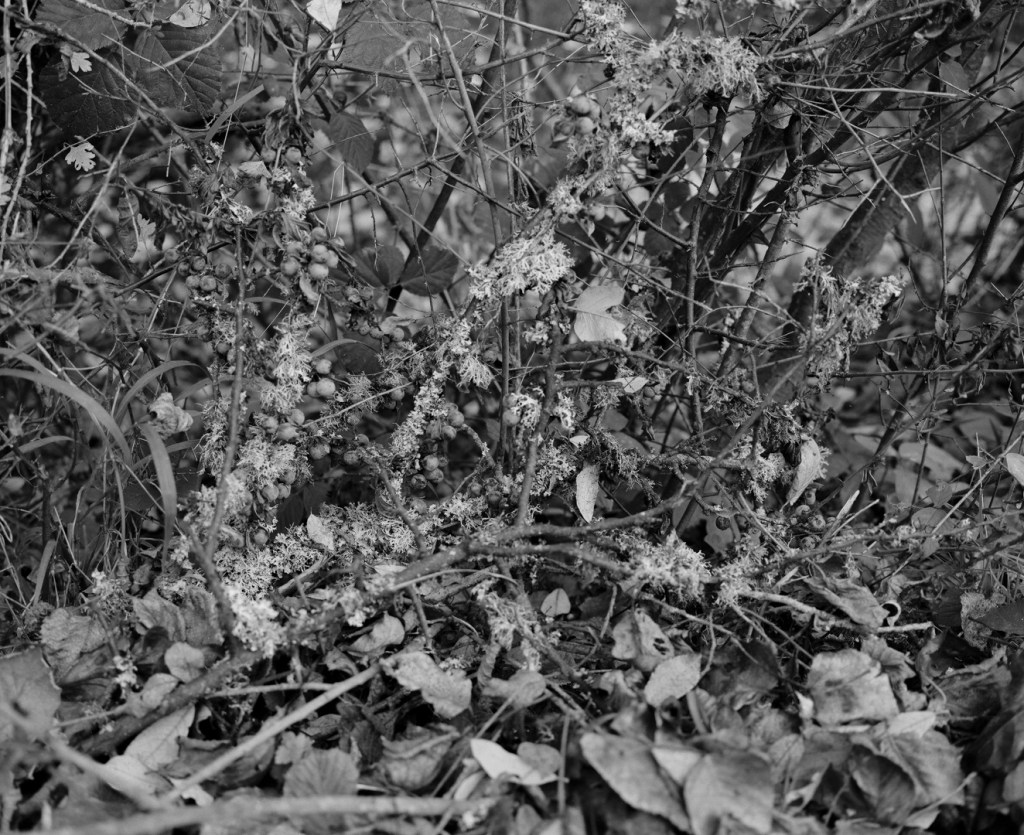
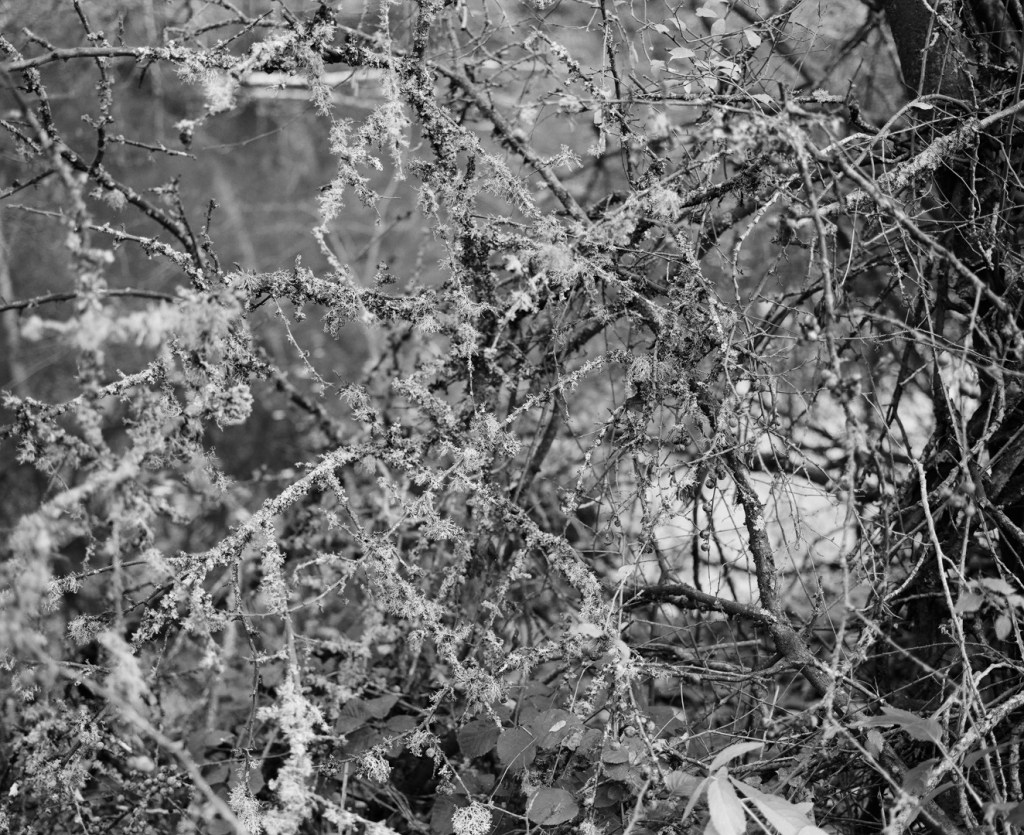
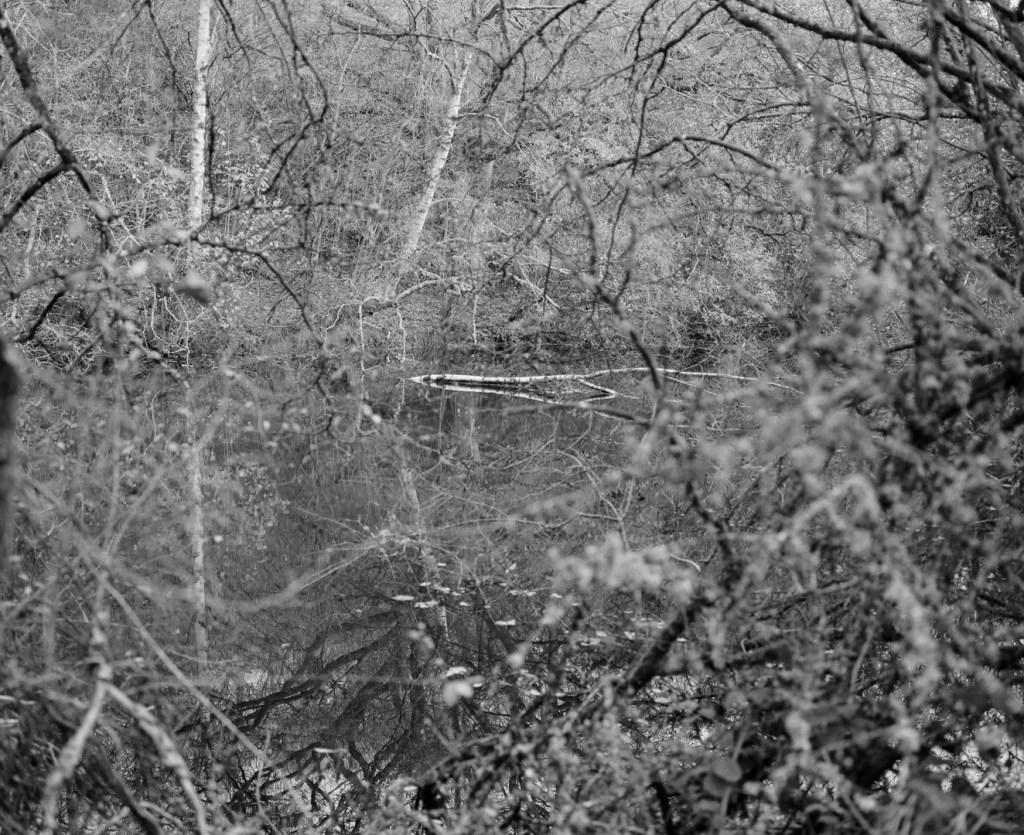
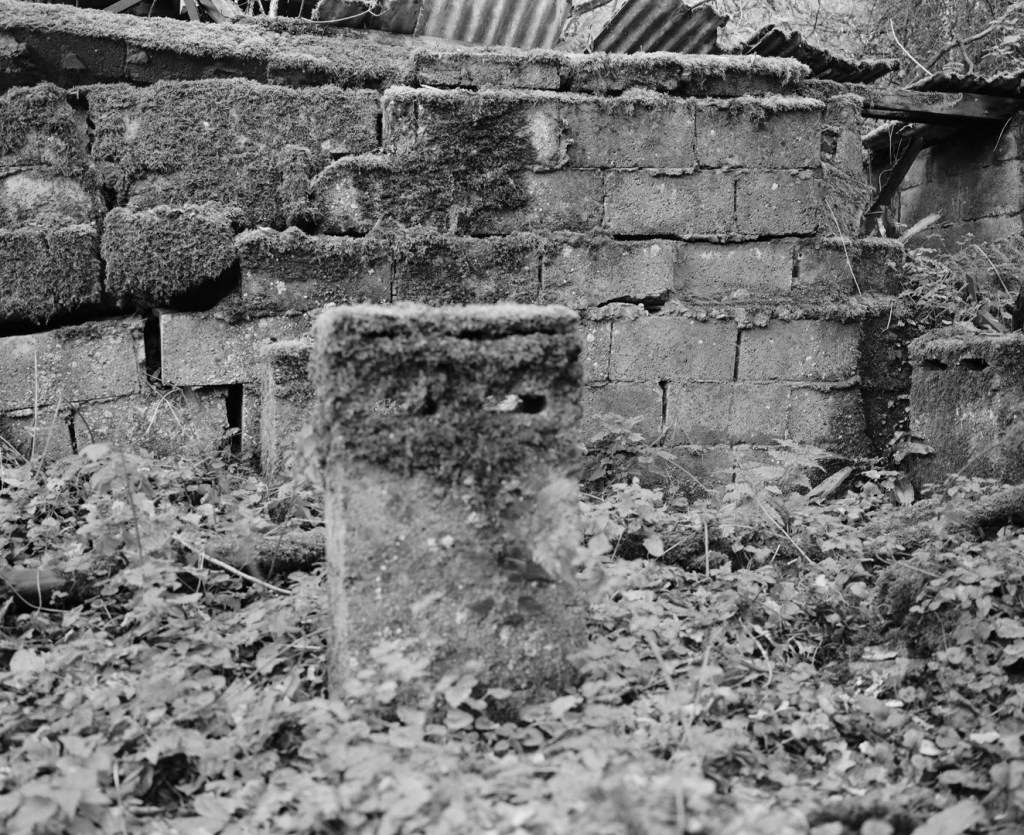
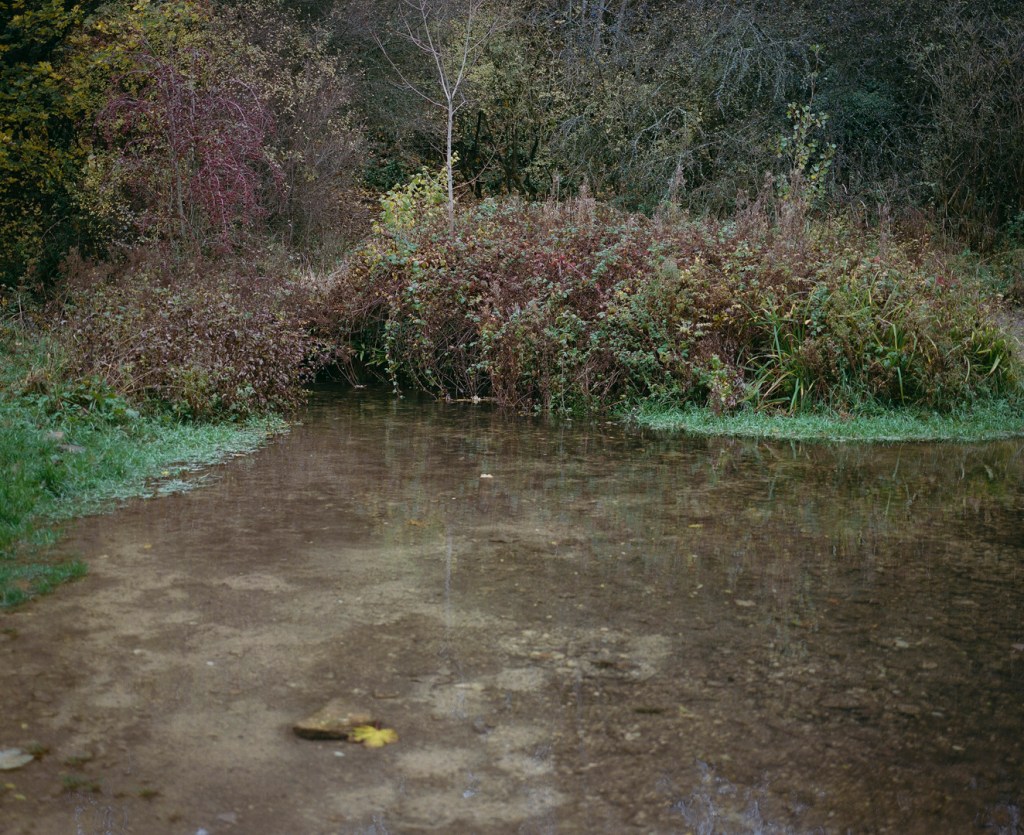
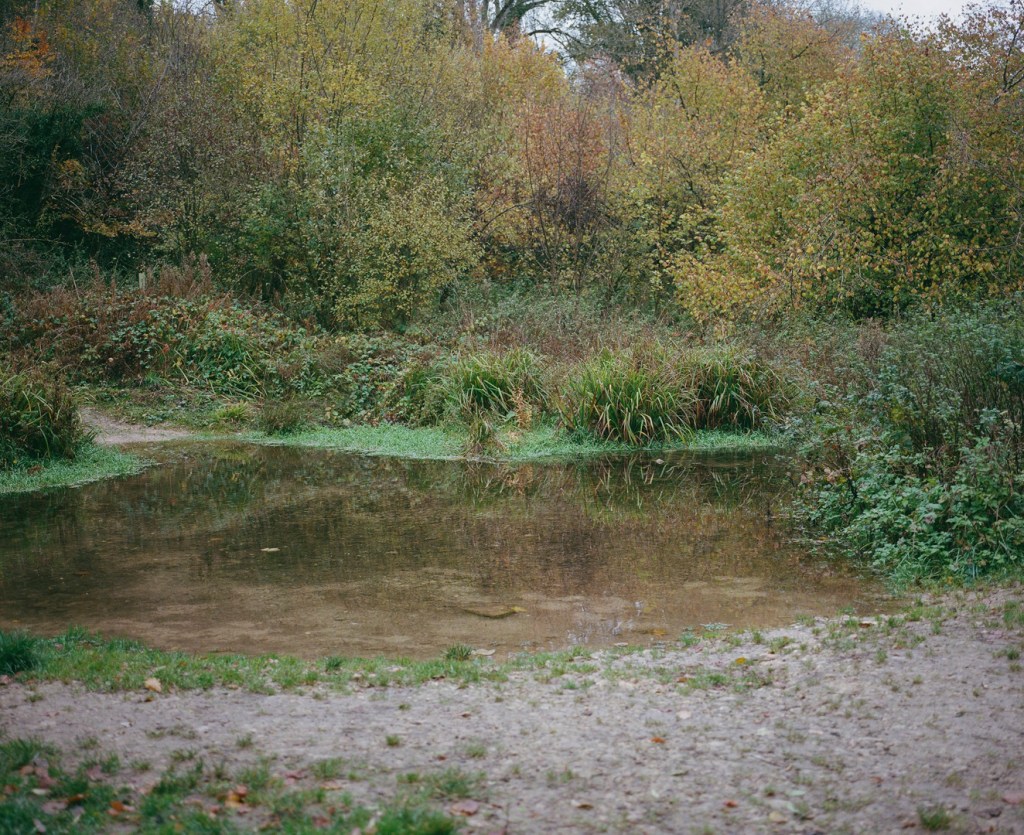
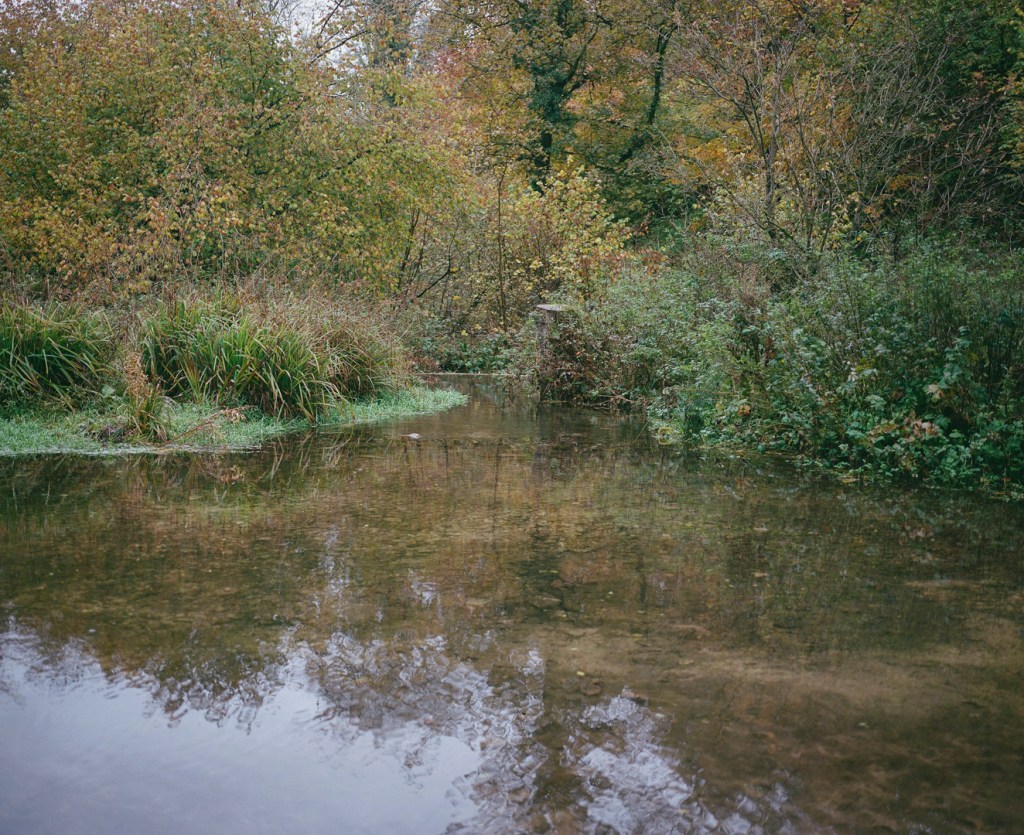
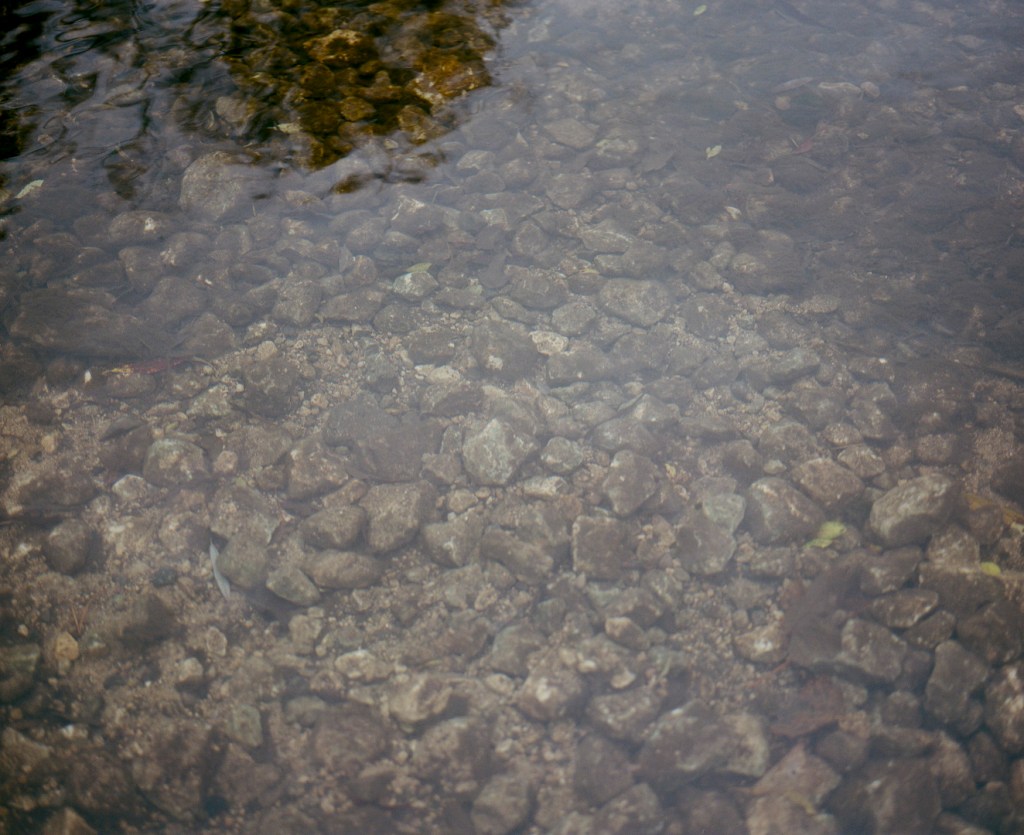
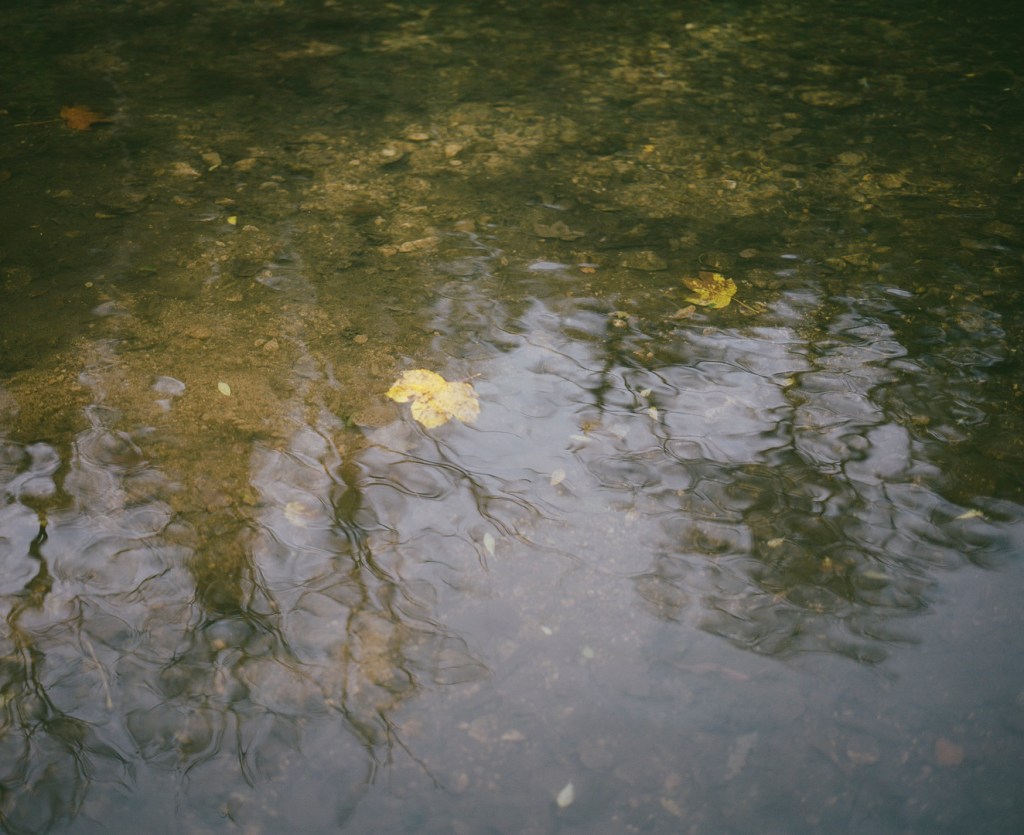
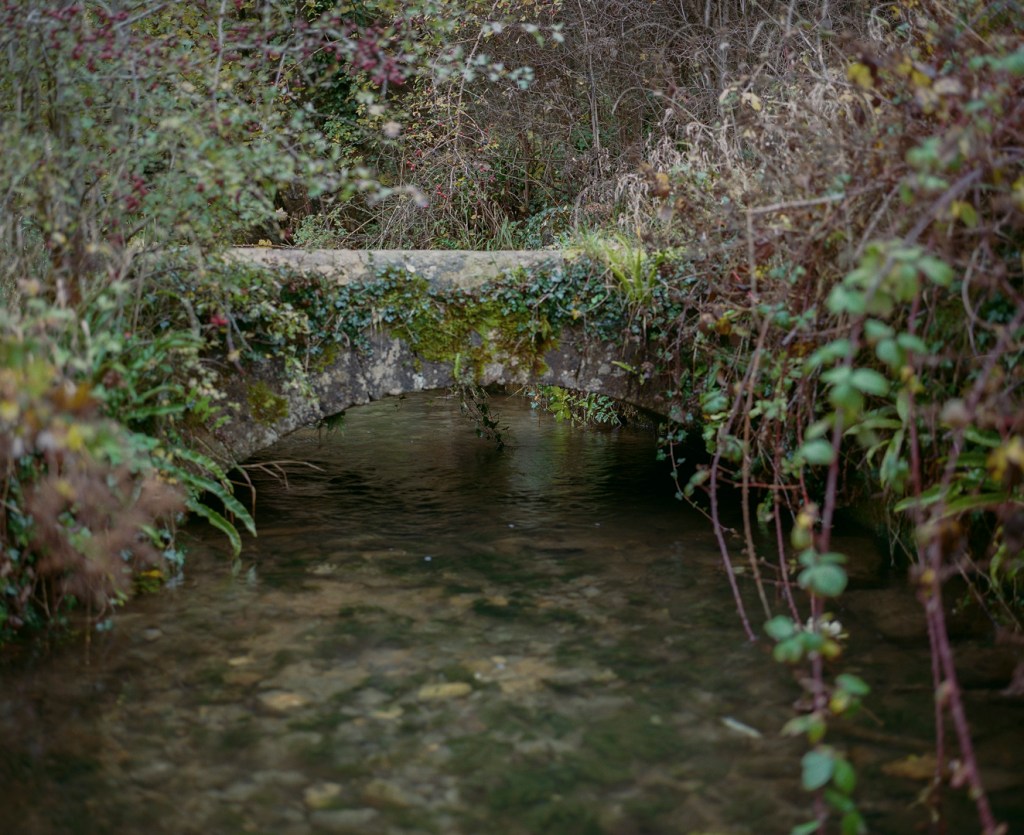
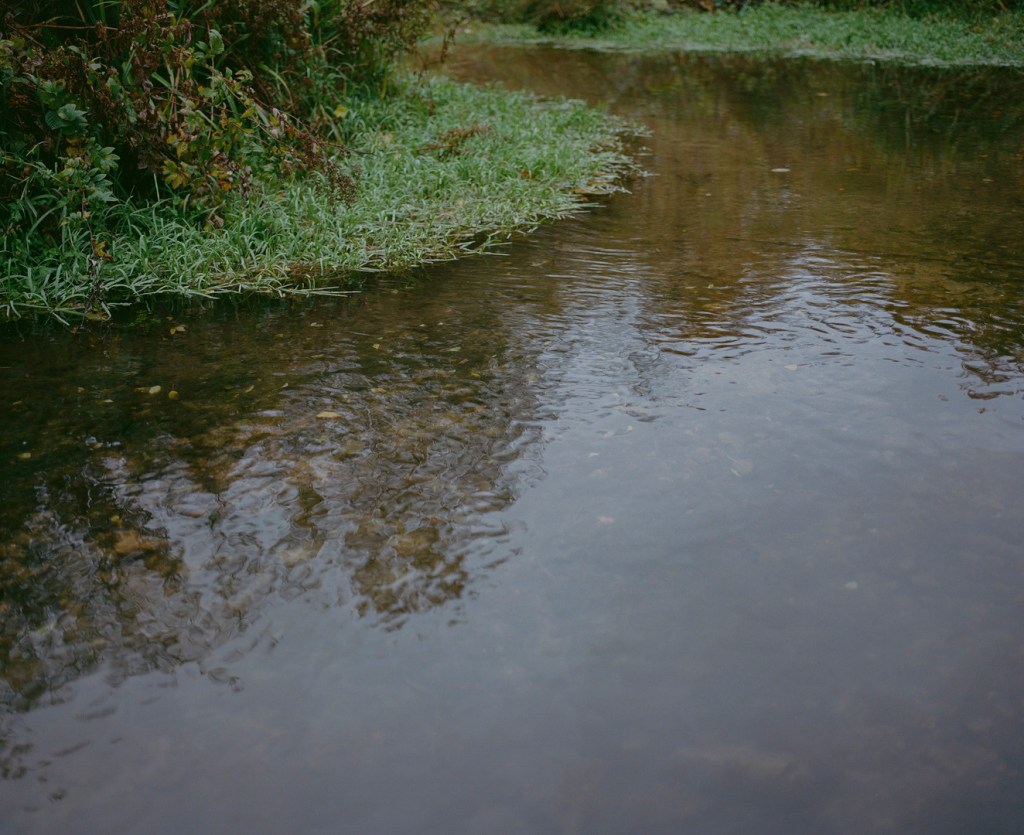
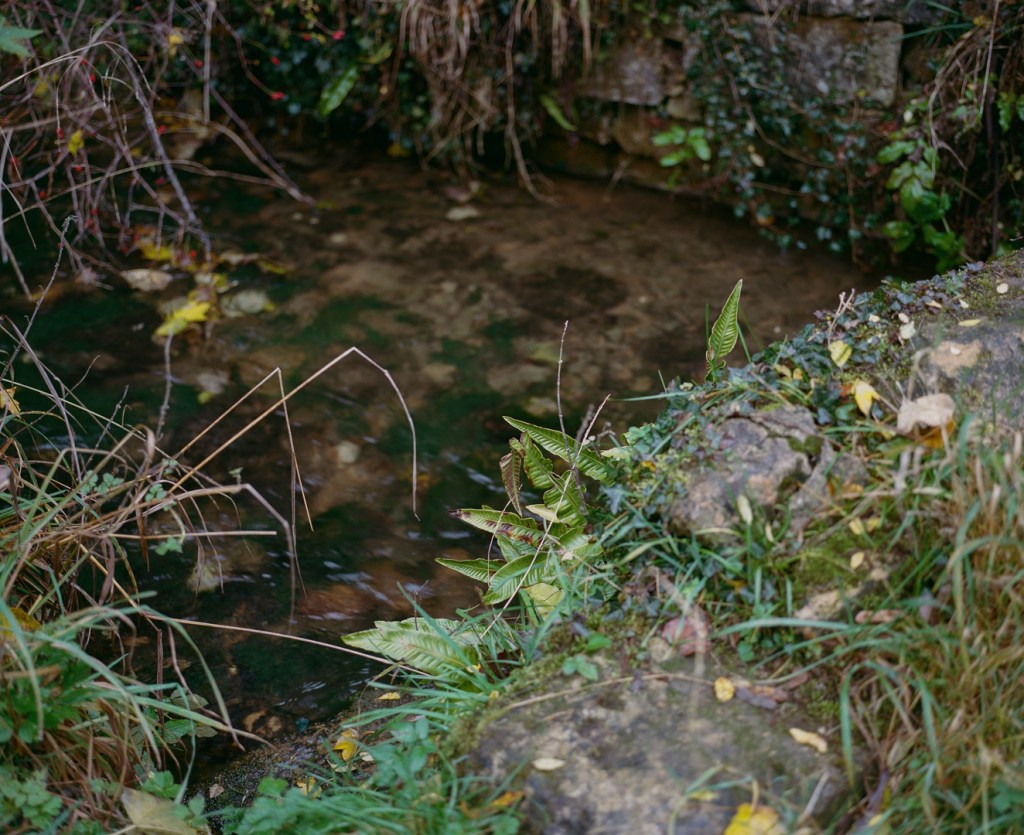
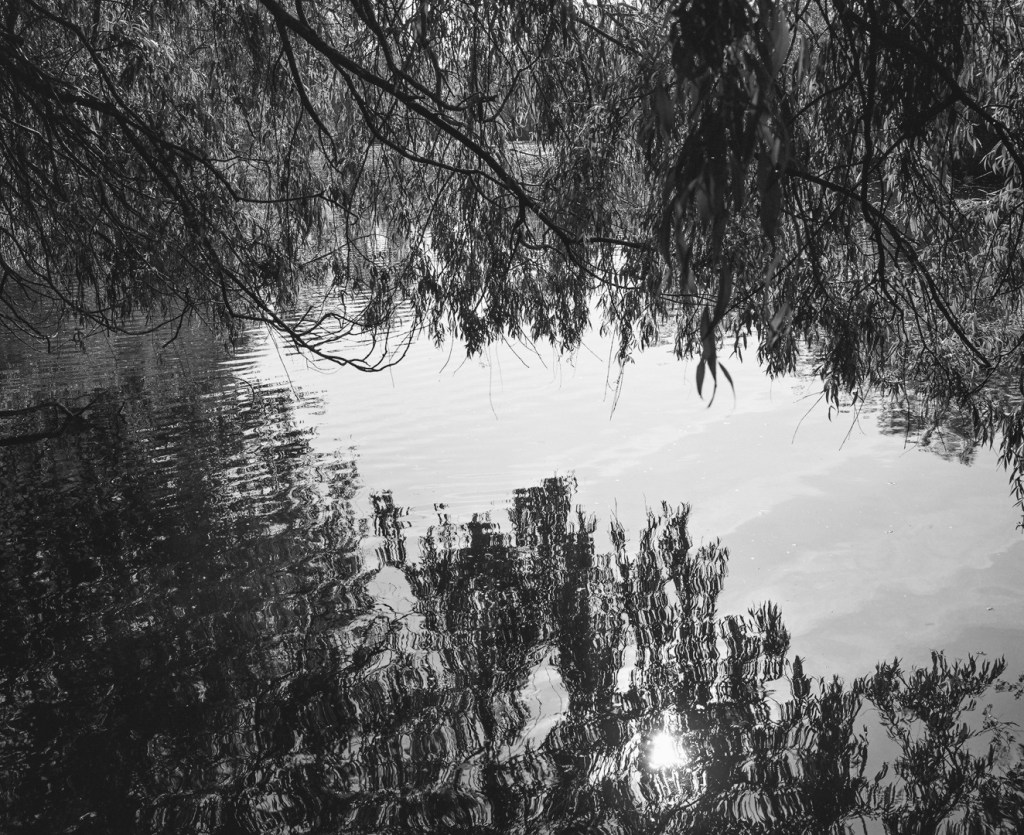
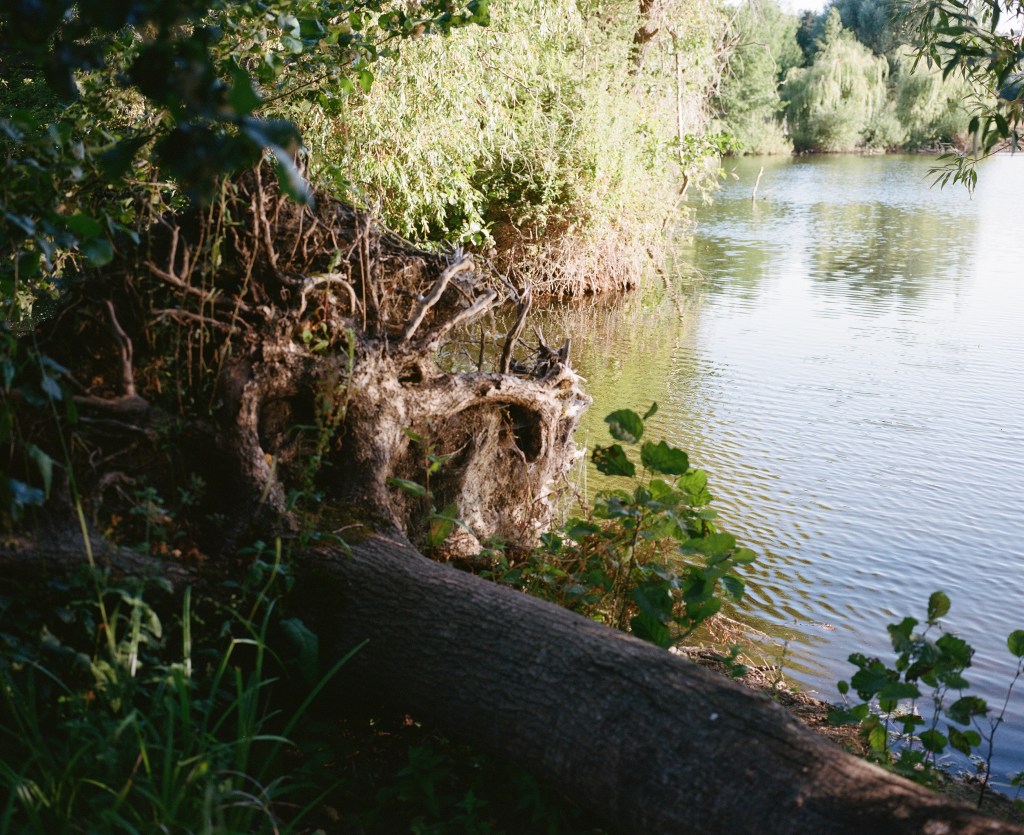
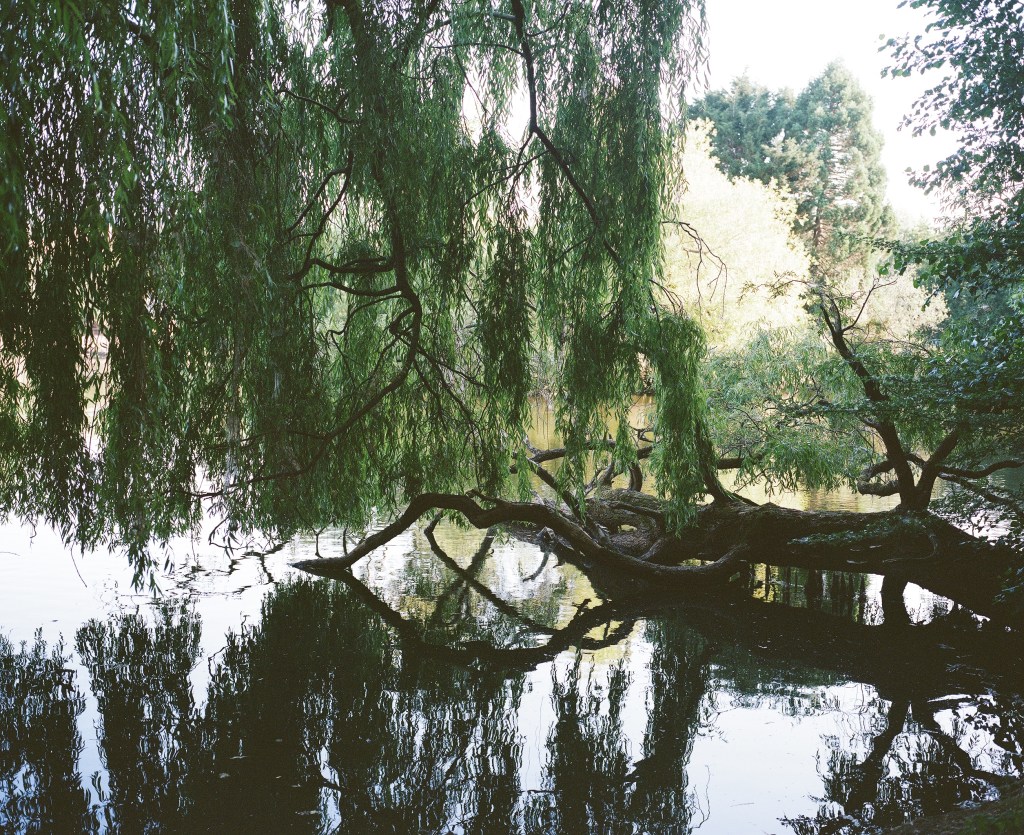
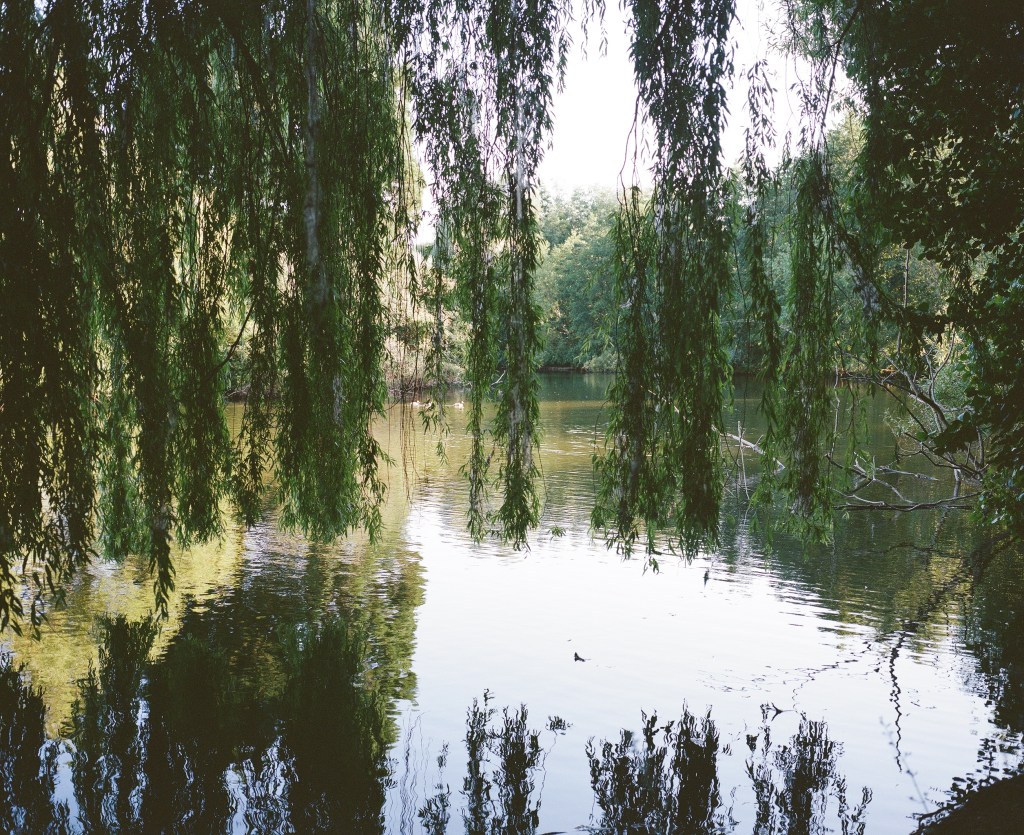
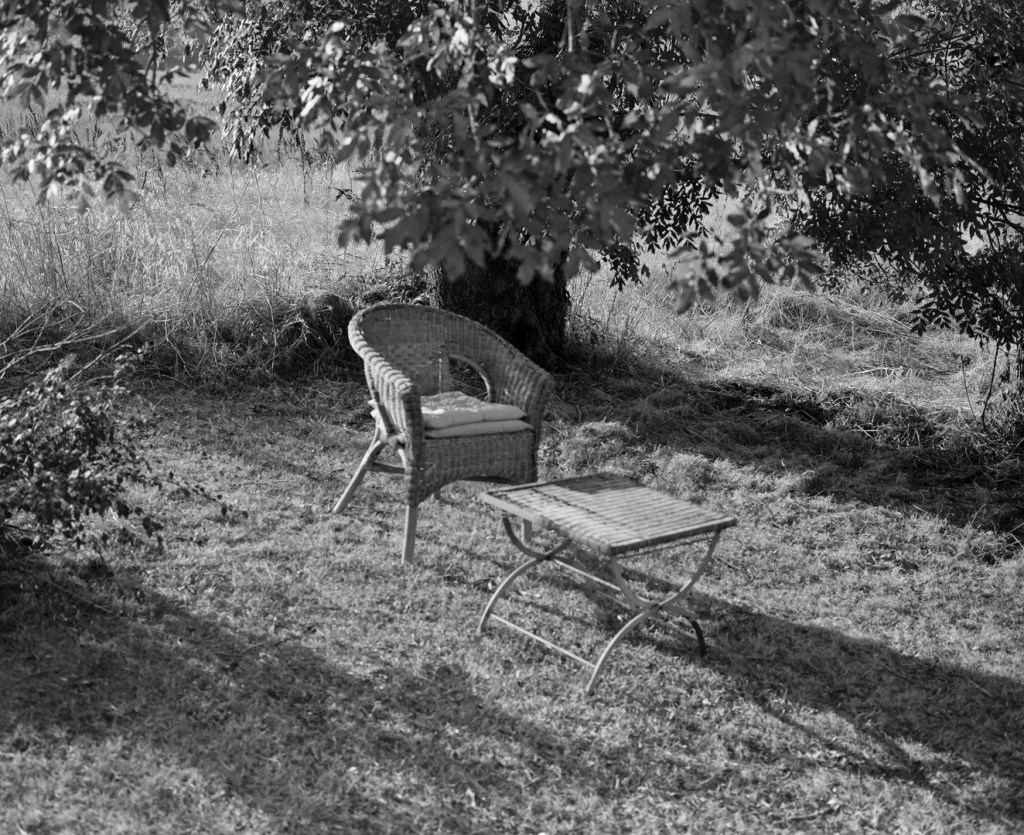
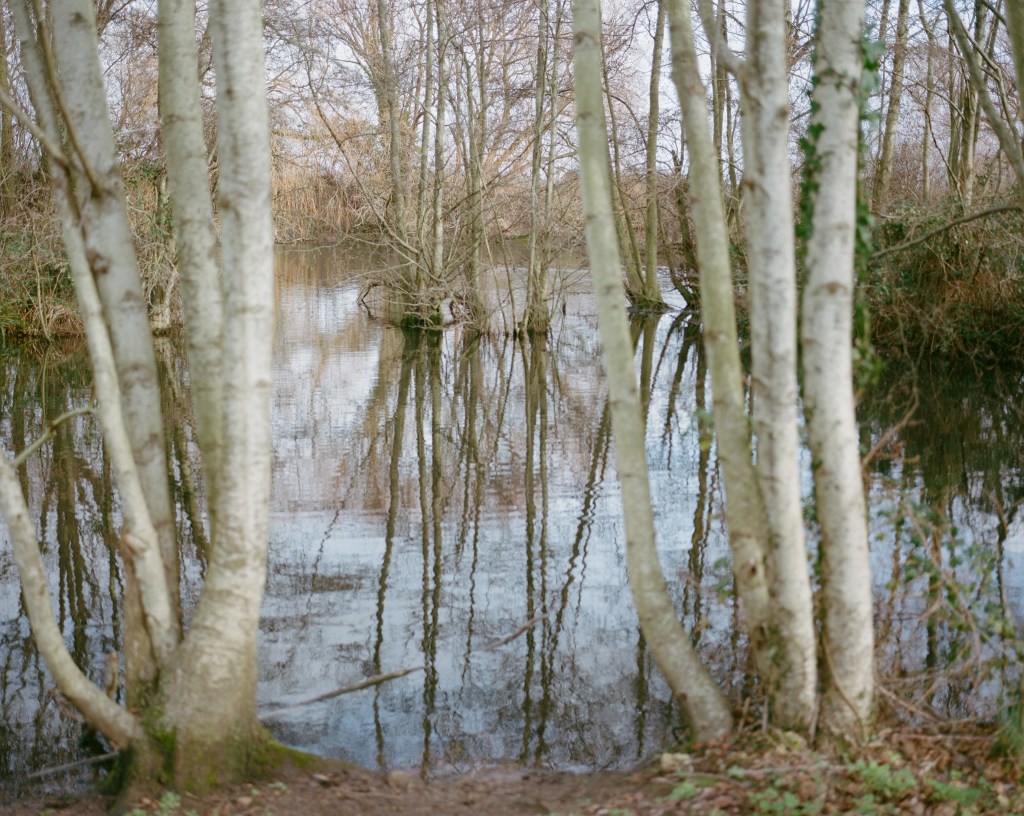
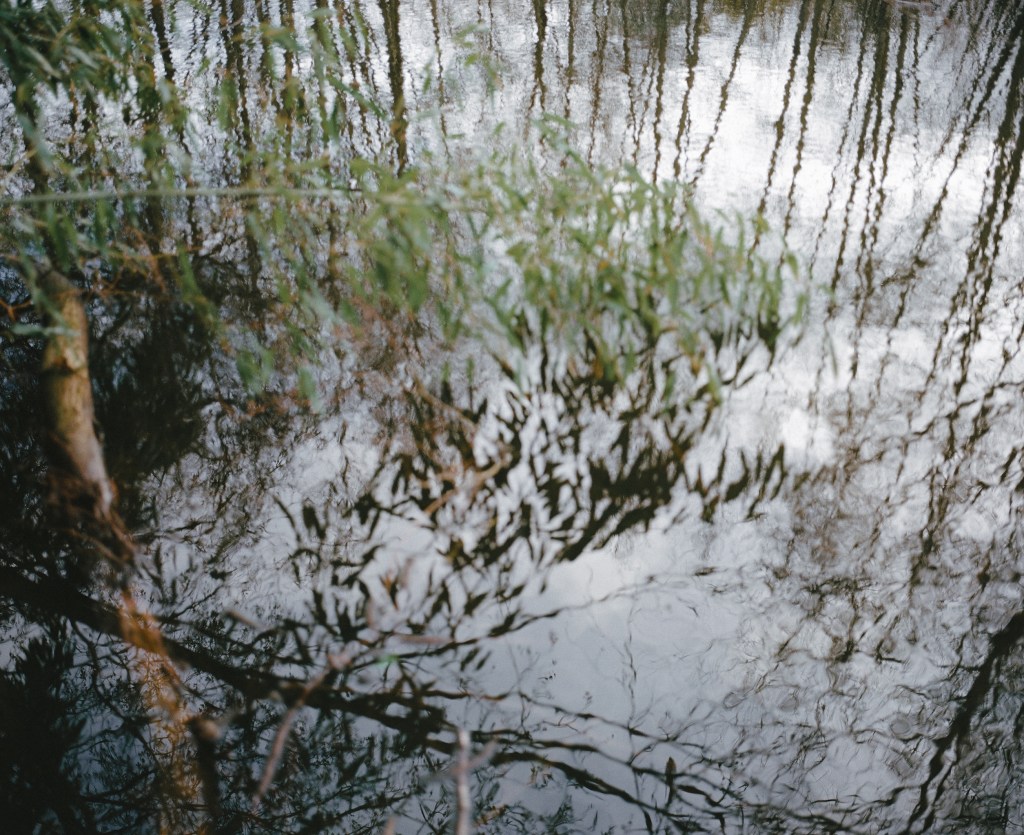
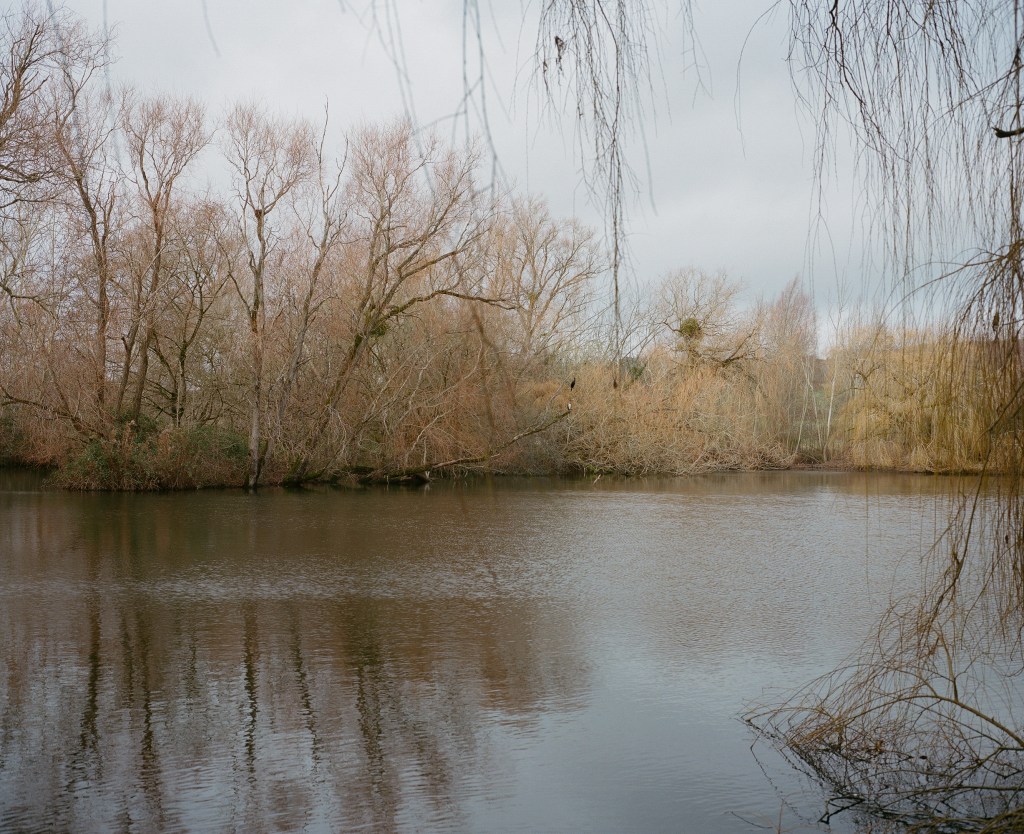
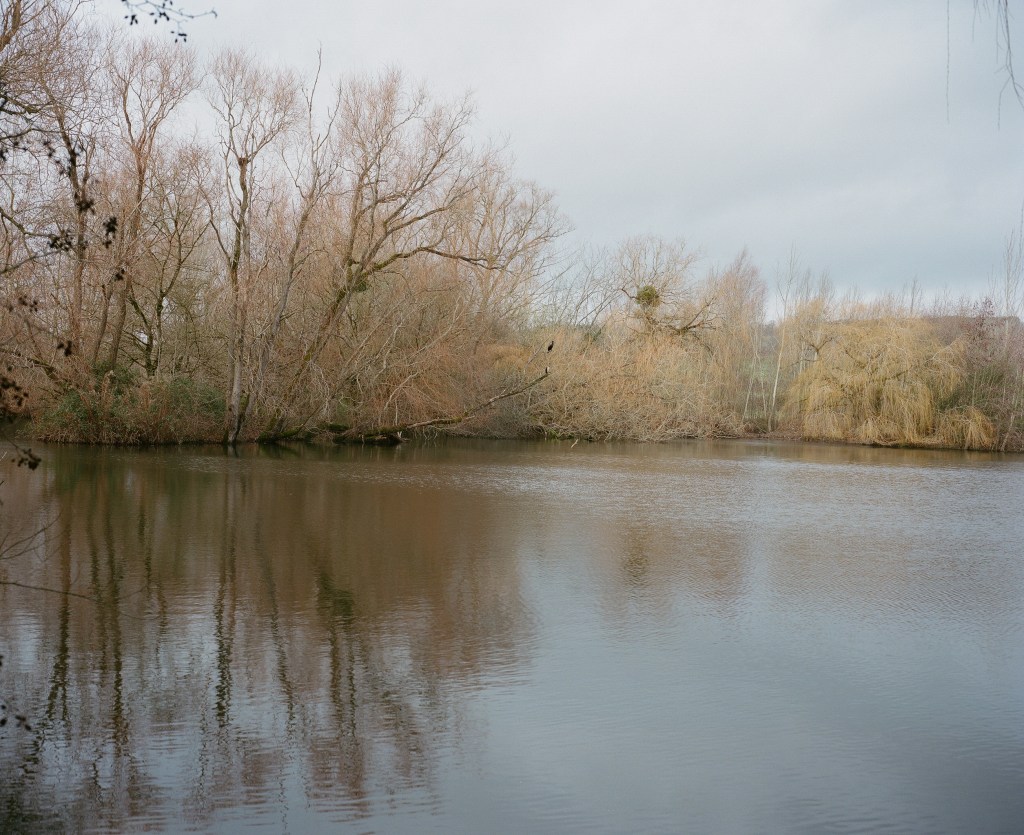
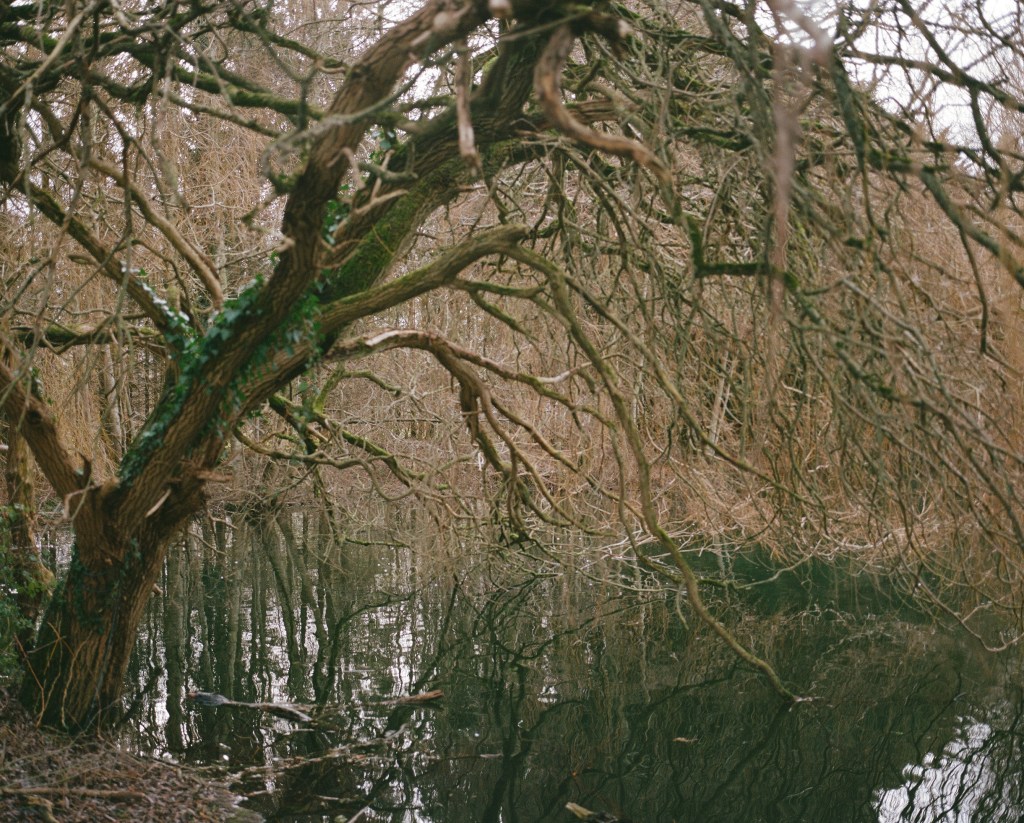
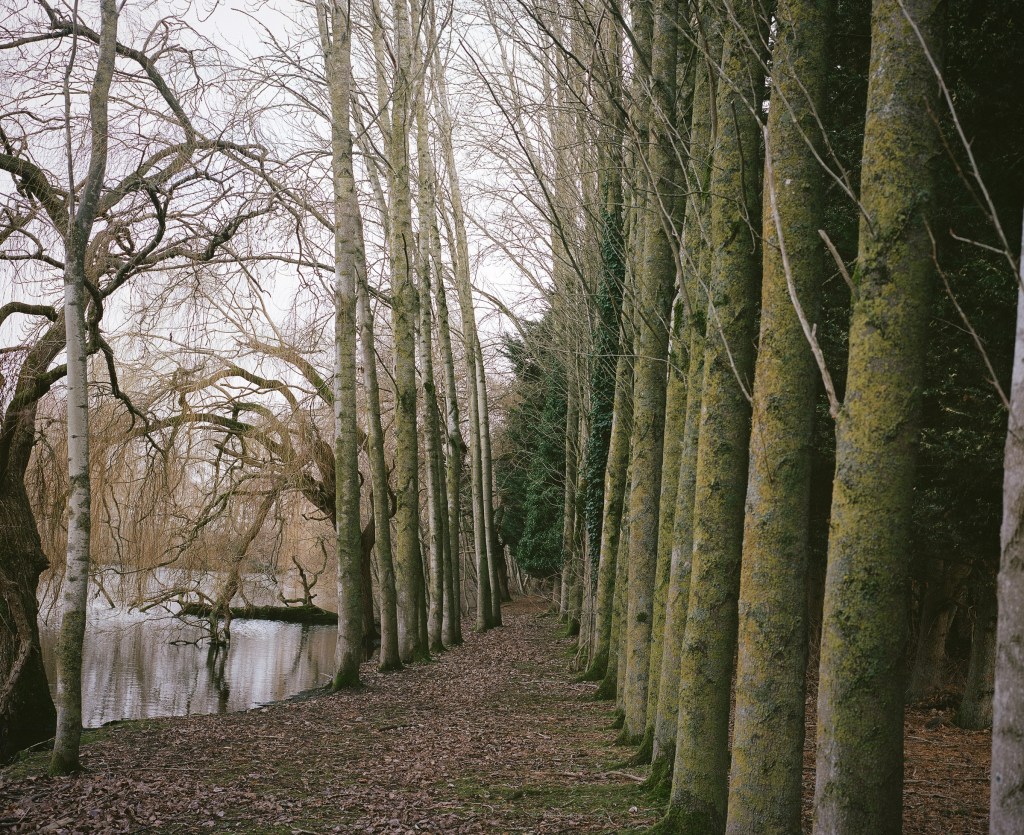
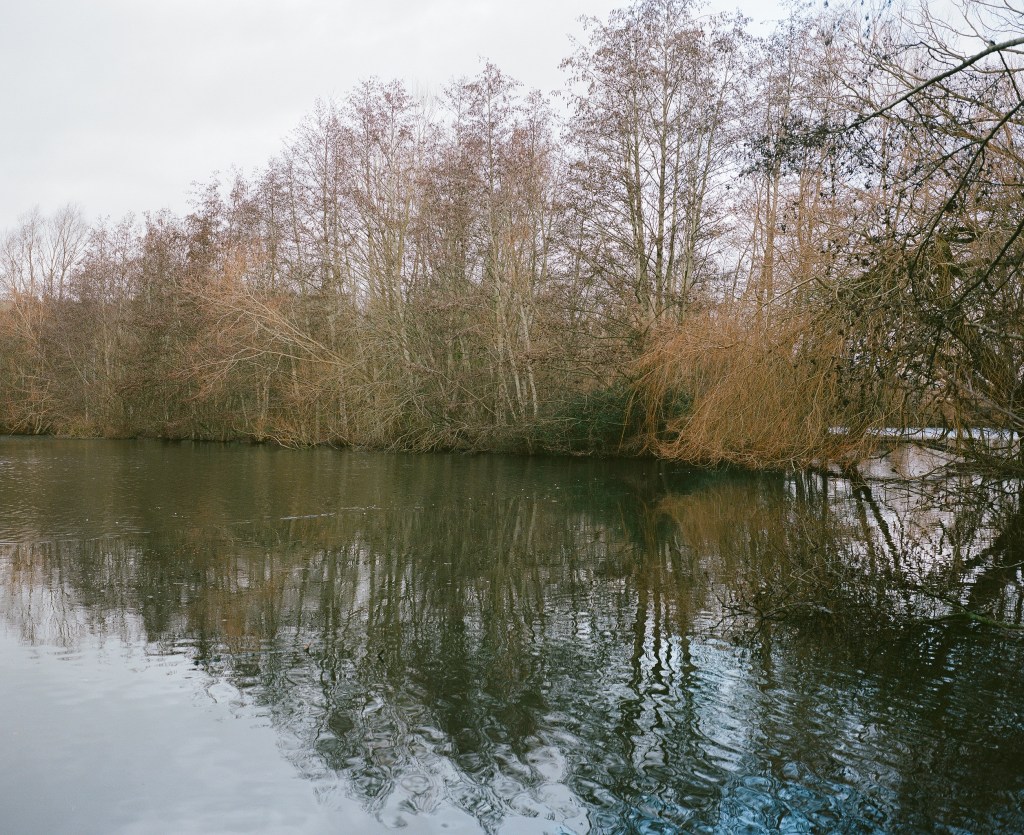
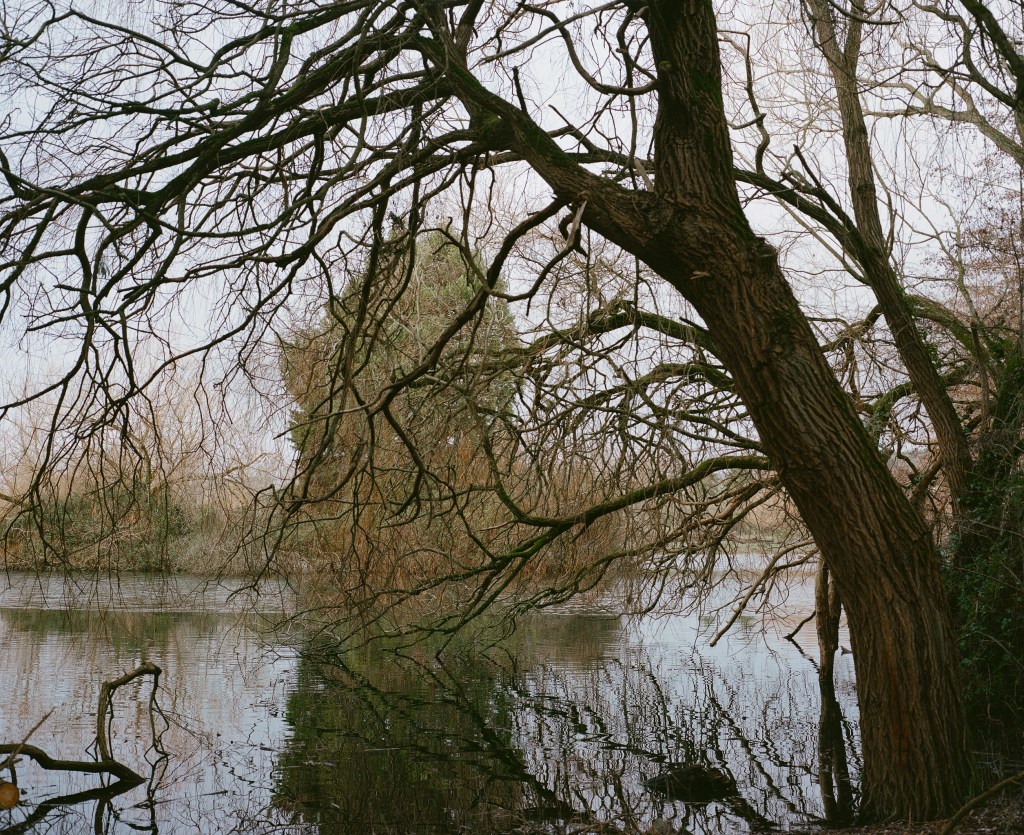
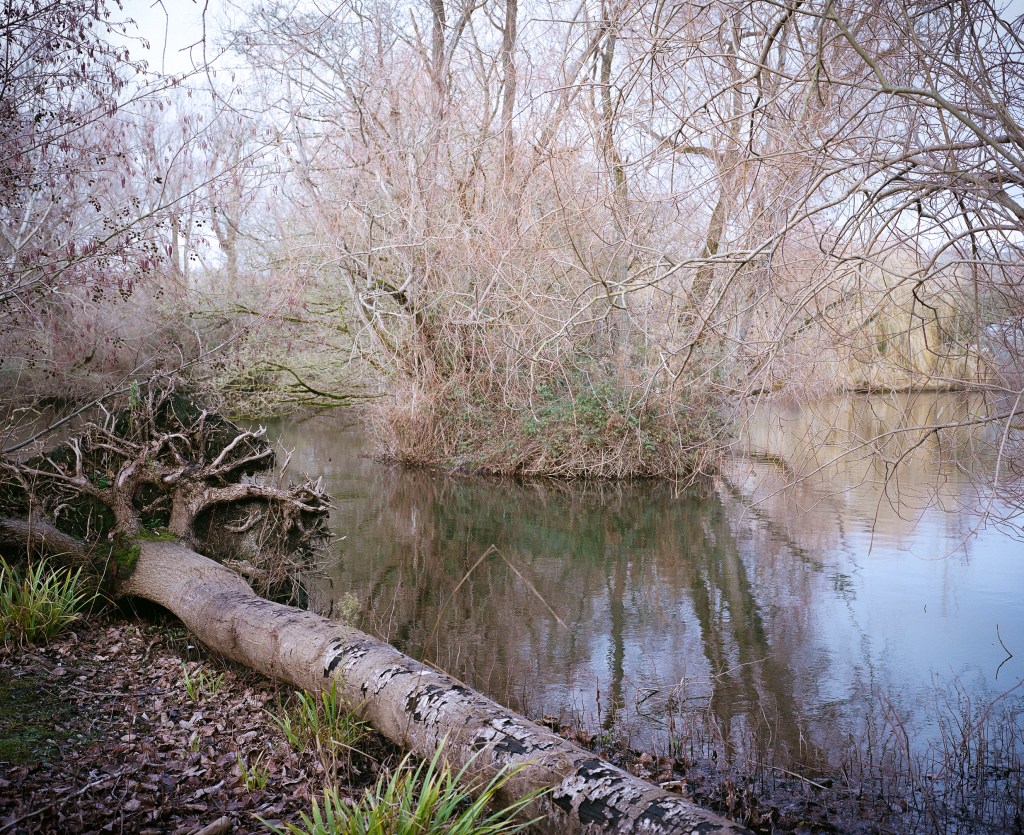
I photographed an area of the lake with 120 kodak portra 400 film, a few days into January just after the ice had thawed. Having decided to focus on using analogue images for my book, I wanted to have a wider selection of images to see whether I could have a balance of colour and black/white photographs to choose from. By this point, I had identified several areas of the lake that I was drawn to, so although I engaged in a walk, I had a preconceived idea about where I was going. I attempted to note down a few words as a sort of poetry. Having been influenced by Mary Oliver’s nature poetry, especially her ability to say as she see’s, I wanted to practice this. I am not sure I want to use words alongside my work, I will most likely make a late decision on this!

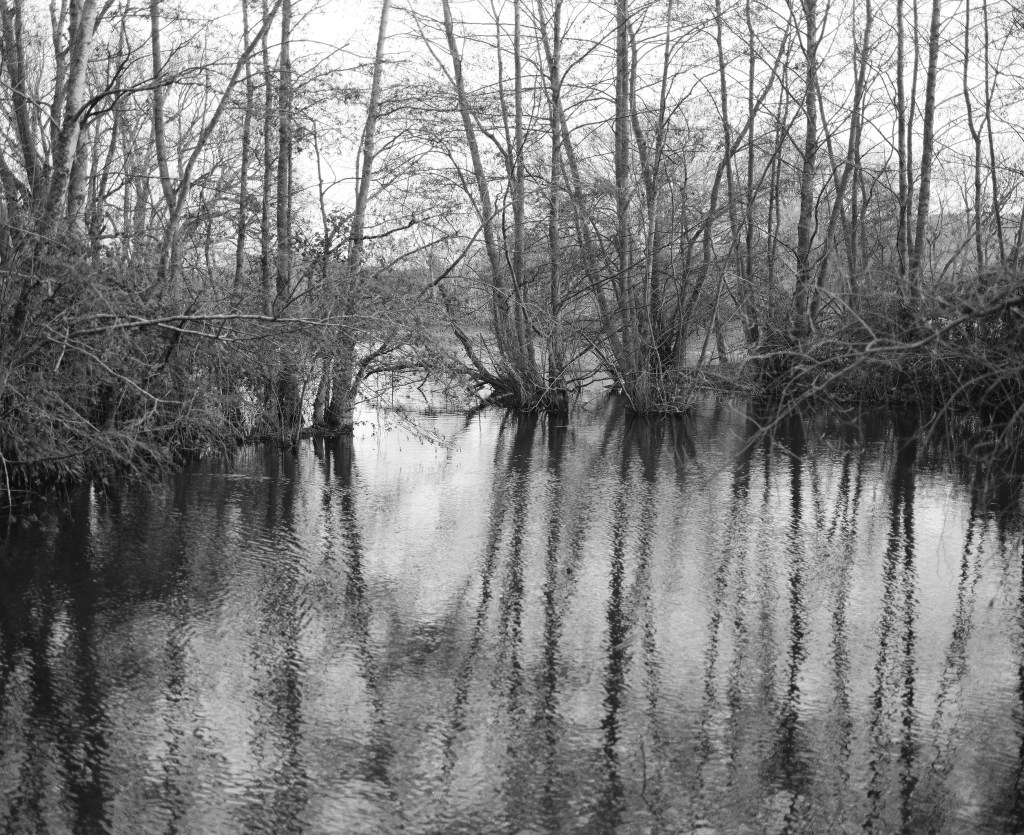
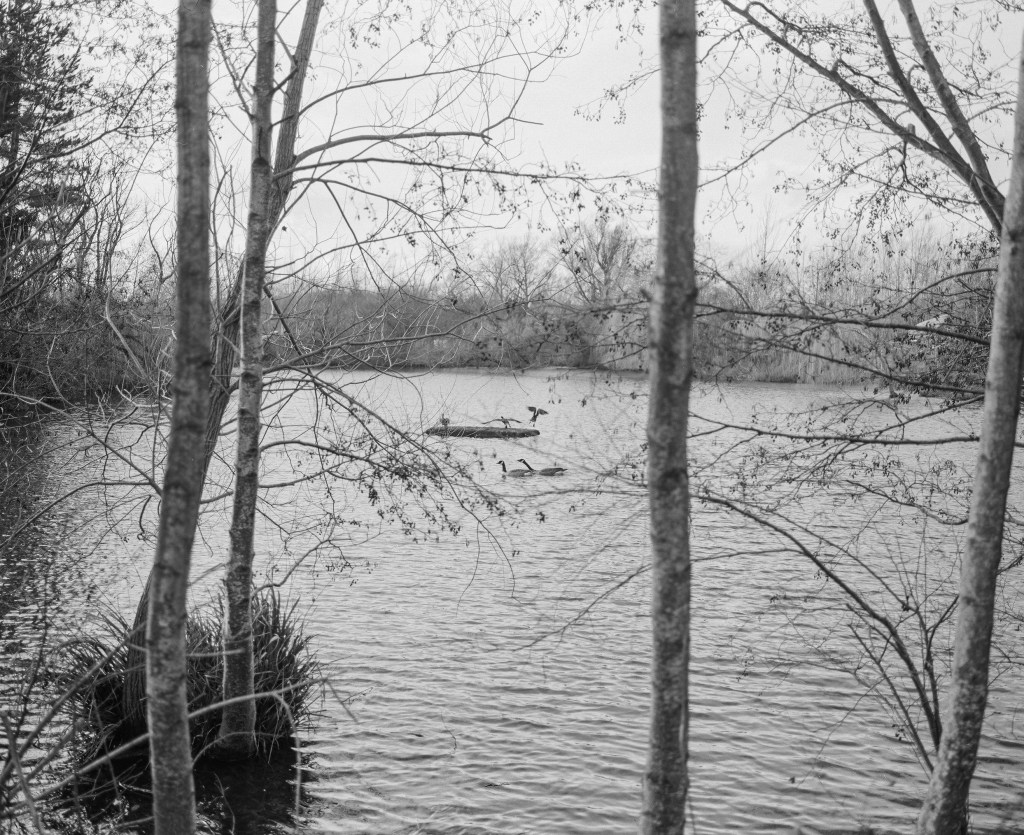
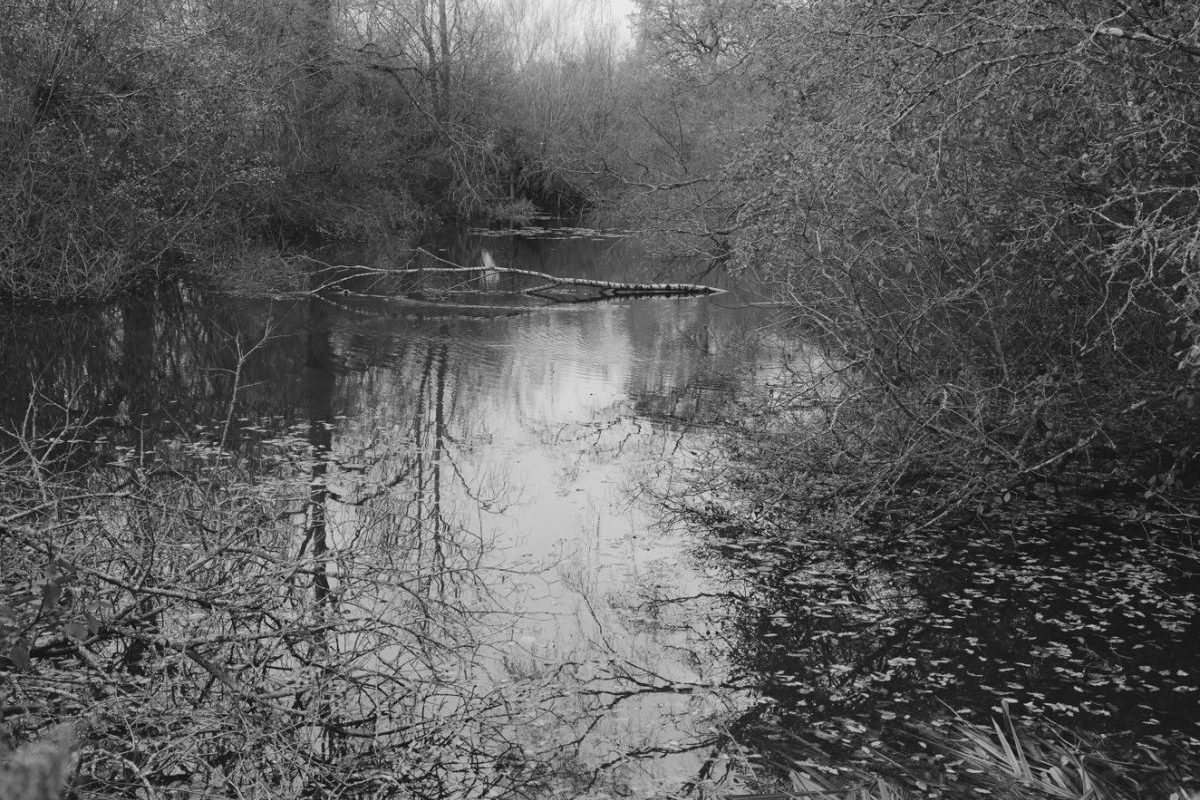
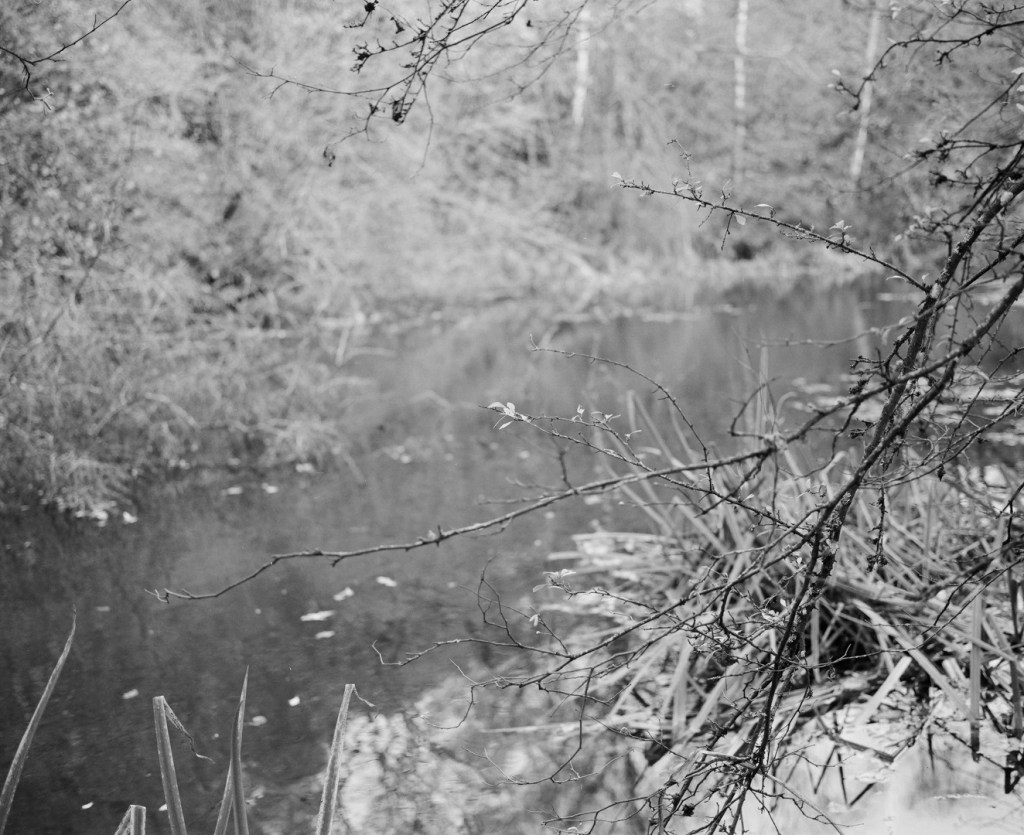
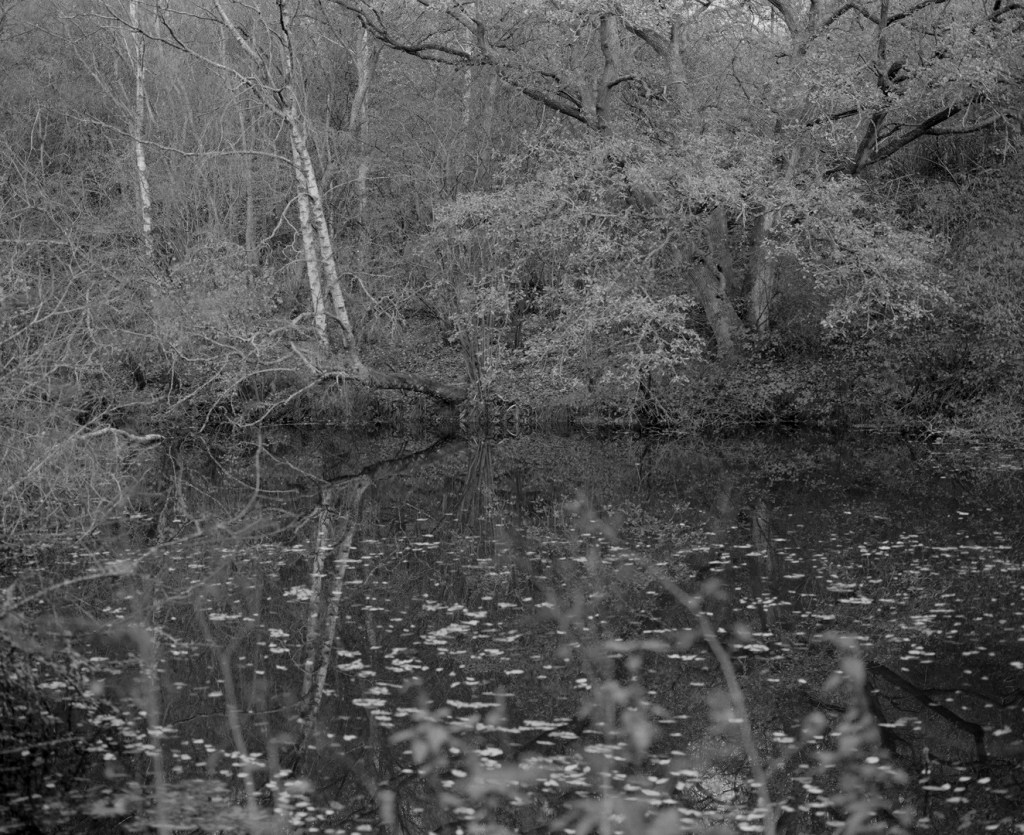
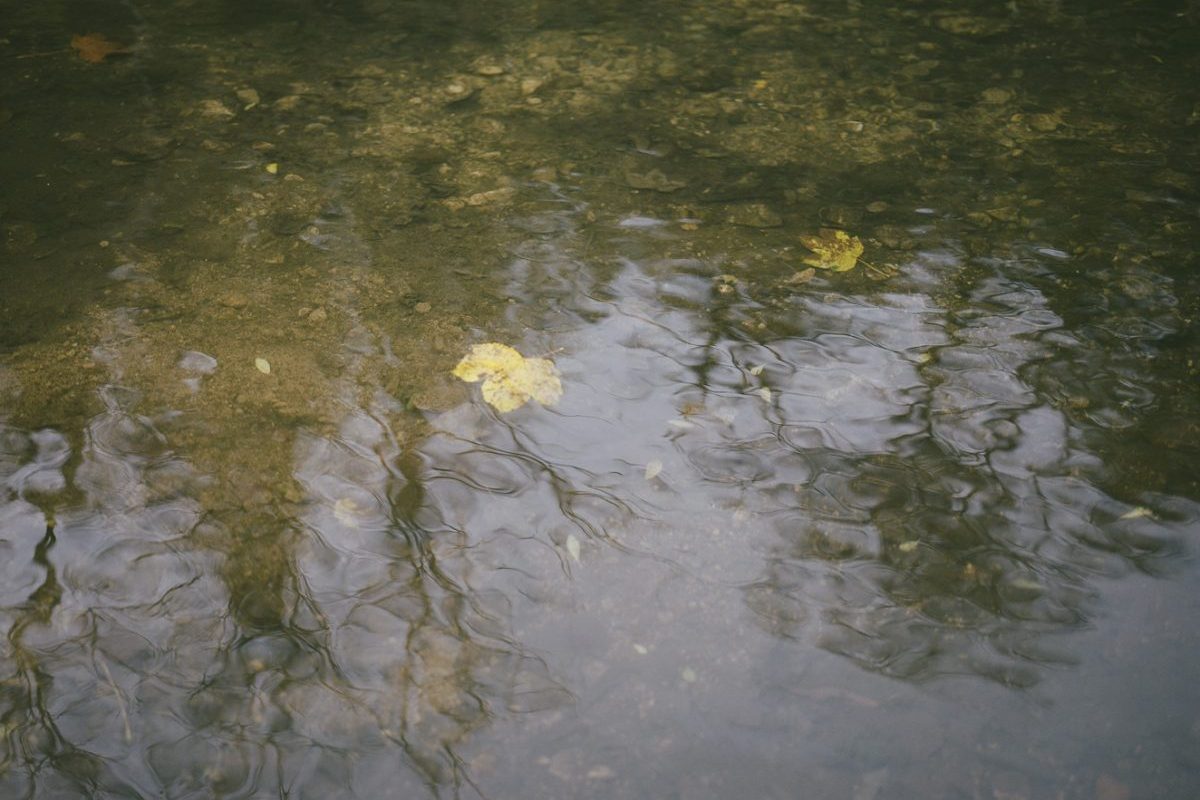
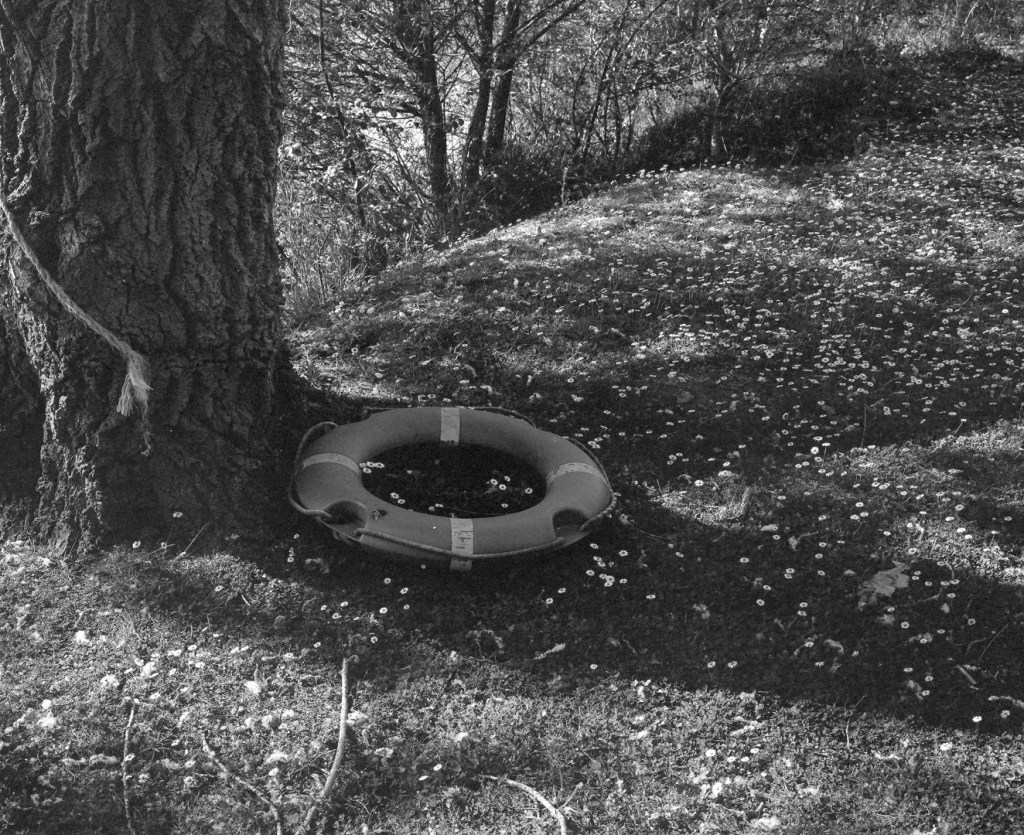
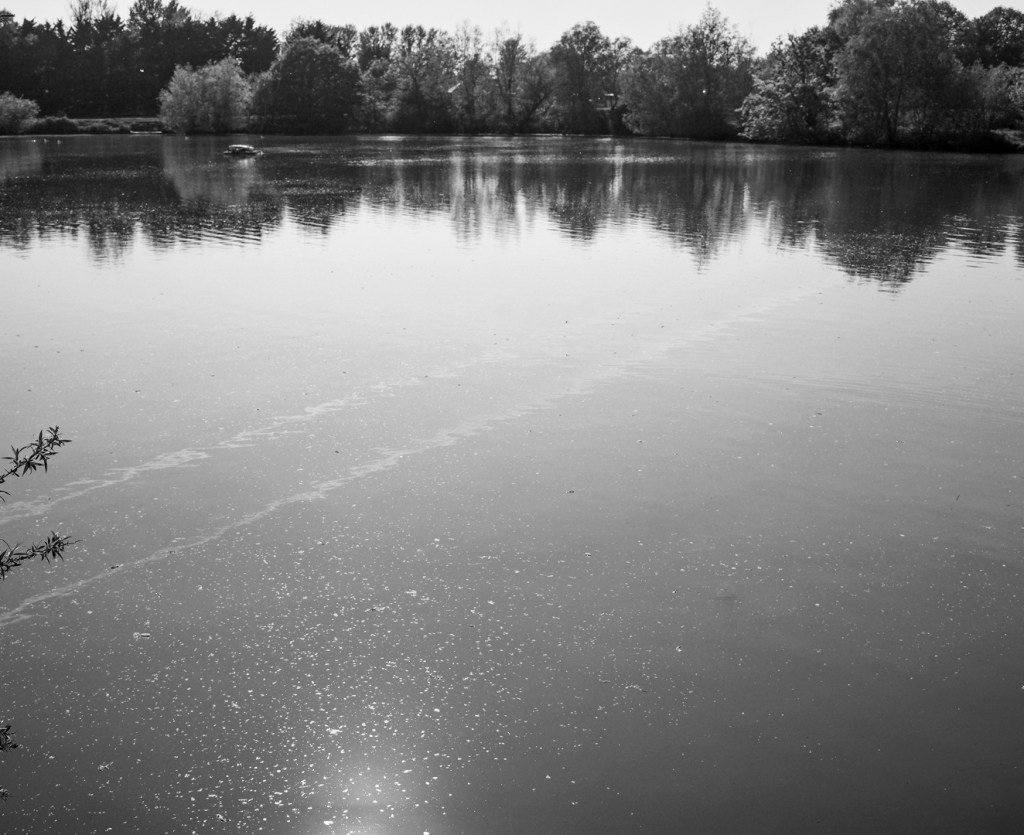
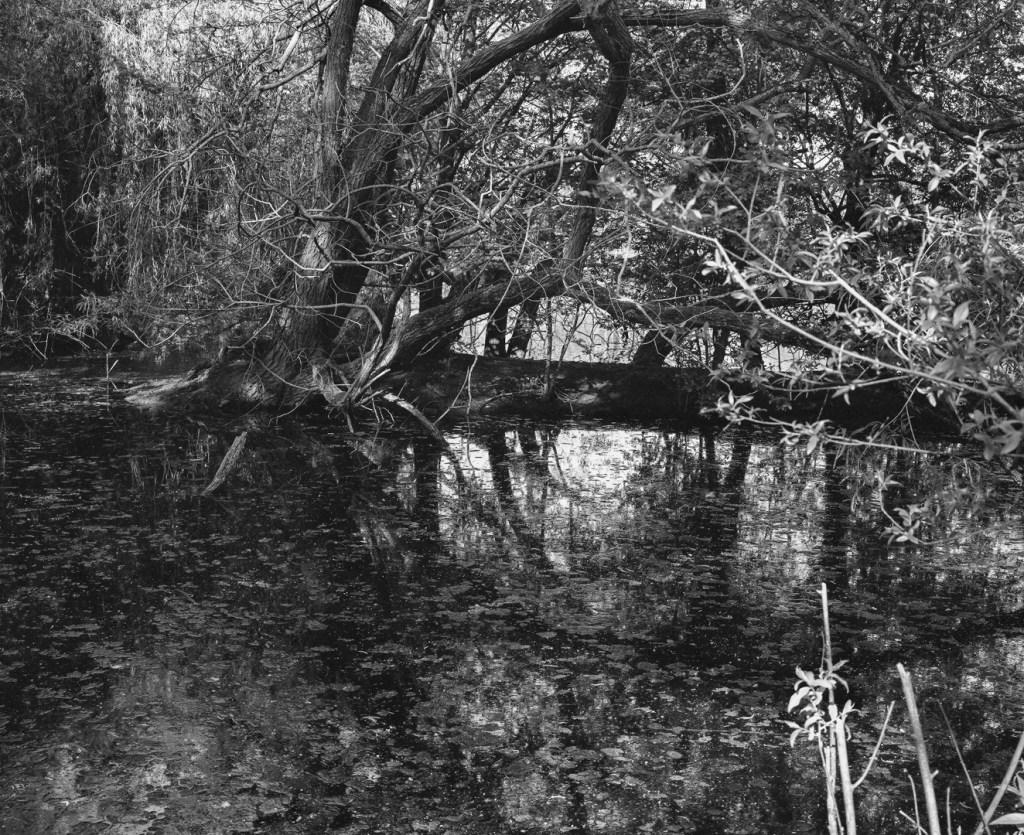
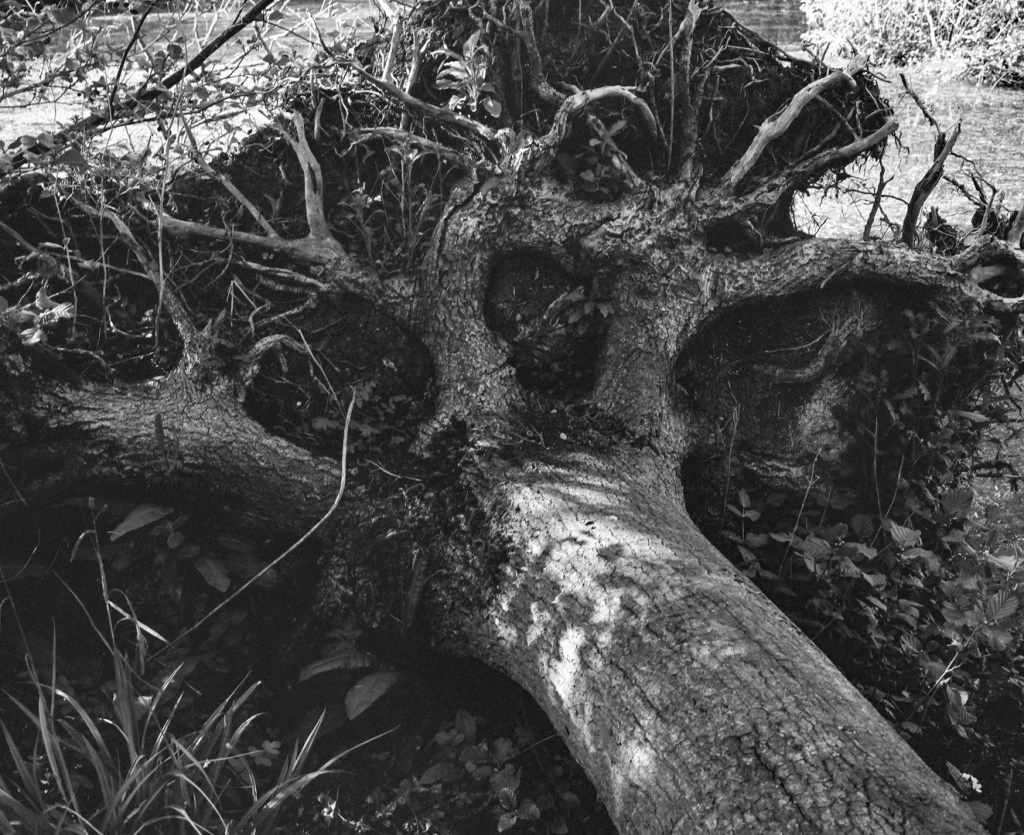
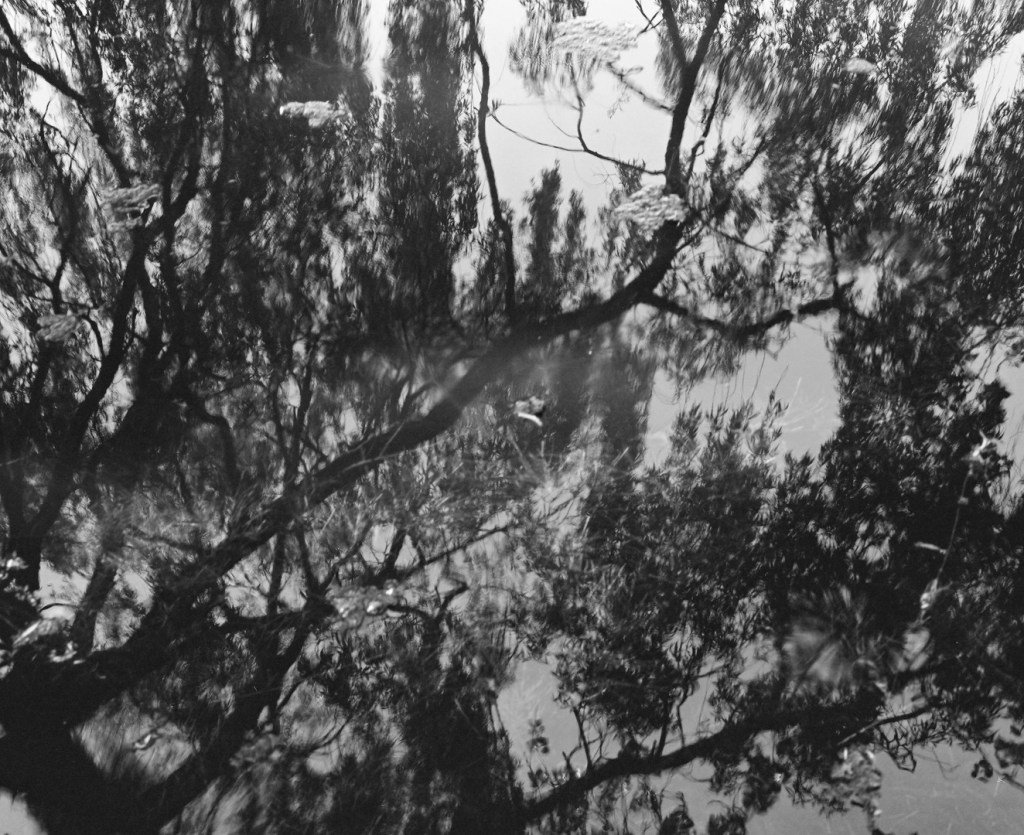
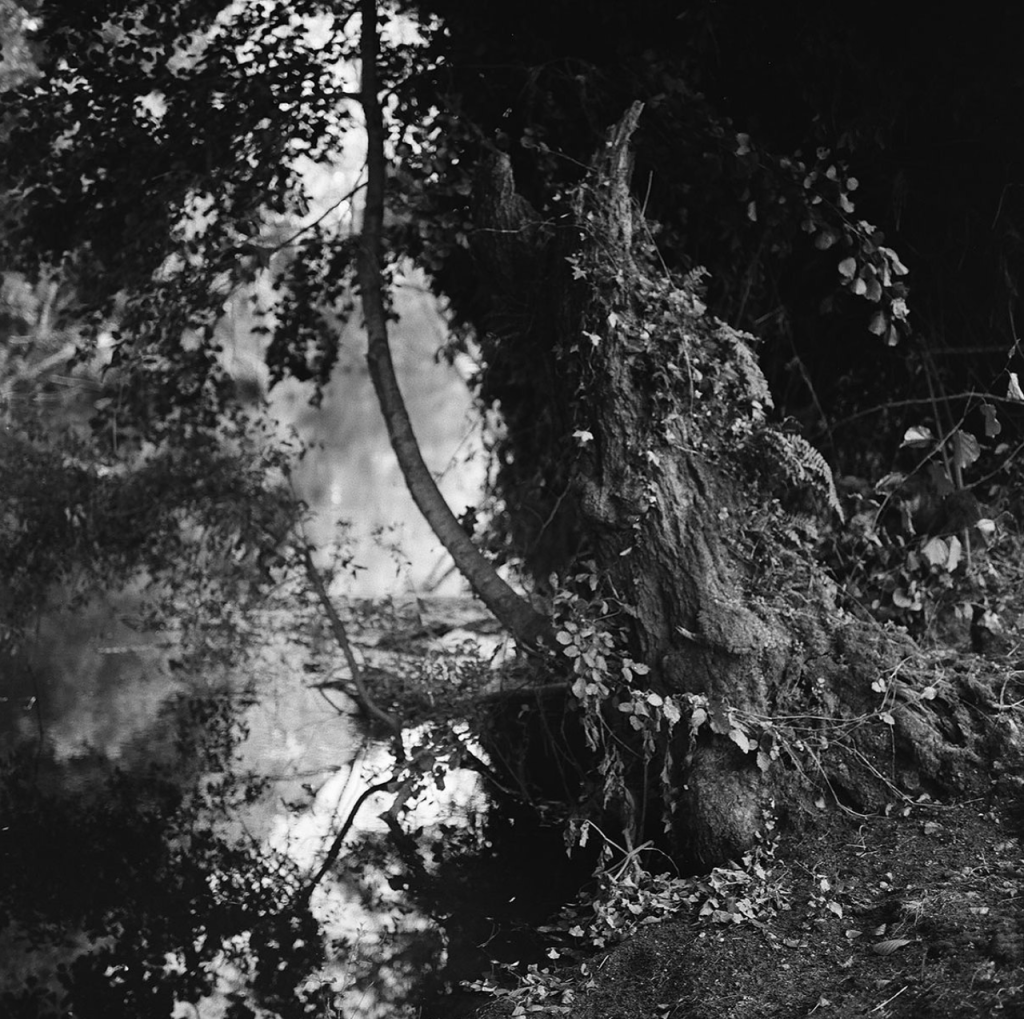
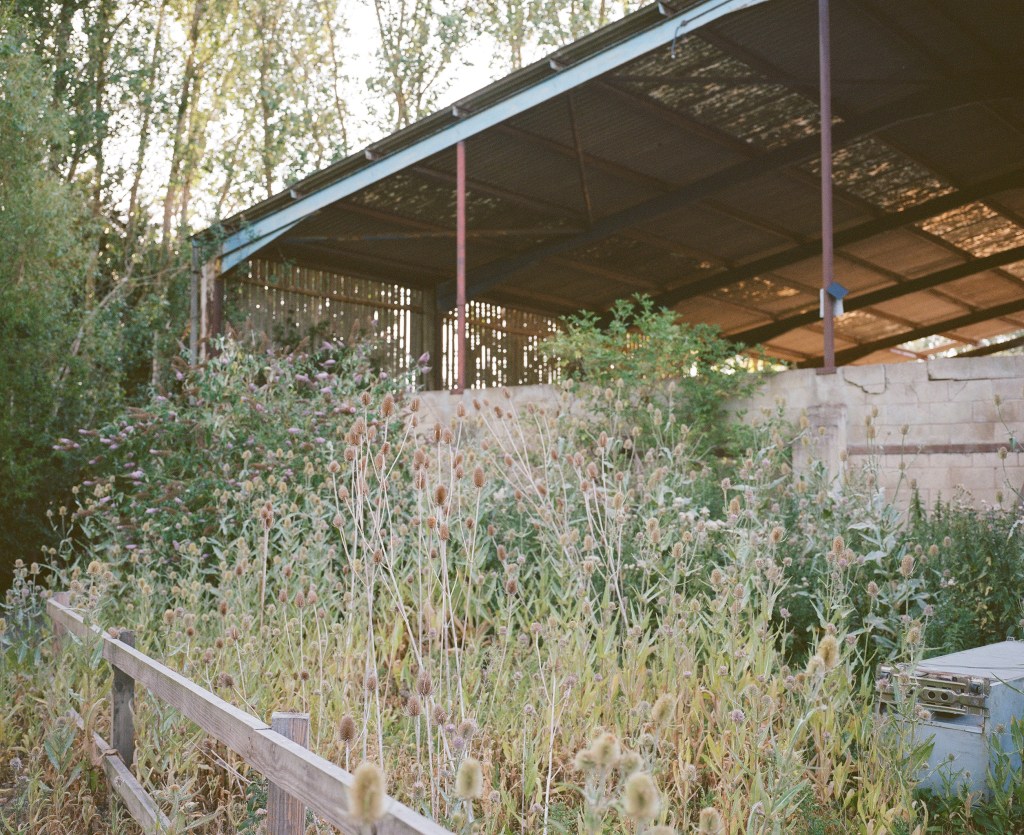
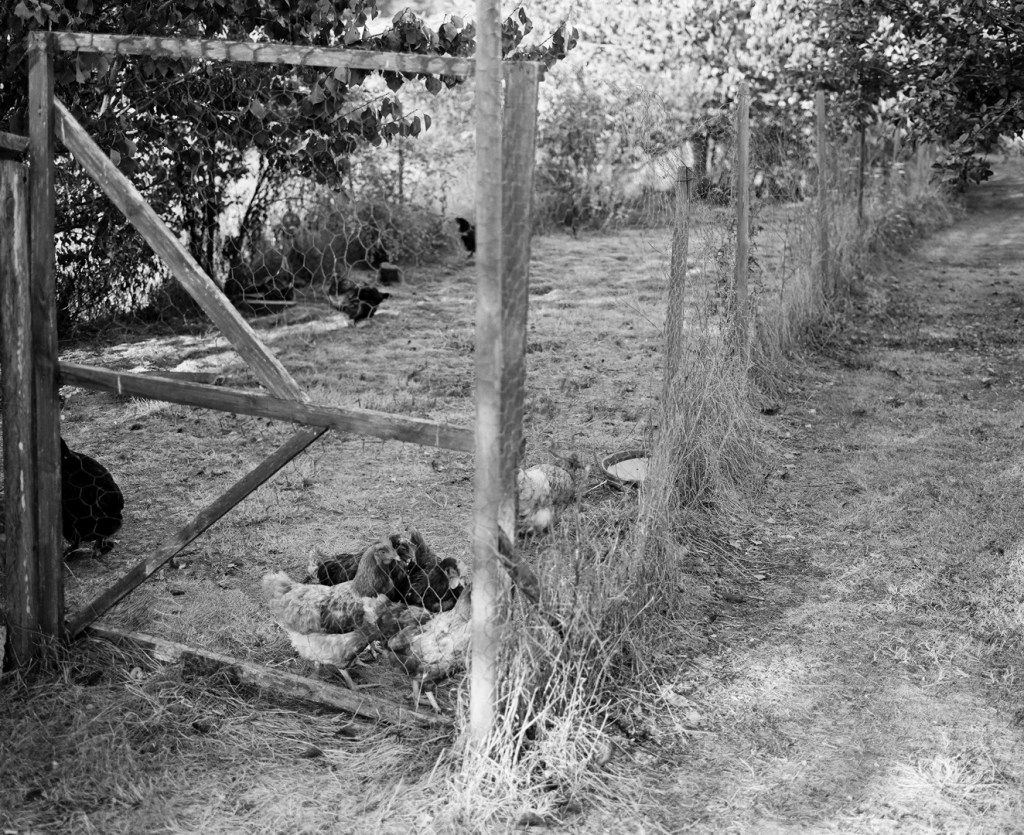
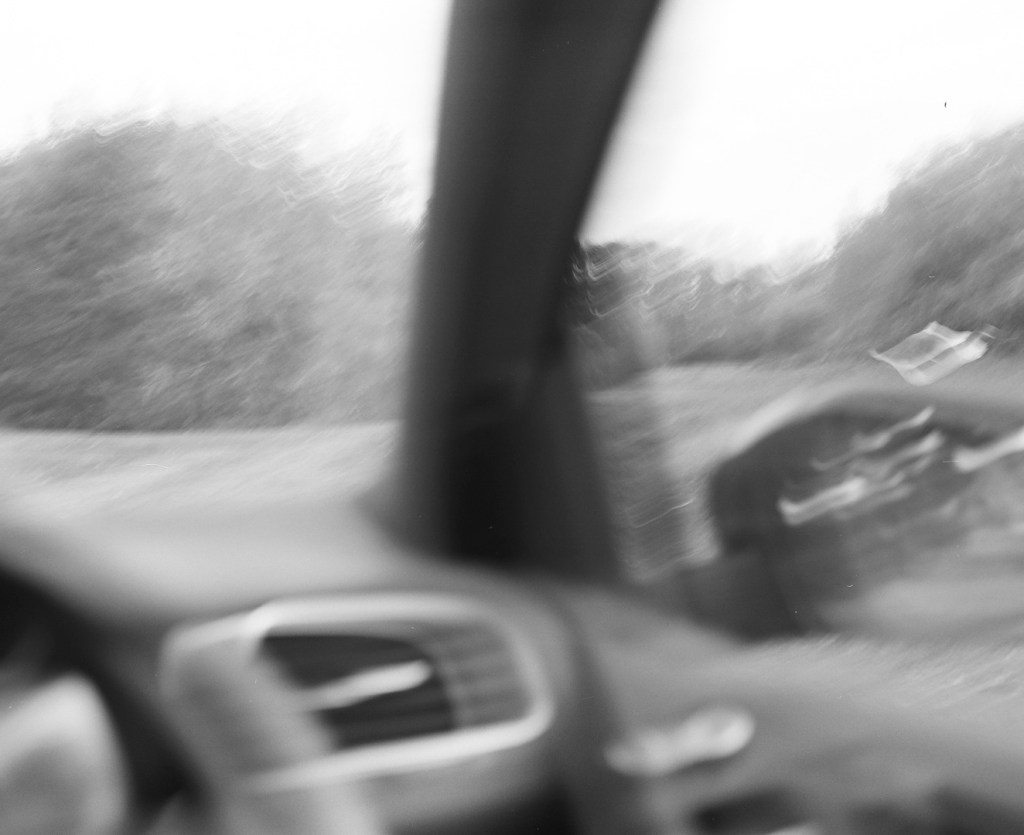
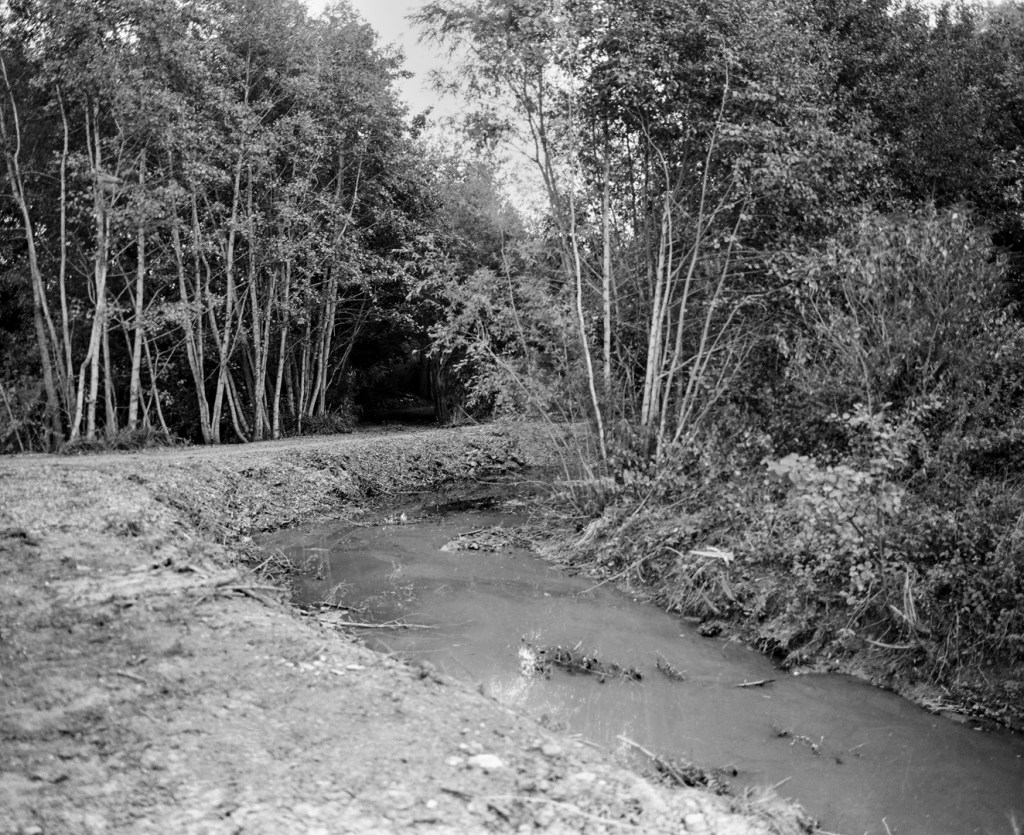
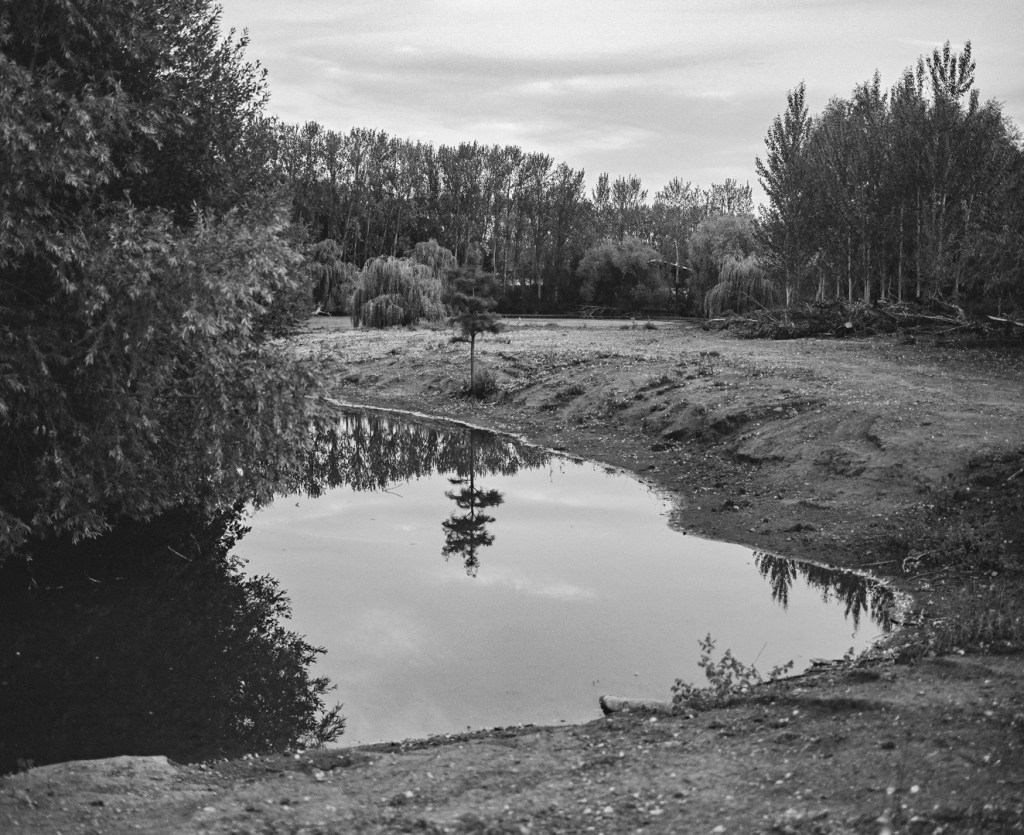
These photographs will be included in my book. The first & third photographs (reading top left to right) are particular favourites, I like their abstract nature as this fits with my theme and at the time, I was instinctive in my shooting. I didn’t think too much about framing or outcomes, I just spotted something that appealed to me, somehow carried some meaning for me and took a photograph.

The film itself is ideal for my subject. The colours are soft, a little too green in places but I think there is a good balance of tones throughout. The shoot was earlier in the day, compared to much of my work and it was a flat, dense cloud overhead. The film choice is quite forgiving I think. These could print well, I am excited to see how they will sit alongside my black and white photographs.

My first attempt at a short poem is below. I have added all of my poems on to my blog post: Exploring my theme in more detail

The leaves fall, dancing down into the depths, floating, descending
light flickers on the surface in perfect rhythm
as if to applaud their final show

Original images can be found here: 7800 IMAGES

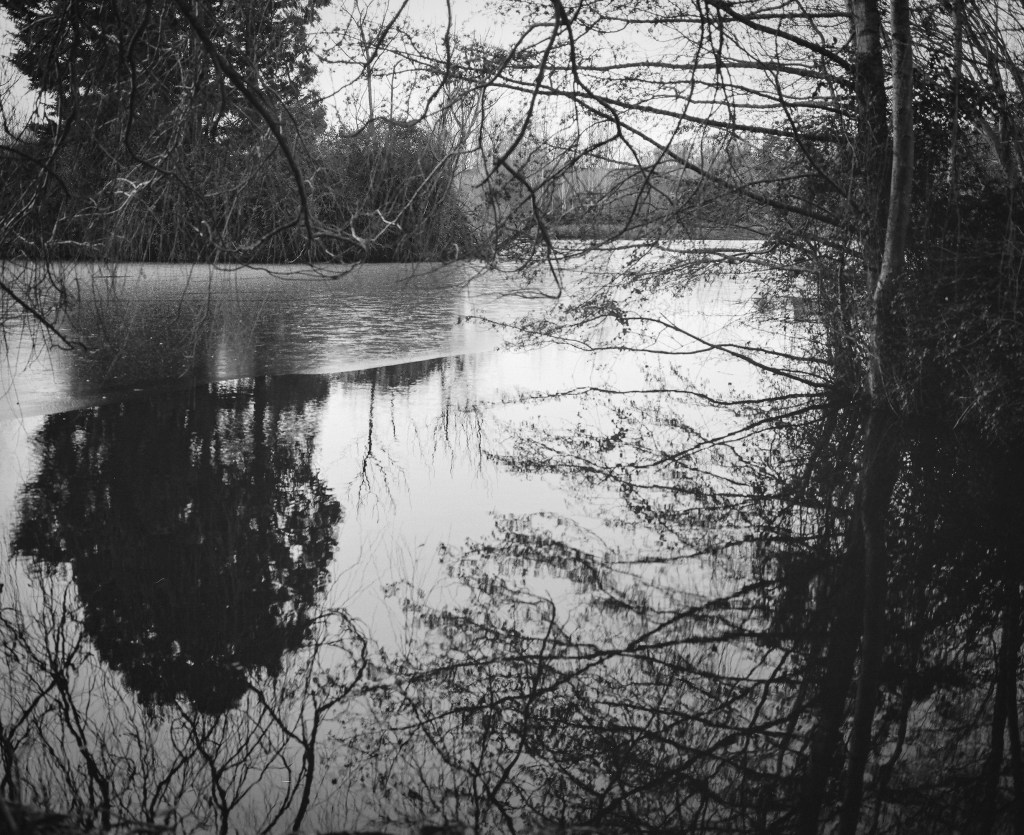
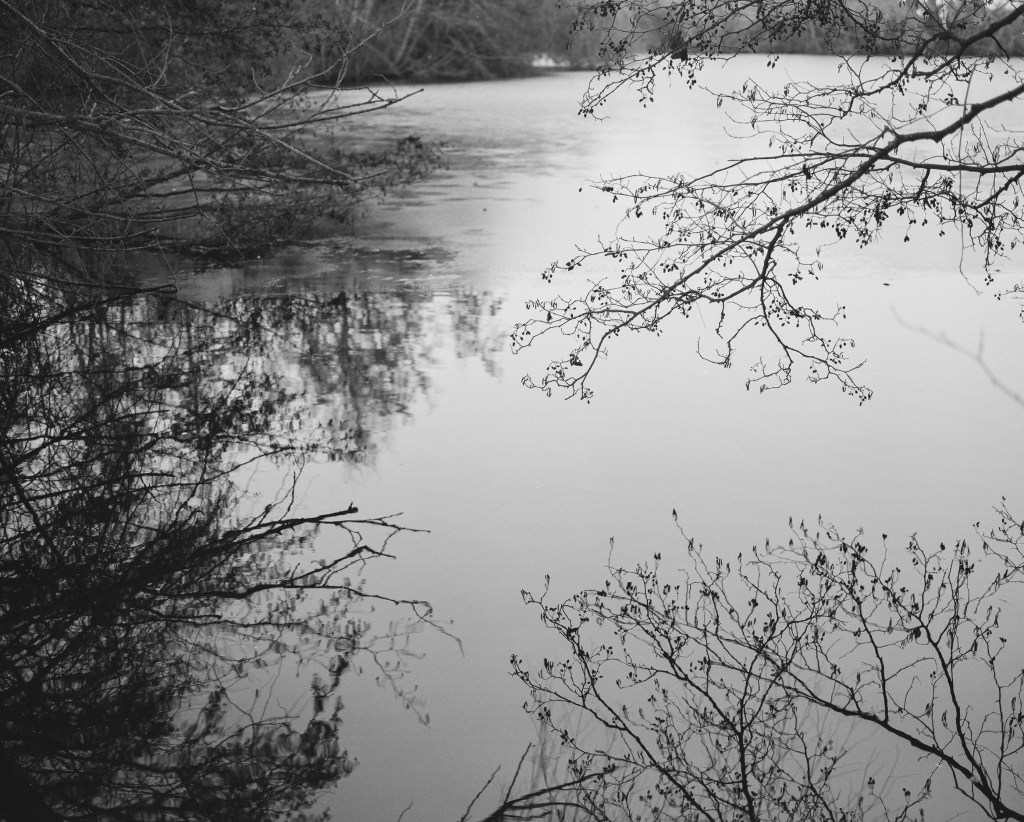
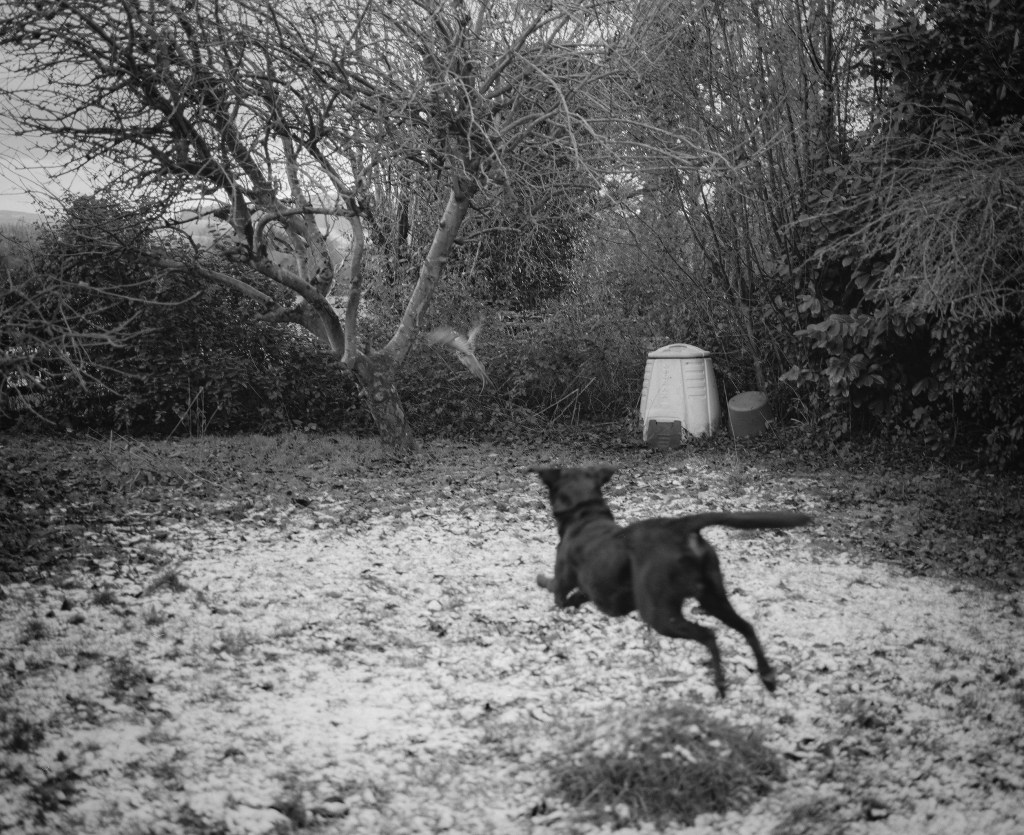
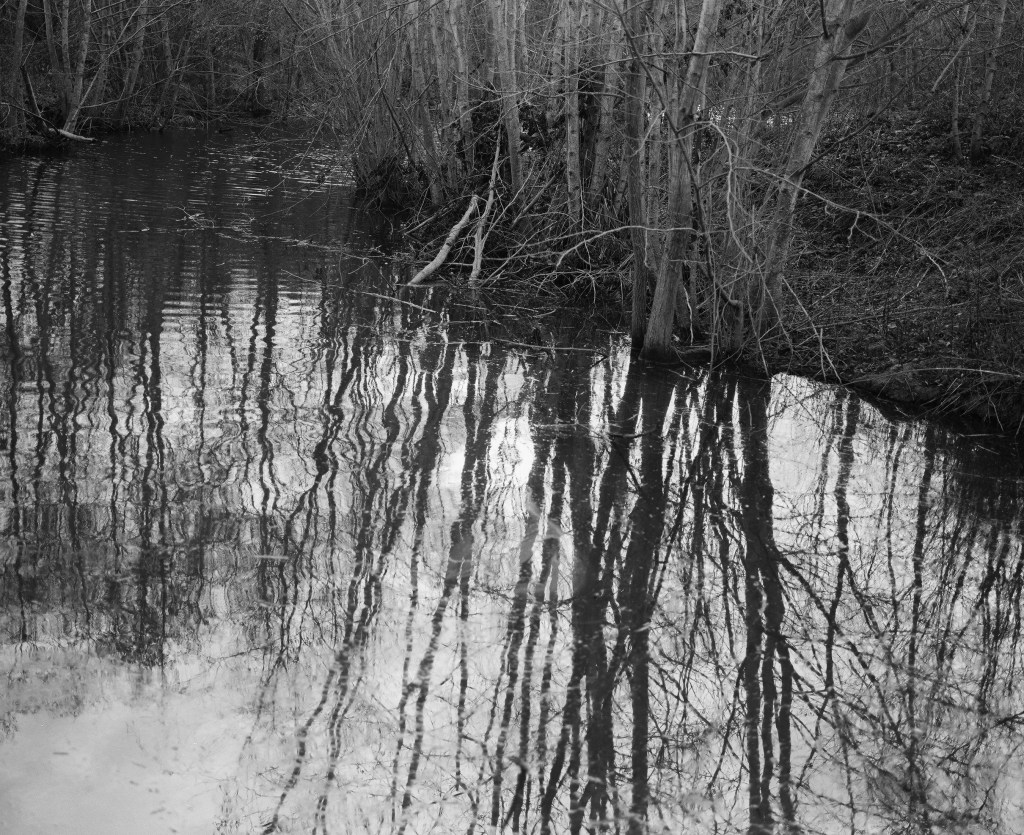
Dacha shoot (analogue B&W) 3rd January 2026

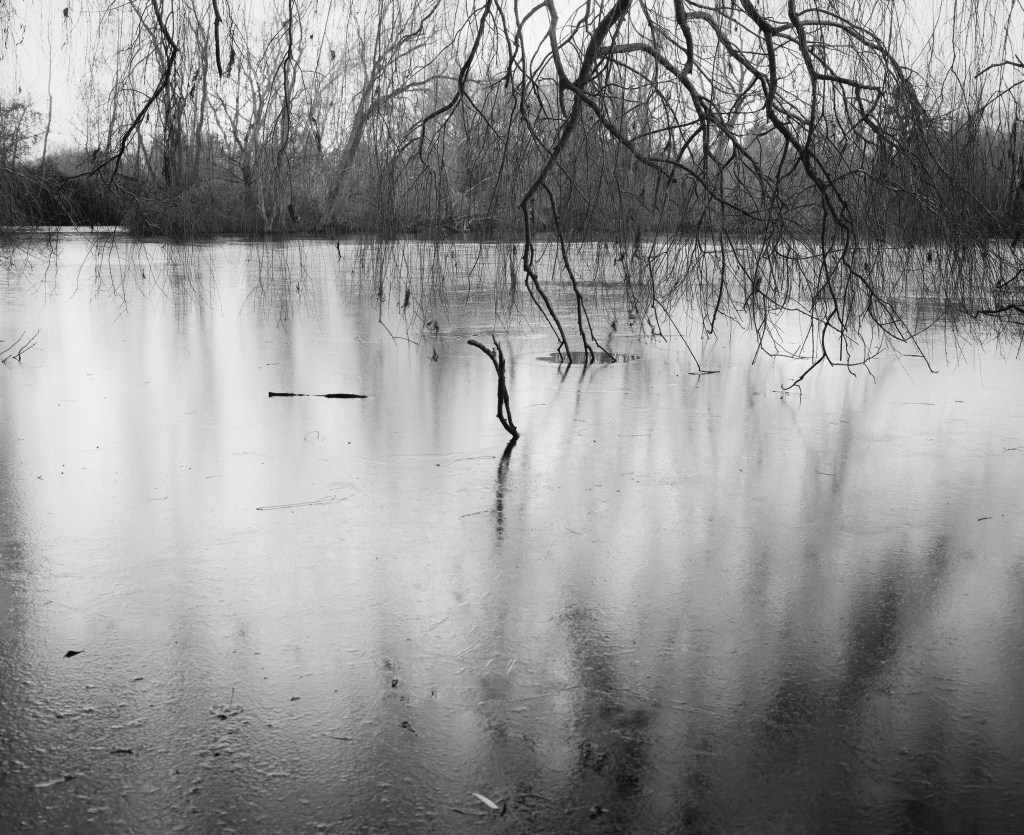
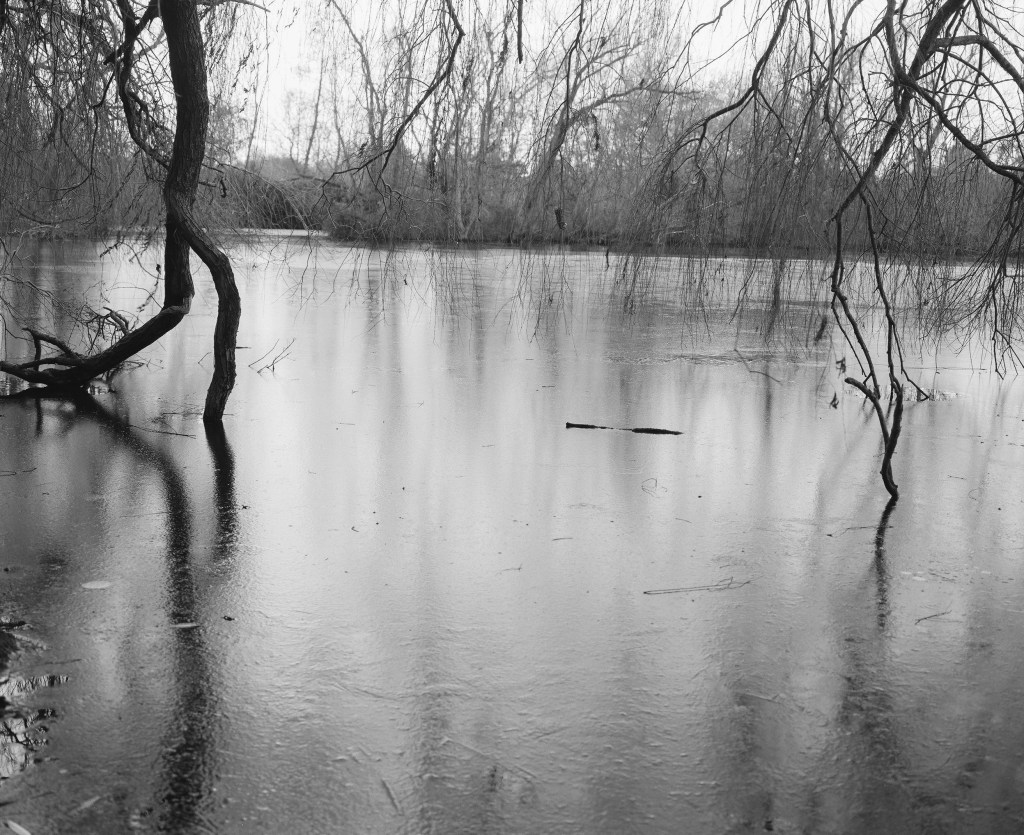
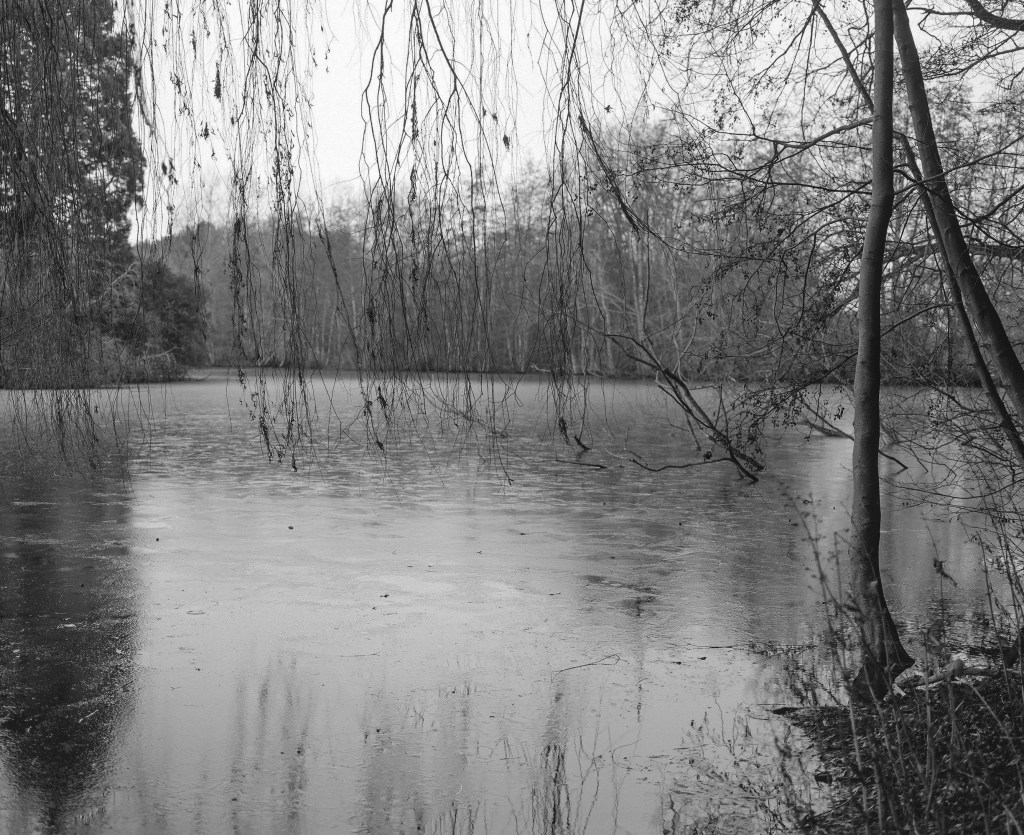
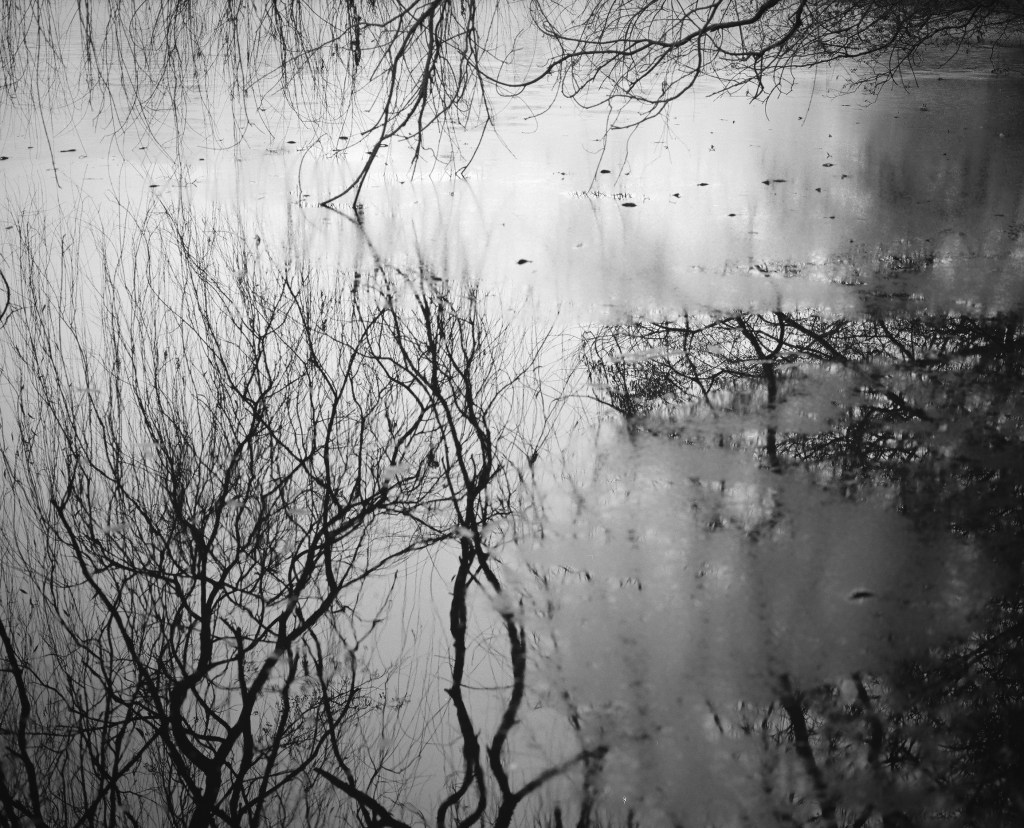
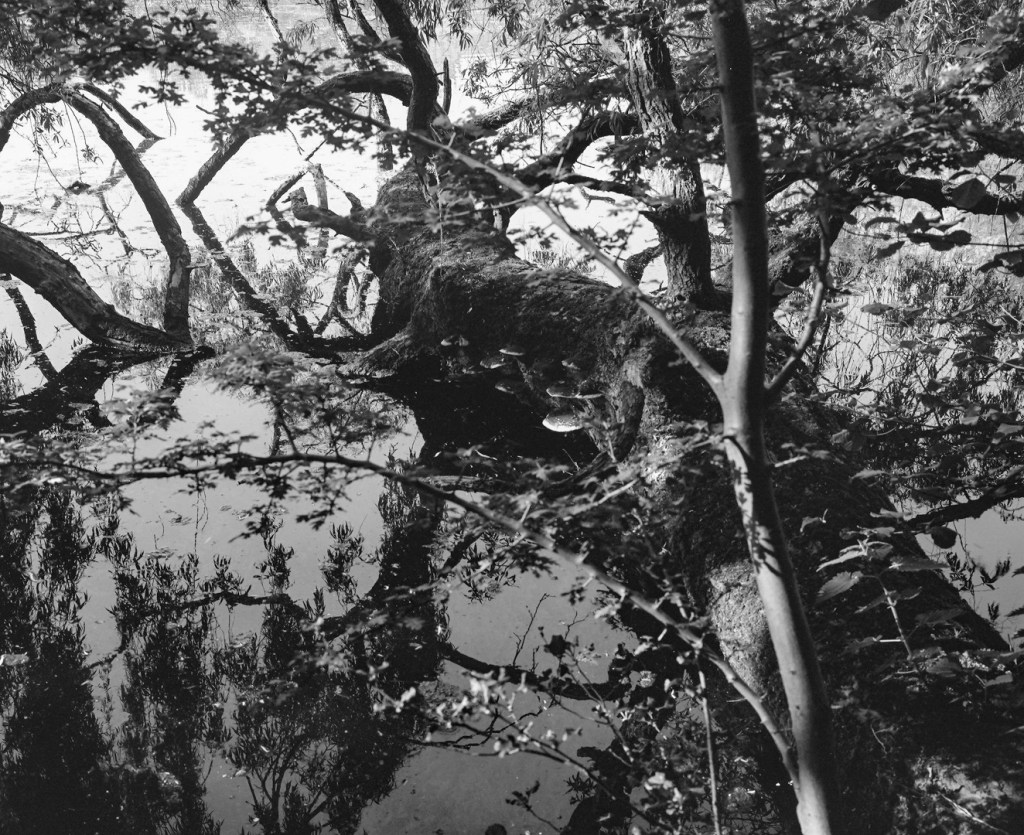
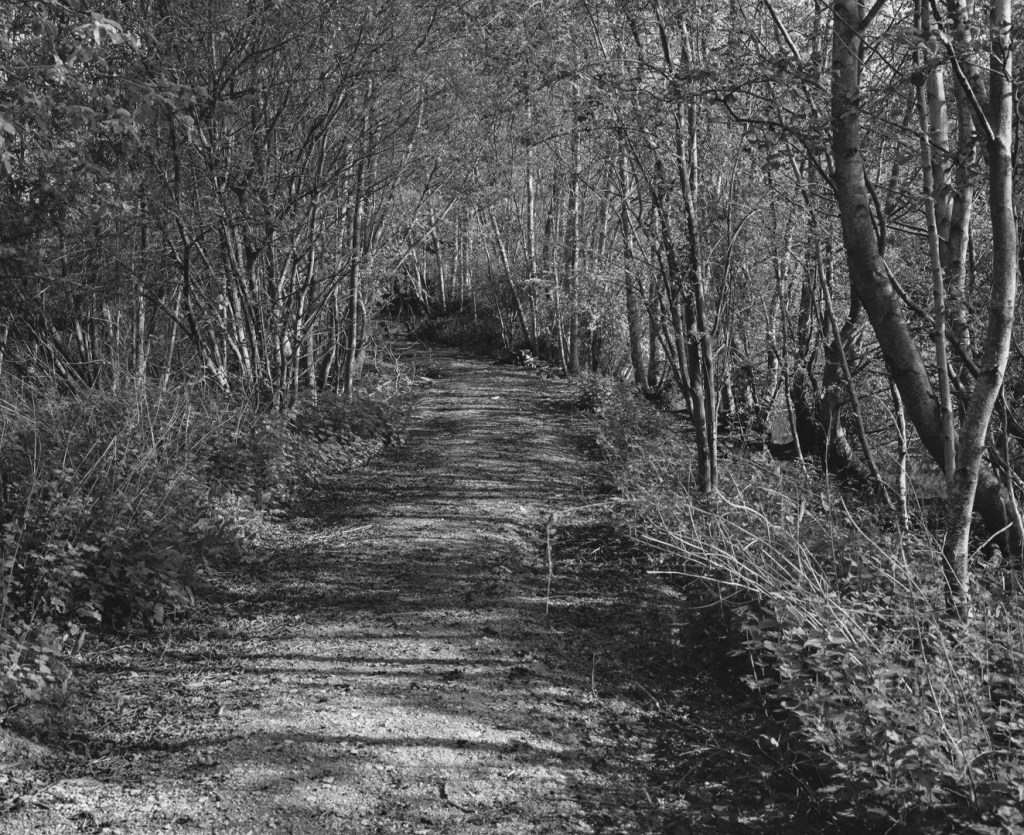
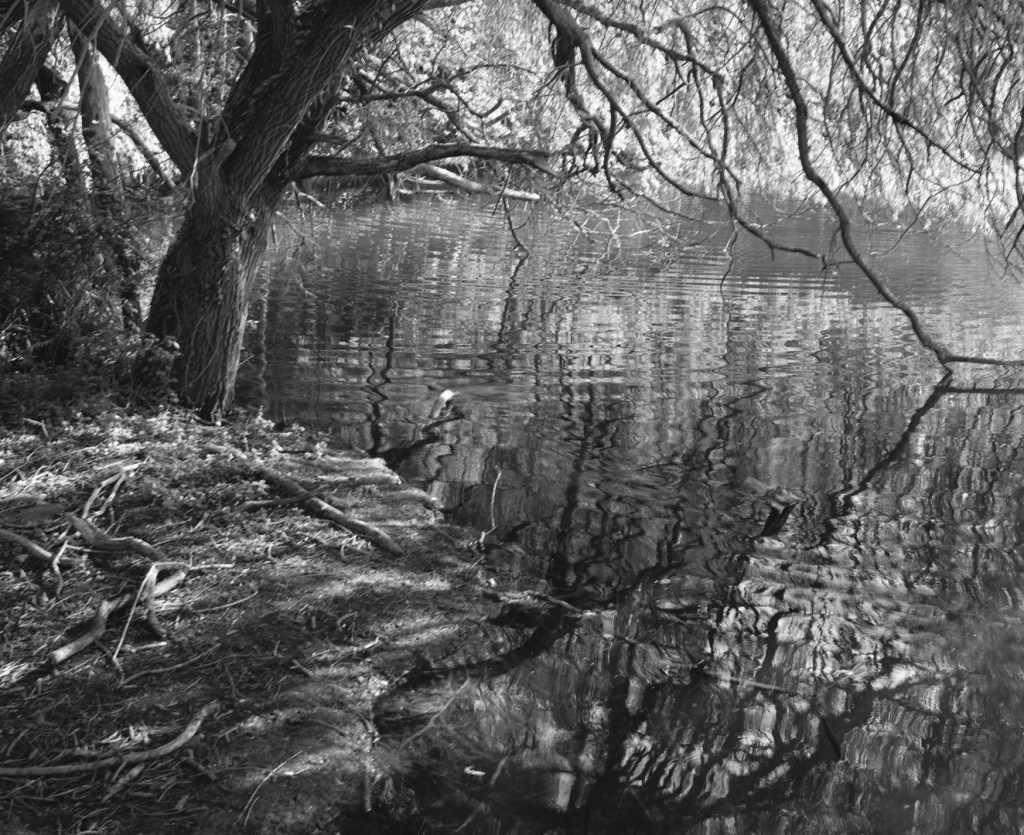
This is the analogue shoot I did alongside the digital one on the same day. I used Ilford 400 film, which has been reliable and forgiving in a broad range of conditions. I had loaded the film before heading to the lake, I wanted to photograph without having to think too much.. however, this did become tricky at times when I couldn’t feel my hands! I moved slowly around the lake, listening and feeling the environment. I studied the places I have walked many times before but noted how they were almost unrecognisable in this new, icy world. An entiurely different atmosphere exists, it was both eerie and intriguing. My curiosity meant I stayed much longer than planned, fascinated by the images frozen on the lake surface. I literally couldn’t stop watching. Nothing moved. It was silent and as the sun went down, a pink, orange, winter sky cast its image across the ice. It was so beautiful. I wrote a short poem in response:

winter spreads its cloak across the lake
frozen images, as though printed on satin, hold soft light
silence reigns, I just hear myself, living, breathing in place.
Trees are looking down at me,
their branches hiding the tiny spies
who watch my every move.

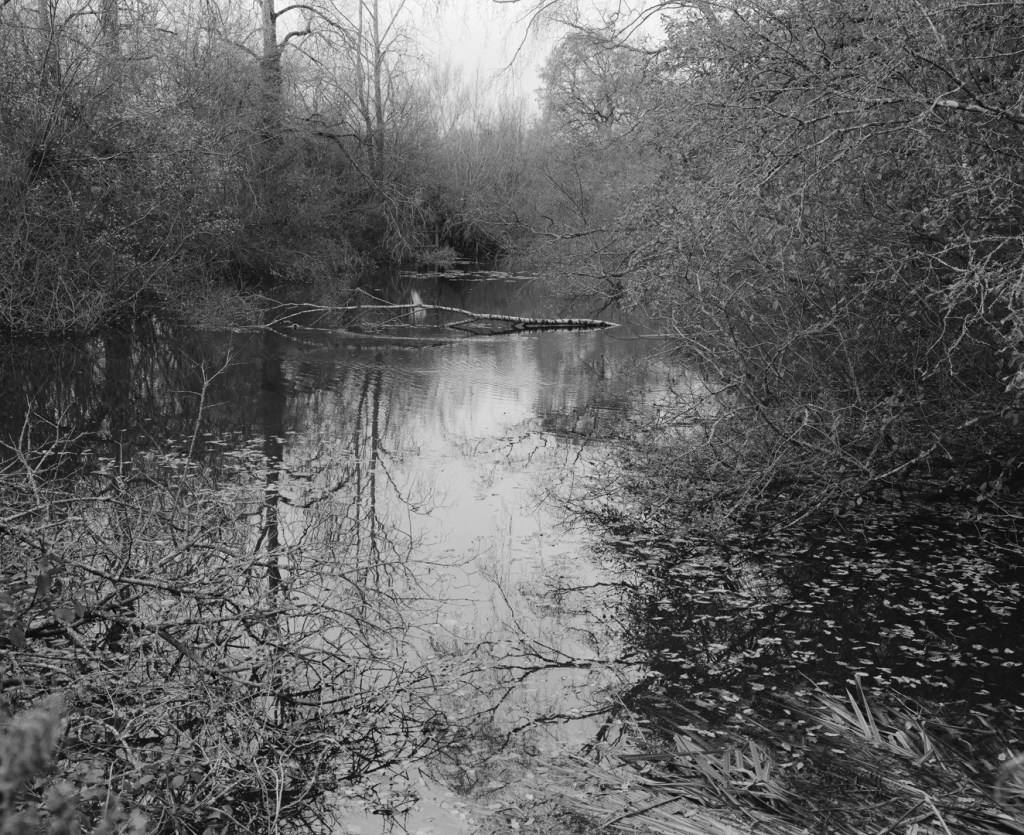
I plan to use several images from this shoot in my final book. I love the texture in the images and the light, I keep reflecting on how easily I could have stayed at home in the warm! I would have missed out on an experience, let alone th opportunity for some photographs.

Selected images: 1, 4, 6, 8, 9 & 10

Original images are here: 7800 IMAGES
Guiting Wood (analogue) 25th November 25

These photographs were shot on Ilford 400 film on a grey, overcast afternoon. Although fairly late in the day, it is on occasion I bit flat for photography! However, I decide that as I am not focussing on representation of the landscape but being in it, that is less of a concern.

This time for my practice in this area of woodland, I decided to use both cameras (digital and analogue) For the digital photographs, see blog post Guiting Wood (digital) 25.11.25 I wanted to go straight from the ‘settling in’ period with my digital camera and into my more immersive practice with the Mamiya. (this shouldn’t necessarily suggest I don’t operate mindfully with my digital, but that I am more so when I get to use my analogue, having familiarised myself with the environment)

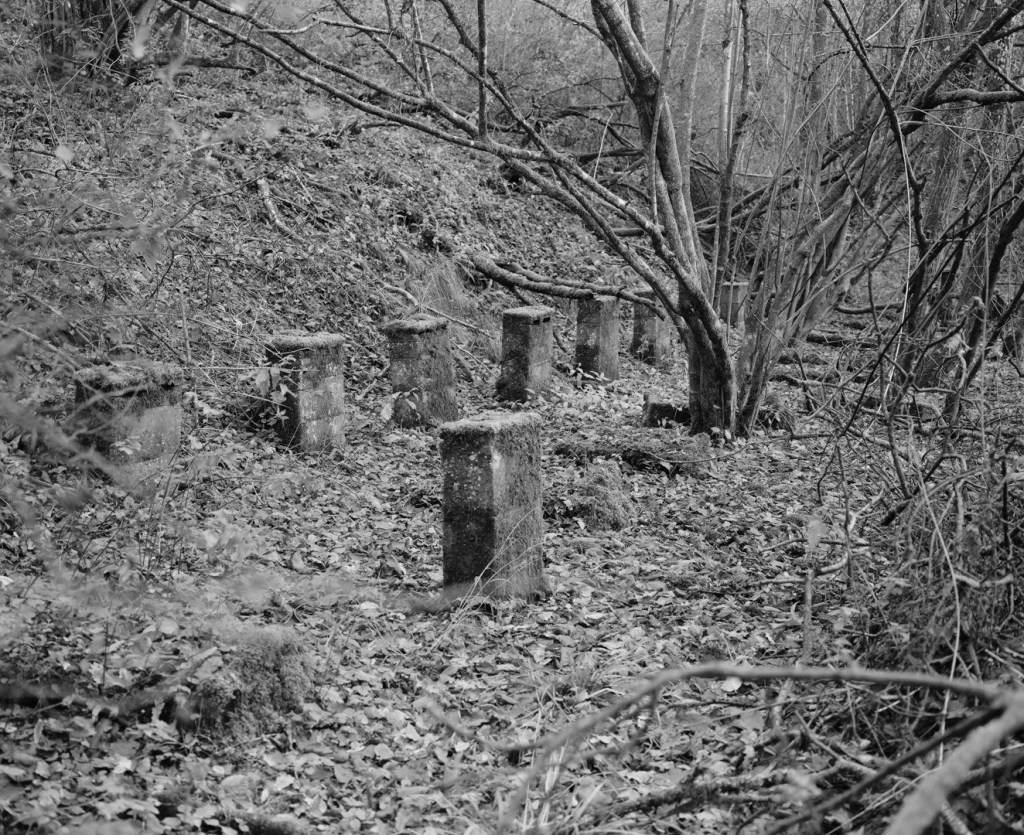
This area of the wood is very quiet. There is an old collapsing building with the remnants of agricultural machinery gradually being consumed by the landscape. There are some eerie looking foundation stones from what I assume would have been an old agricultural barn, although I can’t find any reference to it to confirm. They really resemble gravestones in the way they all face the same way and lean as the ground gives way to them. Given their position, I wonder how long the trees have been there and which came first. I remember coming here many times as a child and I remember it being almost exactly as it is now.

Having already photographed the area with my other camera, I moved from location to location (all within 50 metres) with my camera on a tripod and positioned it for a while before taking a photograph. I spent time in the space, thinking and feeling my surroundings. Many times I didn’t take a photo, instead choosing to relocate.

My most successful photograph is the one shown below. I felt as though I was part of the landscape at this point, I was surrounded by it as I nestled in to the bank of the pond and just sat there a while. The corvids above were raucous but befitting. The moment was only broken by the sound of a small plane going over me above. I like that there is so much going on in this photograph, the scene is framed by the trees and the fallen branch in the water in the distance helps to anchor the image. The reflections in the water create some ambiguity which I always favour.

Guiting Wood shoot (analogue) 19th November 25

This is the analogue version of the shoot that I did at the end of October – see blog entry Guiting Wood : digital 31.10.25. I revisited to photograph this place as it is of particular importance to me, I detail in the earlier blog post about this.

As I am getting used to being more present with my environment, I spent some time walking though this area of landscape, initially with my running group, who after a while set off in another direction to allow me to focus on my space. I walked slowly, looking all around me, bending down to look underneath objects, letting my hand hang in the water for a short while (its very cold!) and looking up at the tree canopy to see what hides there.

Once I started to shoot, I felt fully present in the place. Nothing else distracting me, I set my camera on a tripod and placed it in the water of the pond. All the of the images are taken from within a few metres of this same spot, I only moved the tripod a few metres for each shot and let it sit in place for a while whilst I just watched and listened. There are no roads or built up areas close by so I could only hear the water, reminding me of Nan Shepherds description of water in her book The Living Mountain (see my blog bost: Women and the embodied landscape) and the birds calling above.

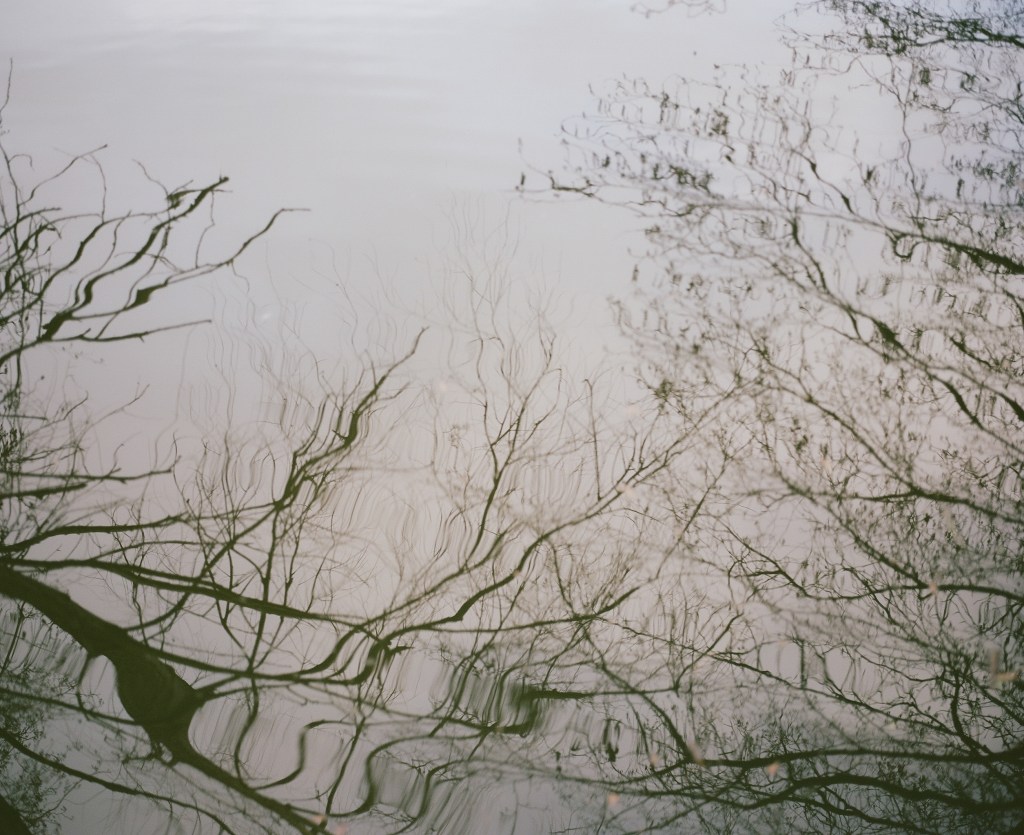
Once I had the film developed I felt the images weren’t as strong as I had hoped, albeit an honest gallery of a mindful experience. However, I am very drawn to the close images of the water itself, especially the one with the leaf because you can see the reflection of the trees above which serves to emphasise the ripples in the waters surface. This reminds me a little of Van Goughs ‘Starry Starry Night’ painting with its distinctive shape of the cypress tree and the swirly patterns in the skyscape.

Dacha shoot (analogue) 25th August 2025

Mamiya 7ii 80mm lens. Handheld. Shot at around 7.30pm, bright sunny day.

This was a particularly bright day, I had Delta 100 film in the camera, which I don’t normally use but I wanted to give it a try. Immediately it appears more metallic than the Ilford that I’m used to but that’s not to say I don’t like these, on the contrary, I can see how some ambiguity and abstract compositions might be an effective method of conveying my theme. The images remind me a little of some of the photographs from a series by Marjolein Marjolein in her series ‘Riverland’ (fig 1)

Fig1. ‘Riverland‘ Marjolein Martinot, 2022

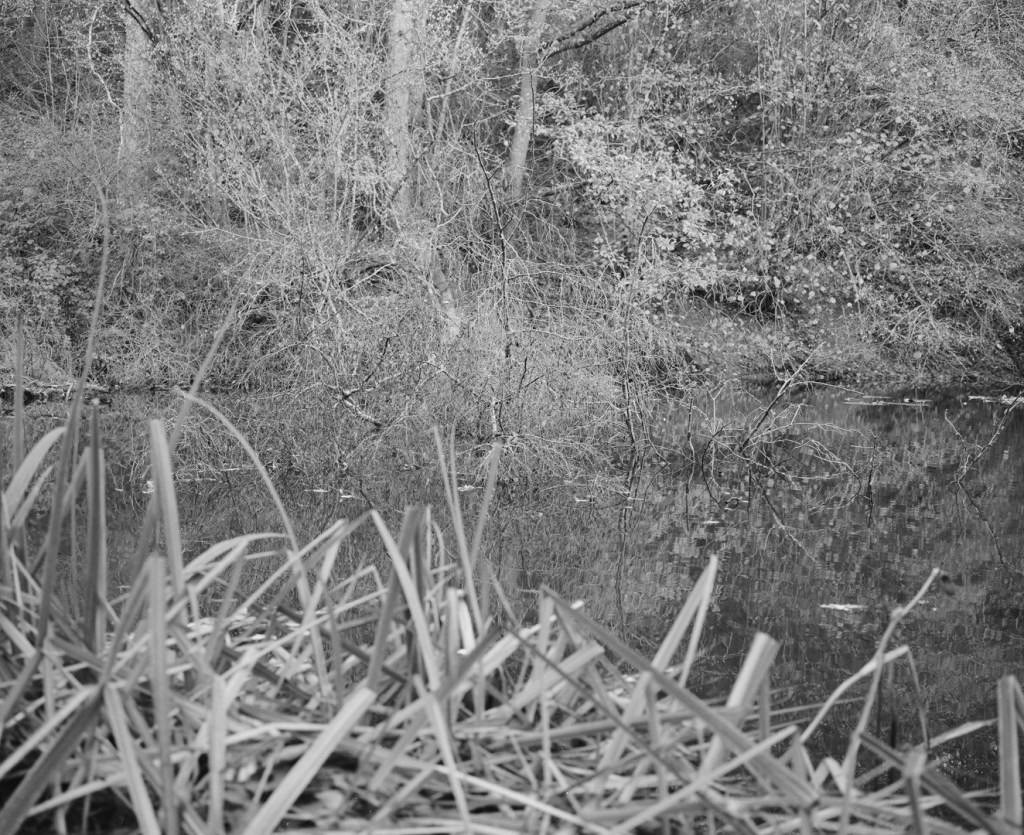
My favourite image is no 5. At first it looks as though it could be a charcoal drawing and then I noticed the reflections, you can see the bottom of the lake because the water is so clear, there is debris on the surface, reflections from the trees above, the weed and debris on the bottom makes it a possibility for a large scale print.

I had explored the lakes slowly, having already been around once with my digital camera. I tried to think about my surroundings, the heat had been quite intense and was levelling off a bit given the time of day. There was a very distinct stillness all around, insects could be seen above the water, and light bounced off every shiny surface. All in all it was a perfect summer evening. The was a a lot of algae visible on the surface of the water, in some areas make it look like solid ground. Under the shade of the woodland I photographed under the canopy of the trees, I noticed the reflections and the shapes they made, the initial investigation with the digital camera really enabled me to pause and reflect more on a second walk around. Its worth using this method of documenting and exploring again, it is as if I need to use up some mental and physical energy first.

Link to images: 7800 IMAGES
Dacha – 1st August 2025

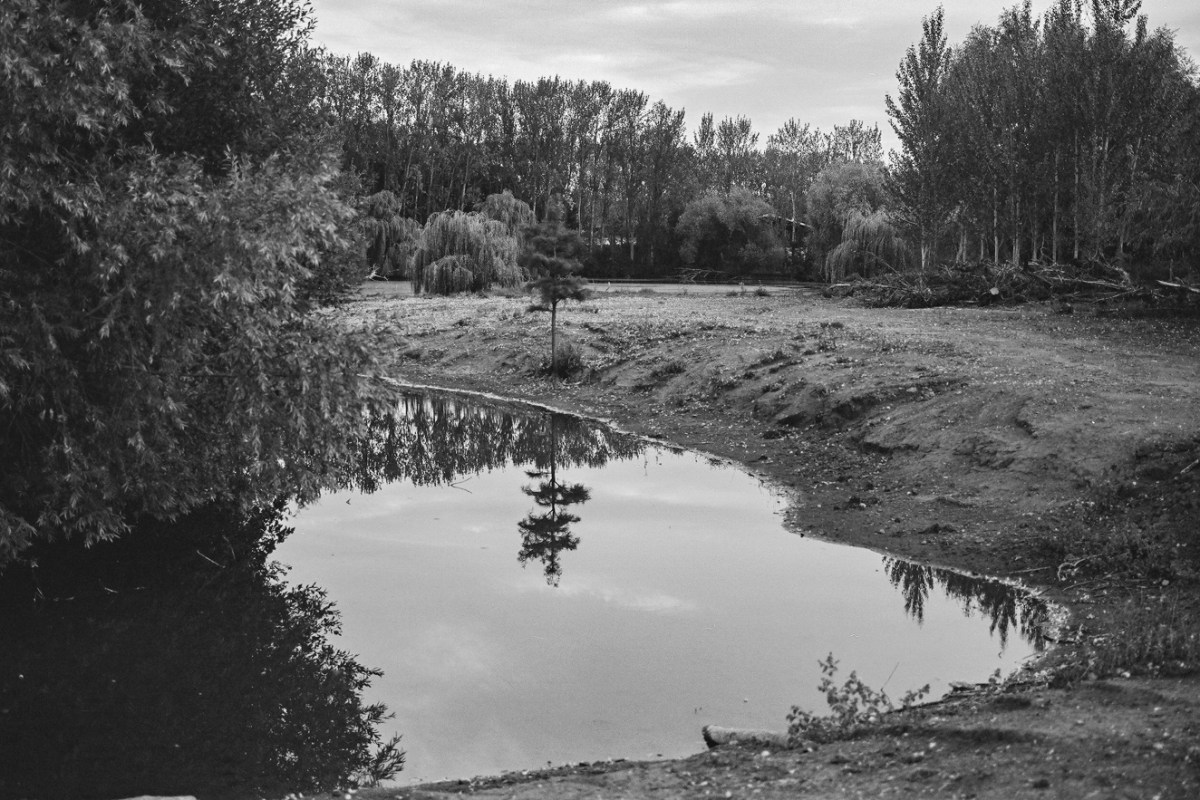
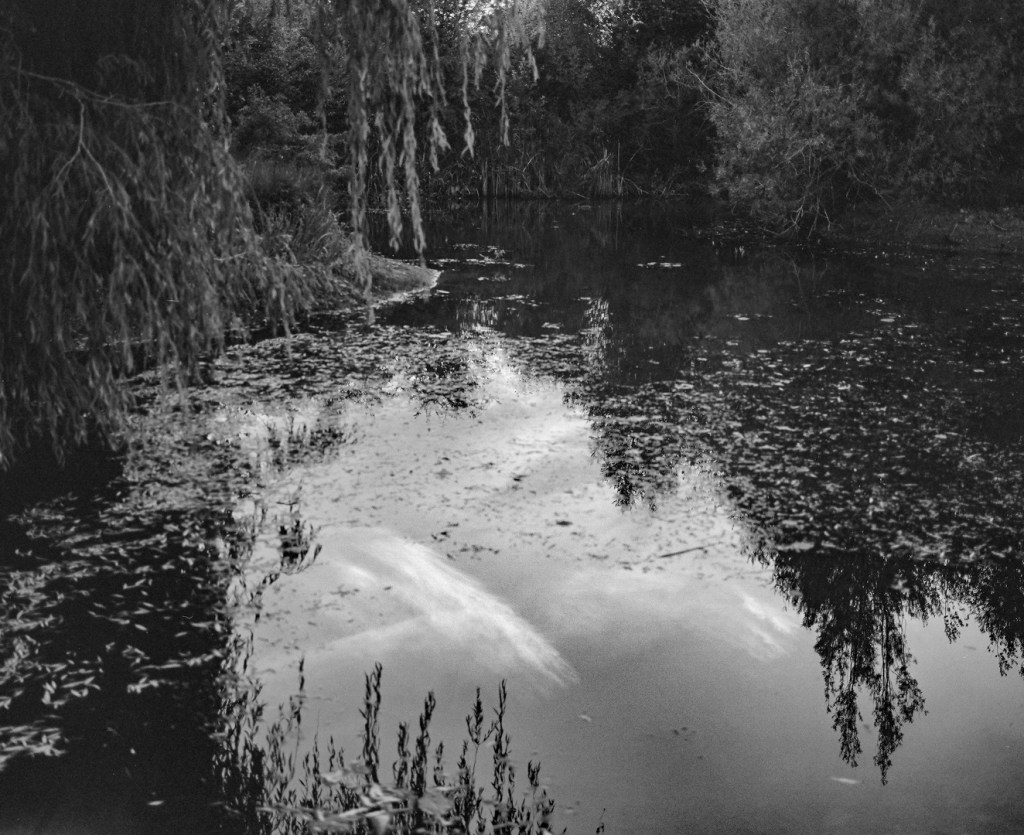
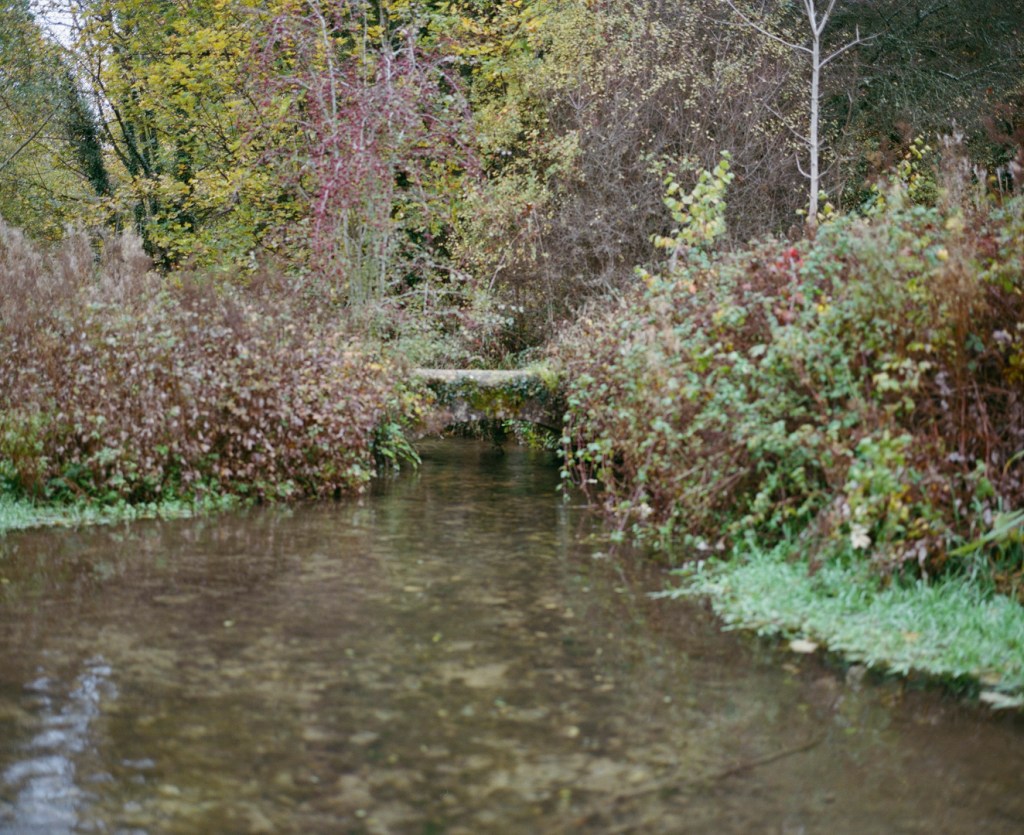
This was an early shoot with my analogue camera, I tried a few ideas out when at Dacha and also when I was away in France at my in laws. I hadn’t thought too much about these images at the time but on reflection, I decided to include several in my analogue book (images 6, 8 & 9) these were taken when we had a very hot period over summer, I shot the photographs at Dacha in bright sunshine and I think this shows in the colour photographs, the greens are not right and the overall scene looks too bright. I do like image 1 but this doesn’t fit well with what eventually will become my series. This shoot was predominantly about getting used to a new camera and to practice being present in the landscape.

In image 9, I particularly like the reflection of the clouds in the sky. It looks as though someone has swished a paintbrush across the centre of the scene. I like the many shapes around the frame of the picture, from the trees on the bank of the lake and the leaf debris floating on the top of the water. I think there is quite a lot going on in this frame.

For photograph 6, this shows the extent of the dry summer on this part of the lake. The bank was bare and dry, the water level is very low. It signifies the time of year as well as aims to lead the mind to wander what is around the corner, in my direction of travel. I have included this in my final selection as it acts as a link between images.

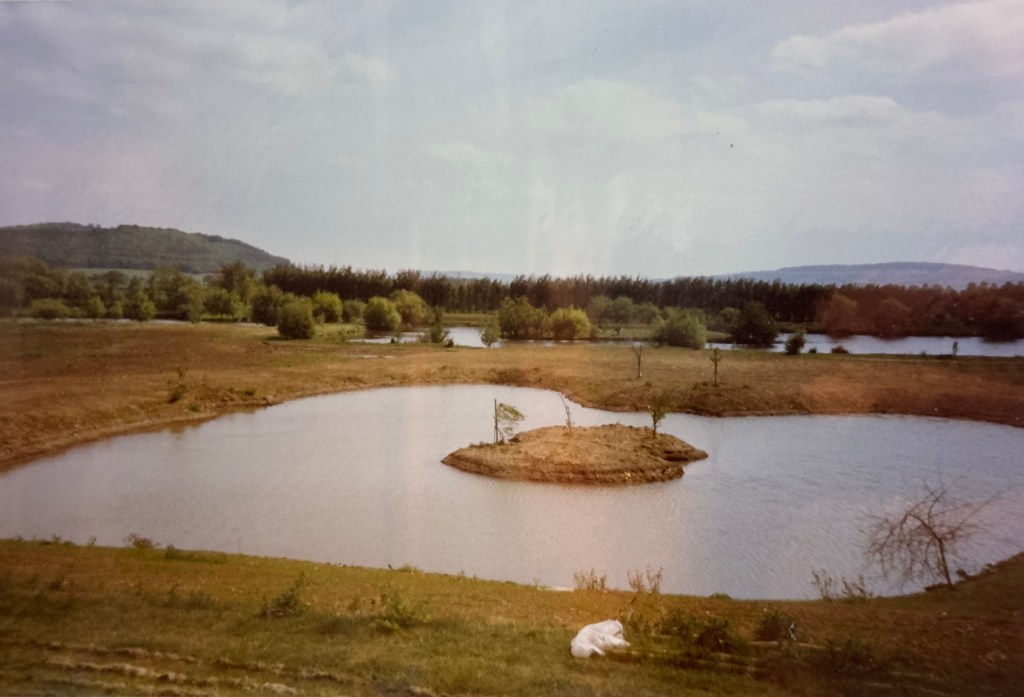
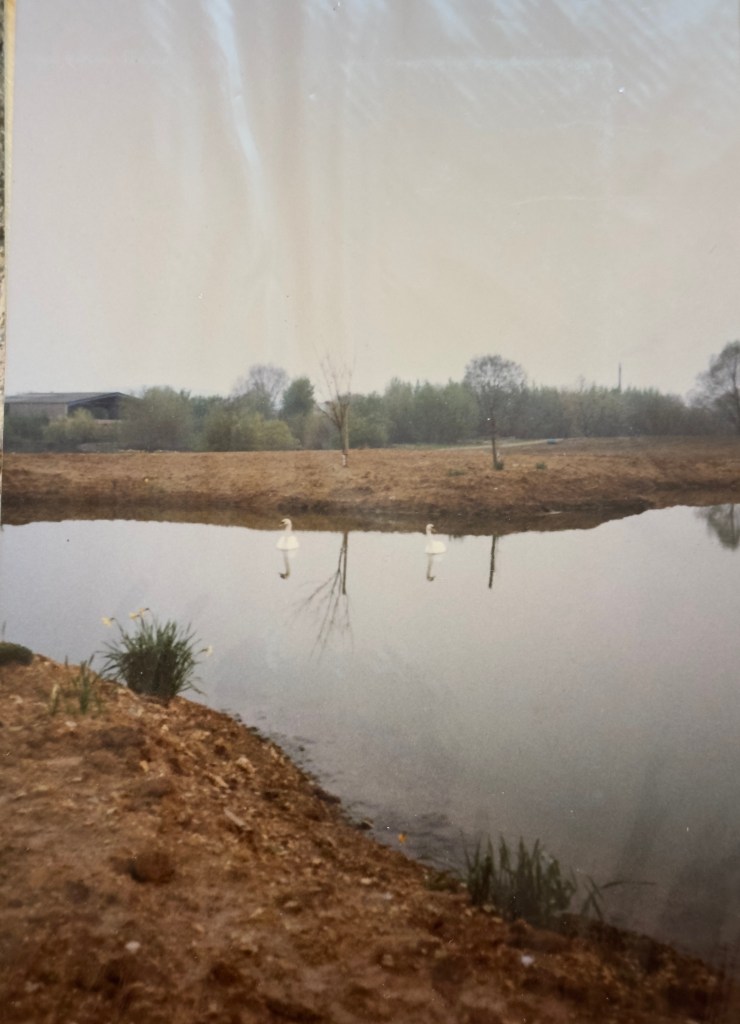
In photograph 8, I like the various shapes here, this emphasises how my stepfather alters the shape of the place. In the two photographs below you can see what was originally there when they created the lakes back in the 1990s. It is a very different place now and it has changed shape many times, almost like an ongoing large scale work of art!