Marjolein Martinot

I came across Dutch photographer Marjolein Martinot’s Riverland project via an interview with Ben Smith, A Small Voice podcast and when I searched for her online, I immediately felt as though she visually ‘spoke my language’. Her latest book “Riverland’ is highly evocative of the time spent at the waters edge for me and my family. Not only for the photographs that I have taken for this final project but in countless other examples, from sea and mountain holidays abroad, visiting family in France spending time in wild spaces. The themes are so closely aligned, the difference lies in skill or at least, stage of career. I believe I can create work at the same meaningful, awe inspiring scale.

Martinot is great friends with Vanessa Winship and credits her with being a significant inspiration. I can see the similarities especially from Winships projectshe dances on jackson. However, I think that Winships photography is more journalistic in style, Martinot’s is more personal and poetic. I don’t think its overly sentimental as there is a depth to her images beyond this. I also see a Sally Mann influence in her broader body of work and she discusses this influence in in the Smith interview. She reflects on her creative practice as a mother of 6, she explains the difficulty with balancing her time and energy and that she has to take herself off to be creative, I find this relatable. If I am home, I find that the other jobs seem to win my attention. It is a discipline to gather equipment up and head out, its certainly something I need to do much more.

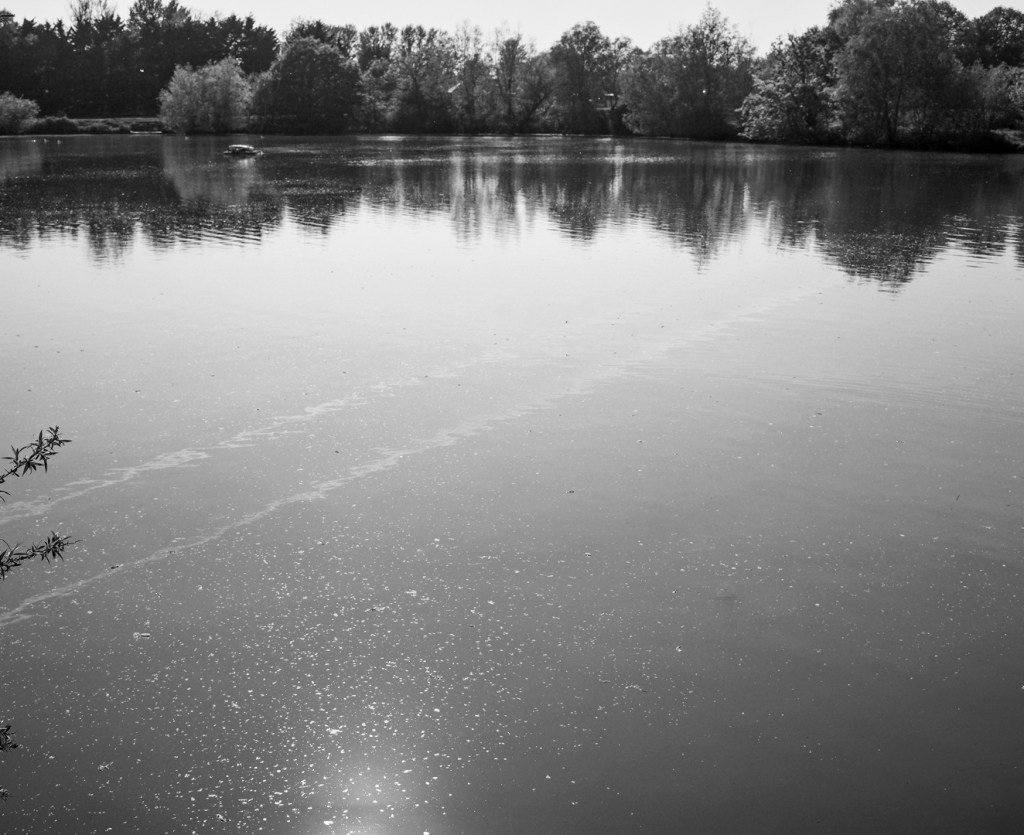
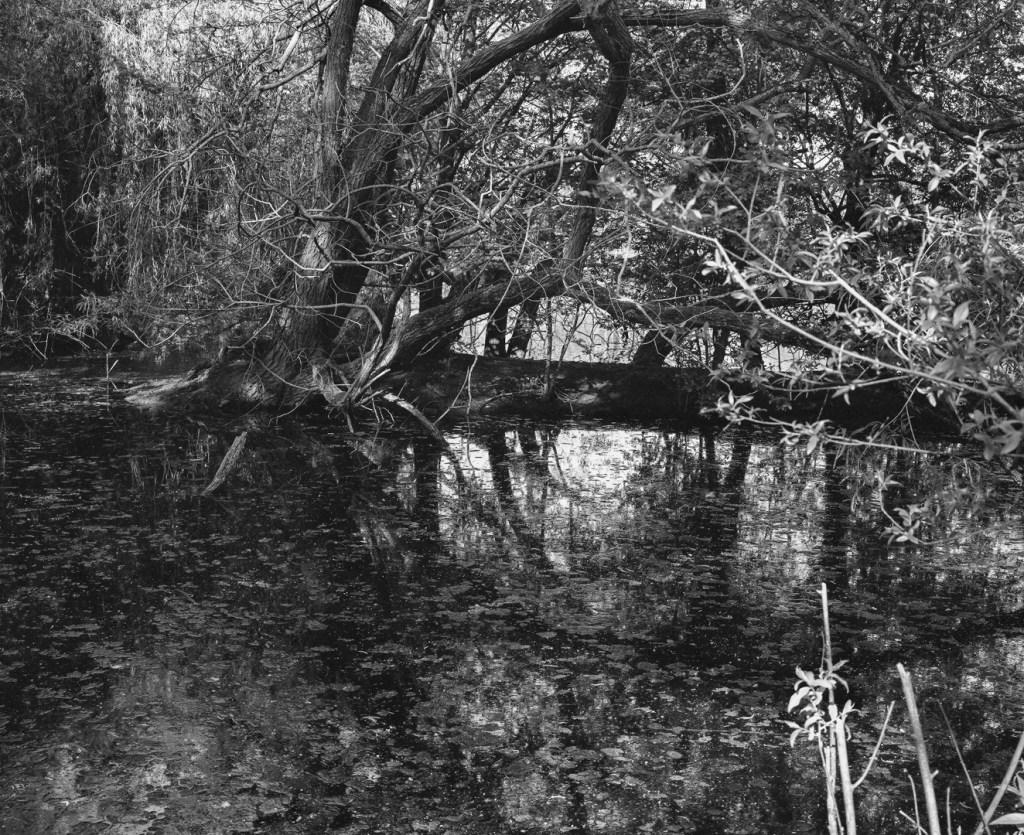
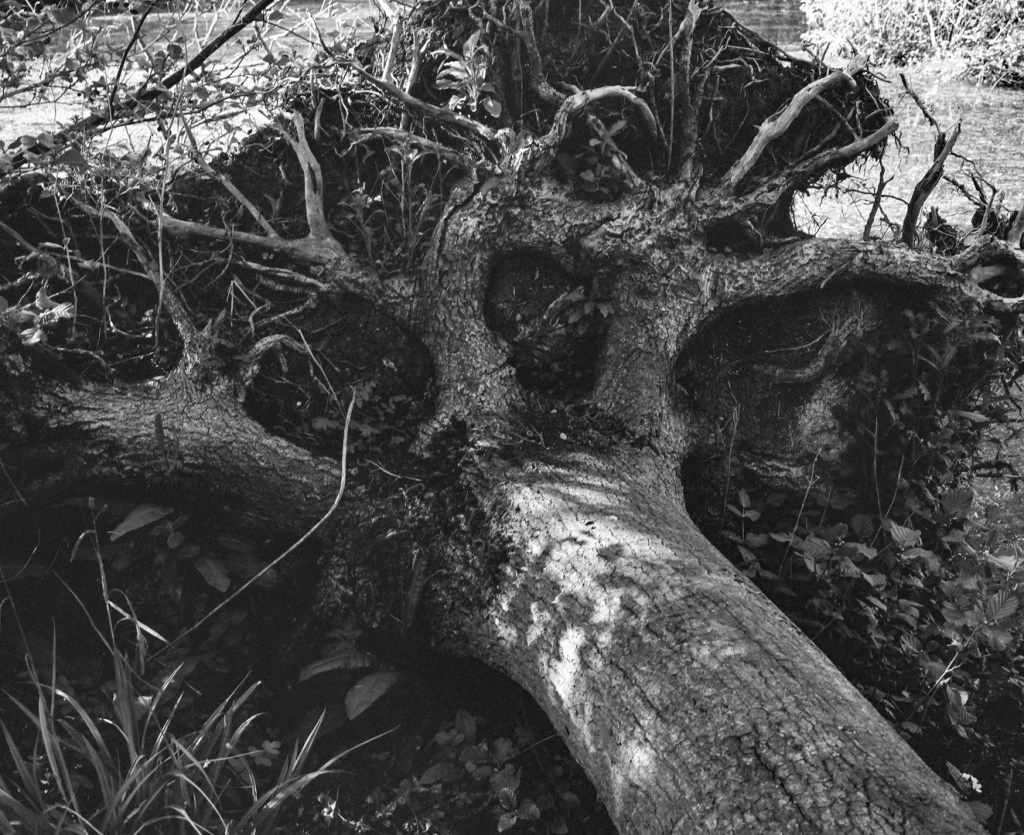
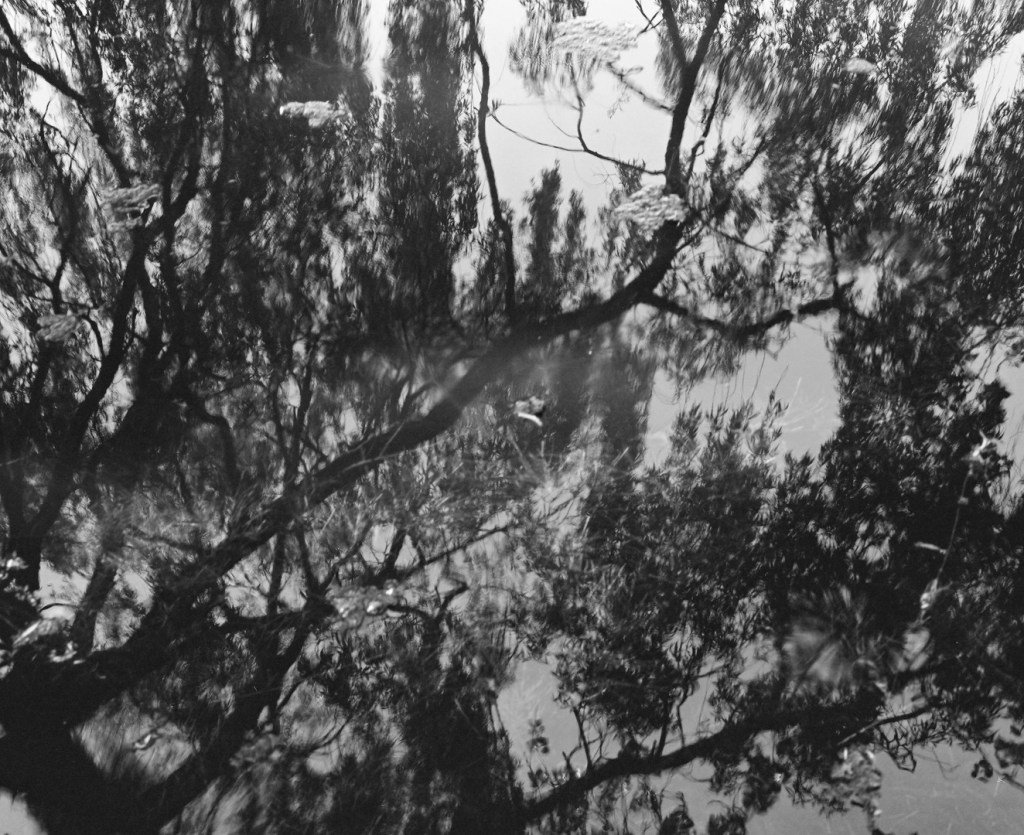
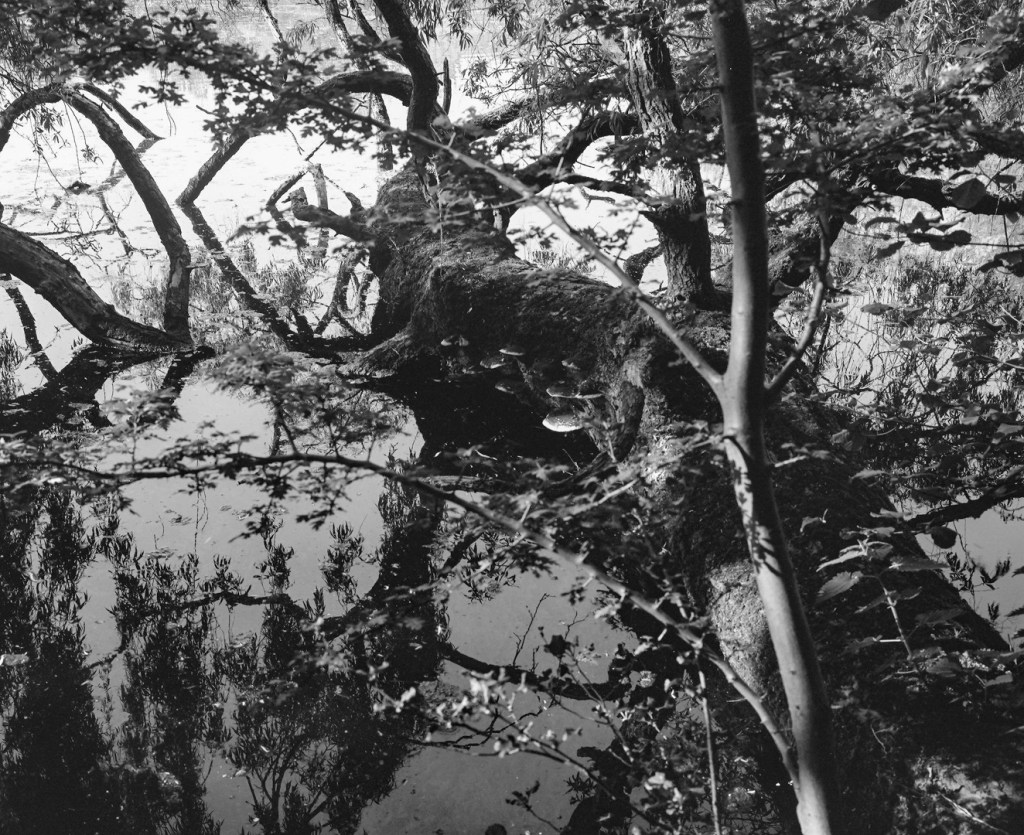
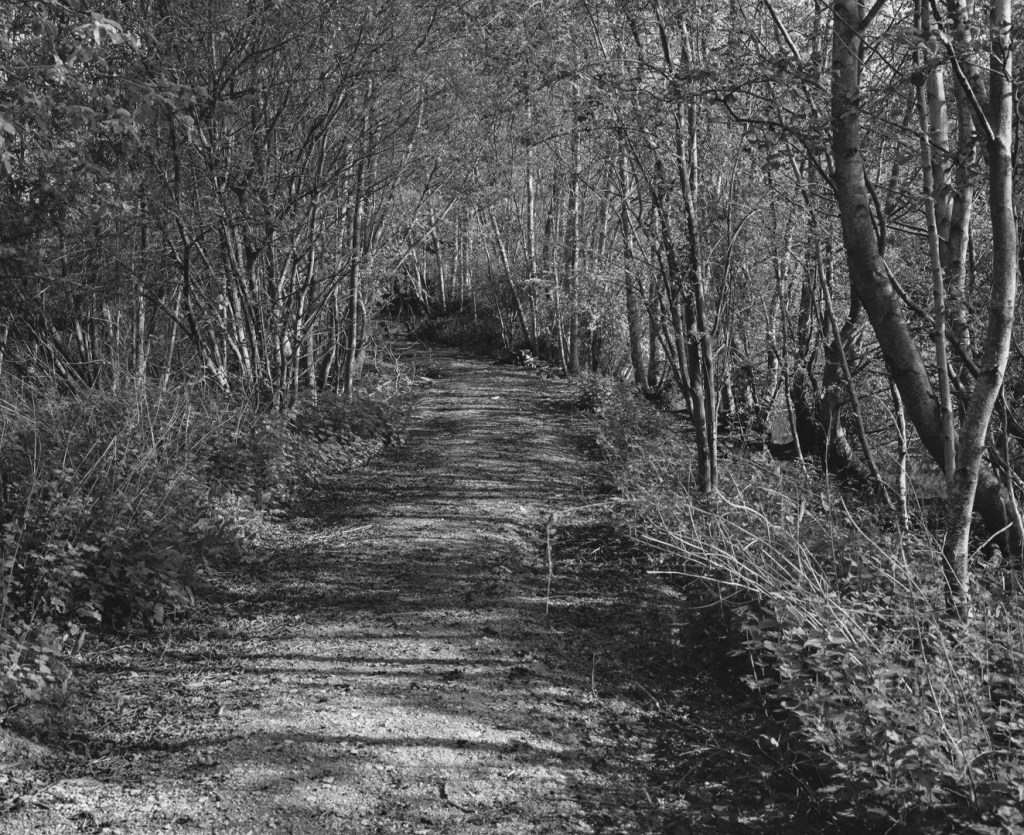
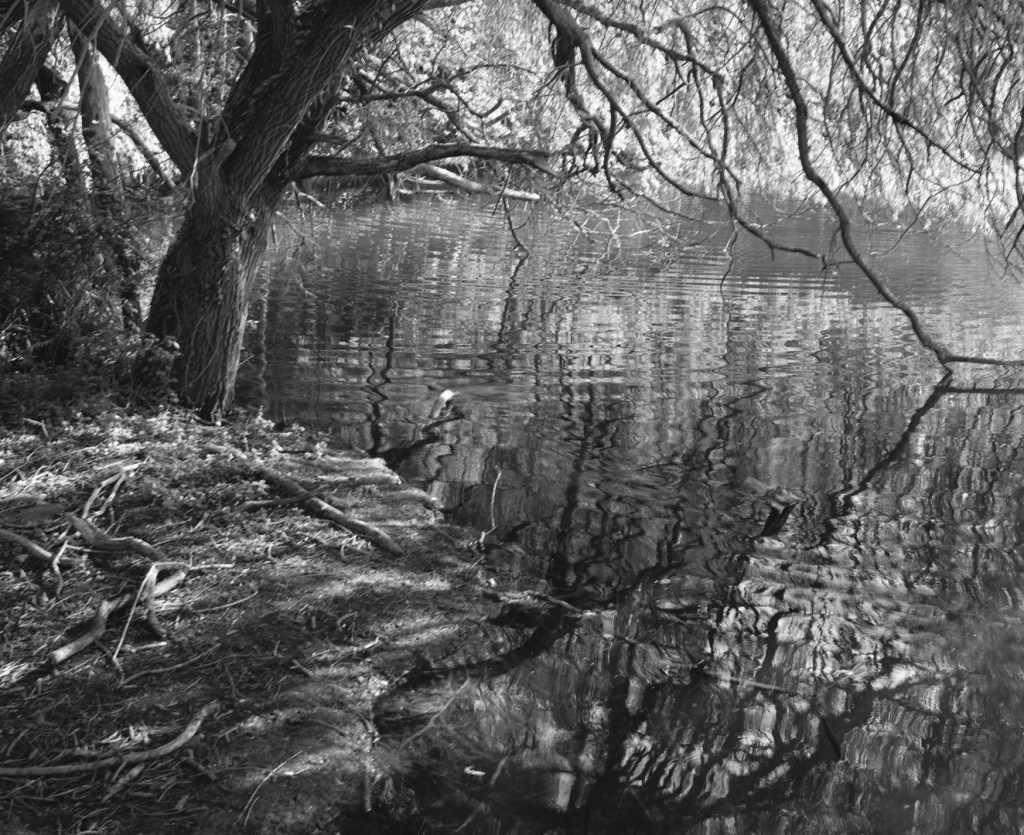
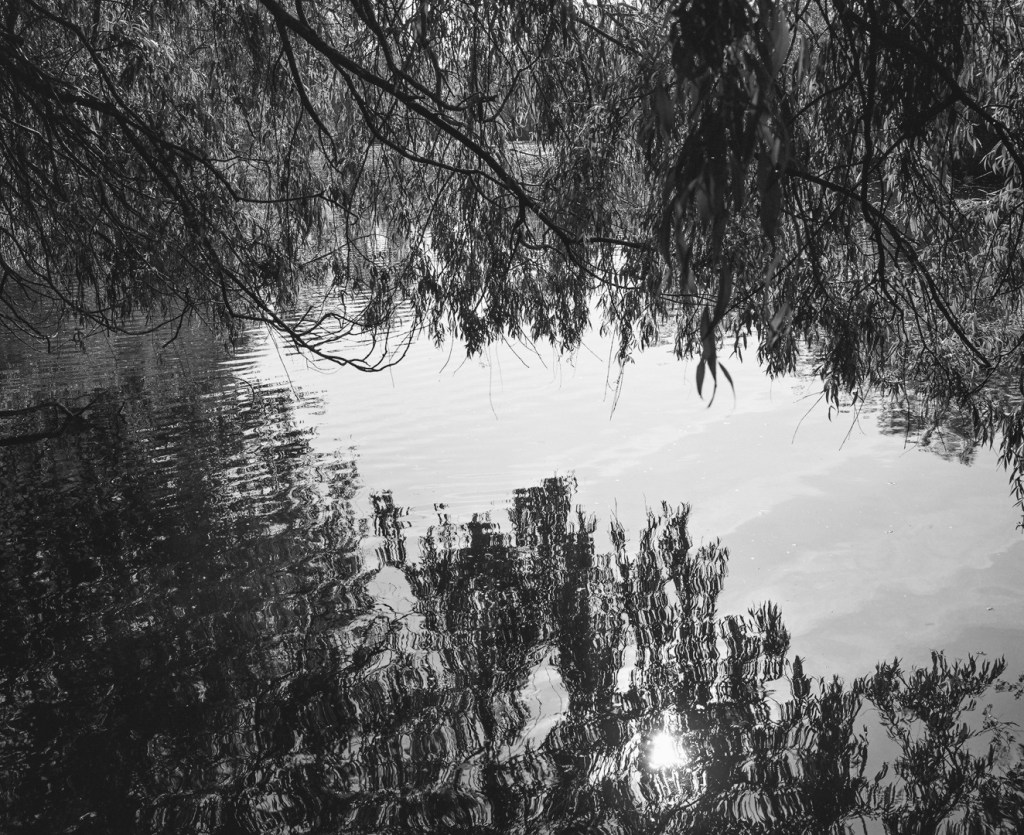
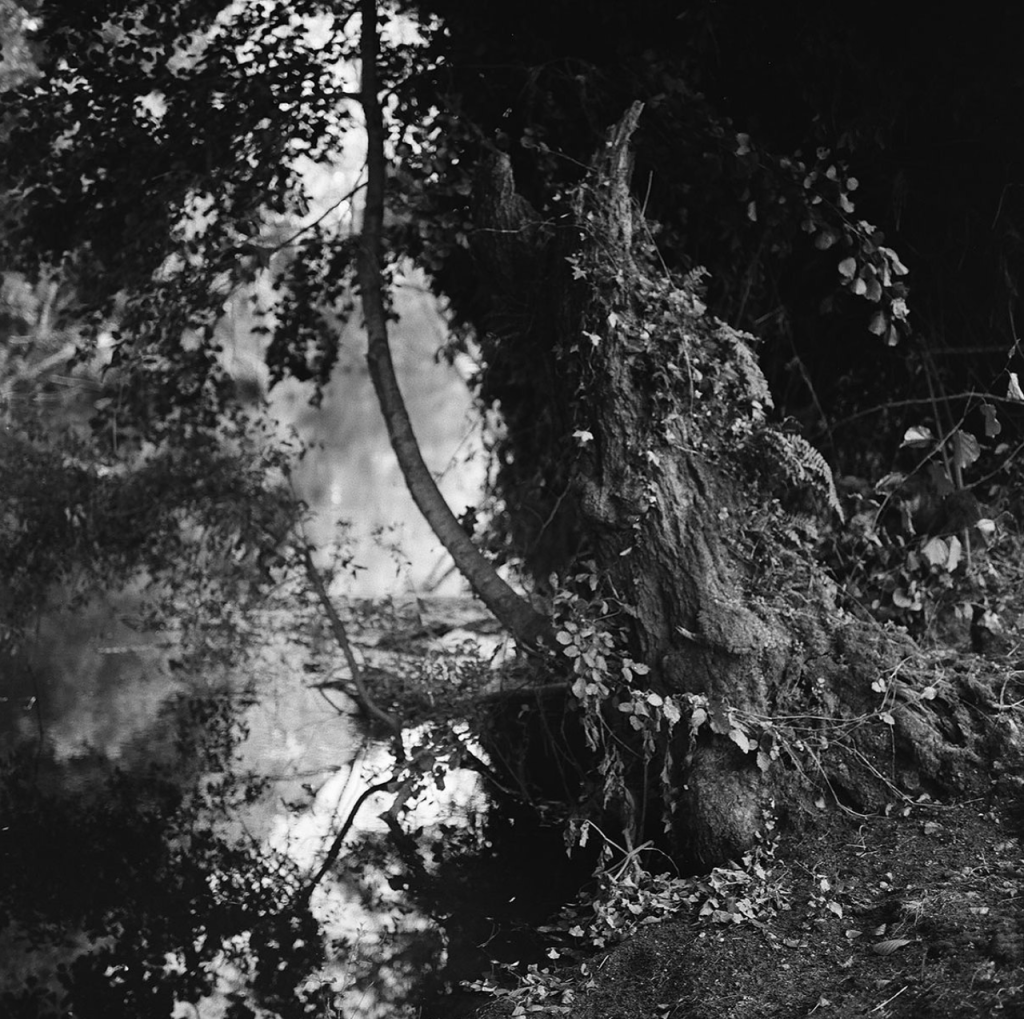
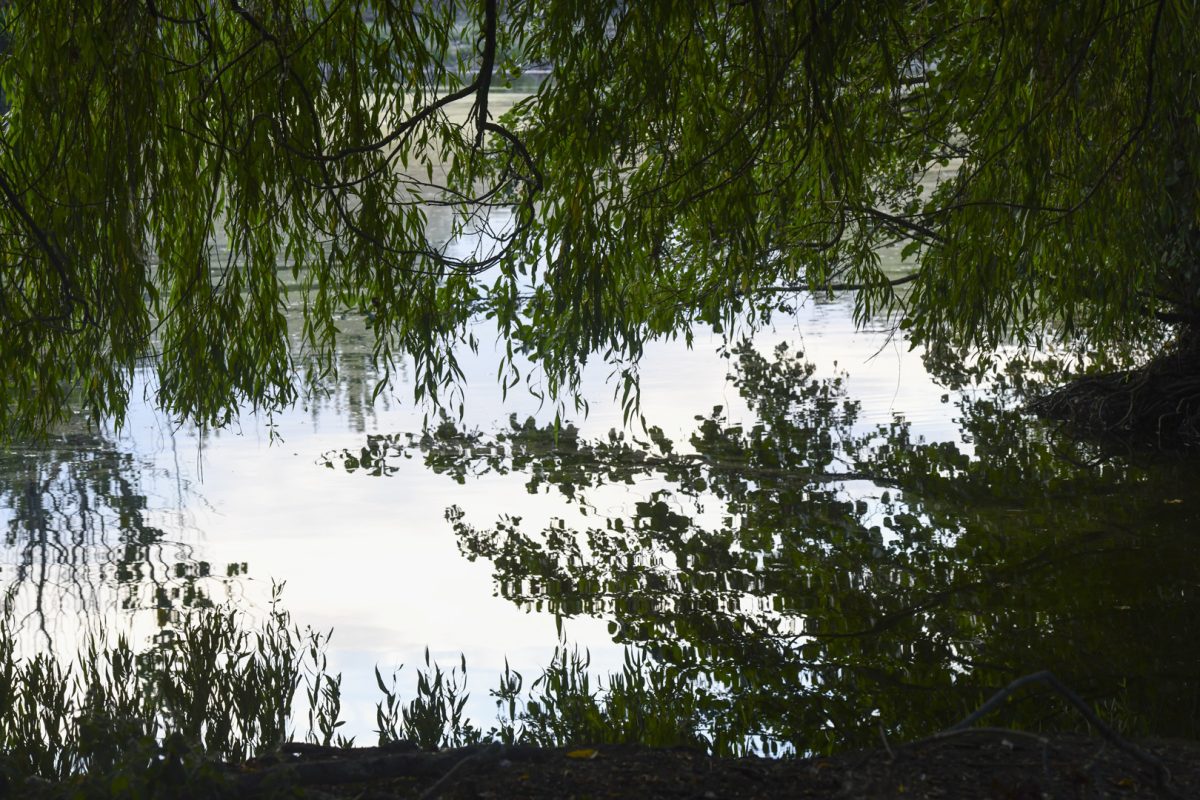
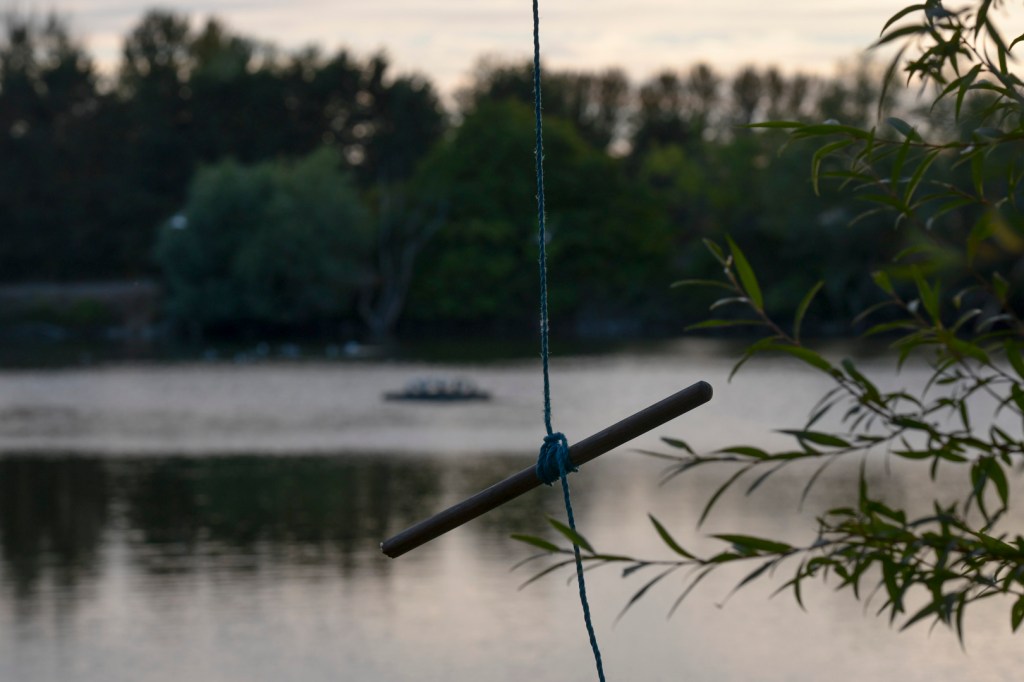
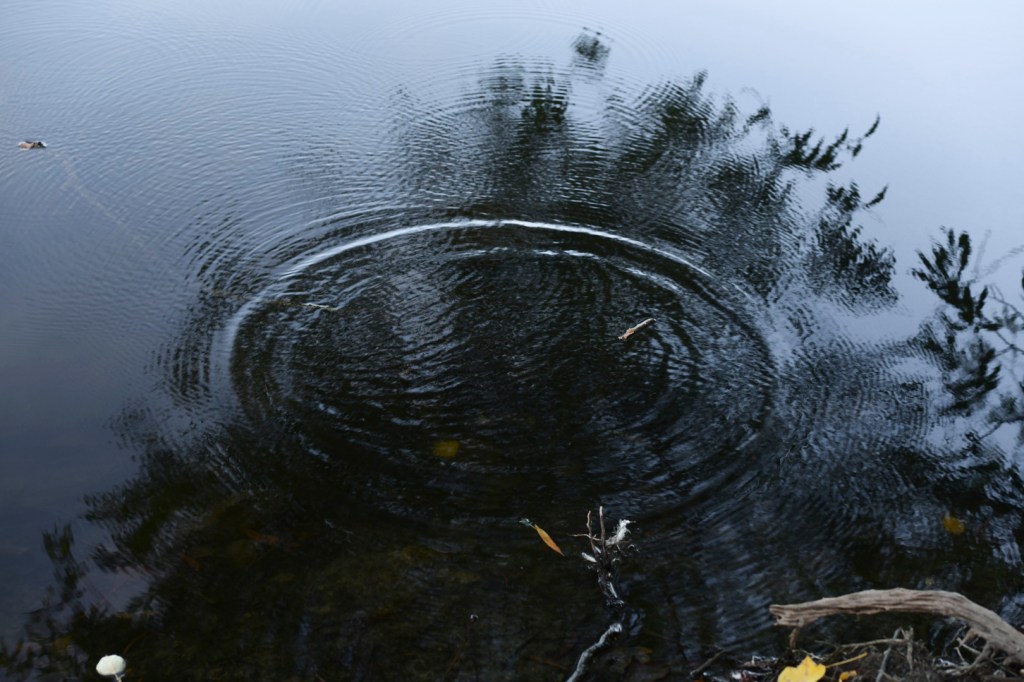
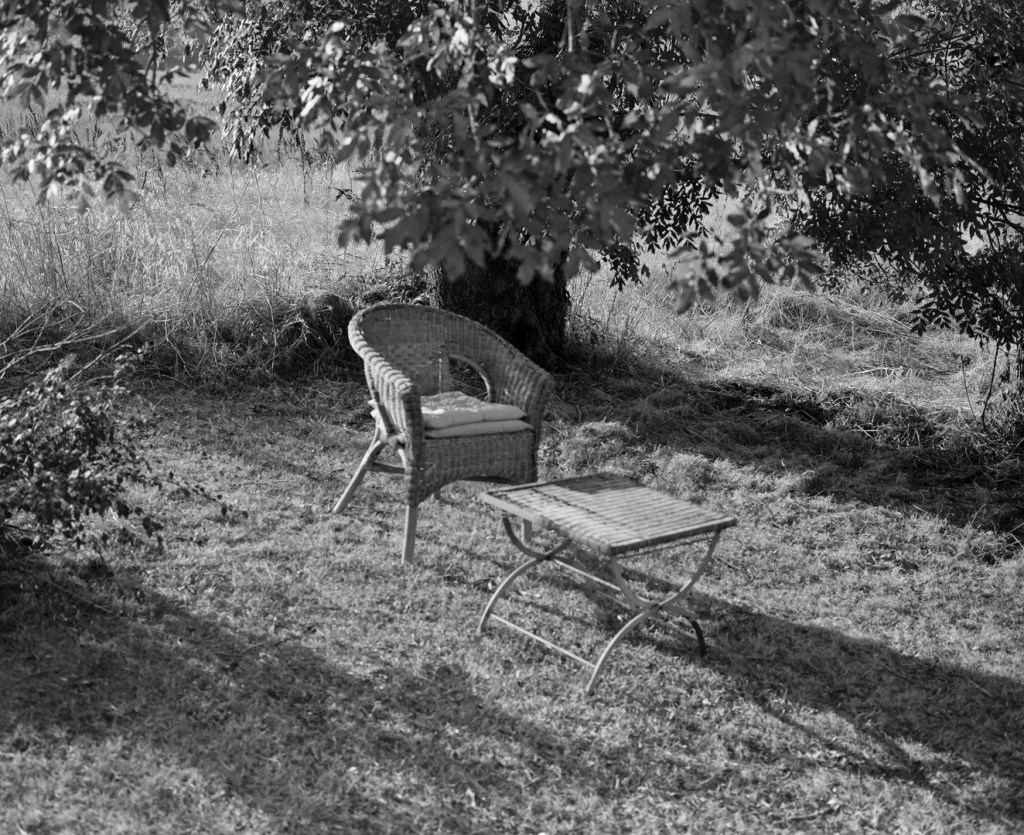
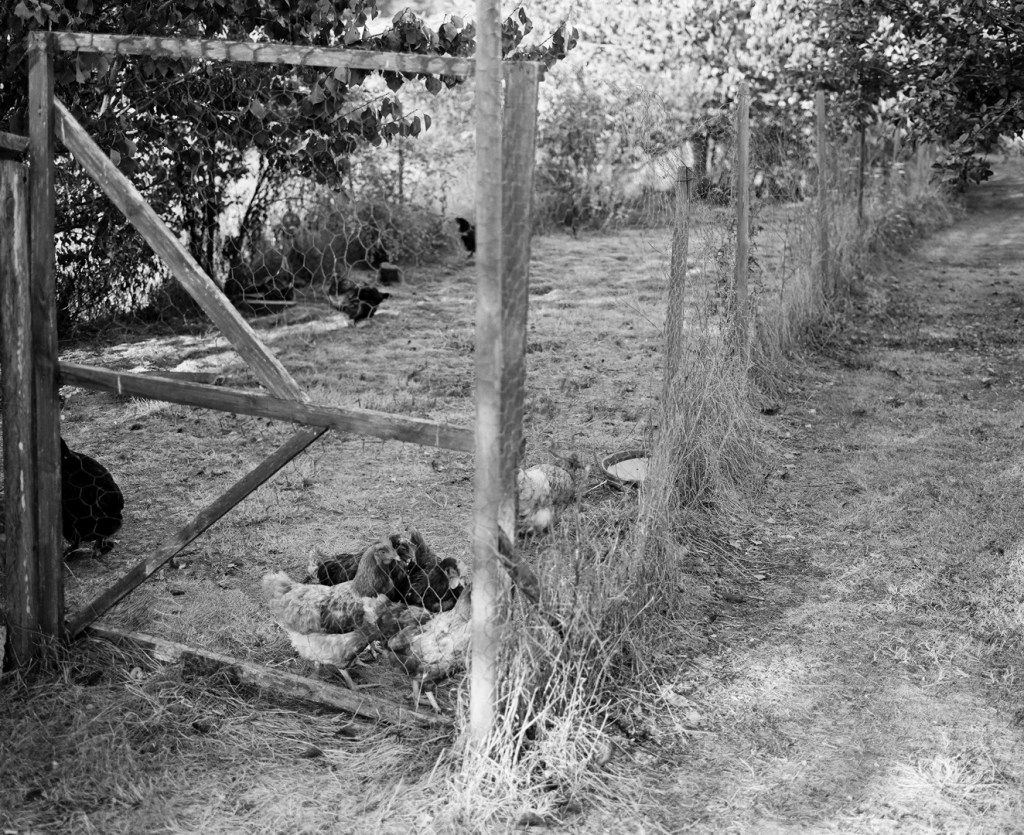
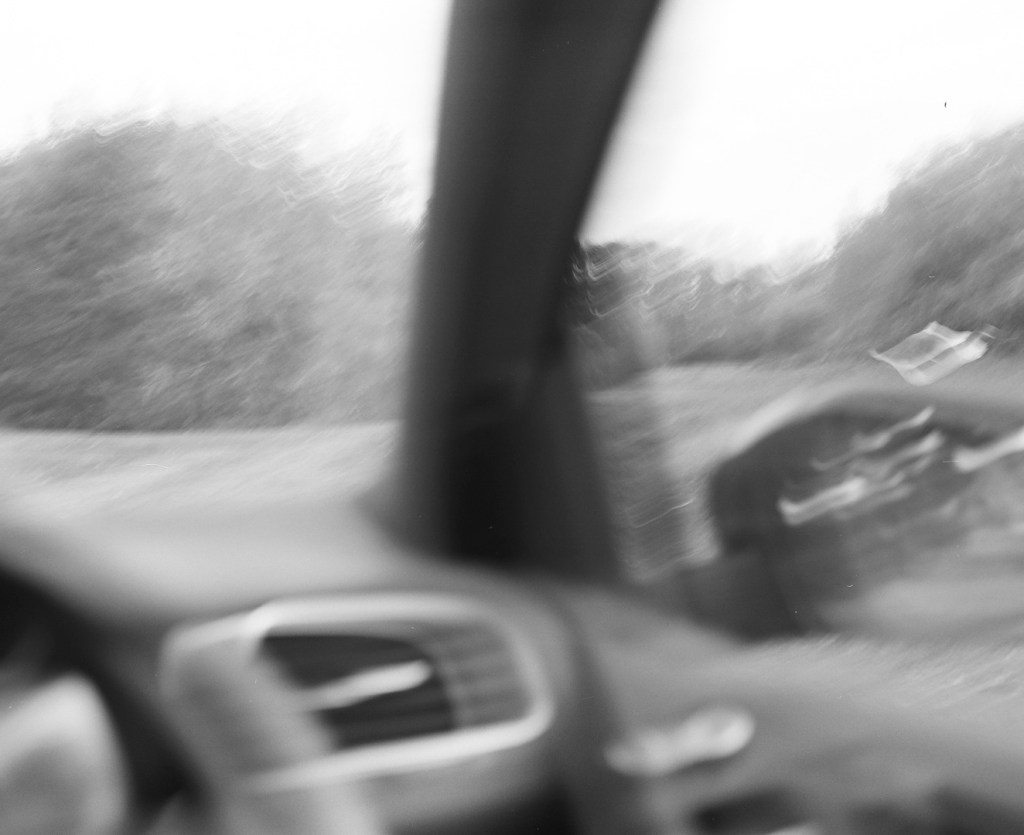
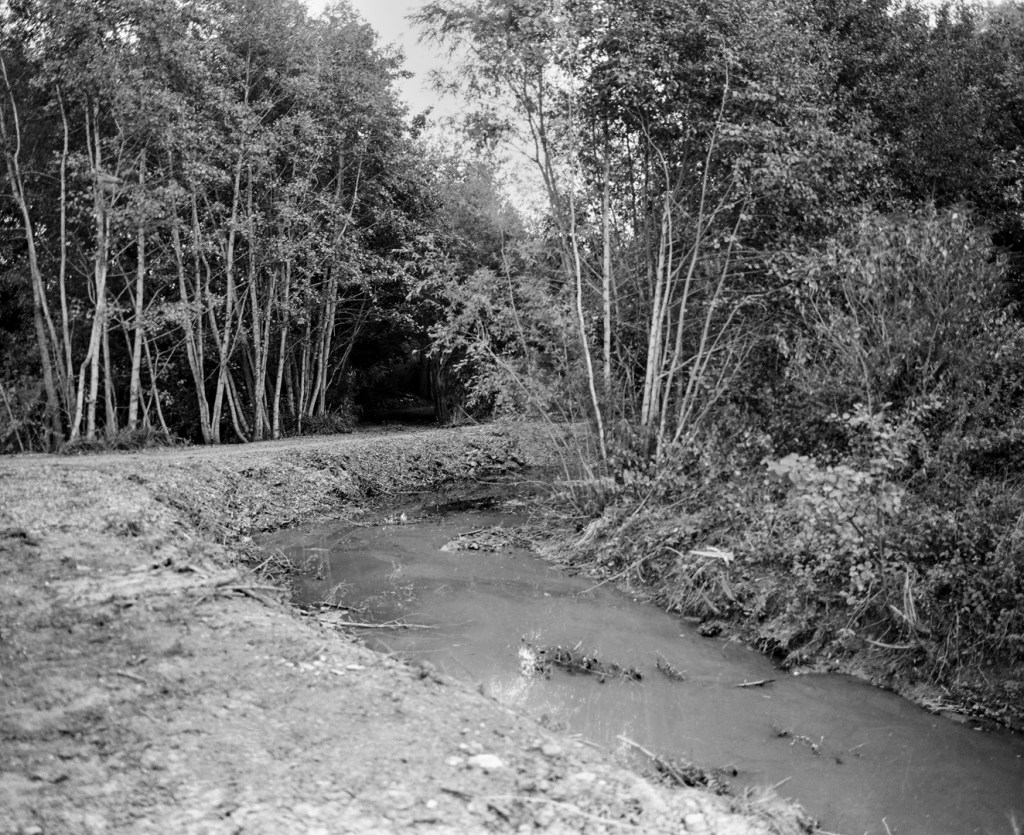
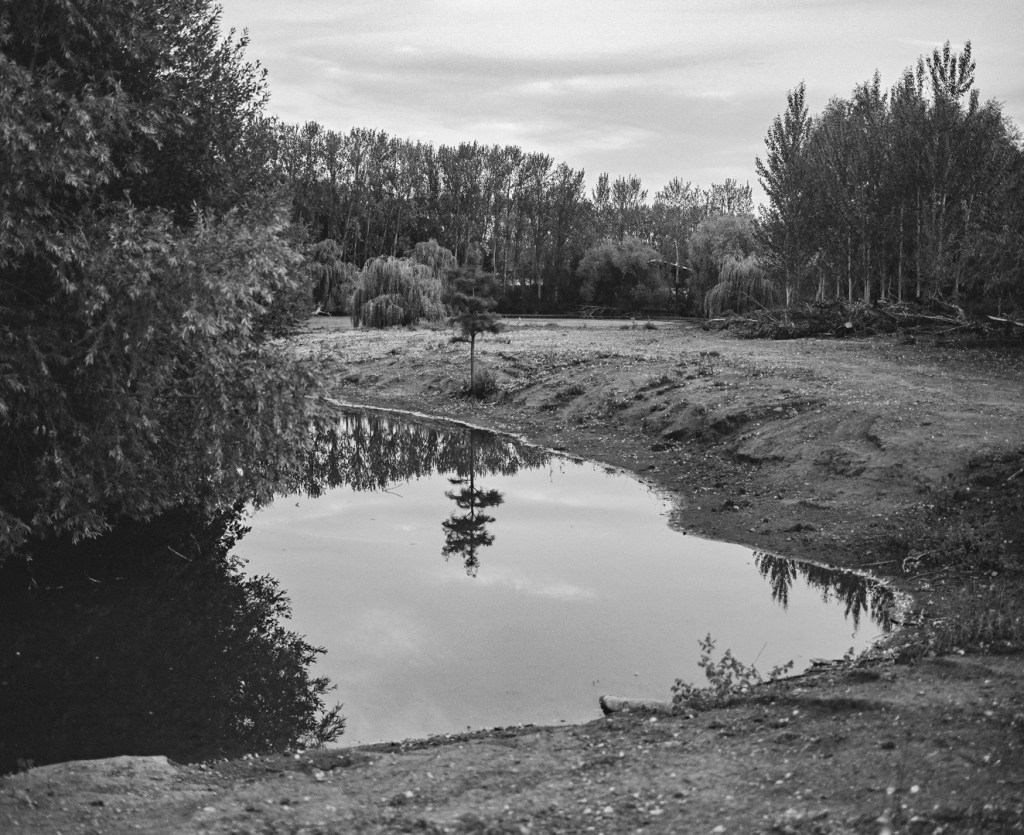
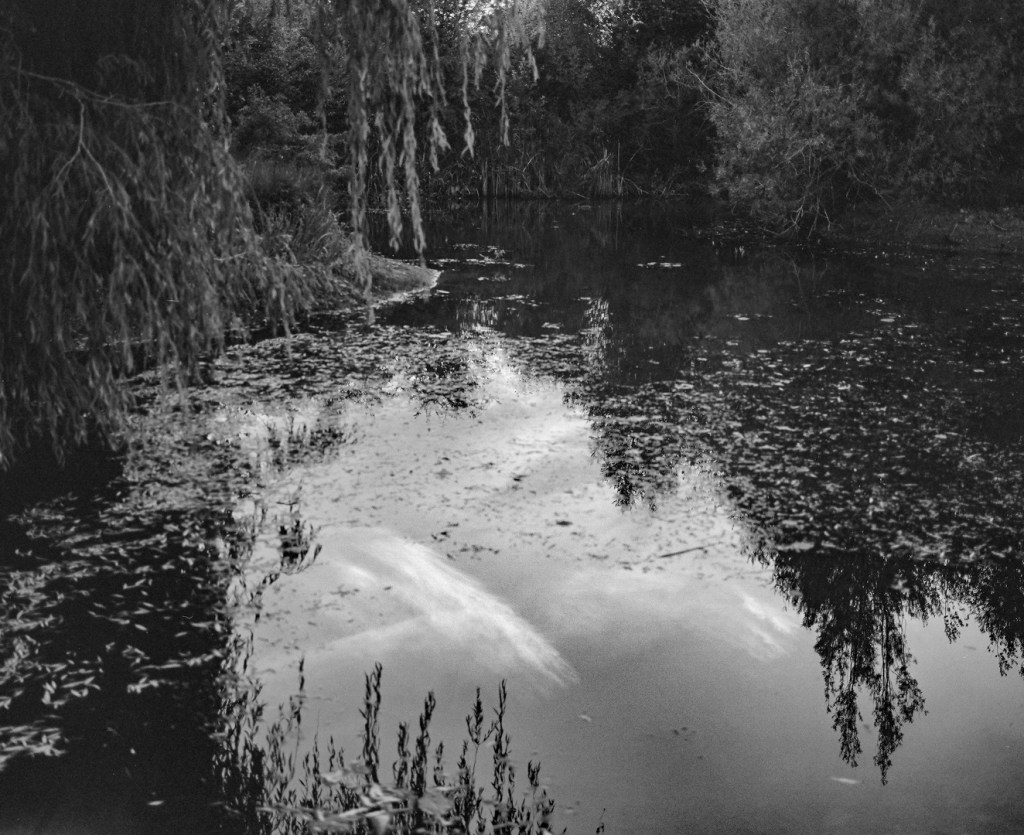
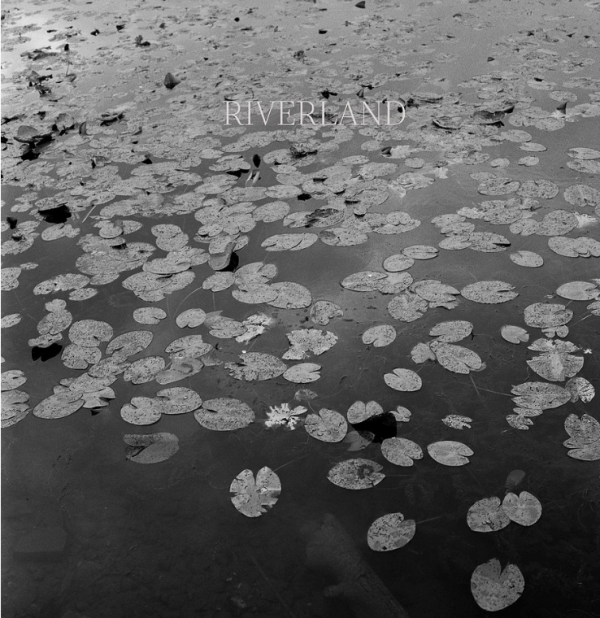
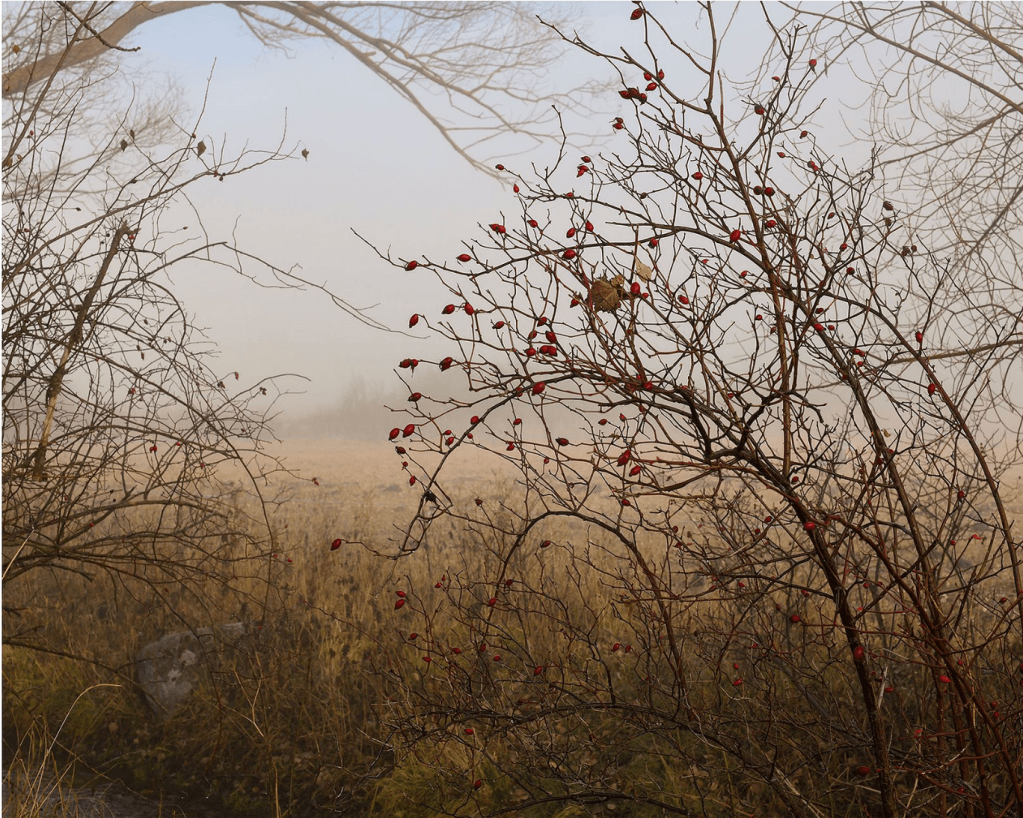
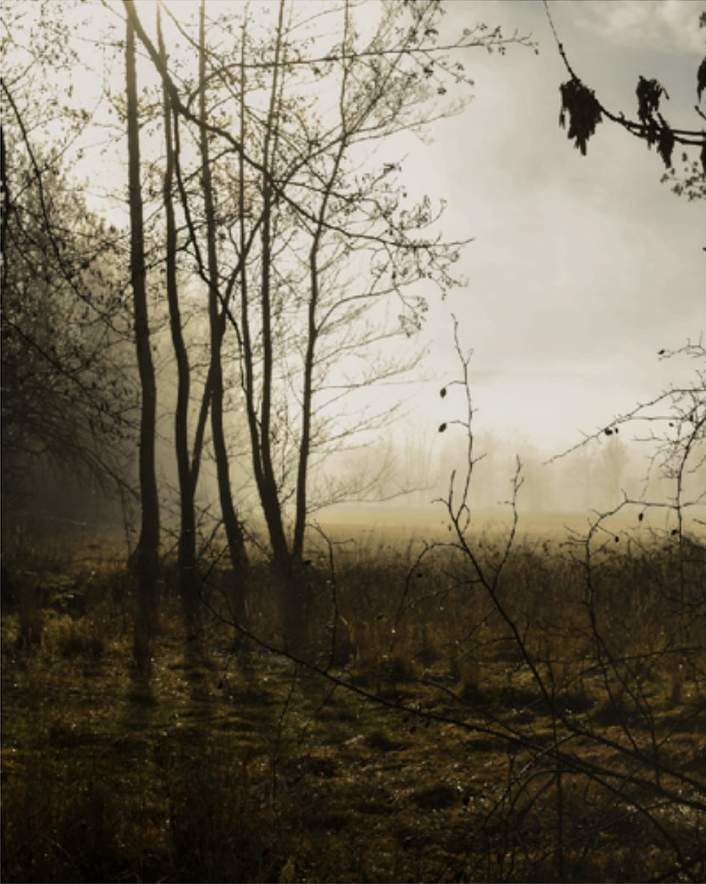
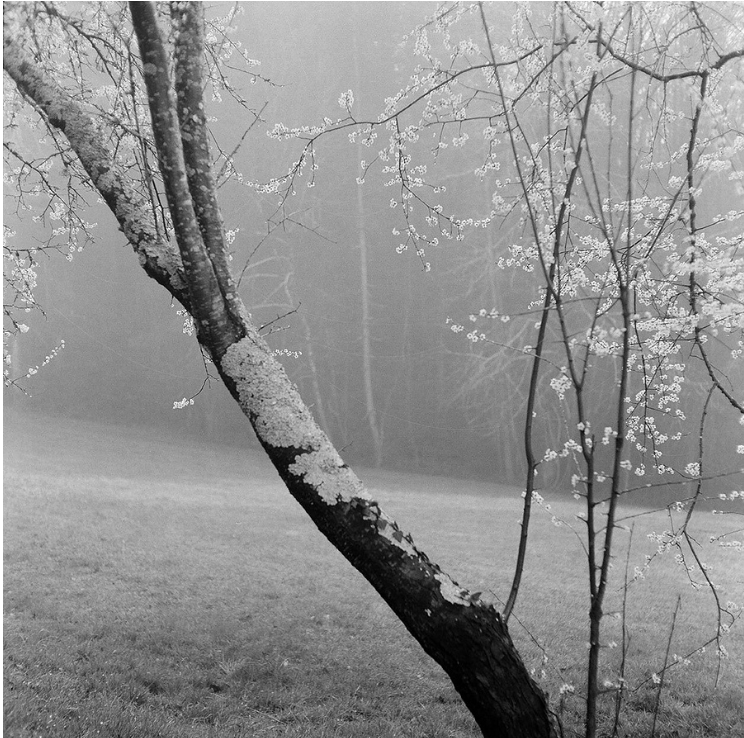
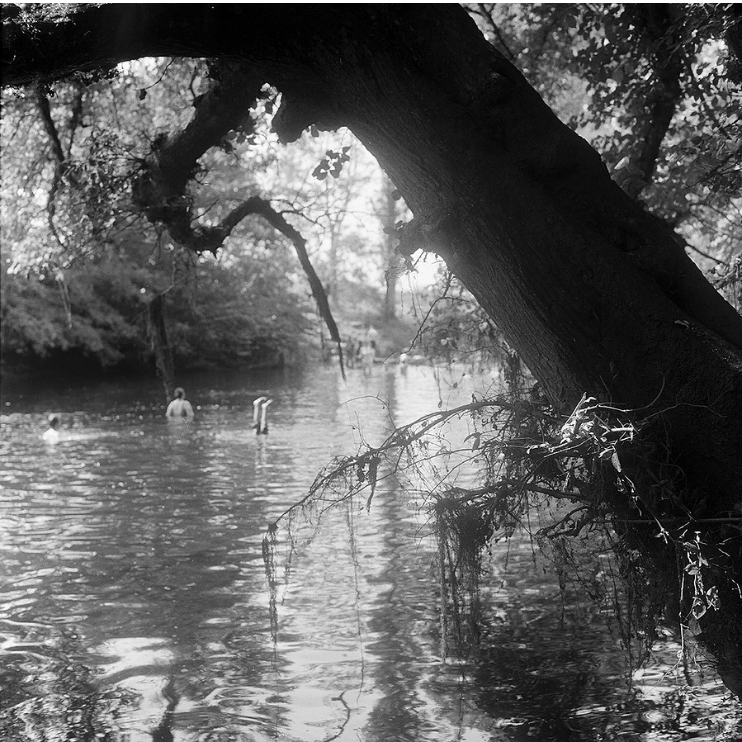
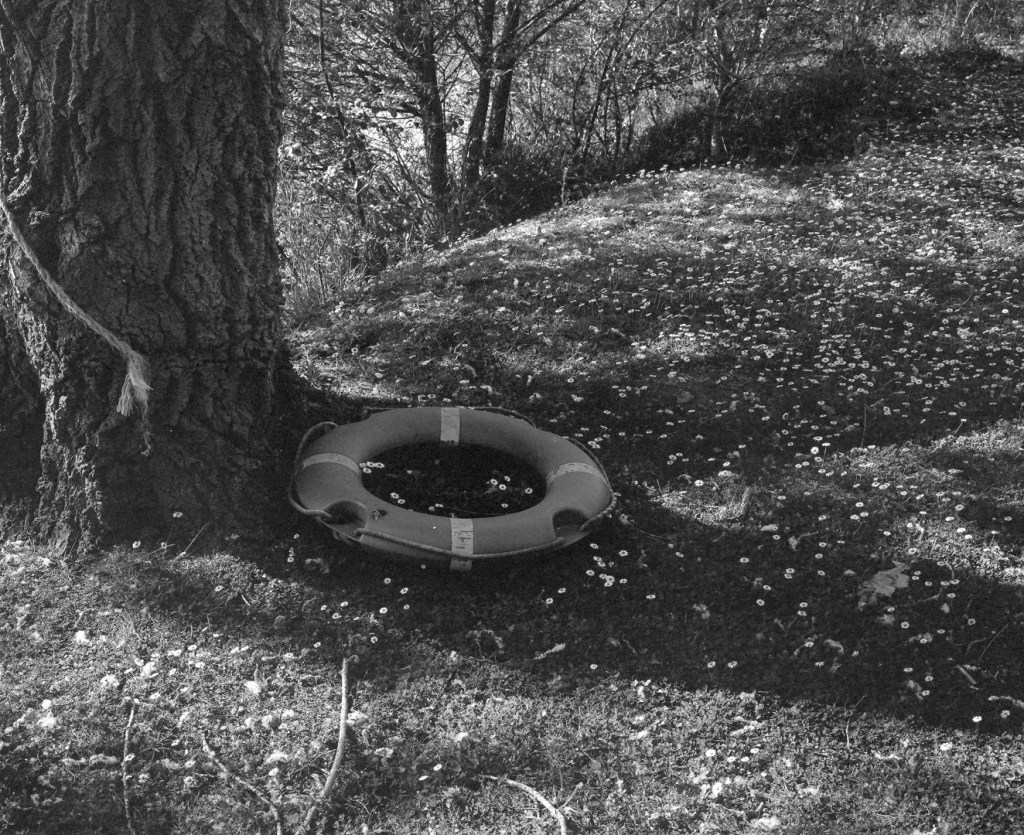
The black and white images I show above are from Riverland. The colour images are from a different projects and I have included them to illustrate the aesthetic quality that I admire. Riverland is an analogue project, using a Rolleiflex camera, that she started in 2020, when much of the world was in some sort of lockdown. The body of work consists of portraits and landscapes from rivers and waterways in France, where she lives. She regarded the river as a metaphor for life in the way it meanders and flows along.
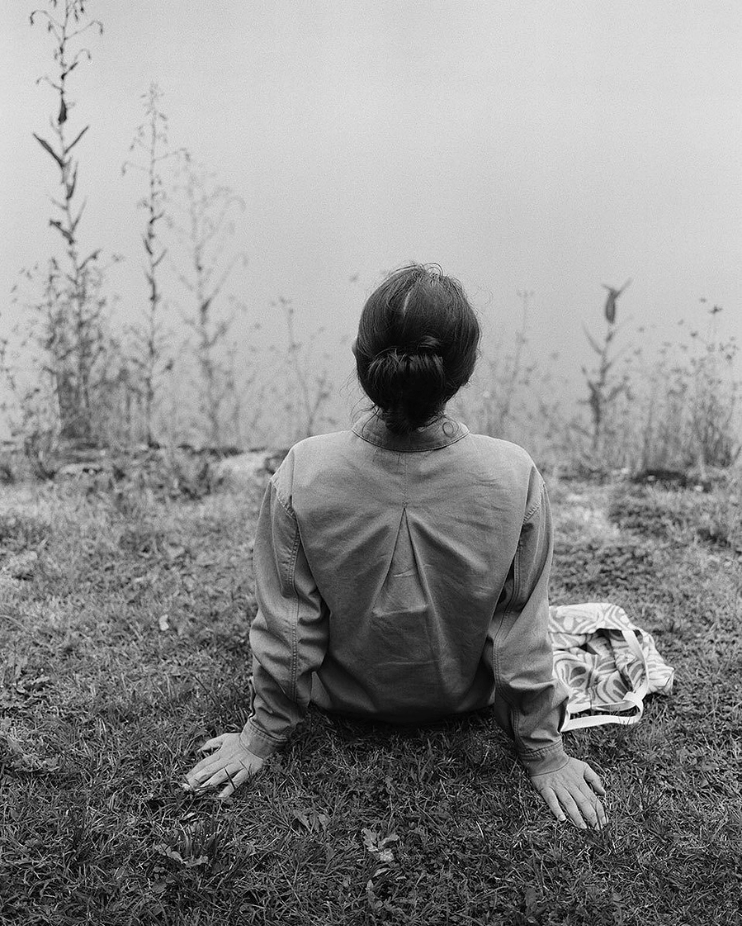
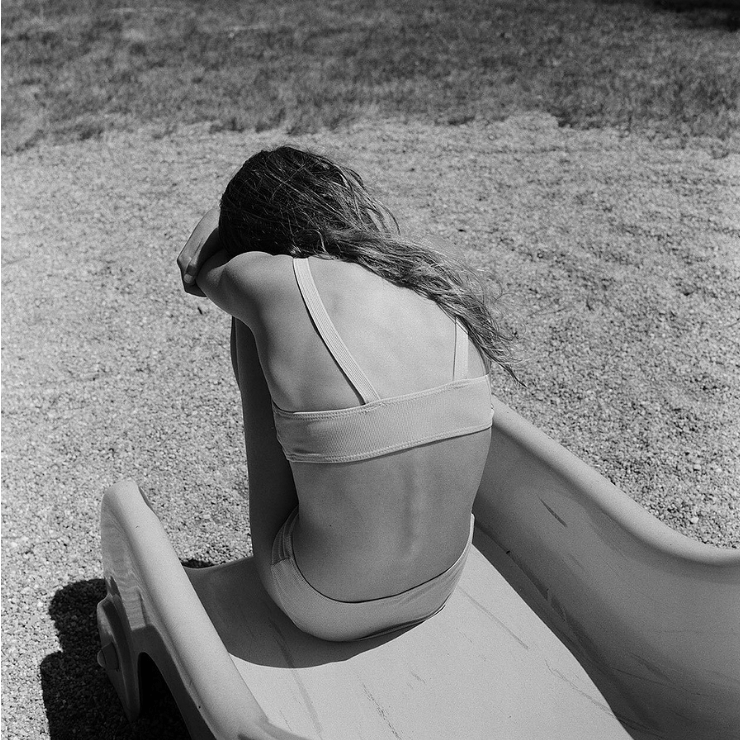
The portraits above are reminiscent of some of the photographs I’ve taken myself, these below at the lake in summer, technically there are of course vast differences but I’ve shown my photographs below to illustrate my point in terms of theme.
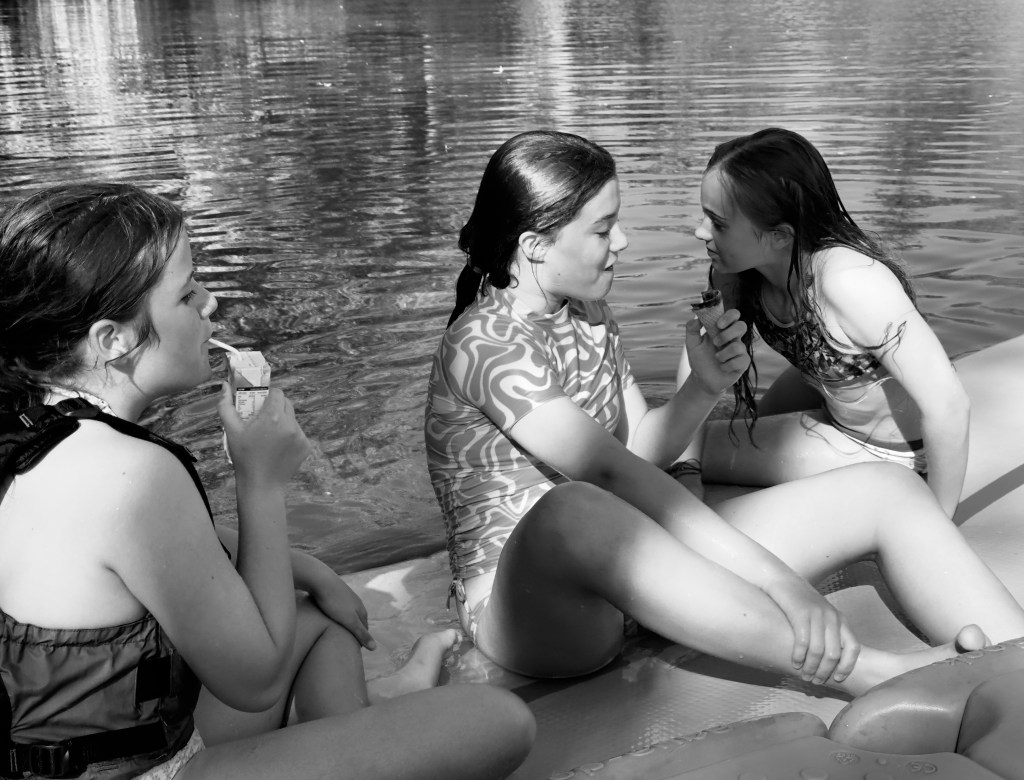
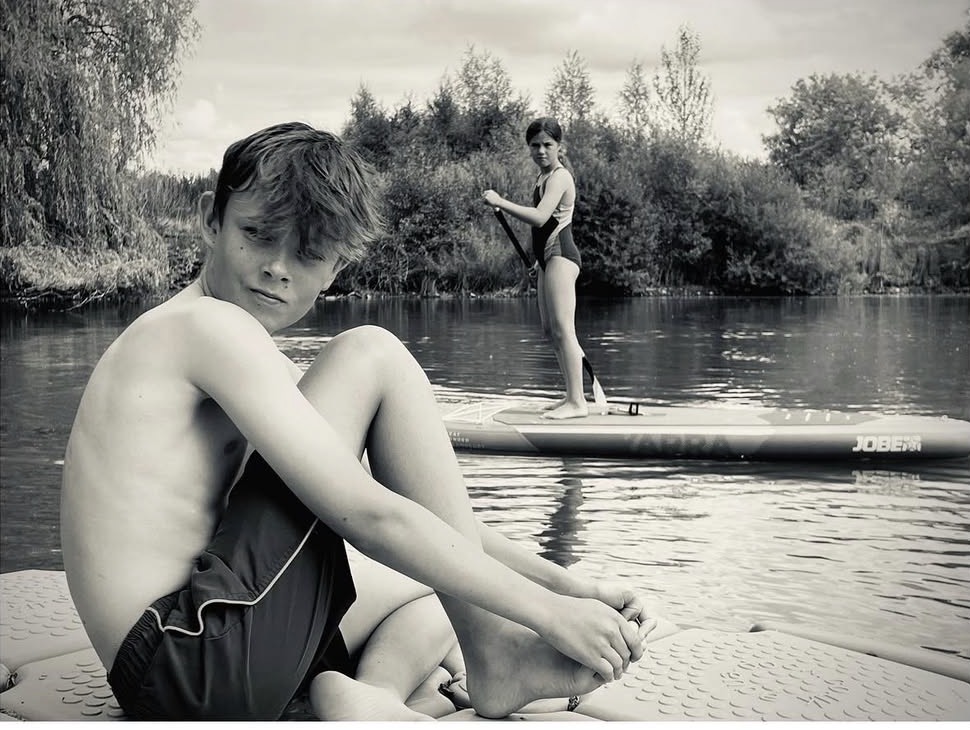
It is of course a different experience to take a photo of a stranger. She discusses this saying that she finds that aspect very difficult. This surprises me because she has so many beautiful examples of portraits in her catalogue and I would assume this would be something to avoid if its not a process you enjoy, however, I realise that the point here is to overcome this, to prevent it being a barrier to her own development. This is quite a realisation as I consider the ways in which I restrict my own development because of fear. Martinot talks about how she feels like she needs to rush because she has a sense of imposing on people, this is what I feel too but she explains that by talking to people as she works this removes that fear and it is becoming easier. I am mindful of this and I feel determined to challenge myself in the future when potentially creating photograph

This is a great article which is at the core of my subject: https://www.theguardian.com/artanddesign/gallery/2025/jun/11/down-by-the-river-a-meditation-on-mental-health-in-pictures

Dacha shoot (analogue) 25th August 2025

Mamiya 7ii 80mm lens. Handheld. Shot at around 7.30pm, bright sunny day.

This was a particularly bright day, I had Delta 100 film in the camera, which I don’t normally use but I wanted to give it a try. Immediately it appears more metallic than the Ilford that I’m used to but that’s not to say I don’t like these, on the contrary, I can see how some ambiguity and abstract compositions might be an effective method of conveying my theme. The images remind me a little of some of the photographs from a series by Marjolein Marjolein in her series ‘Riverland’ (fig 1)

Fig1. ‘Riverland‘ Marjolein Martinot, 2022

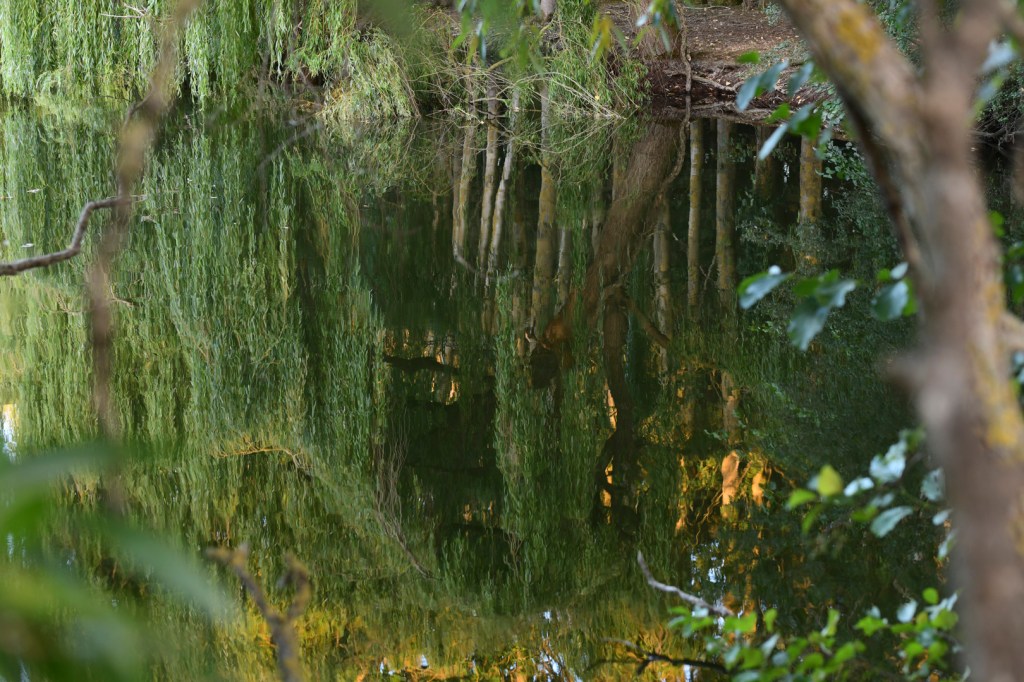
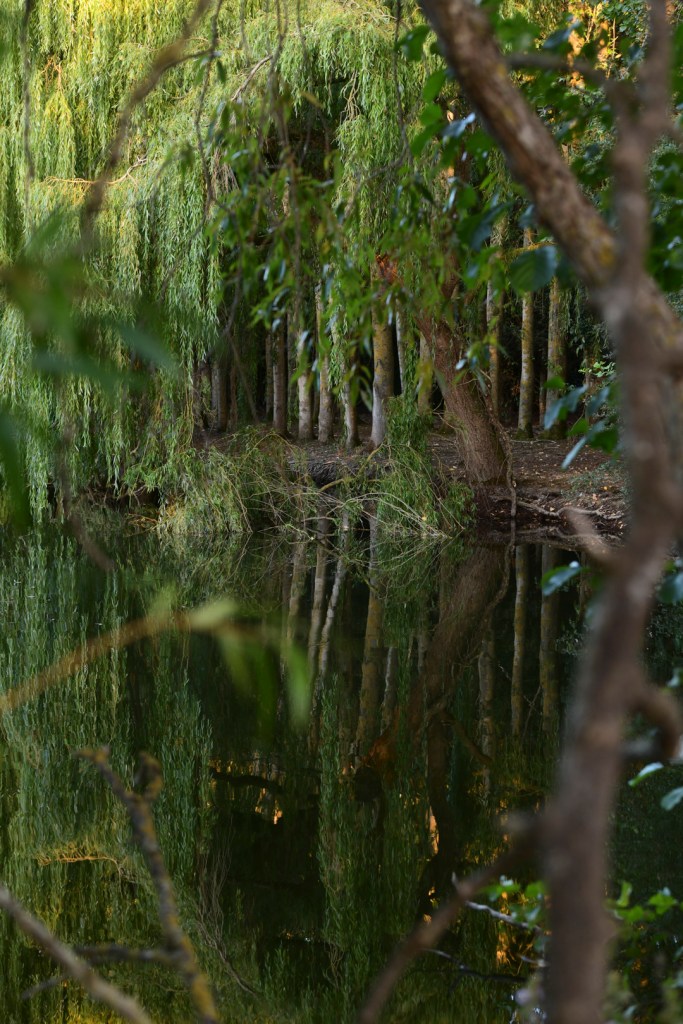
My favourite image is no 5. At first it looks as though it could be a charcoal drawing and then I noticed the reflections, you can see the bottom of the lake because the water is so clear, there is debris on the surface, reflections from the trees above, the weed and debris on the bottom makes it a possibility for a large scale print.

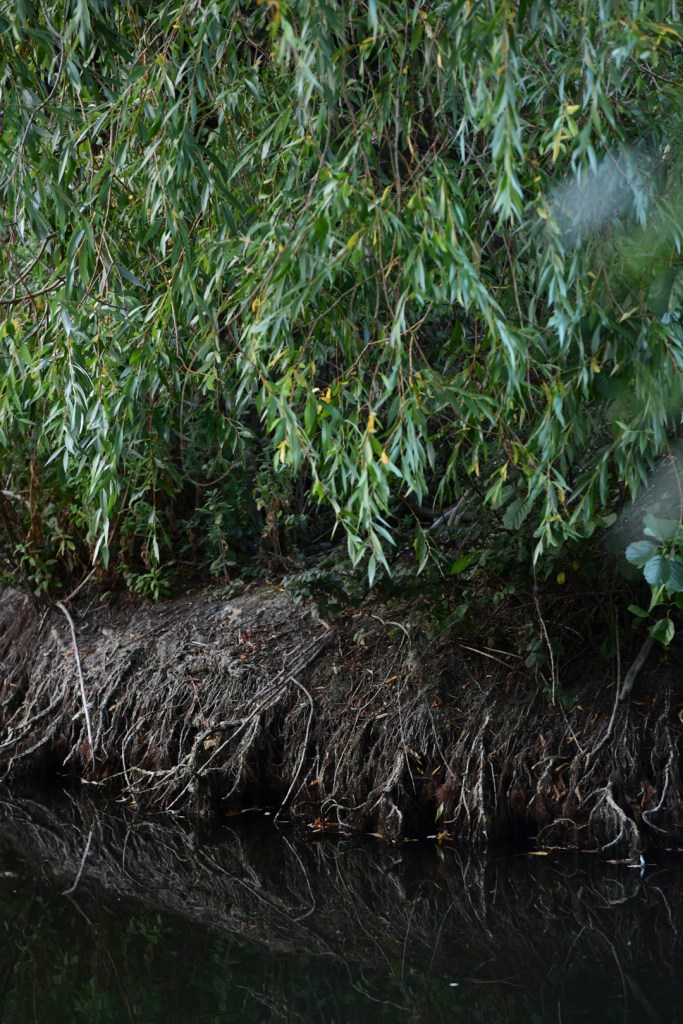
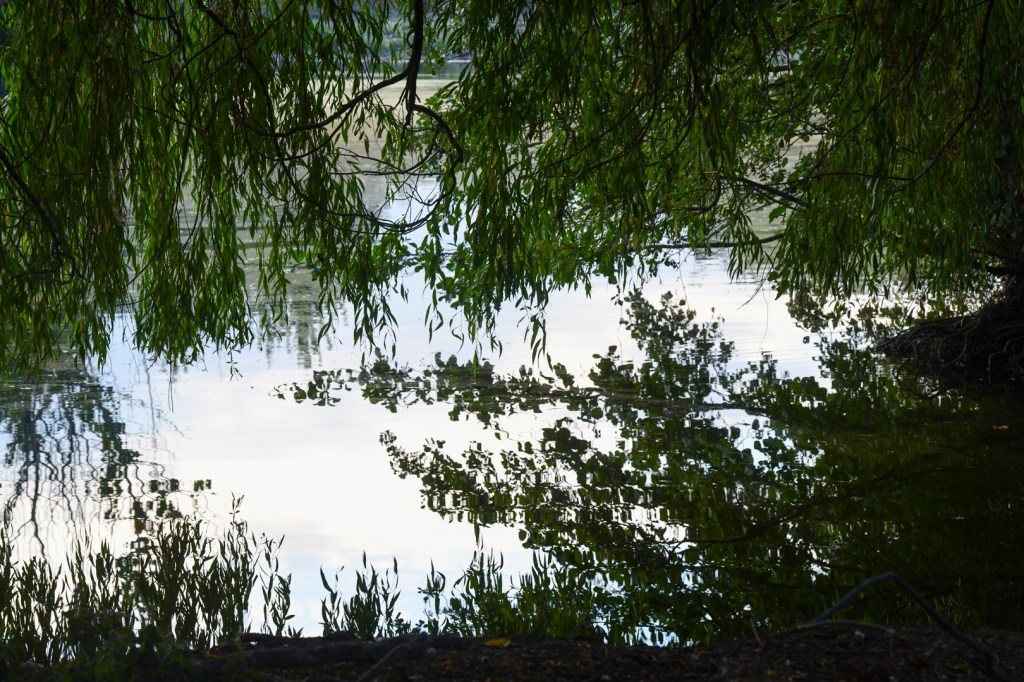
I had explored the lakes slowly, having already been around once with my digital camera. I tried to think about my surroundings, the heat had been quite intense and was levelling off a bit given the time of day. There was a very distinct stillness all around, insects could be seen above the water, and light bounced off every shiny surface. All in all it was a perfect summer evening. The was a a lot of algae visible on the surface of the water, in some areas make it look like solid ground. Under the shade of the woodland I photographed under the canopy of the trees, I noticed the reflections and the shapes they made, the initial investigation with the digital camera really enabled me to pause and reflect more on a second walk around. Its worth using this method of documenting and exploring again, it is as if I need to use up some mental and physical energy first.

Link to images: 7800 IMAGES

Dacha shoot (digital) 25th August 25

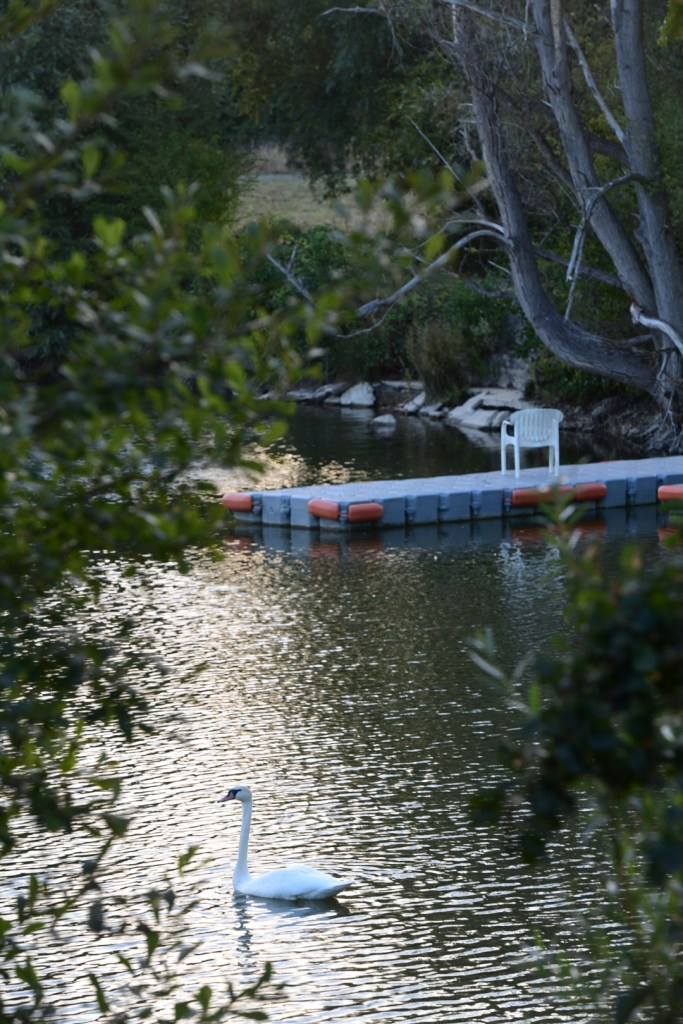
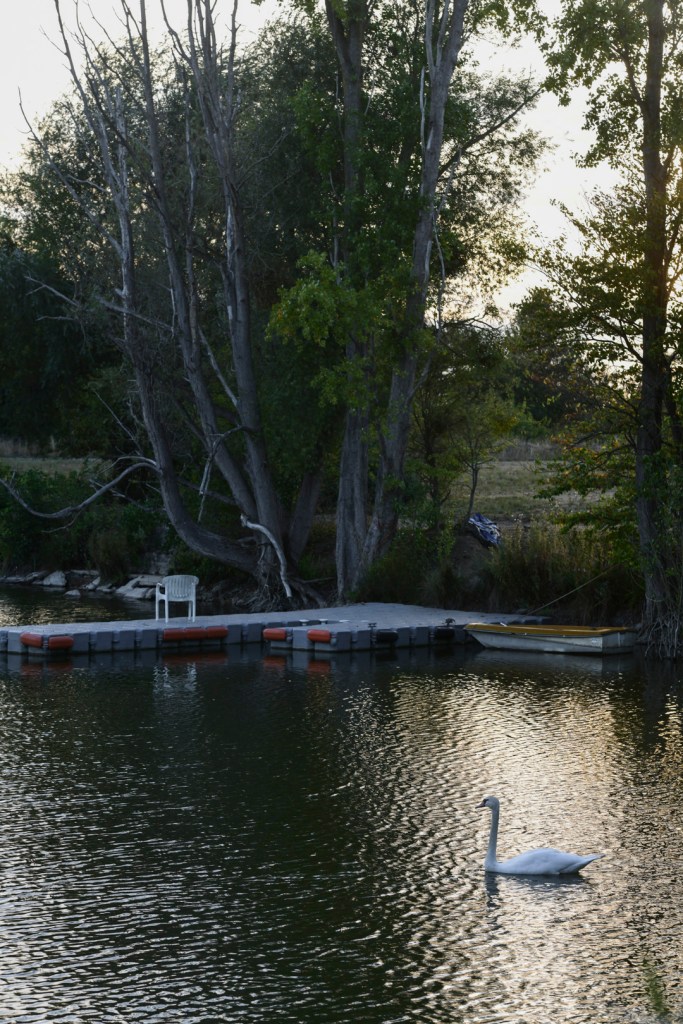
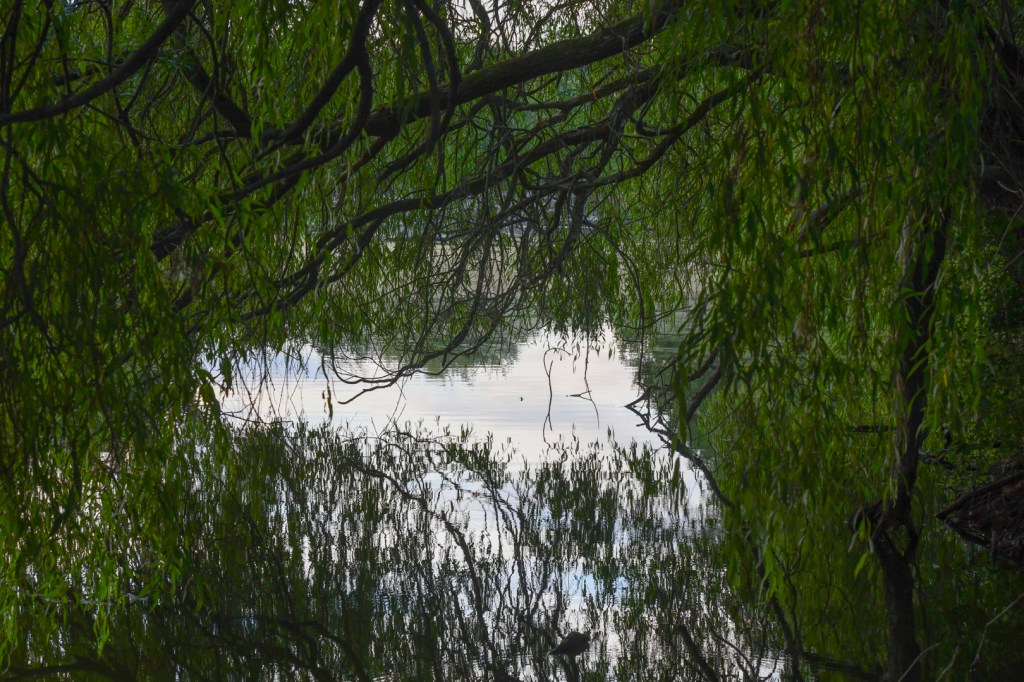
I took my Nikon out and treated the activity just as a walk rather than a photoshoot. Some of my photographs were banal but I’ve selected a few that I felt had the beginning of something more meaningful. Successes for me are the shots under the tree canopy at the waters edge. I, like many people am drawn to water and this is the place which contains the memories of mid summer when the lake is used for leisure and the teens ‘hang out’ on its banks. The swan is reclaiming its territory here, with everyone now headed home. I have ideas for other projects which centre on this lake. It centres around the summer months when it is very much in use by family and friends. Of course, thats not possible for this final project because it is being carried out over Autumn and Winter, when the landscape takes on a whole new meaning for me. A place of solitude and quiet where I get to lose myself in my own thoughts.
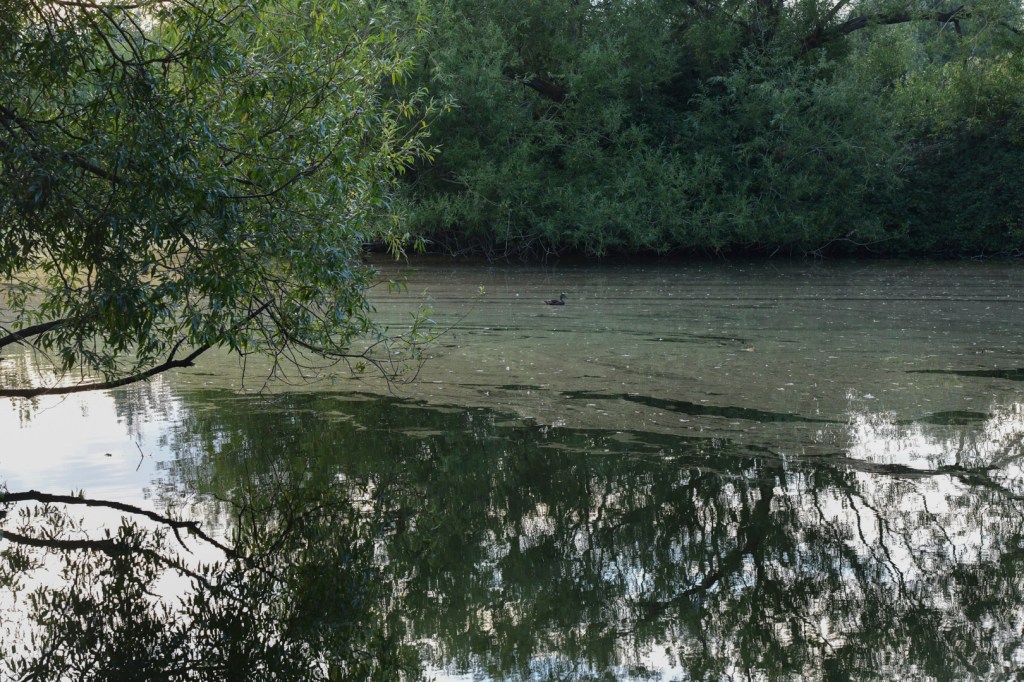
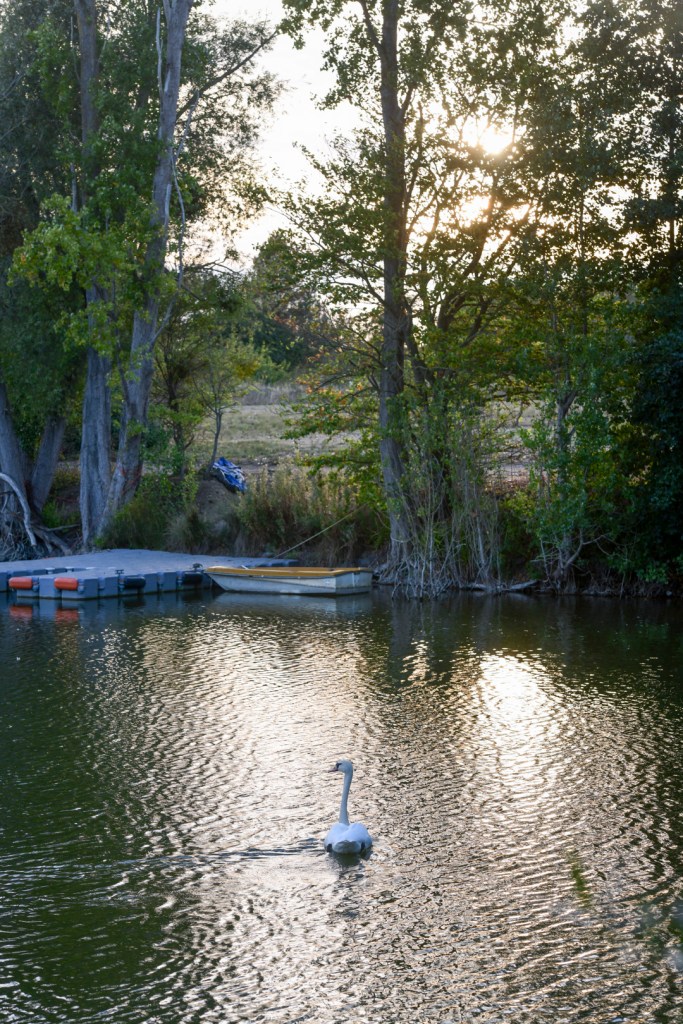
I shot alongside using my analogue camera, the images from that can be seen on the following post. The light was very bright even though late in the day and it was surprisingly tricky to get the balance right.
At this moment I was very much still trying to narrow down my theme and now, writing this up and having developed this further, I am not sure how these may / may not fit. I think that they do tell part of the story of the place itself.

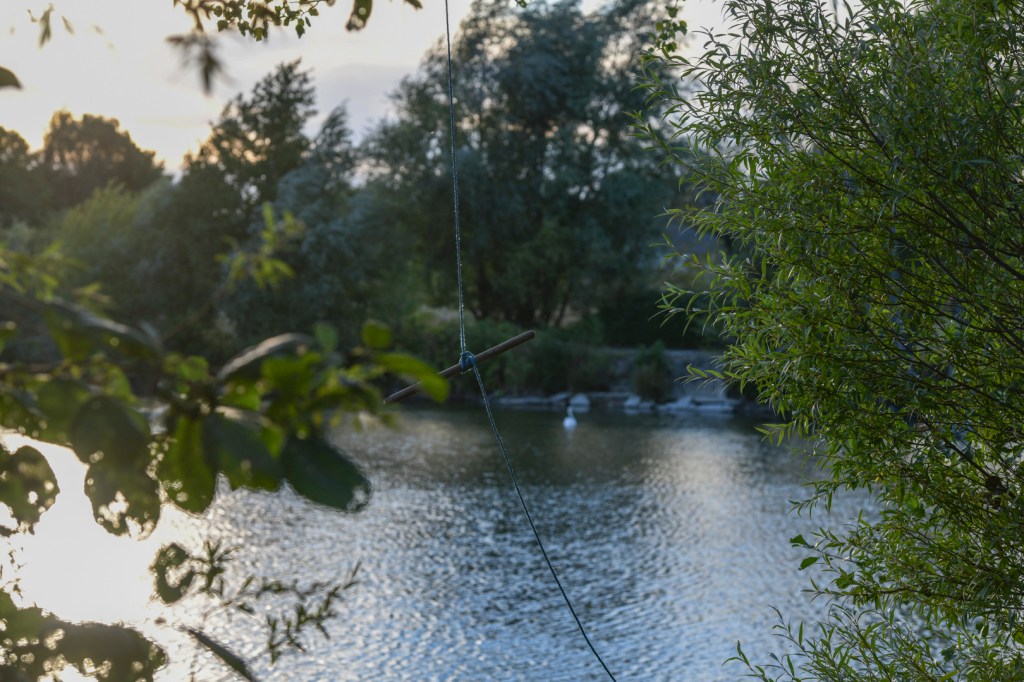
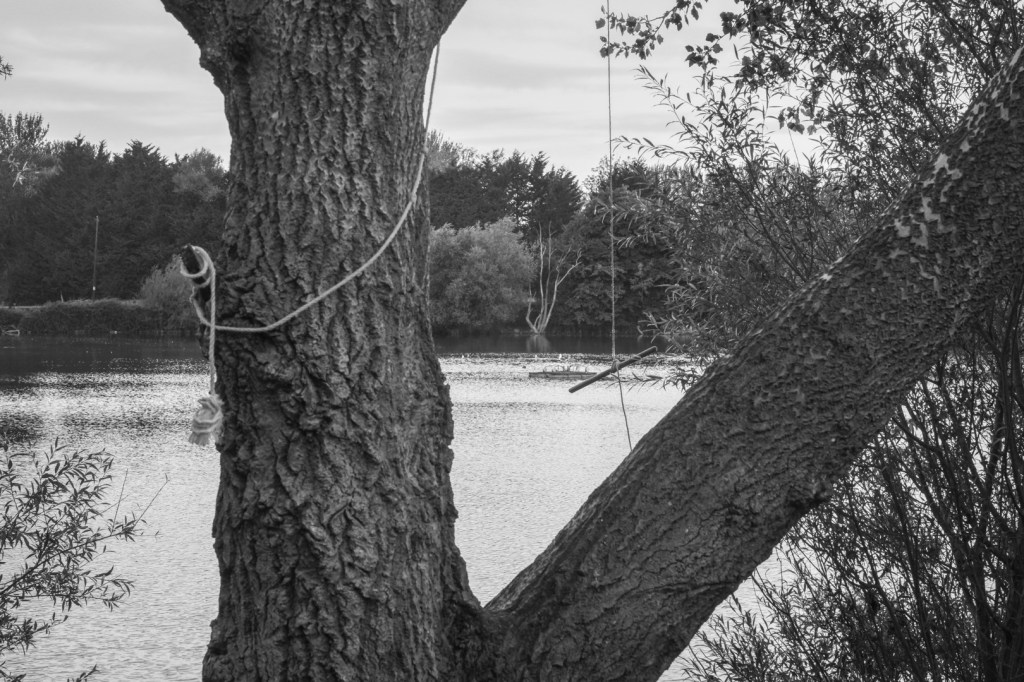
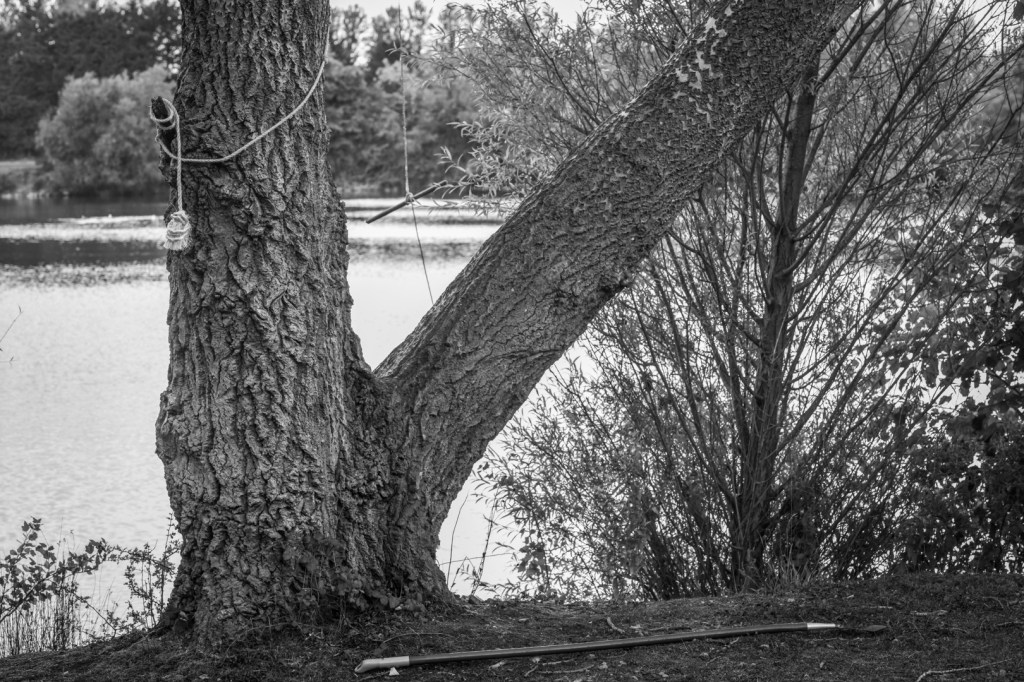
In the first few images of the ‘square lake’ I have concentrated on the aspect of the lake which we use for socialising. My children are there as soon as the temperature climbs in the spring, until the last of the summer warmth. There is a deep connection with this place, when I think about the summers spent here and some essence of each of us remaining, memories are literally contained here and the rope swing in particular symbolises that. I admit to a tinge of sadness when I photographed this, knowing that this is another year of a rapidly disappearing childhood done. I think that may be why I chose to convert the tree and rope swing images in to black and white. I didn’t want the distraction of colour to detract from the memory. The garden hoe was used by the children to ‘grab’ the handle of the rope swing to pull it back in, ready for the next launch. The presence of the swan, peacefully swimming along whilst I photographed, did make me think about how it is probably enjoying the peace and quiet now. The white chair in the background, and also of the yellow boat on the late, as well as the kayak on the shore, is further intended to show where someone once was, enjoying the surroundings.

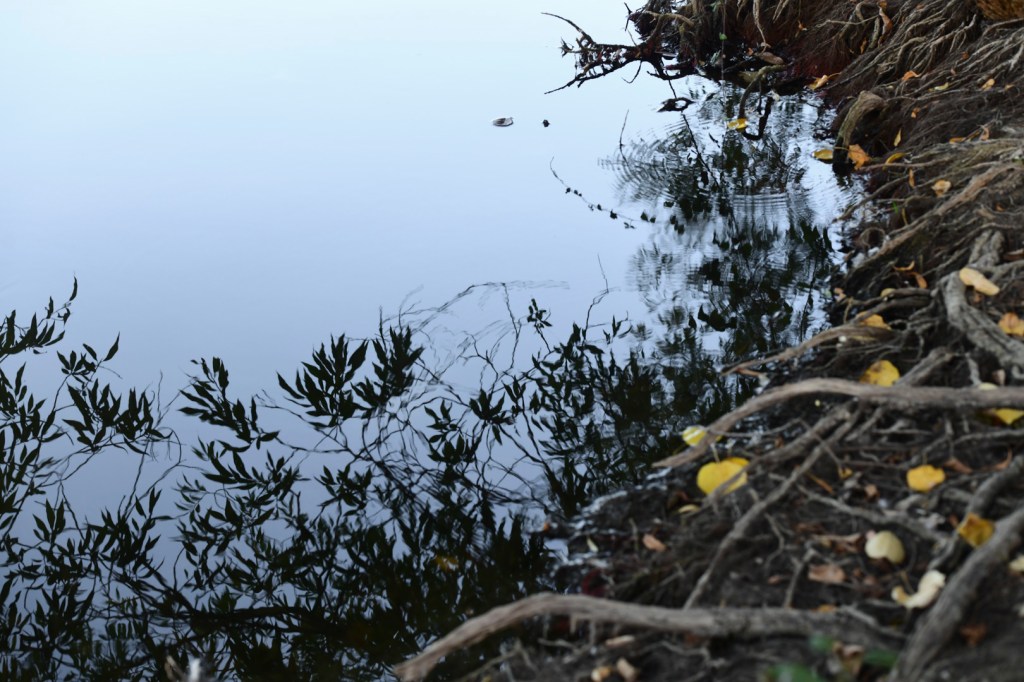
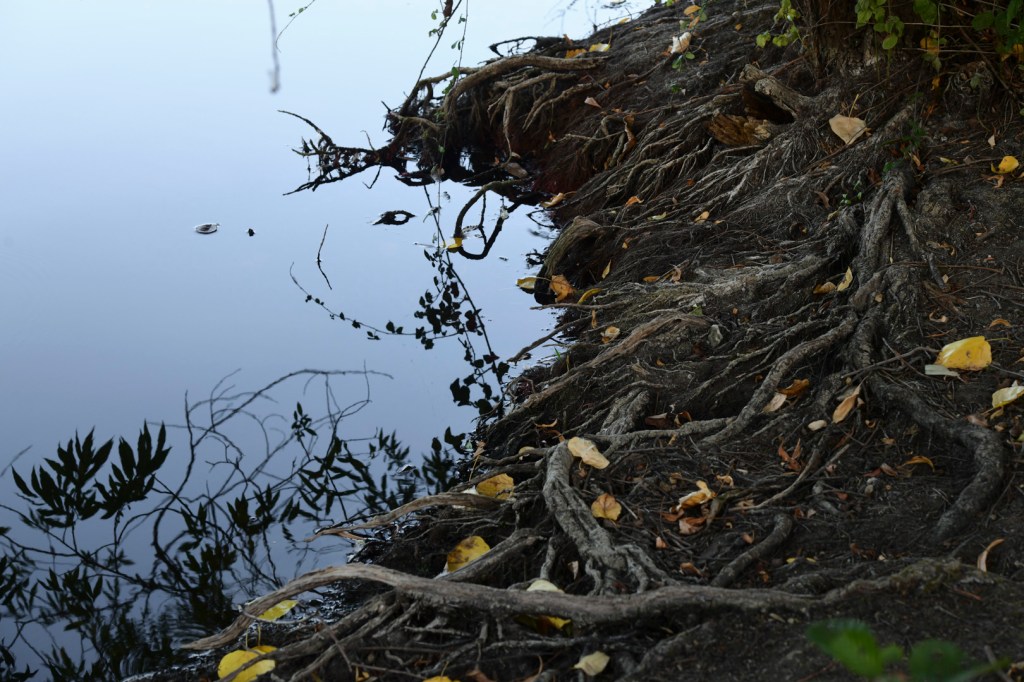
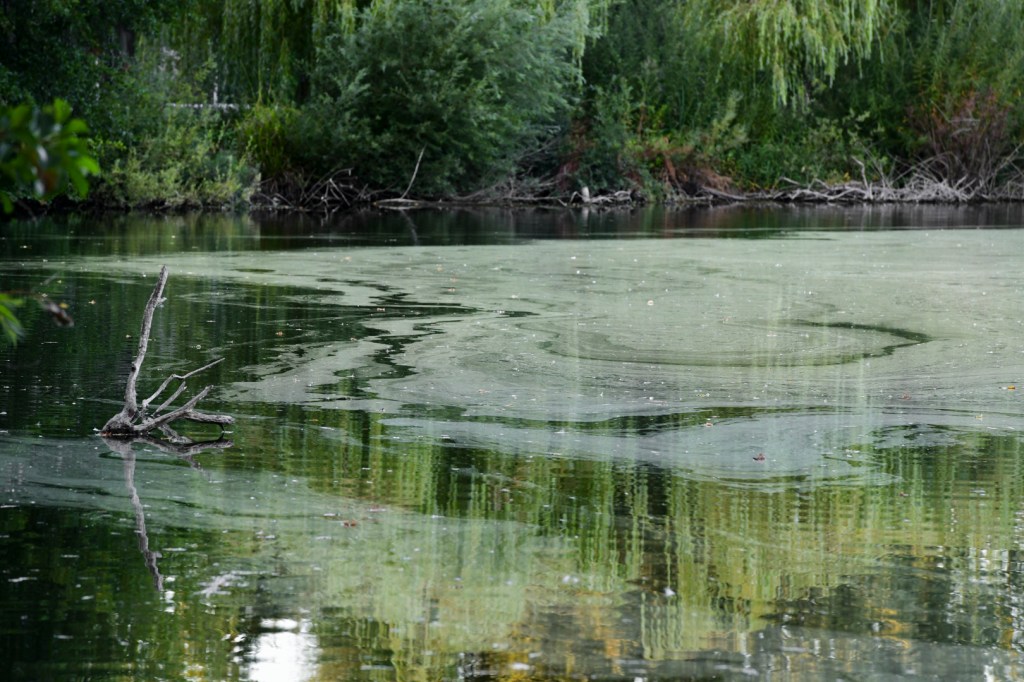
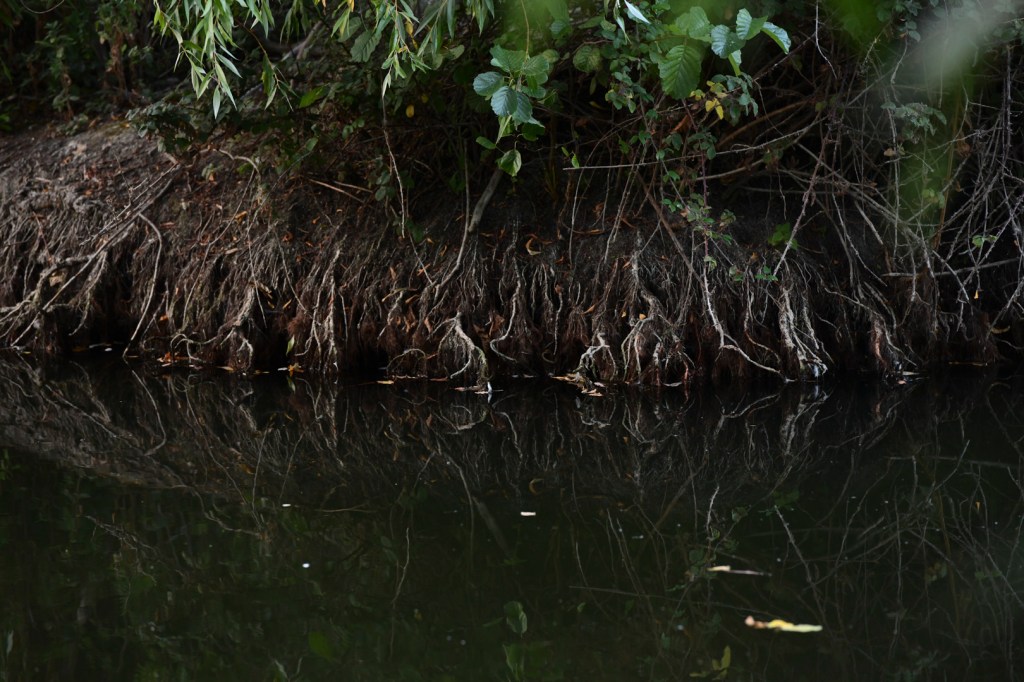
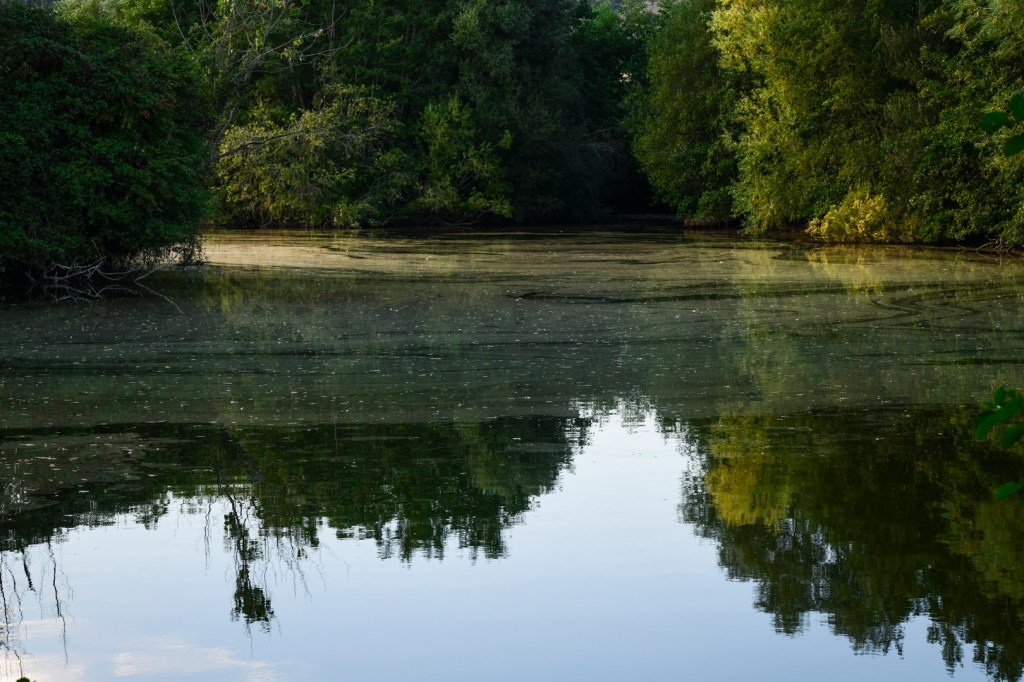
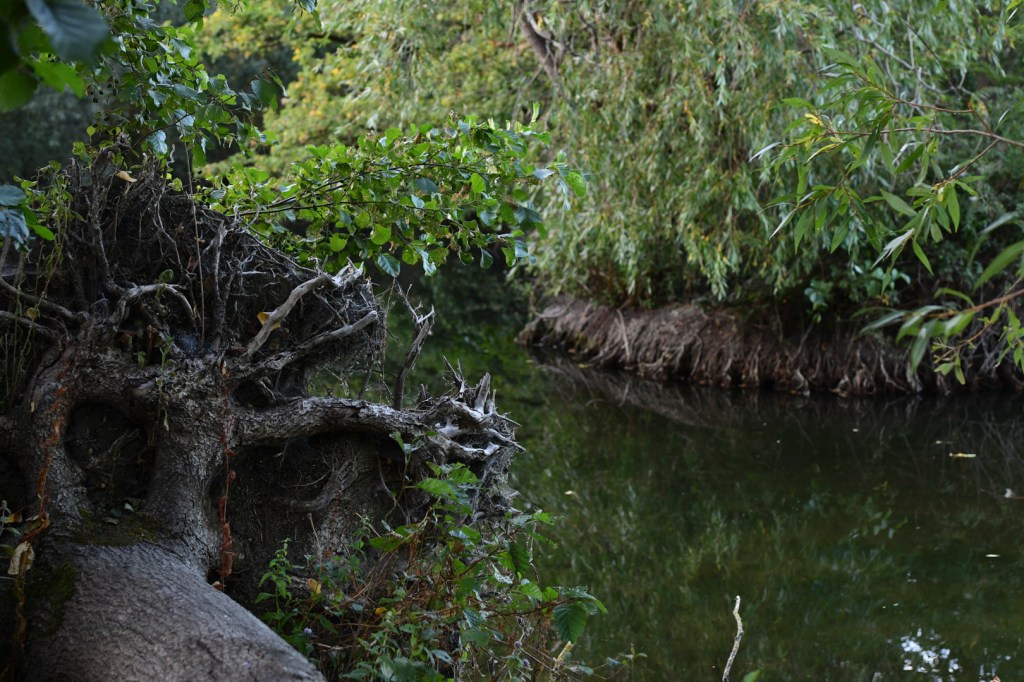
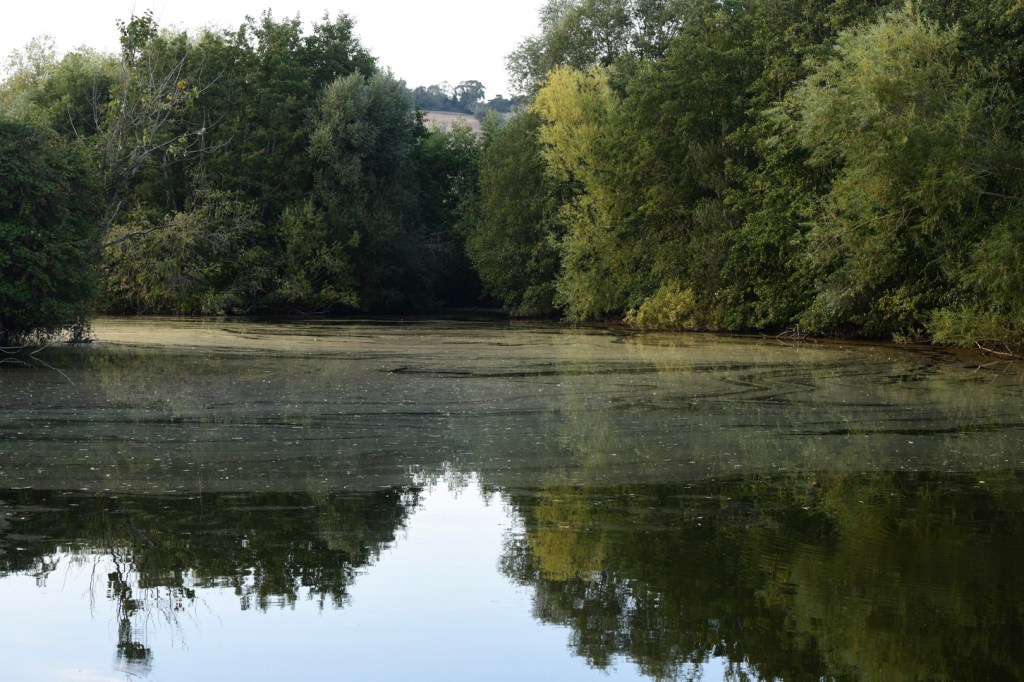
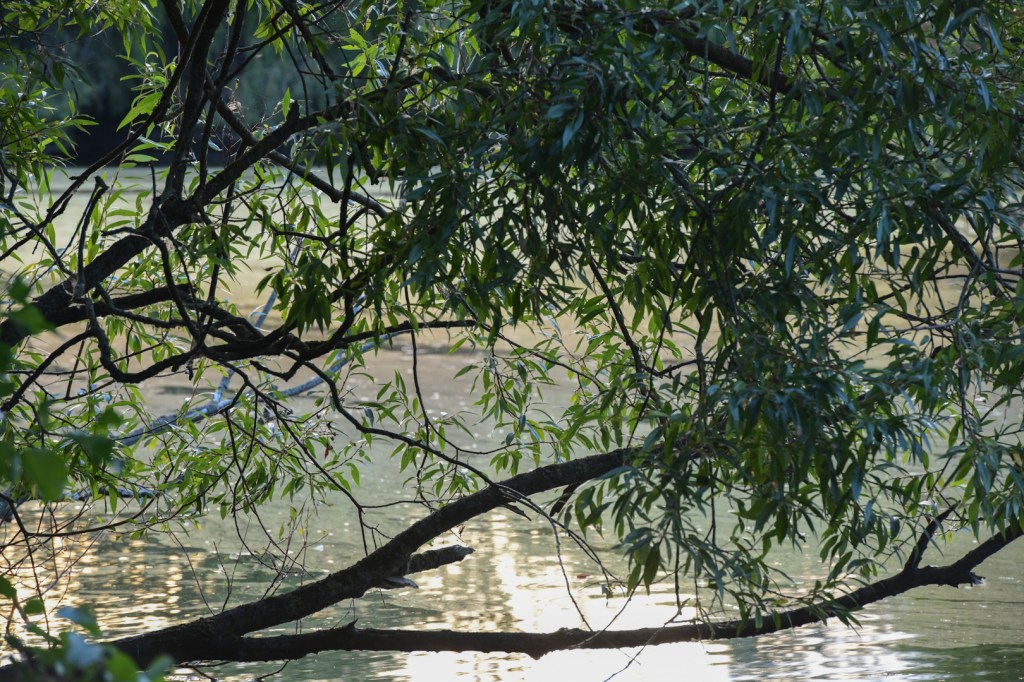
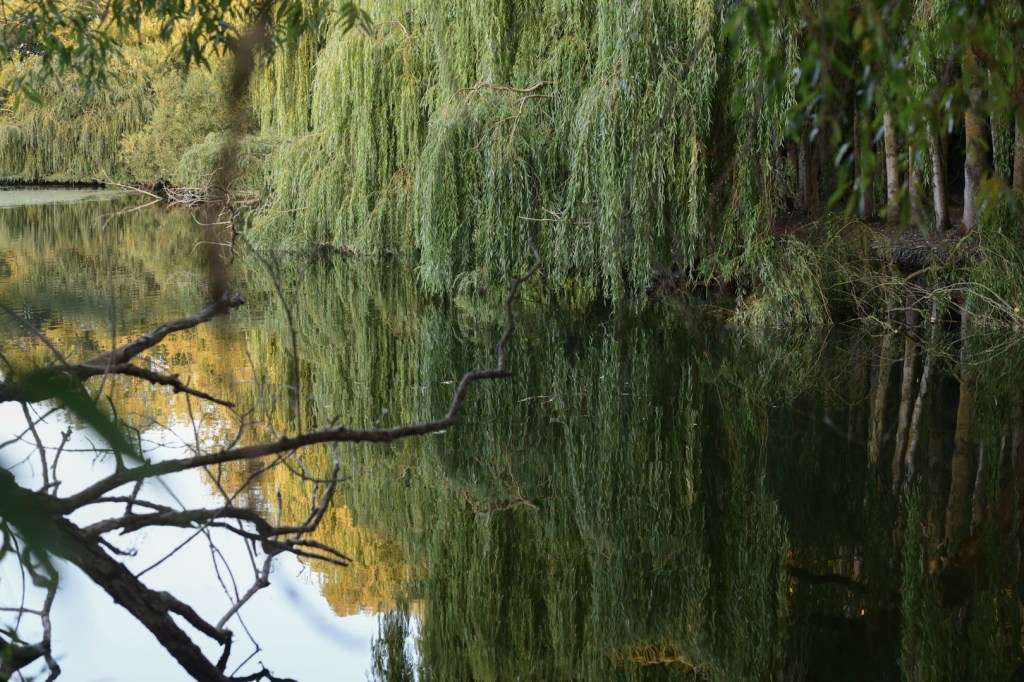
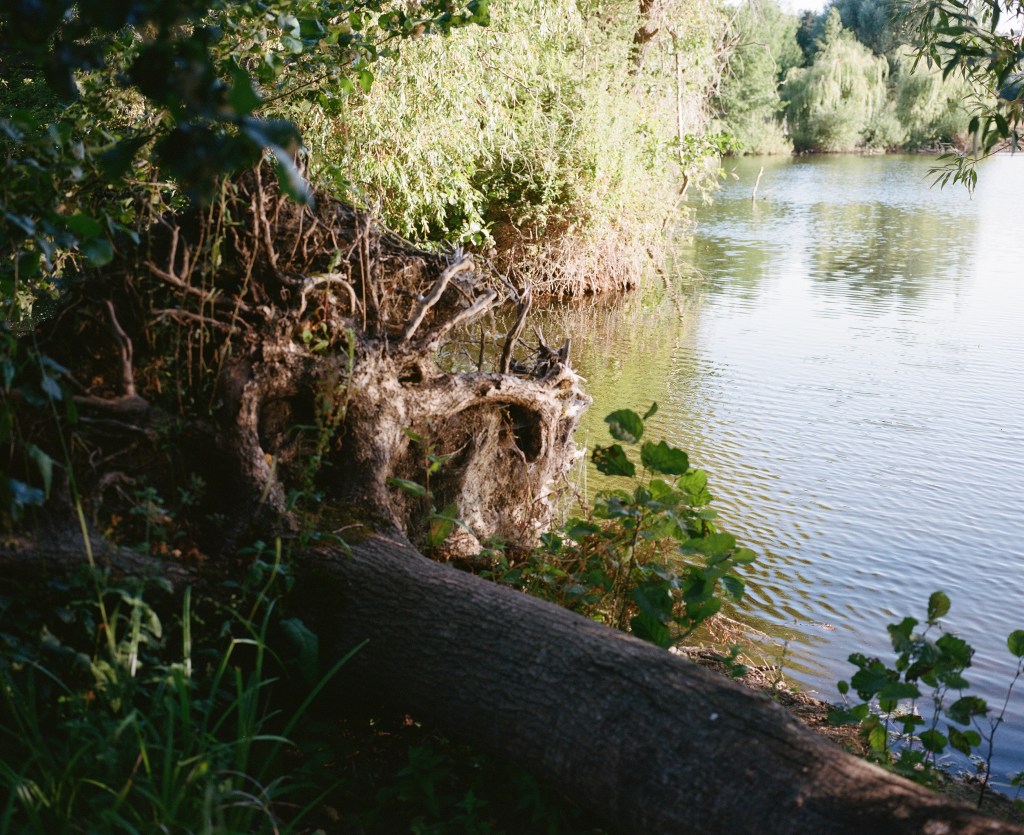
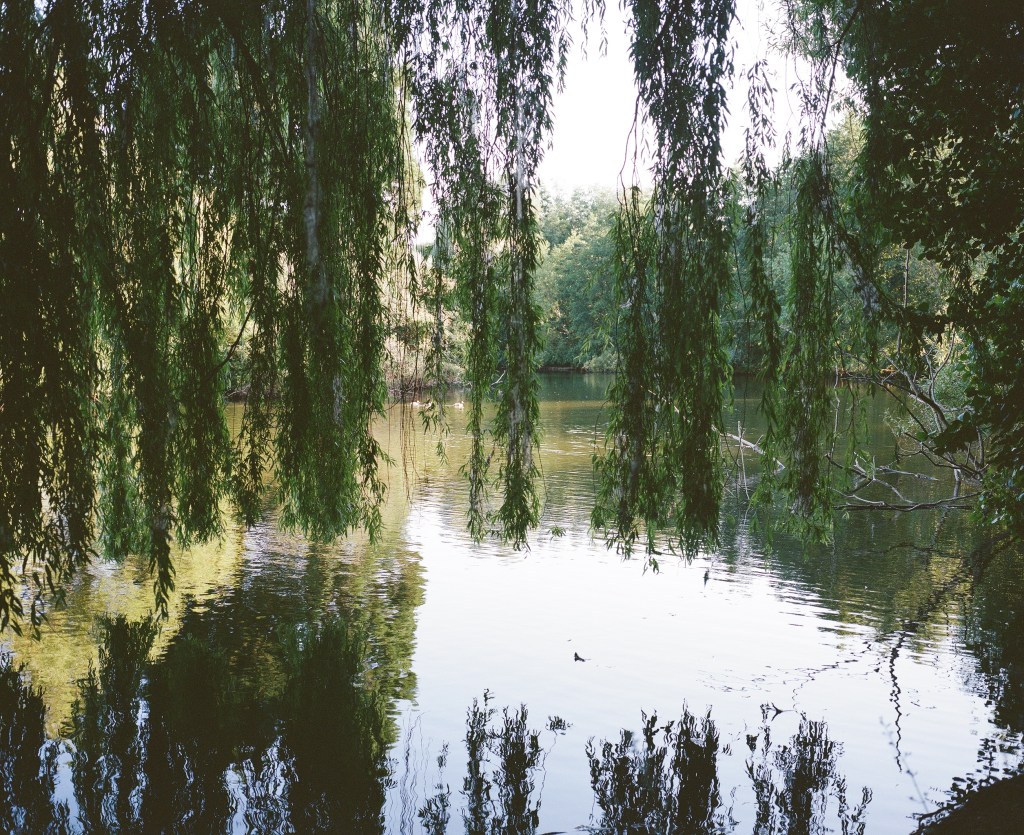
The next set of images is from the adjacent lake, this is less used as a ‘playground’ as it is close to holiday yurts that my mother and stepfather rent out. Also manmade, these have over the years changed shape as my stepfather digs out channels and creates small island areas for the wildlife. Not one to leave things be, he enjoys creating spaces for all (people, plants and animals alike) which results in an abundant landscape. For these images, I was able to concentrate on smaller details, like the reflections of the trees, plants and the exposed roots. This was taken at a time when Southern areas of the UK had no rain for 45 consecutive days. The impact of this was so clear to me when I took these photos. Areas of the lake were completely dried up and you could walk from one section to another, without getting wet! Even the algae bloom was everywhere this year which you can clearly see on the lake surface. I like the traces of the ducks etc in the water, revealing where they’ve been, which of course would be impossible without the algae.

I think I have some nice photographs but none of them really say anything about what I am trying to create. I do feel some frustration at this stage, I have also photographed using my analogue camera, I am hopeful that the film will be more rewarding as I have taken more time with it, with only 10 frames per roll of film, it commands a slower, more considered approach. I have realised I am almost using my digital camera to document this process.

Link to images: 7800 IMAGES

Dacha – 1st August 2025

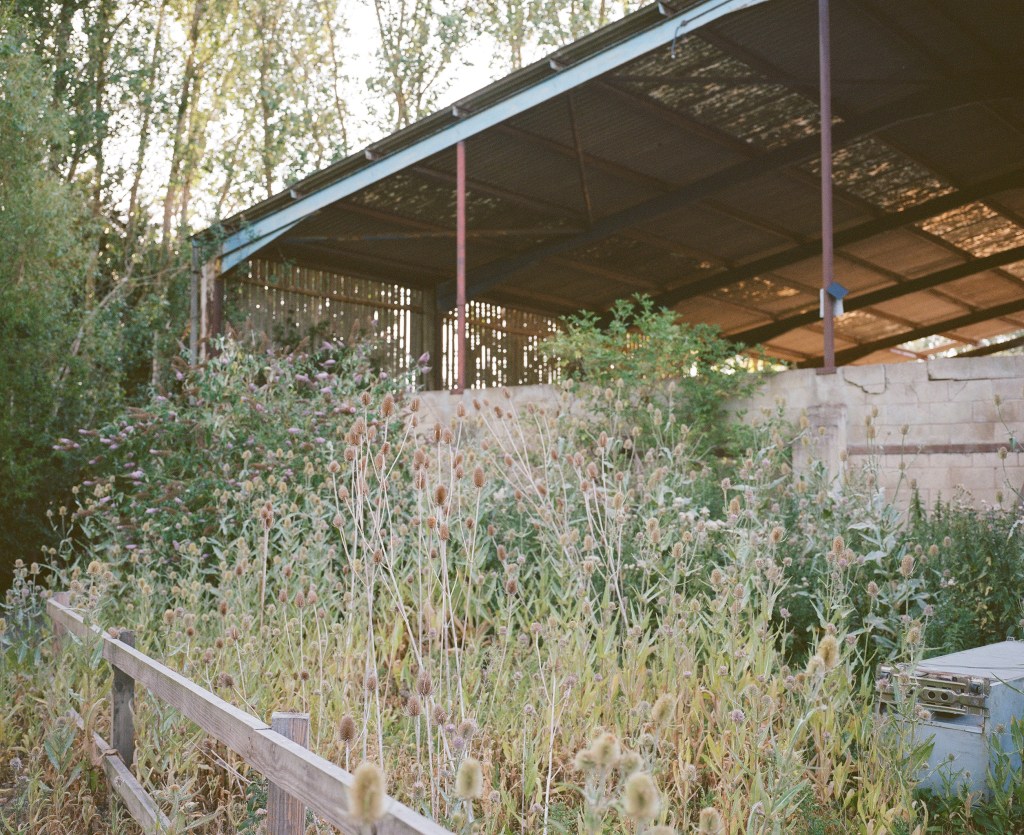
This was an early shoot with my analogue camera, I tried a few ideas out when at Dacha and also when I was away in France at my in laws. I hadn’t thought too much about these images at the time but on reflection, I decided to include several in my analogue book (images 6, 8 & 9) these were taken when we had a very hot period over summer, I shot the photographs at Dacha in bright sunshine and I think this shows in the colour photographs, the greens are not right and the overall scene looks too bright. I do like image 1 but this doesn’t fit well with what eventually will become my series. This shoot was predominantly about getting used to a new camera and to practice being present in the landscape.

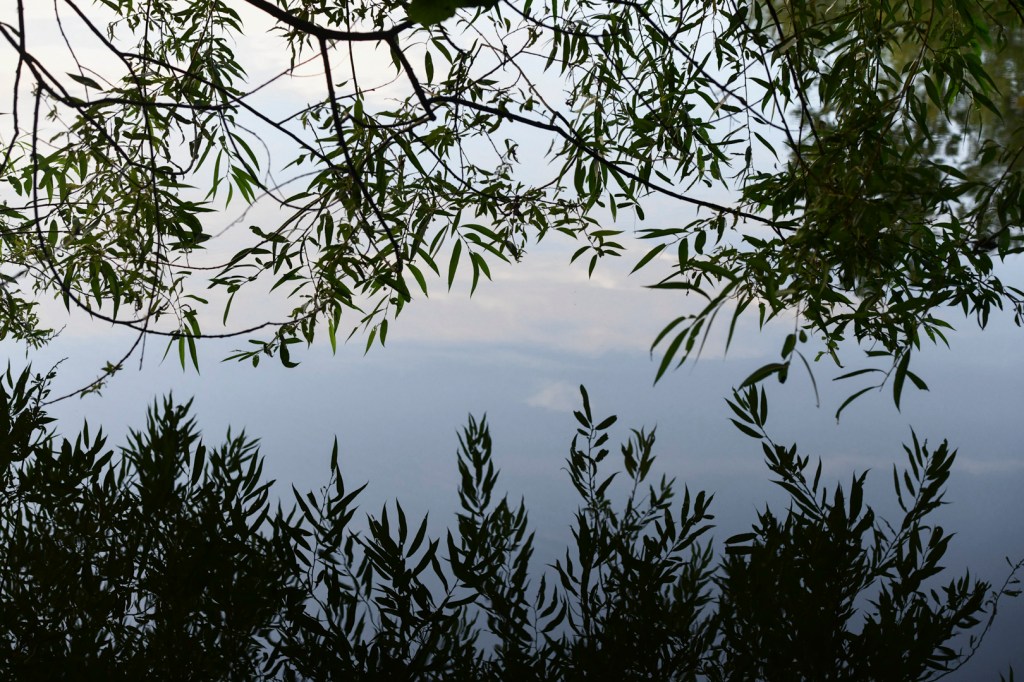
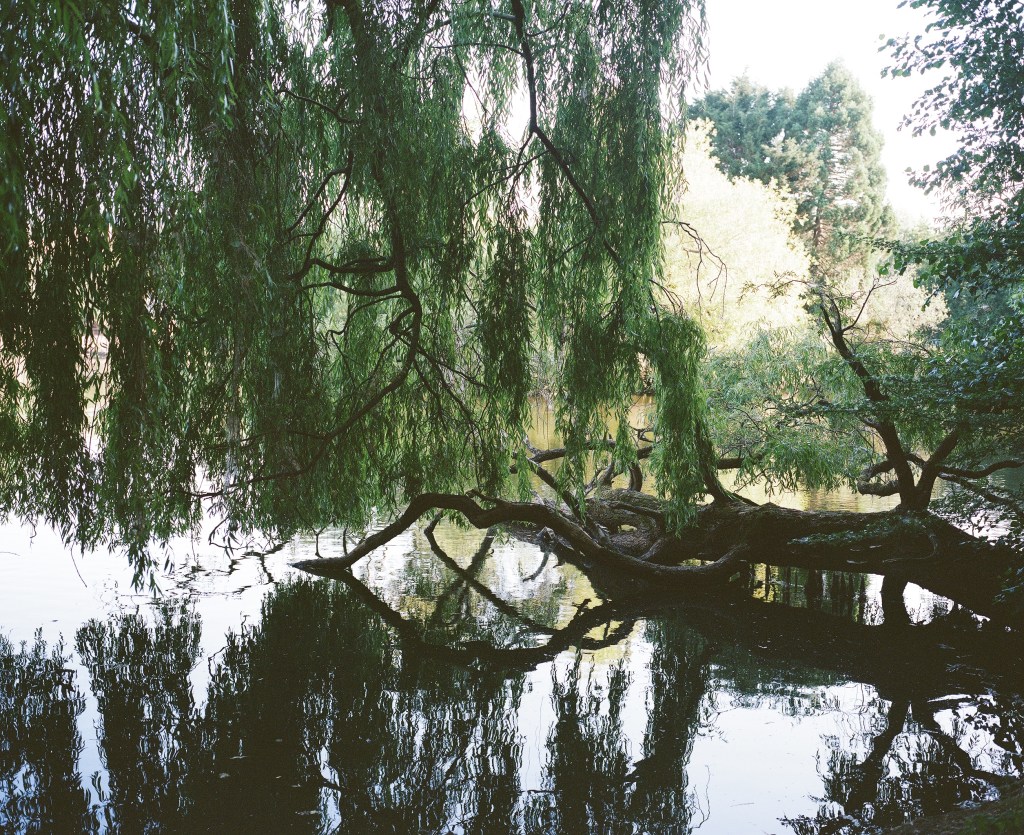
In image 9, I particularly like the reflection of the clouds in the sky. It looks as though someone has swished a paintbrush across the centre of the scene. I like the many shapes around the frame of the picture, from the trees on the bank of the lake and the leaf debris floating on the top of the water. I think there is quite a lot going on in this frame.

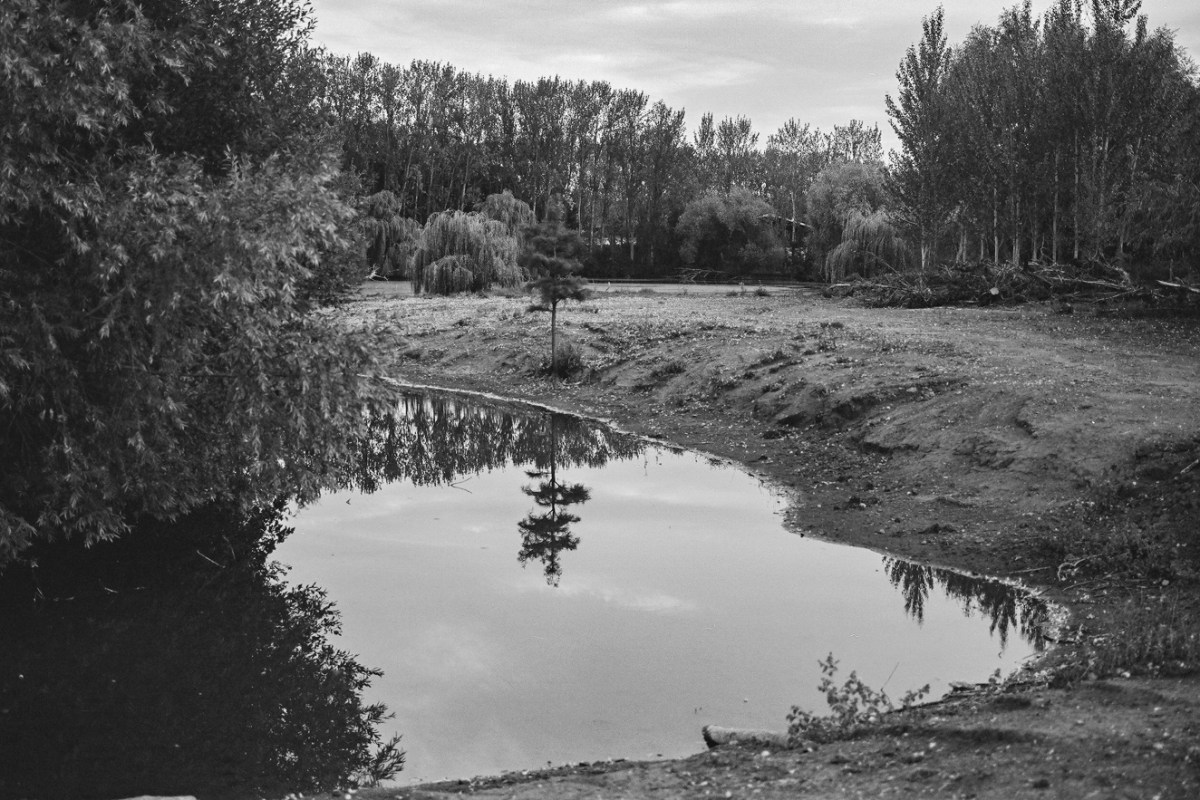
For photograph 6, this shows the extent of the dry summer on this part of the lake. The bank was bare and dry, the water level is very low. It signifies the time of year as well as aims to lead the mind to wander what is around the corner, in my direction of travel. I have included this in my final selection as it acts as a link between images.

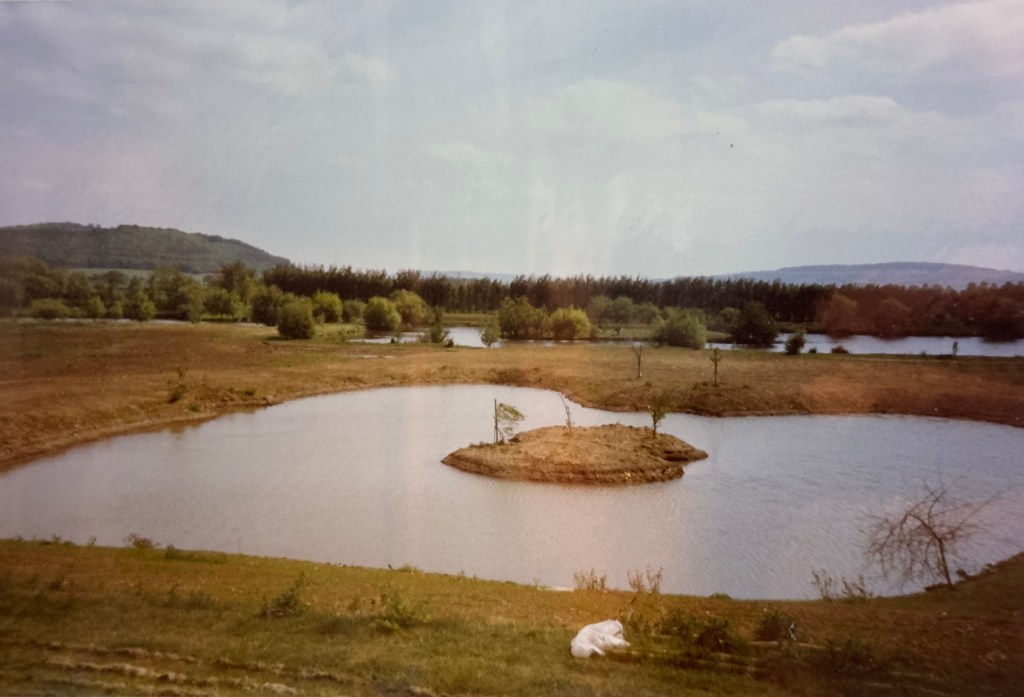
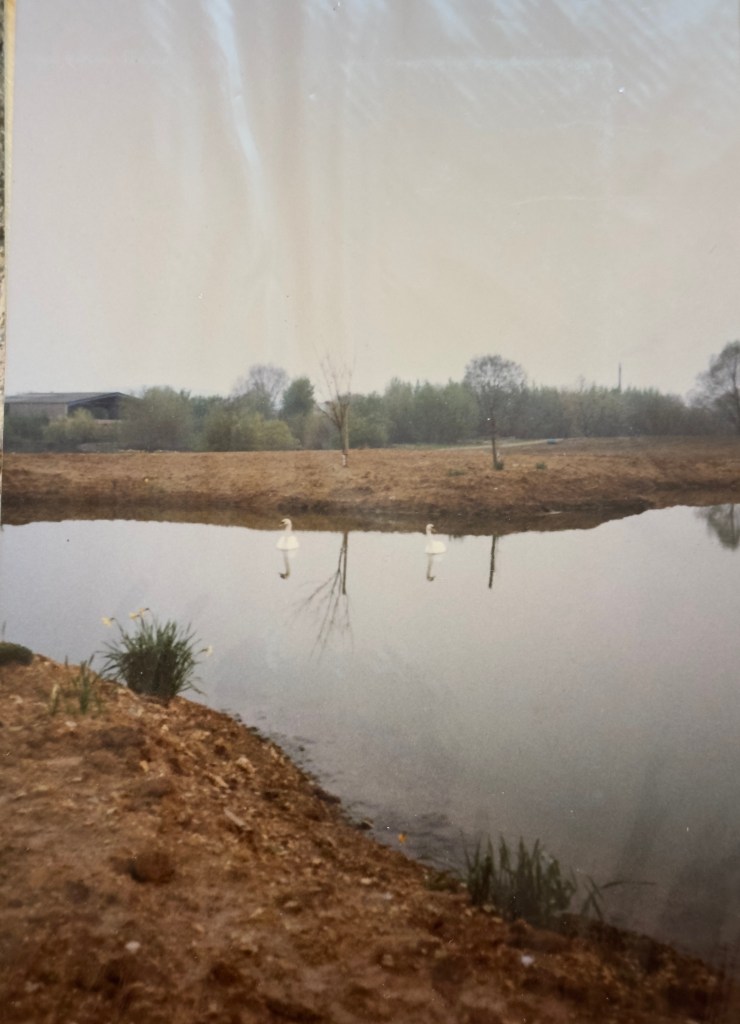
In photograph 8, I like the various shapes here, this emphasises how my stepfather alters the shape of the place. In the two photographs below you can see what was originally there when they created the lakes back in the 1990s. It is a very different place now and it has changed shape many times, almost like an ongoing large scale work of art!