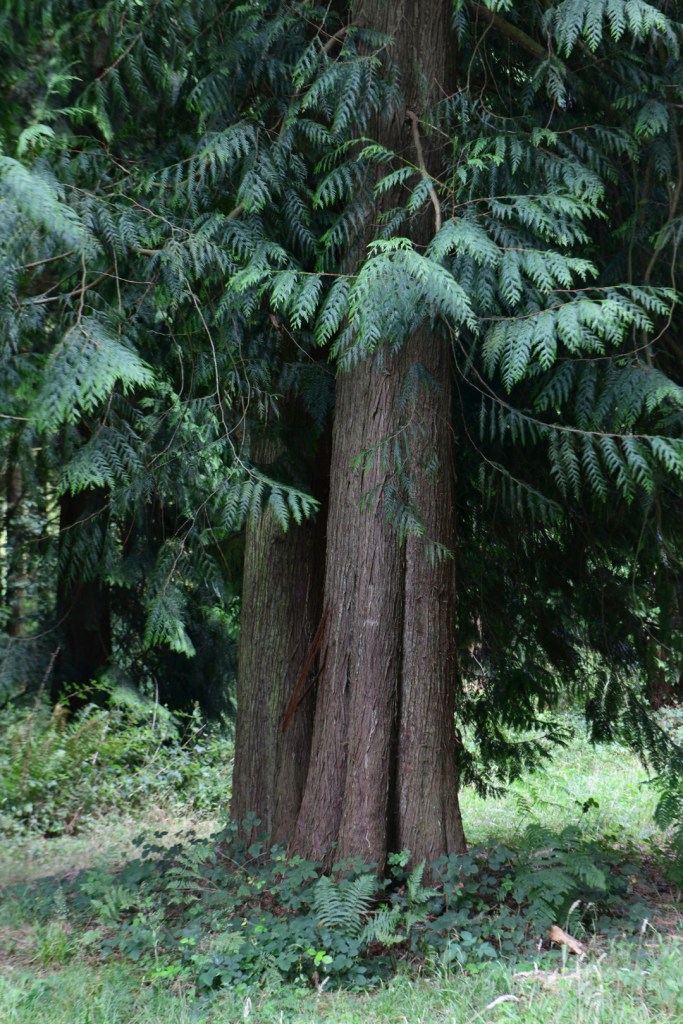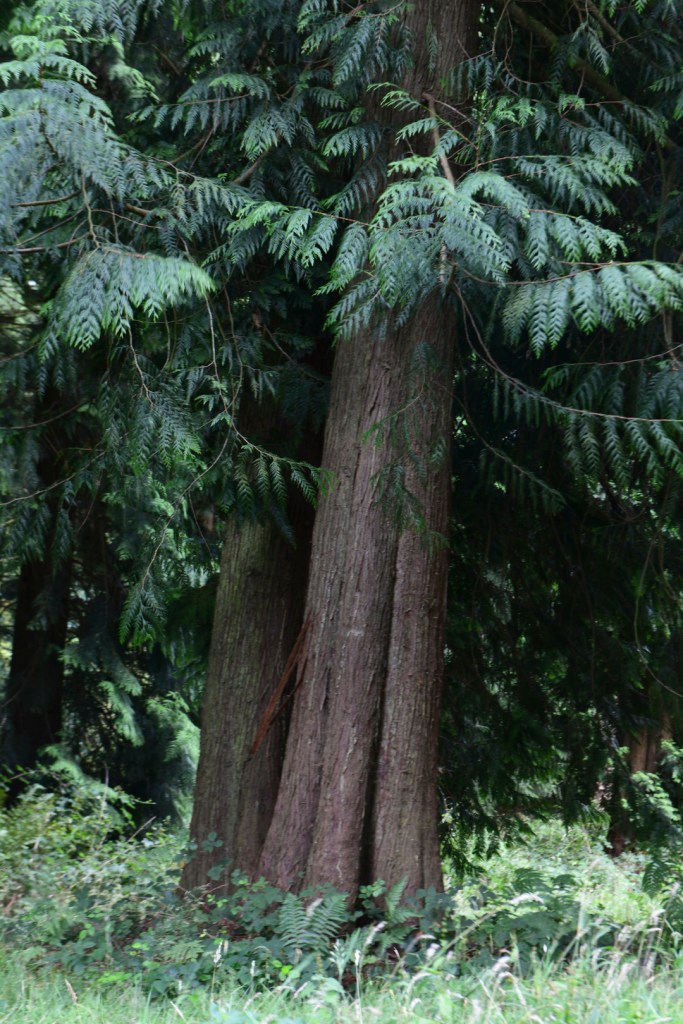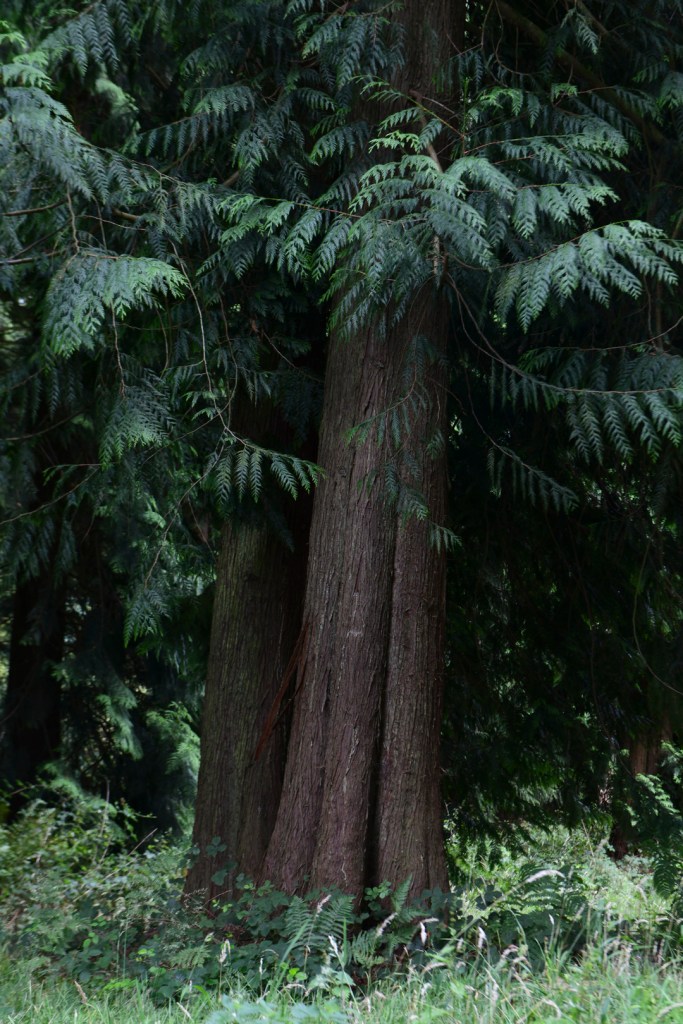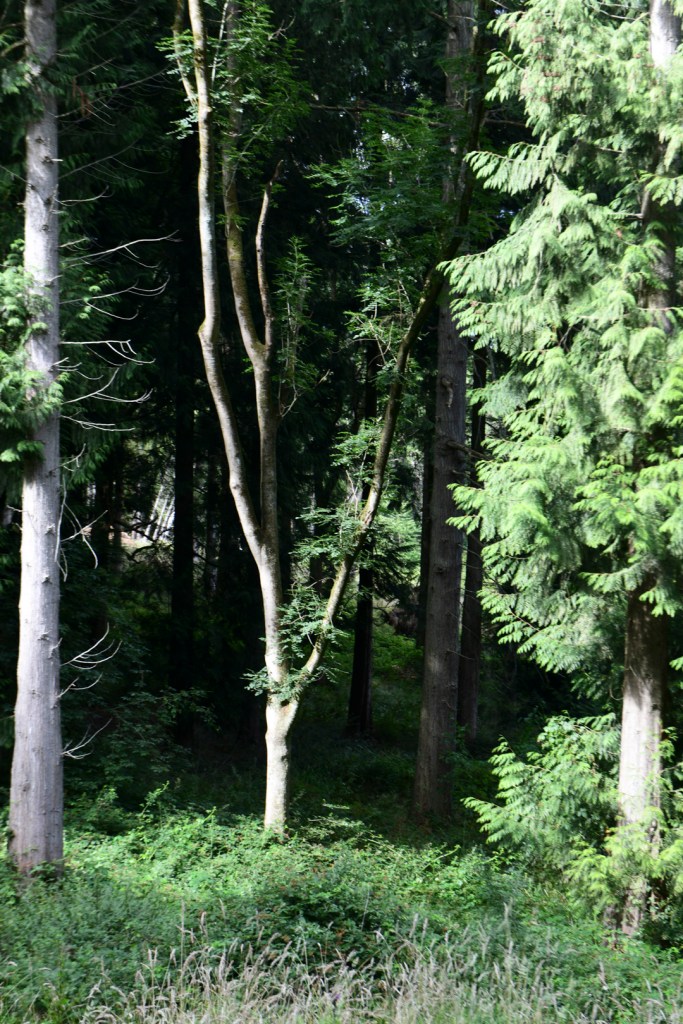
Inspirational thoughts and ideas from key practitioners

As I keep in mind that this final major project can be a springboard into a more fully realised body of work, I am looking at how other practitioners work to help me to be less constrained by conventional thinking. I’ve discussed before, in previous modules, how I have to let go of the notion that I need a realised idea in mind. This is something I find hard, to do when I have a project to complete, a need to control all aspects can be a hindrance! In this scenario, I look towards other practitioners and how they approach their work.

As I intend to create an accompanying book, it is interesting to read how many of the practitioners whose work I am drawn to, often use the construction of an artist book as a tool for organising their photographs and to ultimately to link their images together into a coherent theme.

On Todd Hido’s work ‘A Road Divided’ he explains to writer Katya Tylevich how he uses book making as a way to present his work coherently, stating that“Without the book-making process . . . I wouldn’t know where to start.” This is a relatable comment as I often look at an image that I particularly like but struggle to understand where it might fit with my theme, if at all. Hido says that a book or show often “comes together much later in his process” having thoroughly sifted through his photographs to identify the connections and threads that run through them, describing this process as “constructing maps from large bodies of photographs.” In regarding the process in this way, I see how it would be a useful method in helping me make decisions on whether to retain, or eliminate a photograph perhaps for consideration in another project.

On a slightly seperate note, I like this quote given by Hido in an interview for Ahorn Magazine with Daniel Augschoell and Anya Jasbar “I believe that all those signs from your past and all those feelings and memories certainly come together, often subconsciously, and form some kind of a fragmented narrative. Often, you’re telling your own story, but you may not even know it.”  I think that this accurately describes the mental process of creating a particular body of work, especially in my case for this FMP. It highlights how we are heavily influenced by our own stories and experiences, whether we know it or not, affirming that we are individually capable of creating our own authentic, unique work.

Similarly, Alec Soth discusses how he will often photograph the subjects he wants and then collate everything into a large ‘mess’ before seeking out a series to form a story. Raymond Meeks is another photographer who prefers to be driven by a need to photograph rather than have a preconceived idea.

Meeks is well known for his artist books, I was fascinated by them during an earlier module as he uses repurposed paper, often from old books. In a conversation with Stanley Wolukau-Wanambwa he describes how he tends to look for his narrative once he has reached a natural end of photographing a subject. “It’s a process of looking at a current archive; contact sheets and digital files–and trying to understand the common thread that underlies and unites my interests” (hcponline, 2016) He says he uses bookmaking as a ‘channel for formal expression’ when it comes to creating a body of work. Frequently photographing near his home, he does not always carry a camera. Instead, he observes and absorbs his immediate environment before deciding whether he might return to photograph any particular aspect, aiming to understand why he feels drawn back to a particular subject. Unfettered by his camera and using patience, this approach encourages a greater sense of presence.

John Gossage’s response to a question over whether the concept for his book ‘The Pond’ came first or the photographs themselves, reiterates this as he describes his process. The idea that the world will offer up something that you can’t preplan is certainly something that resonates for me: For me, it has always been that the world suggests far more subtle and interesting variations than I could ever come up with. At a certain point in each project, you get an idea and you investigate it. But I always take my prompting from the work being done. And back then, I had some pictures and I thought, yes. And then I filled it out. (Smithsonian: online, 2010)

Tacita Dean also refers to how she finds her way through, just by working. Similar I think to Gossage’s approach, just by doing and not to overthink.

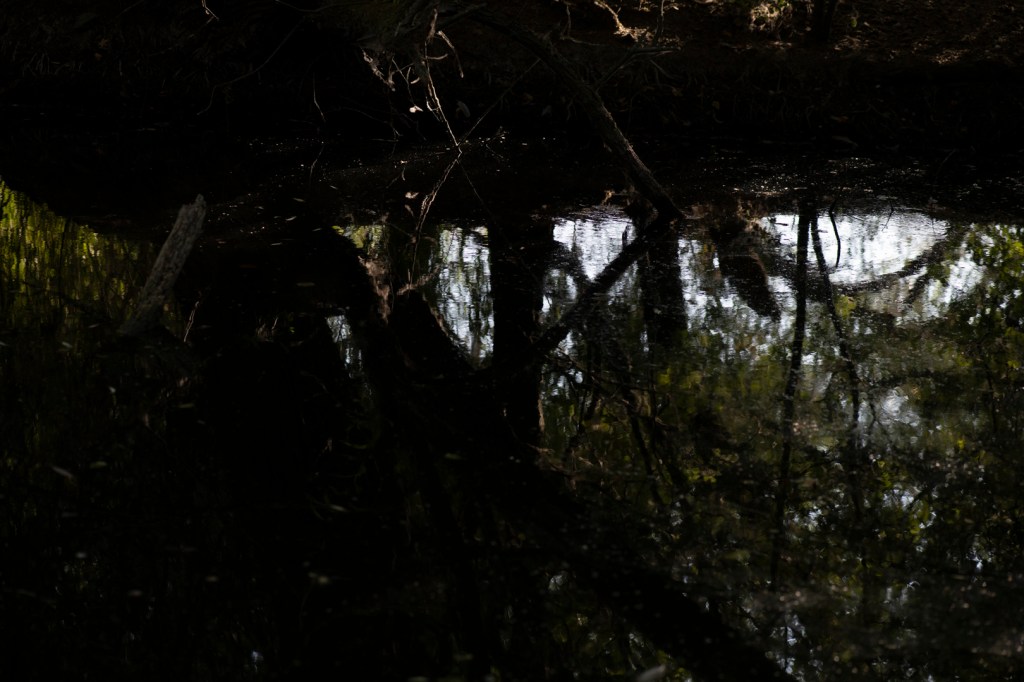
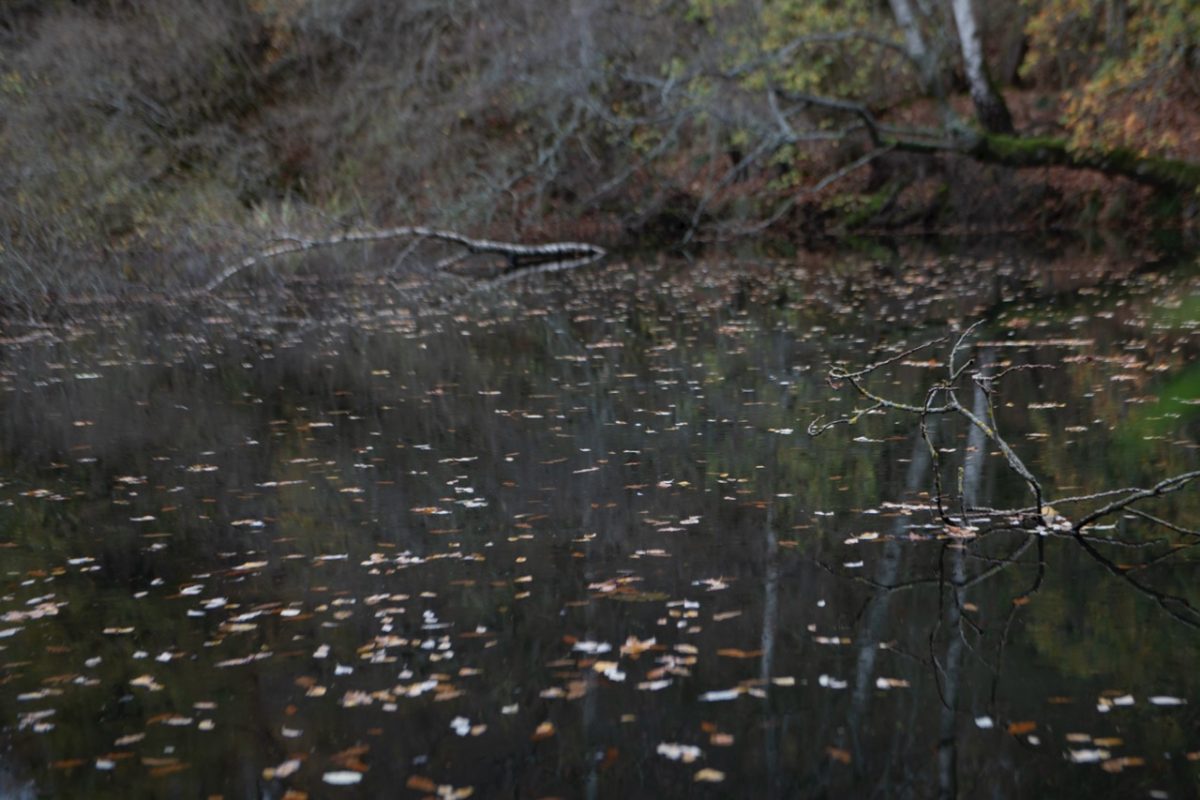
This quote holds great resonance for me: “The lake is a landscape’s most beautiful and expressive feature.” — Henry David Thoreau. or any body of water but a lake (or pond) has a stillness and therefore more shifting features as it is either a mirror or an abstract painting, the ice will soften the sky, a still & clear night sky delivers a mystical onyx effect and a bright winter day can be so clearly reflected as to make us think we are upside down. I will never not marvel at the images in water.

I am going to try and resist confining myself to a self imposed, overly prescribed brief. Of course, I need some parameters to work with but I think my work will be better for a more relaxed and instinctive approach, such as that used by the photographers mentioned above.

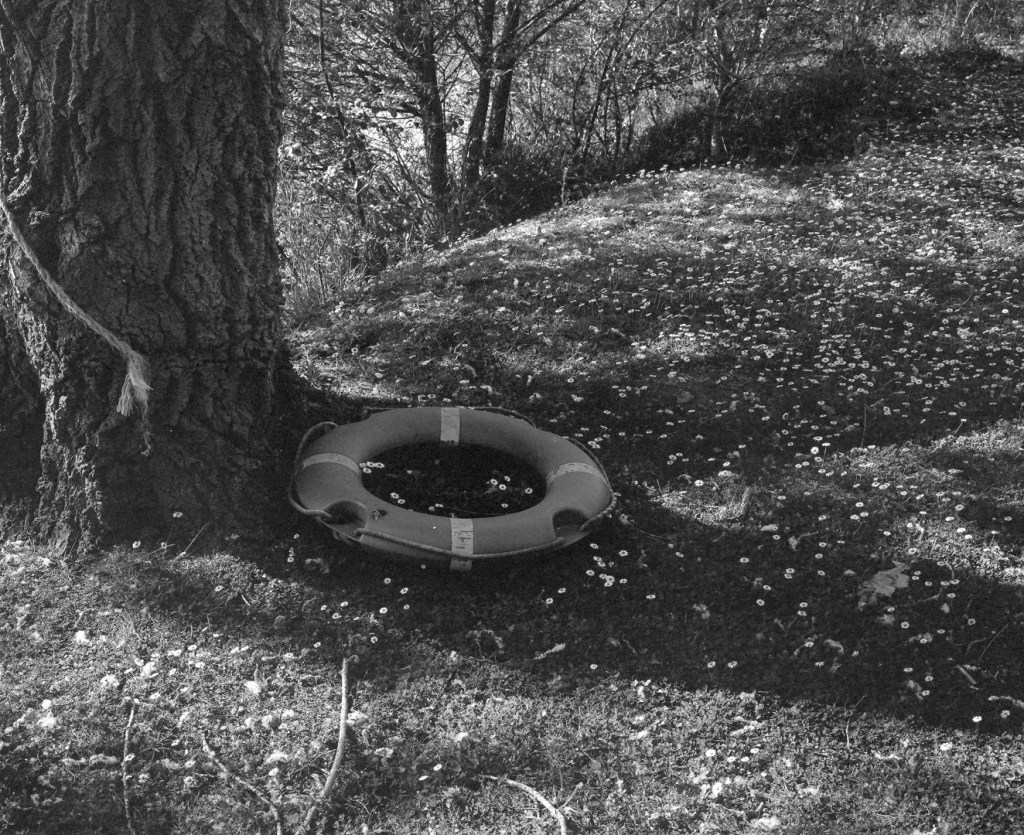
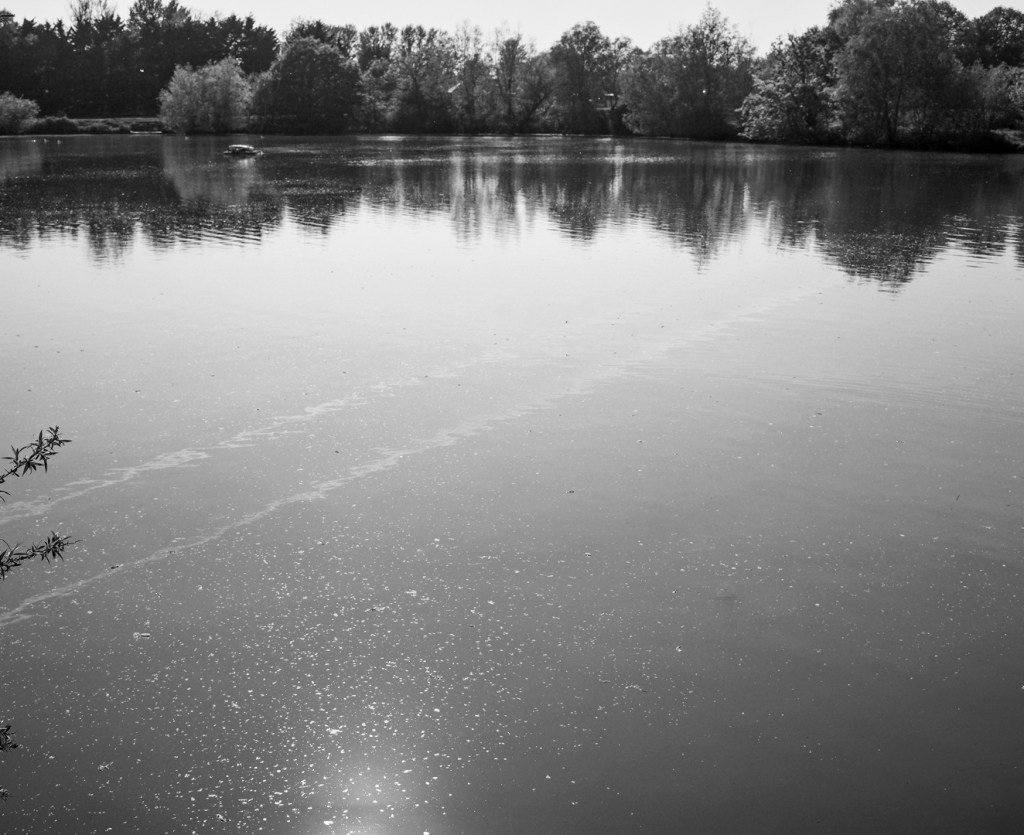
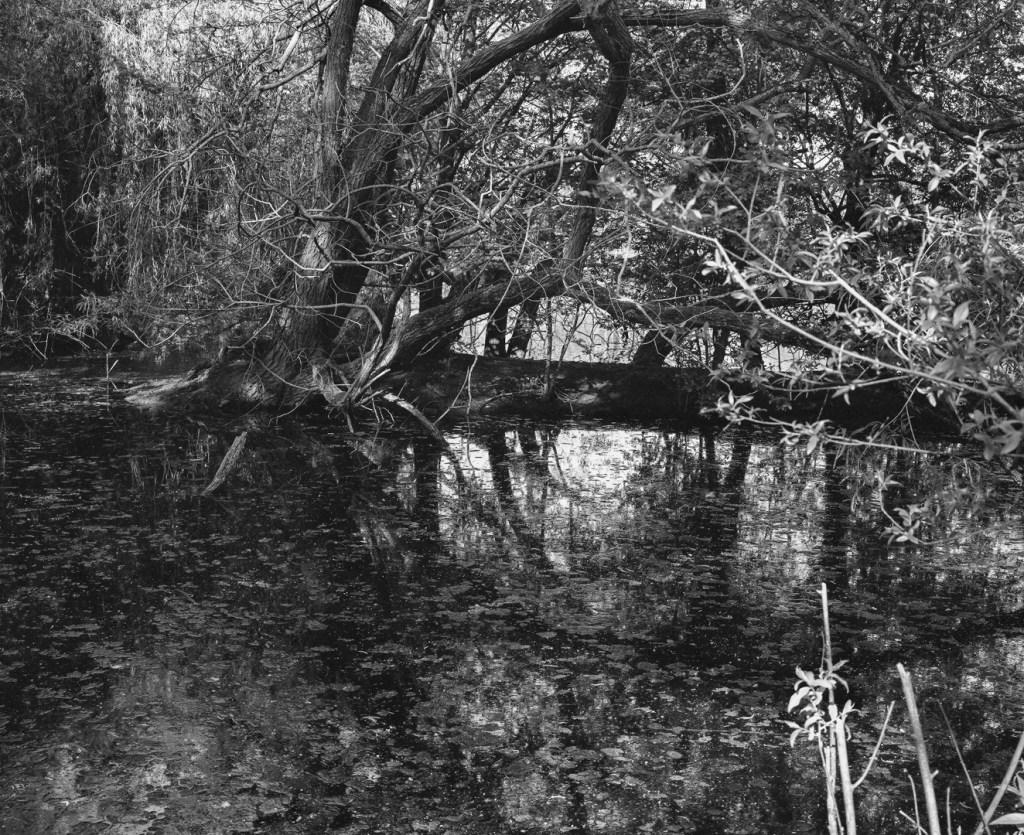
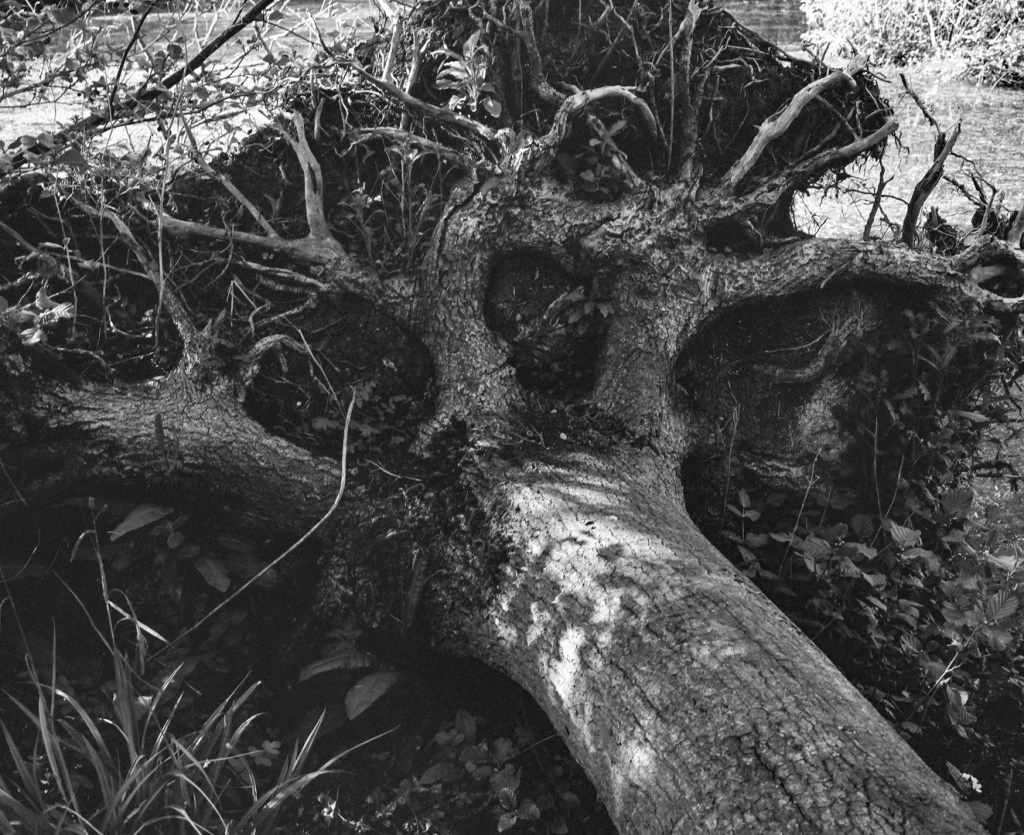
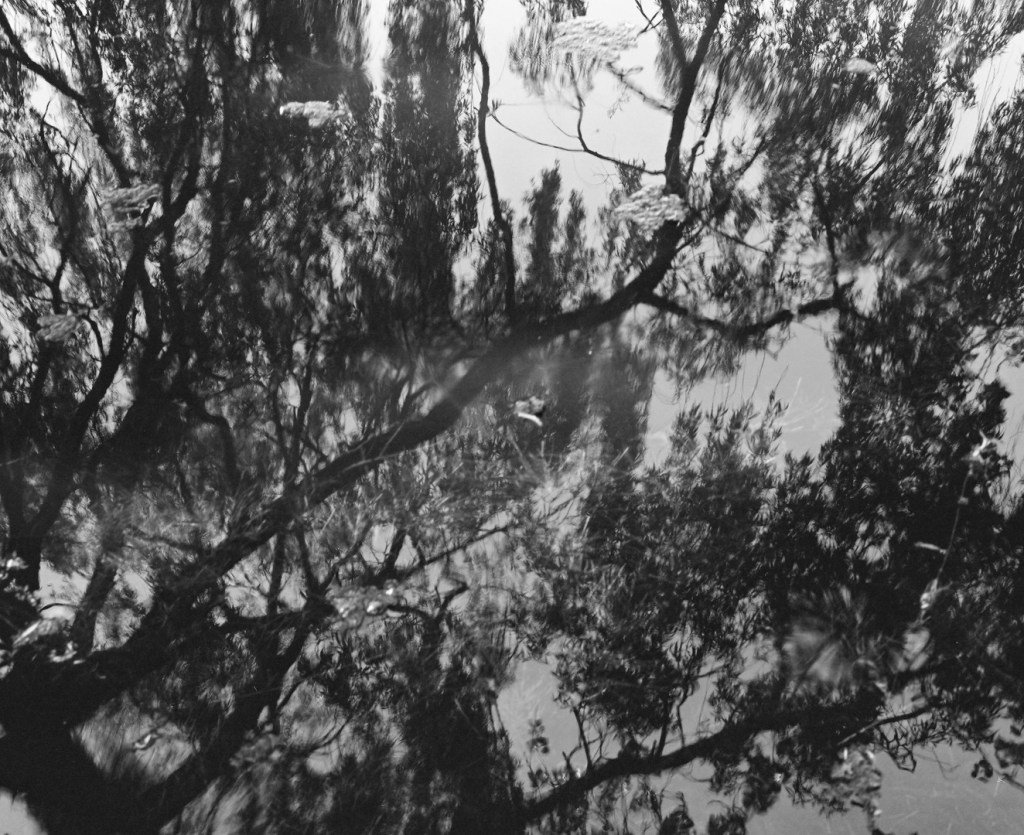
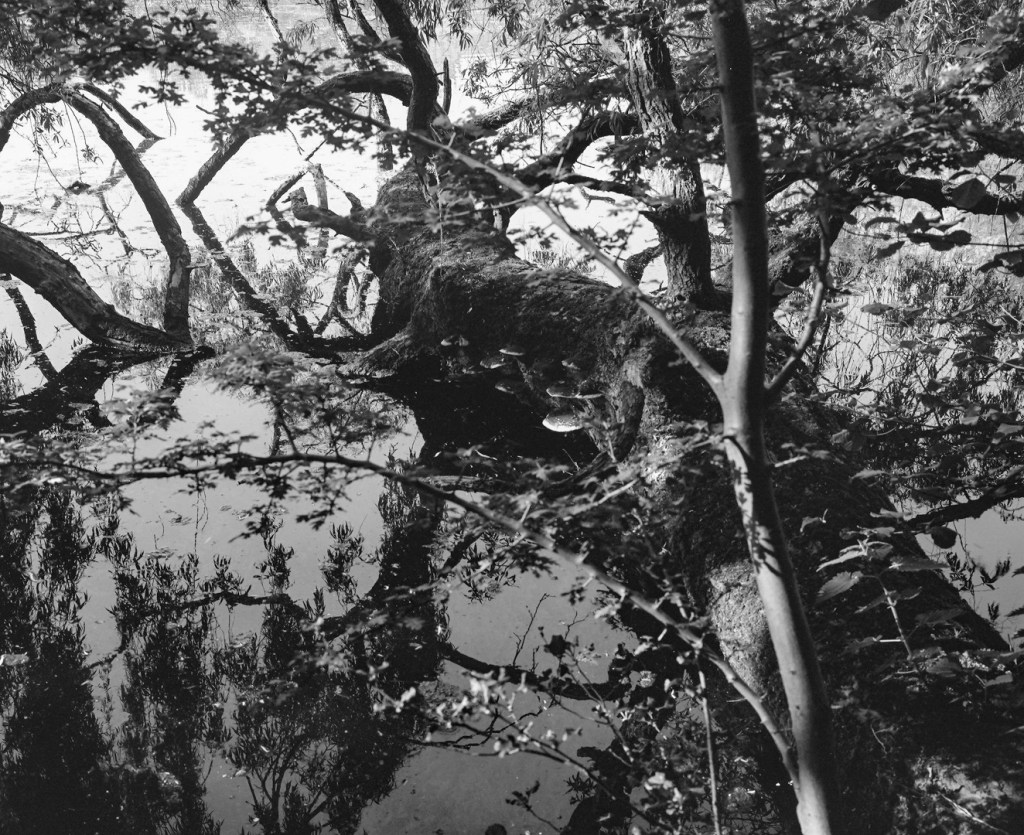
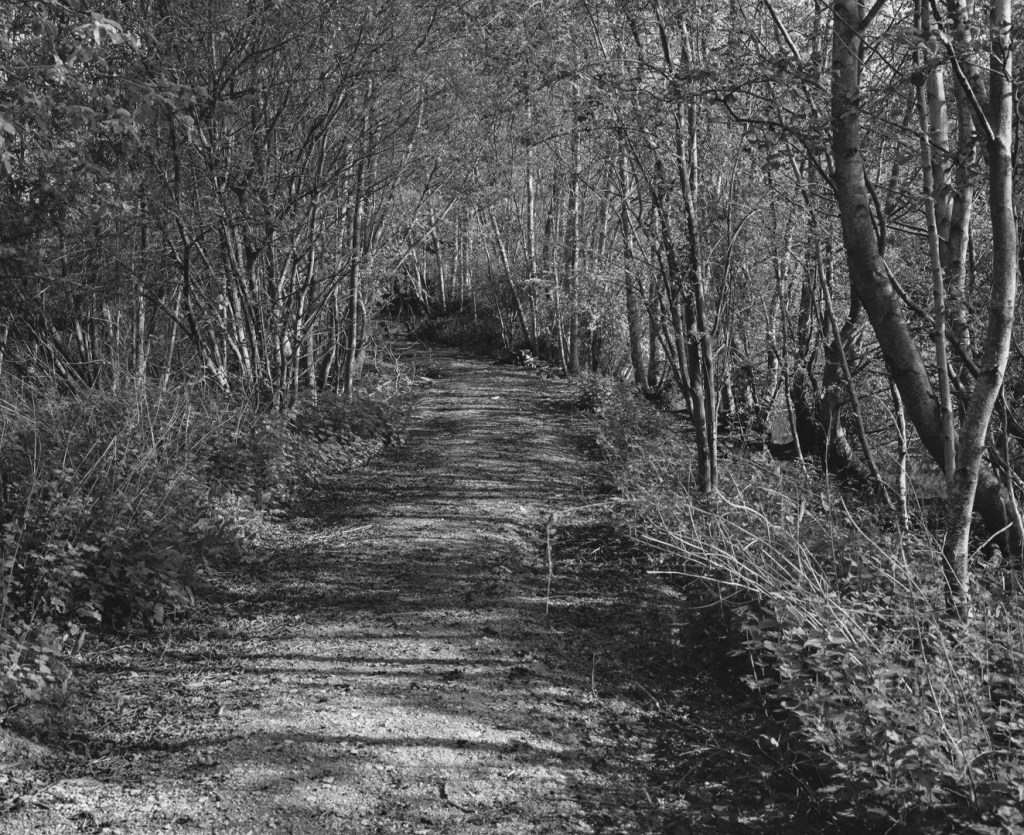
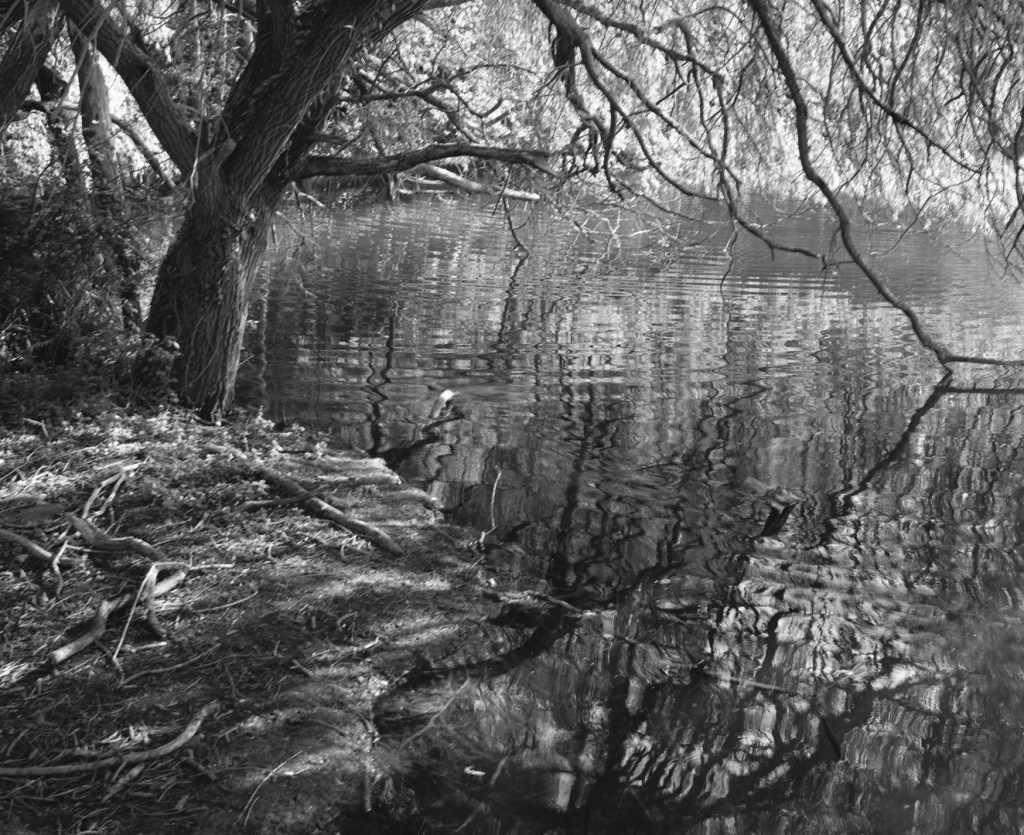
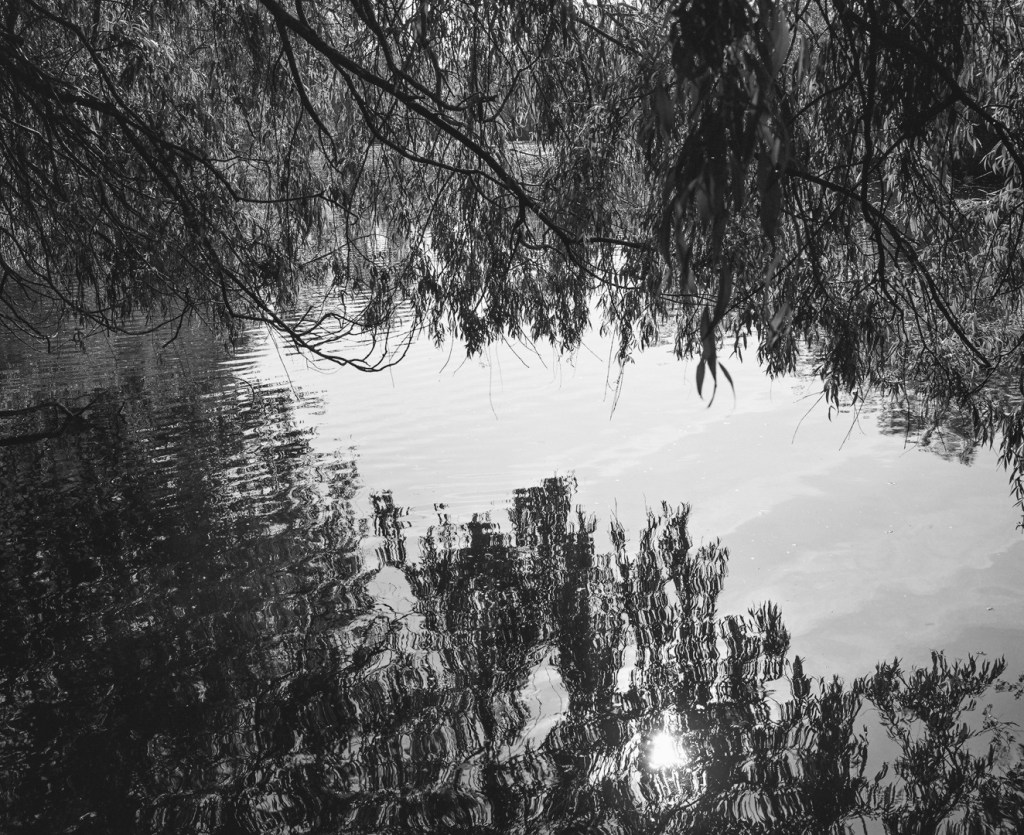
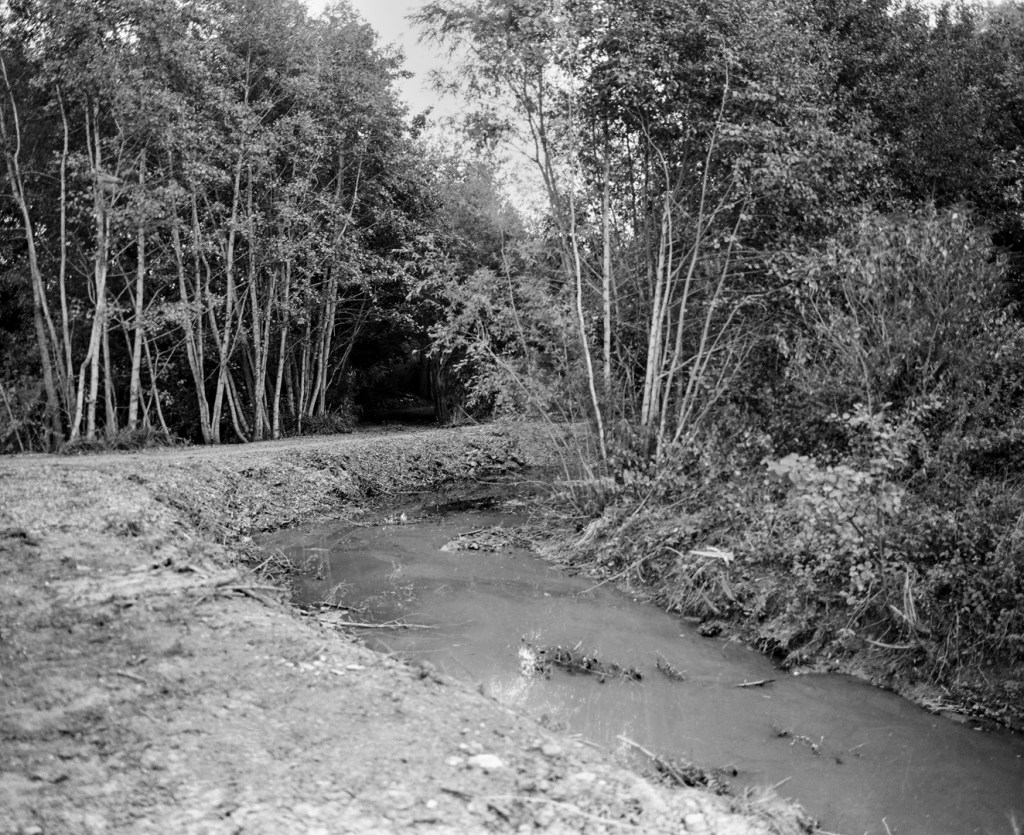
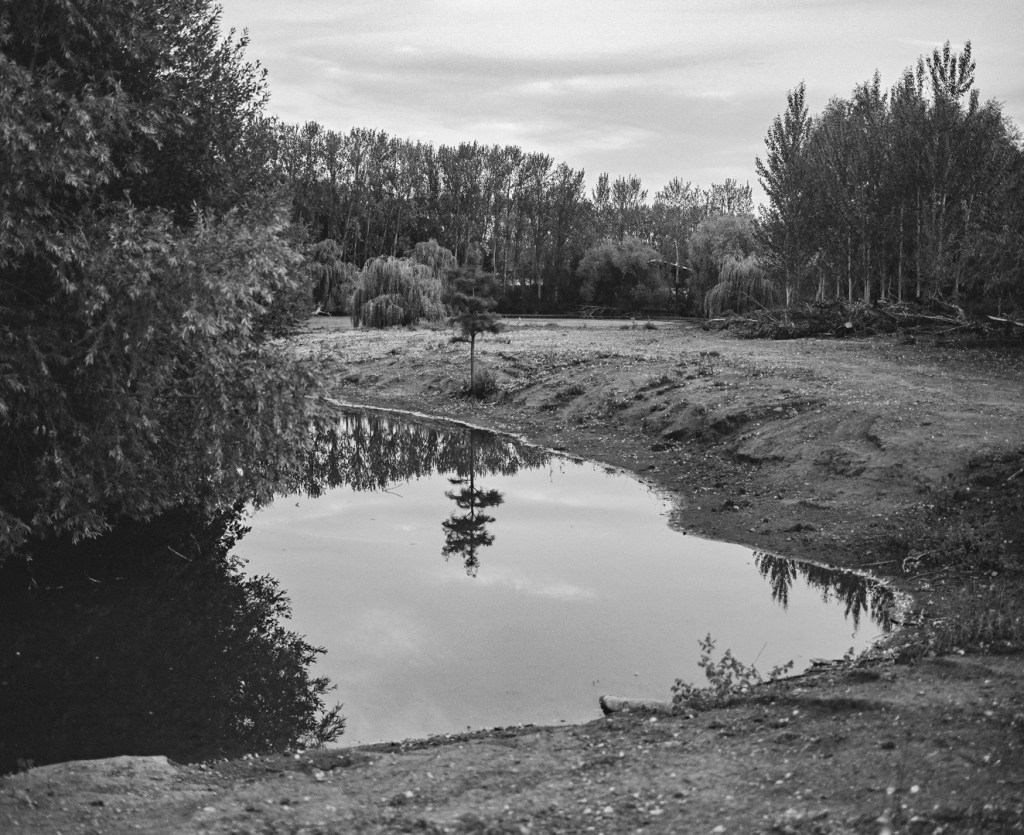
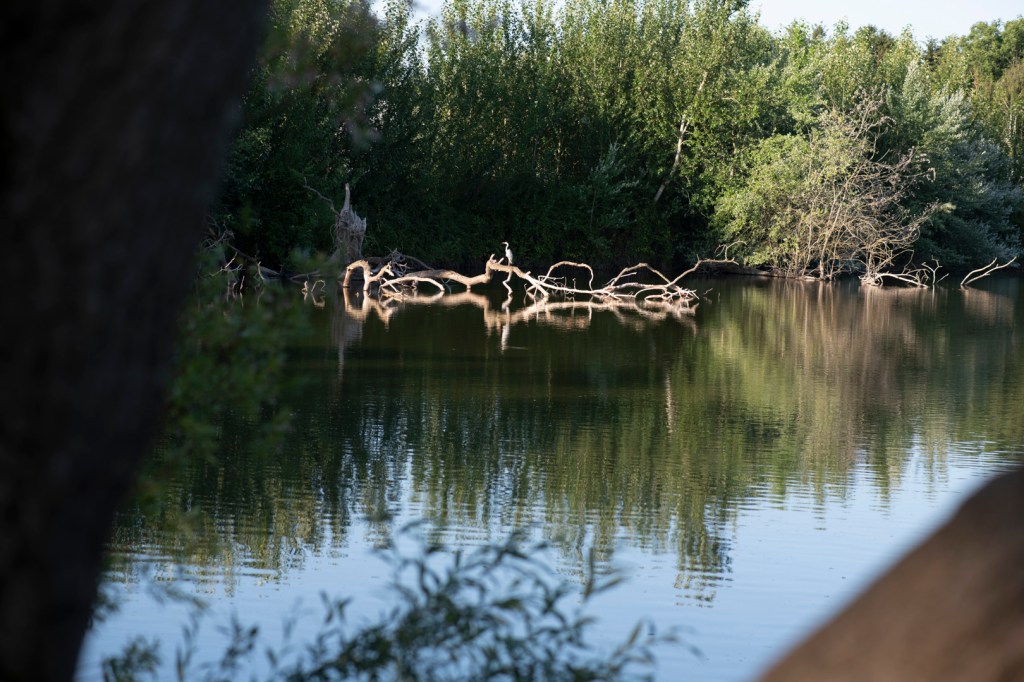
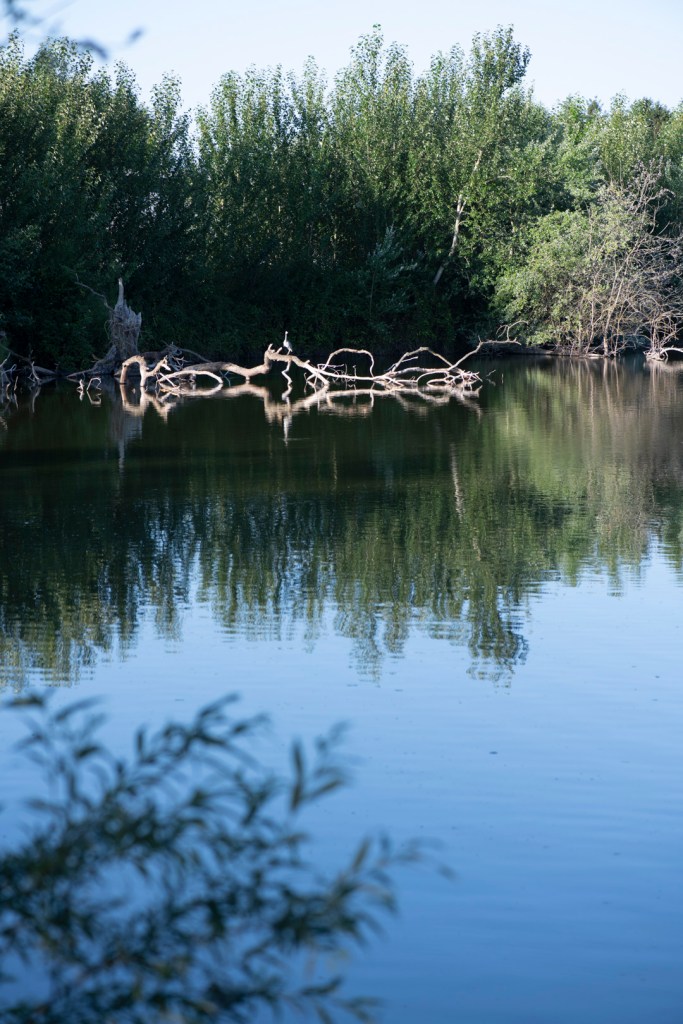
Dacha shoot (analogue) 25th August 2025

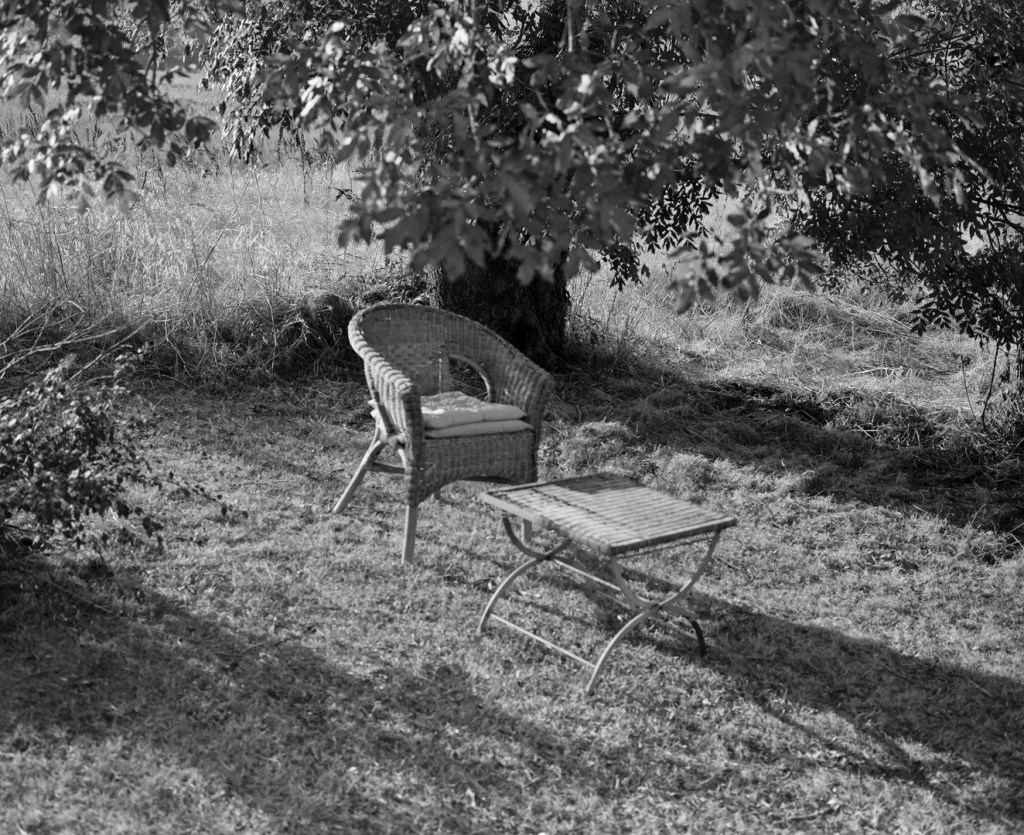
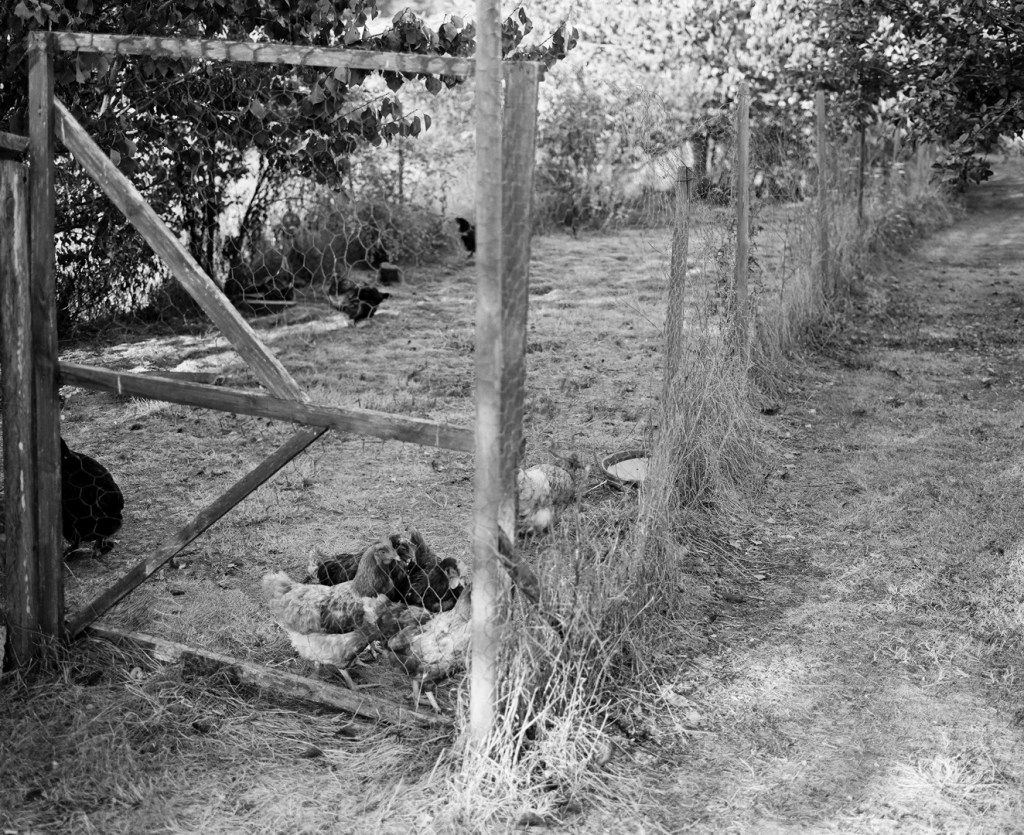
Mamiya 7ii 80mm lens. Handheld. Shot at around 7.30pm, bright sunny day.

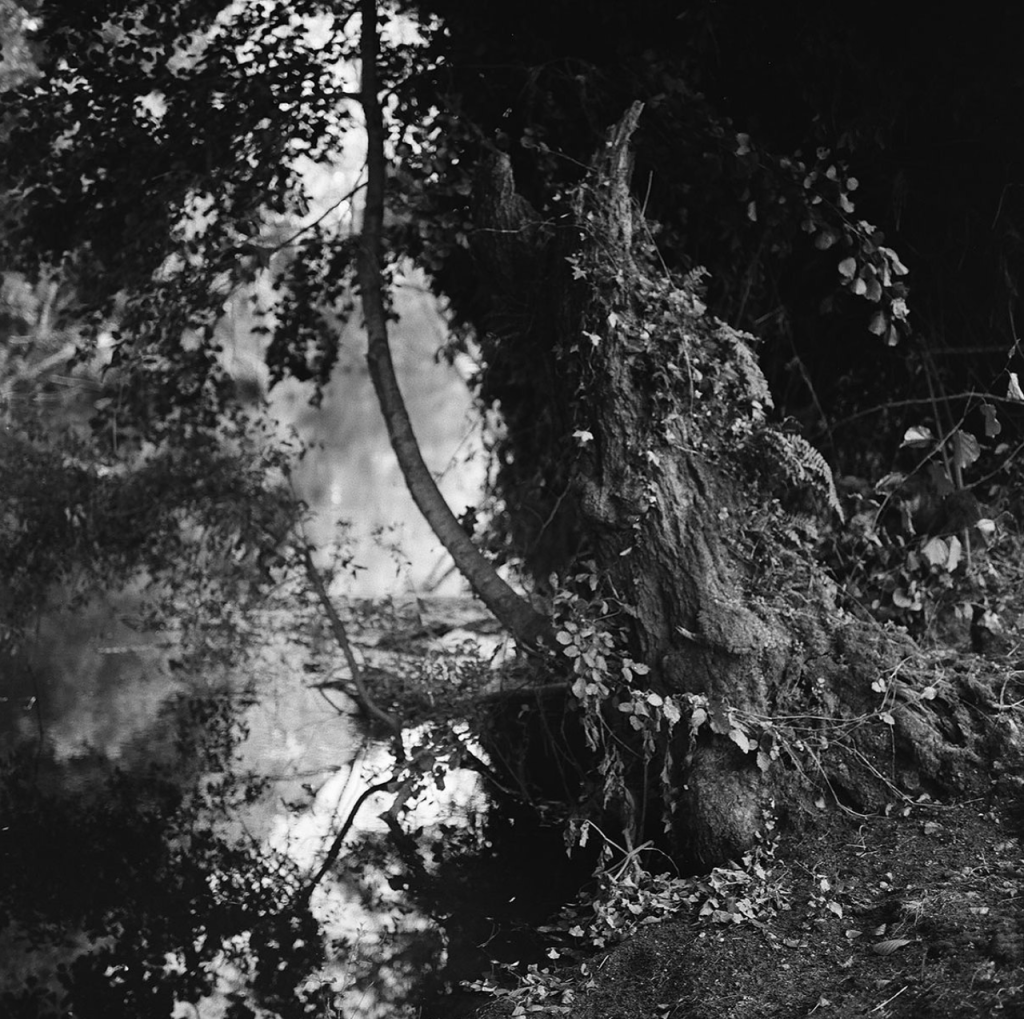
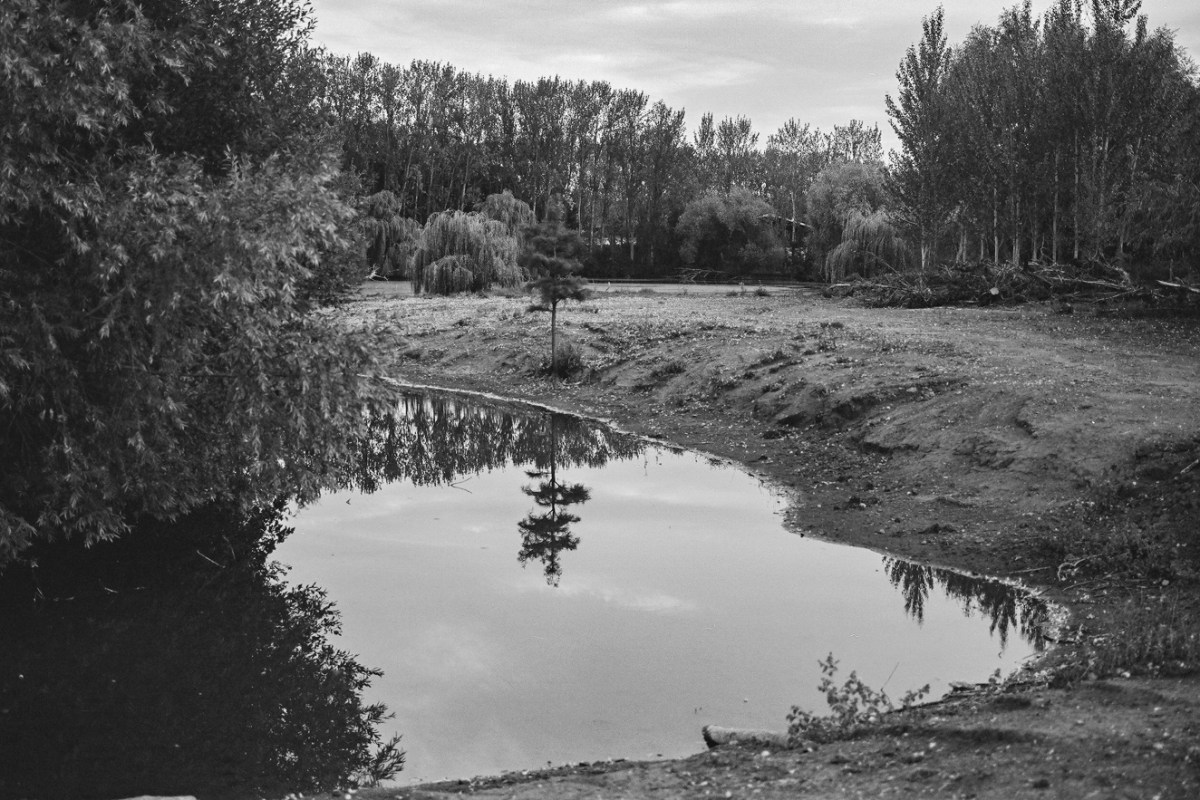
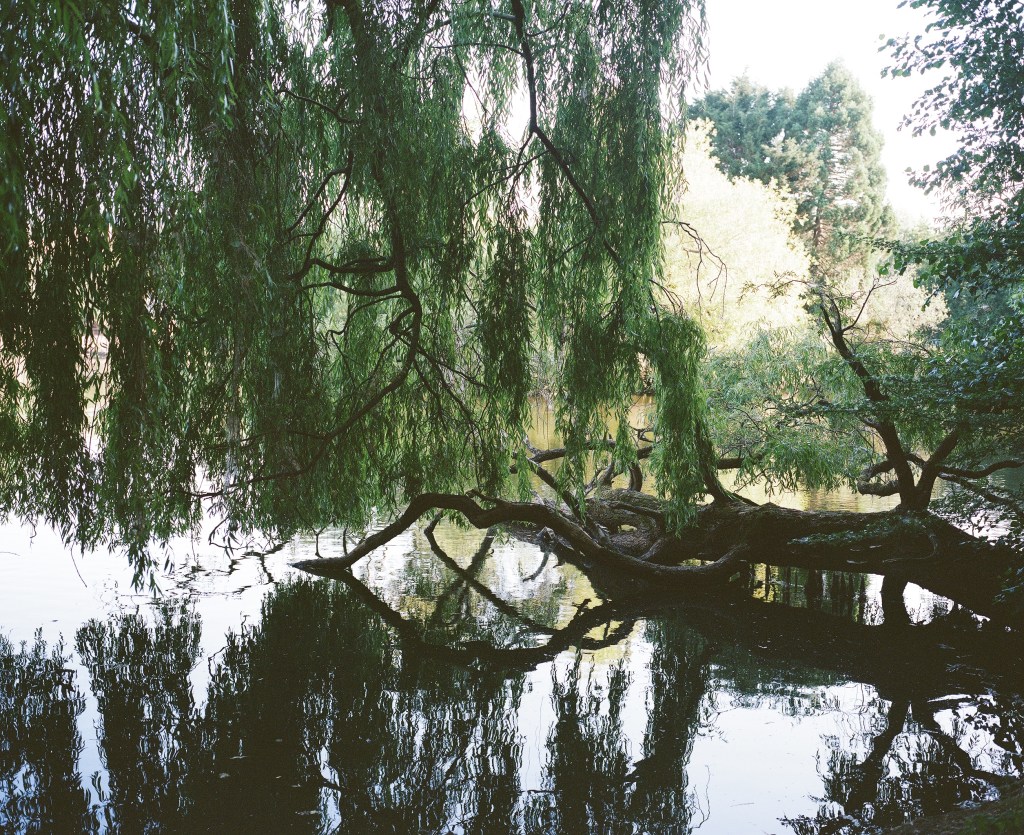
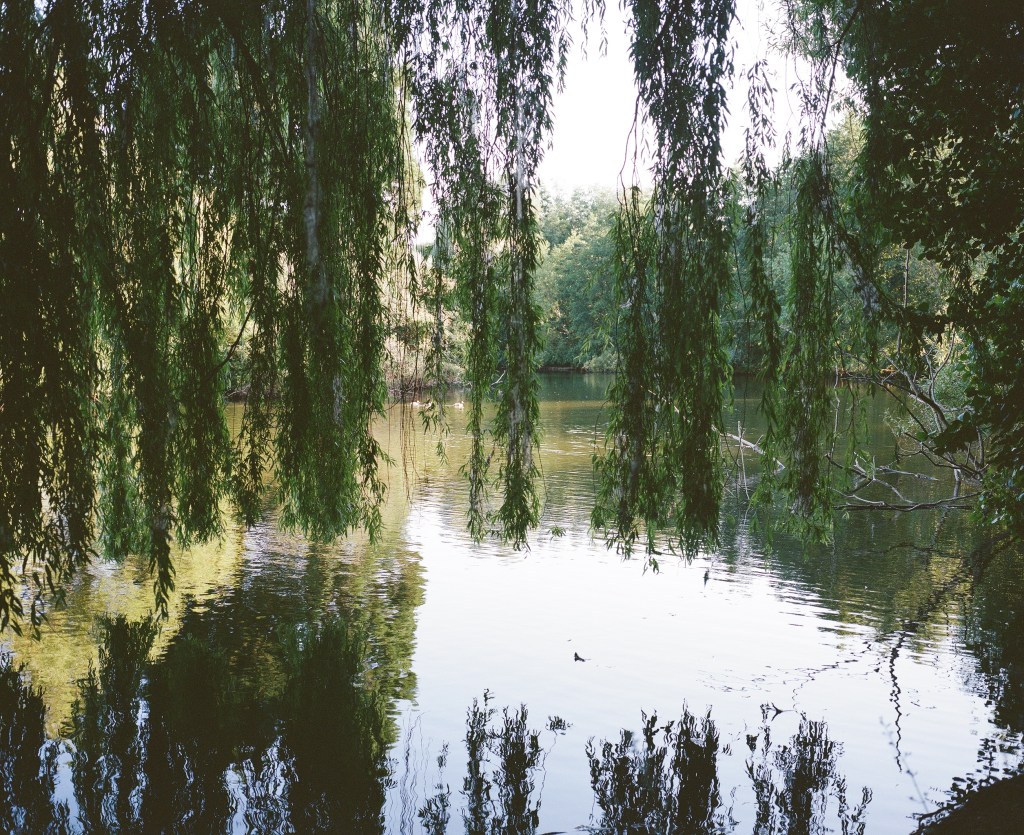
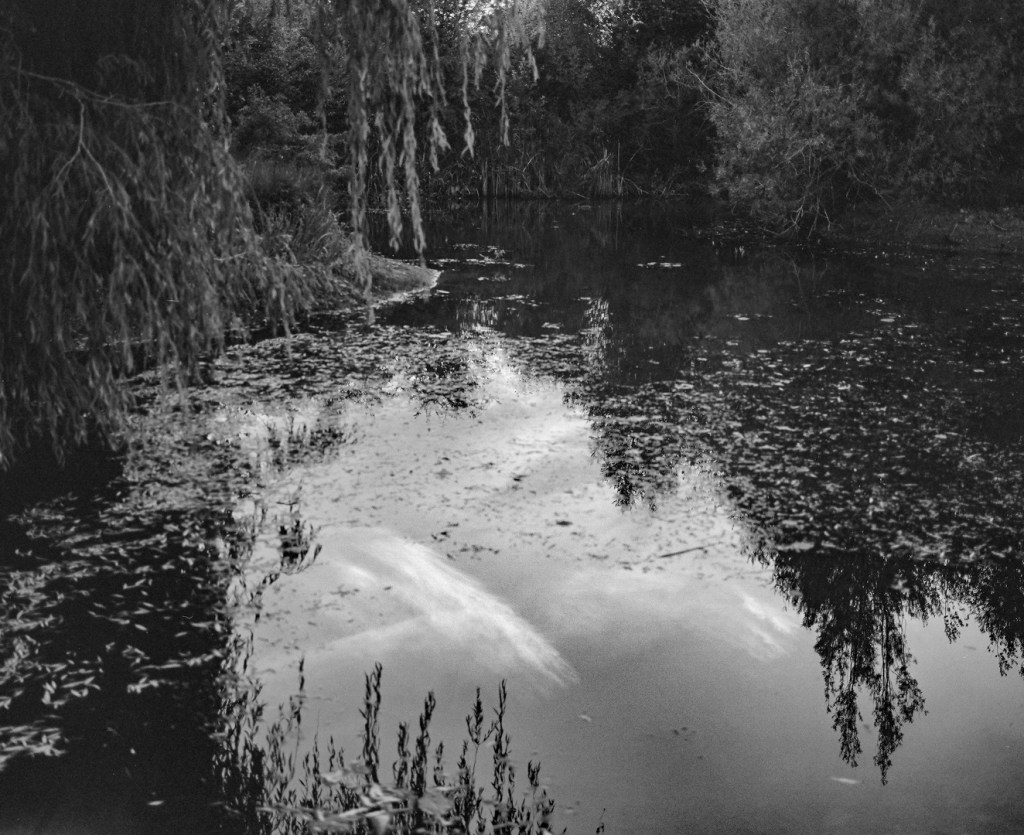
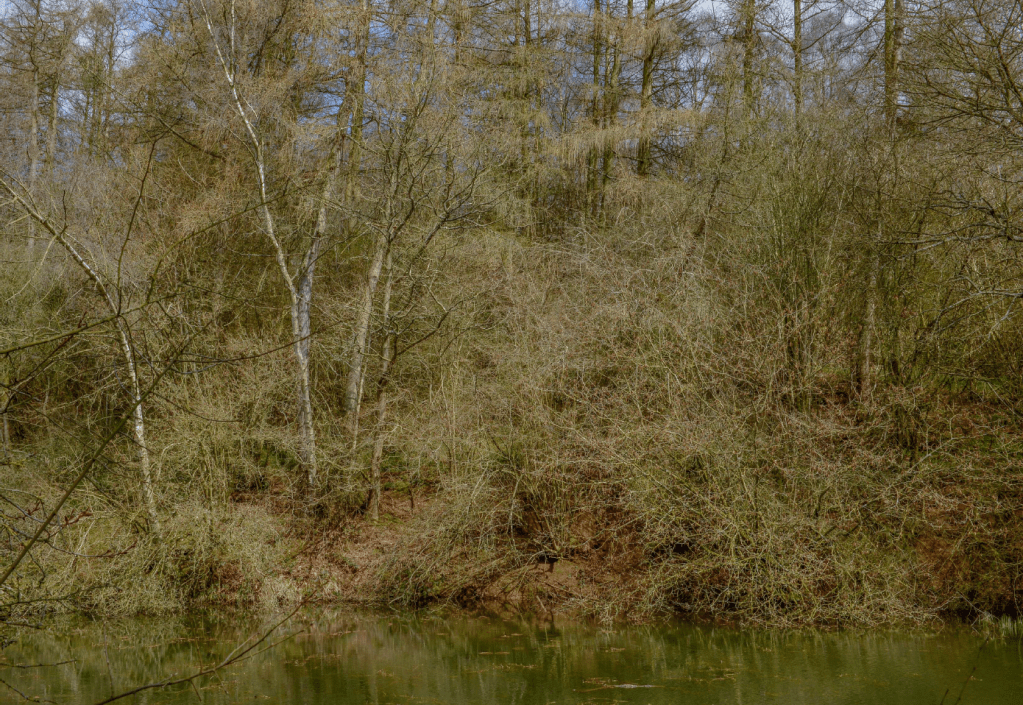
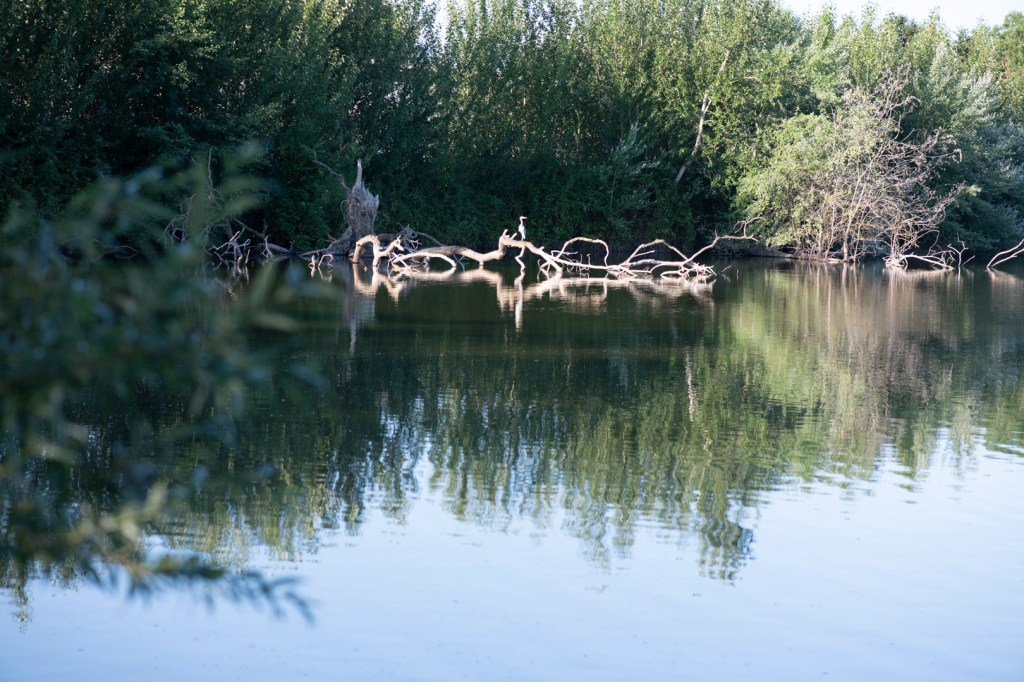
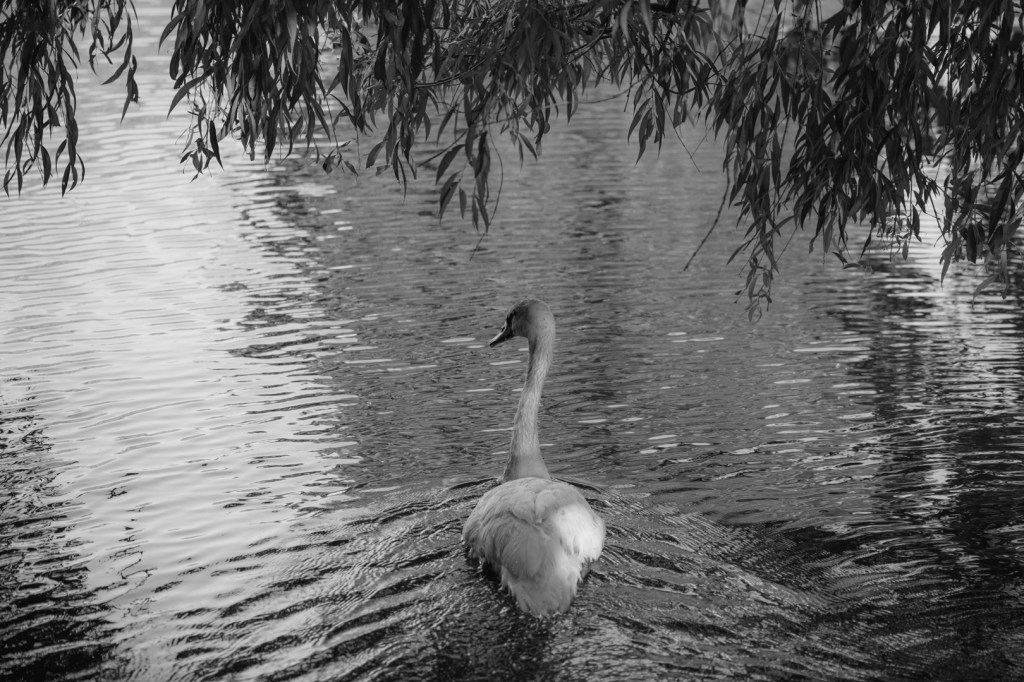
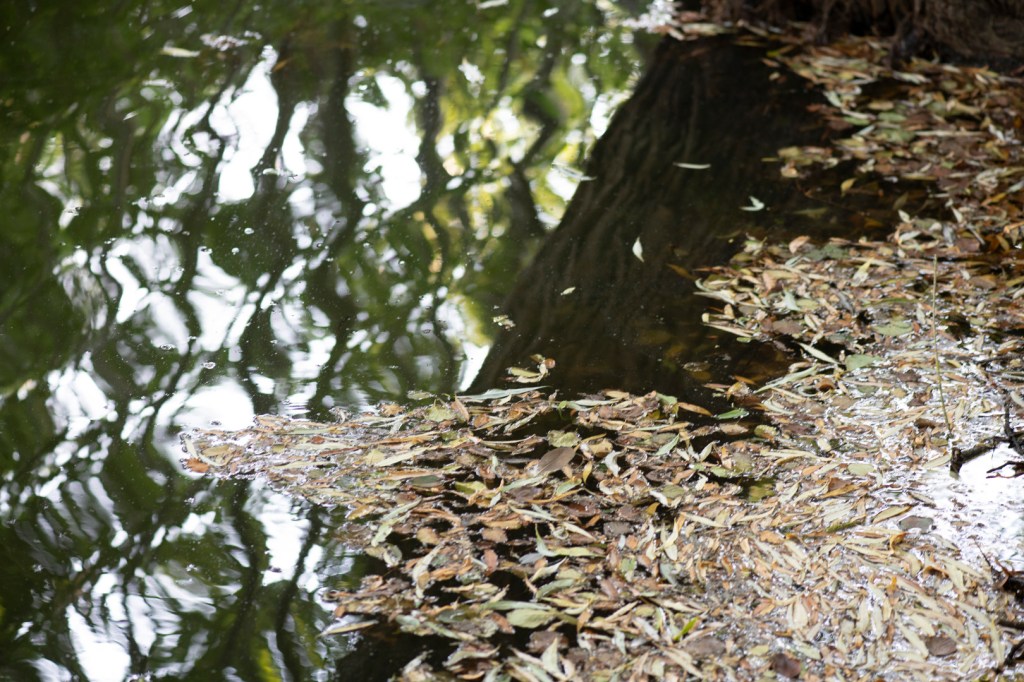
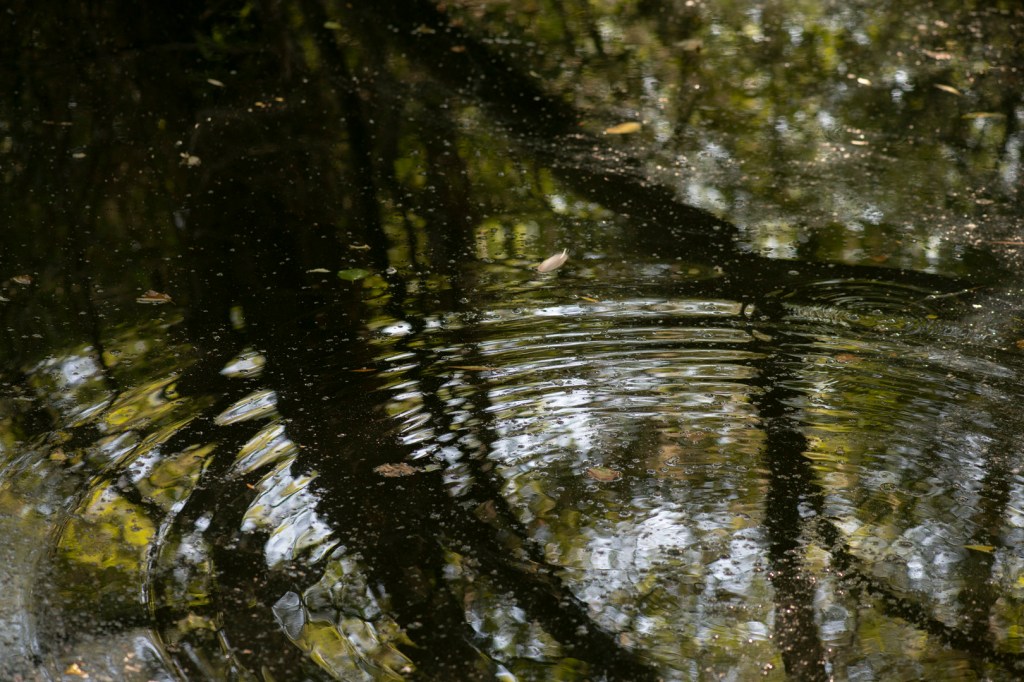
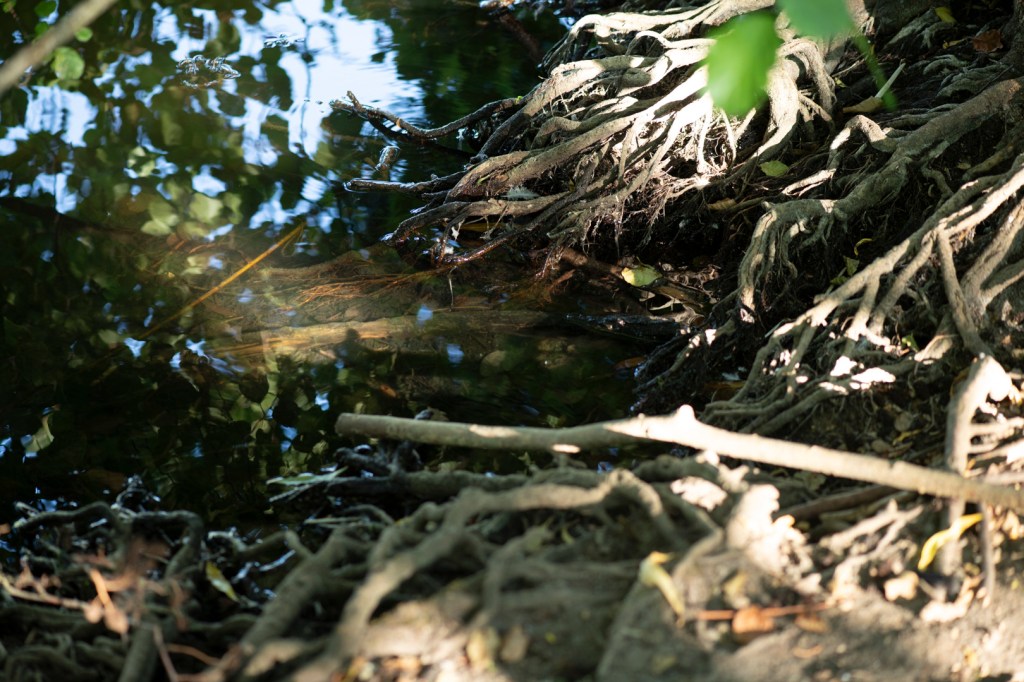
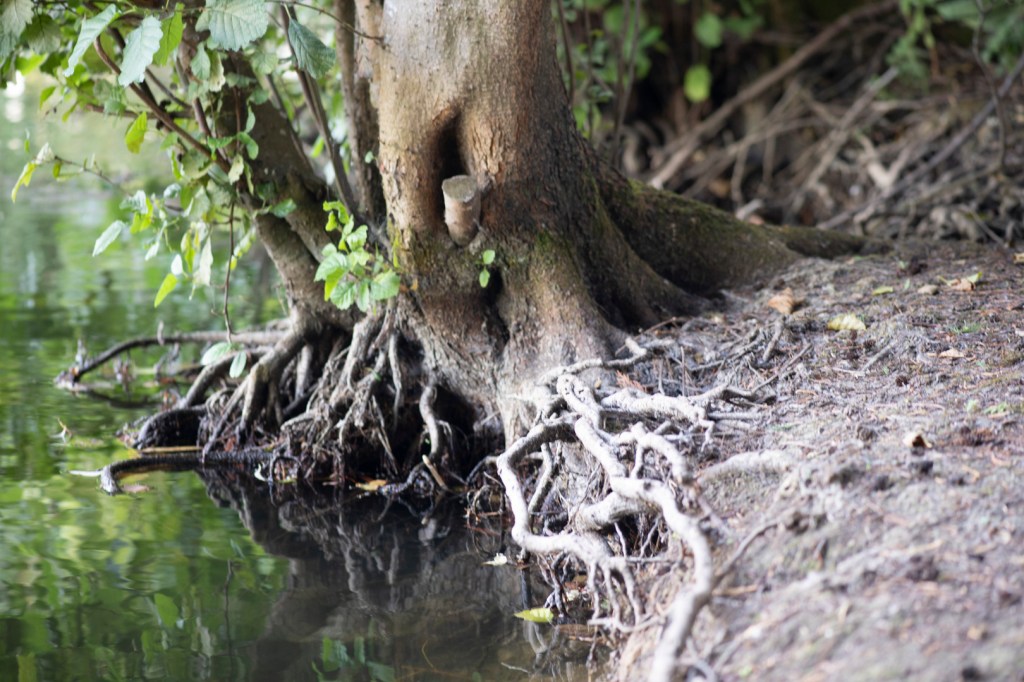
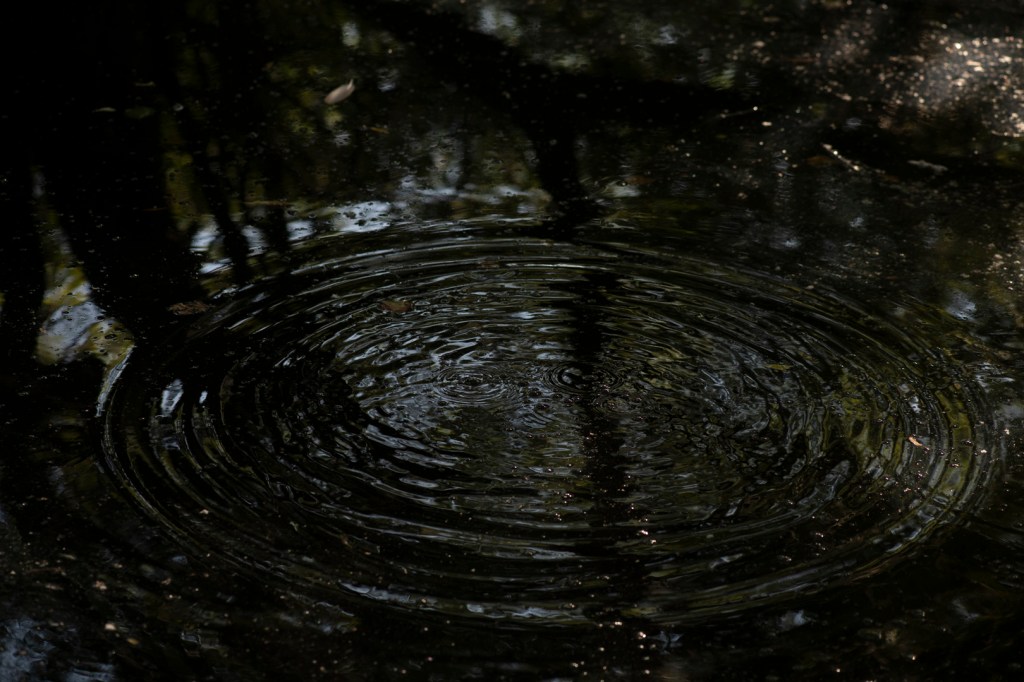
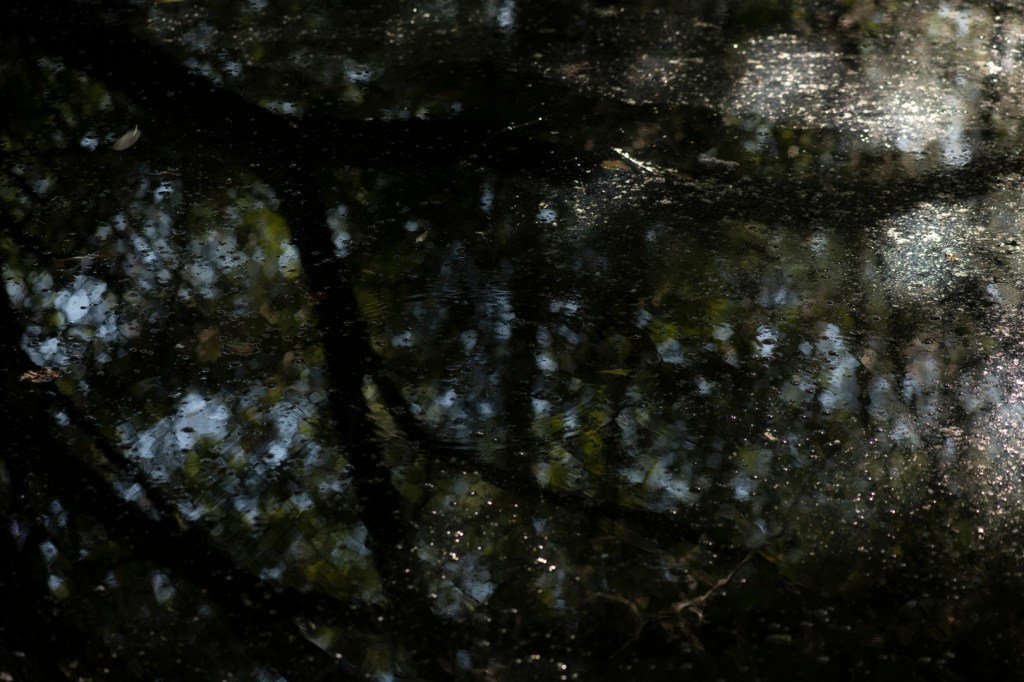
This was a particularly bright day, I had Delta 100 film in the camera, which I don’t normally use but I wanted to give it a try. Immediately it appears more metallic than the Ilford that I’m used to but that’s not to say I don’t like these, on the contrary, I can see how some ambiguity and abstract compositions might be an effective method of conveying my theme. The images remind me a little of some of the photographs from a series by Marjolein Marjolein in her series ‘Riverland’ (fig 1)
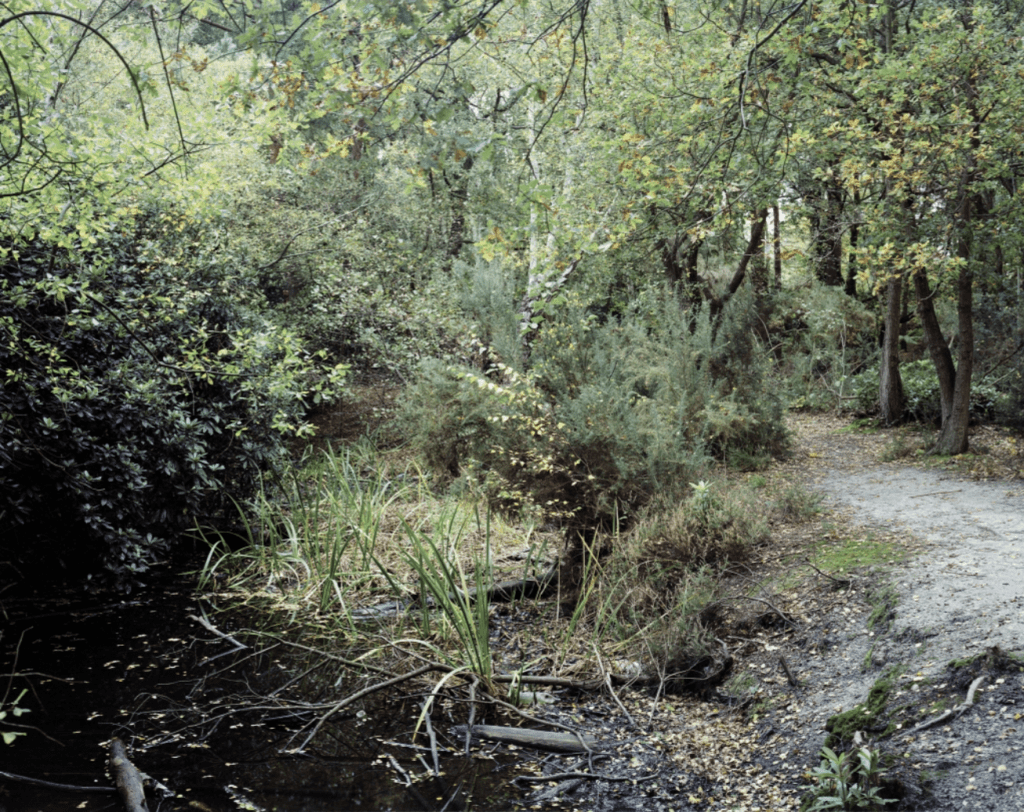
Fig1. ‘Riverland‘ Marjolein Martinot, 2022
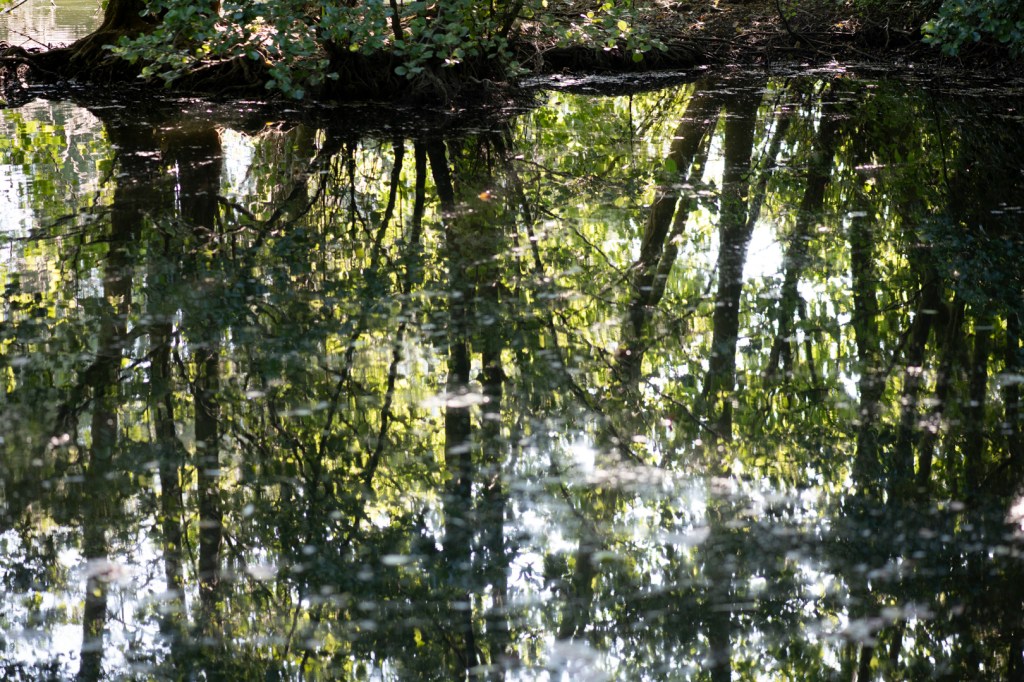
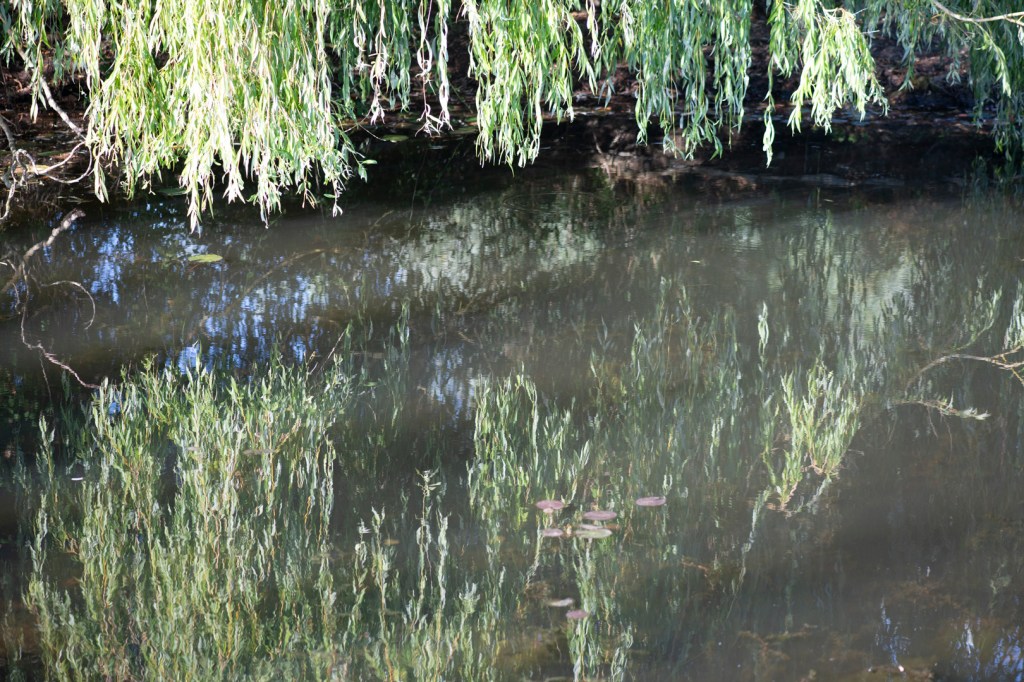
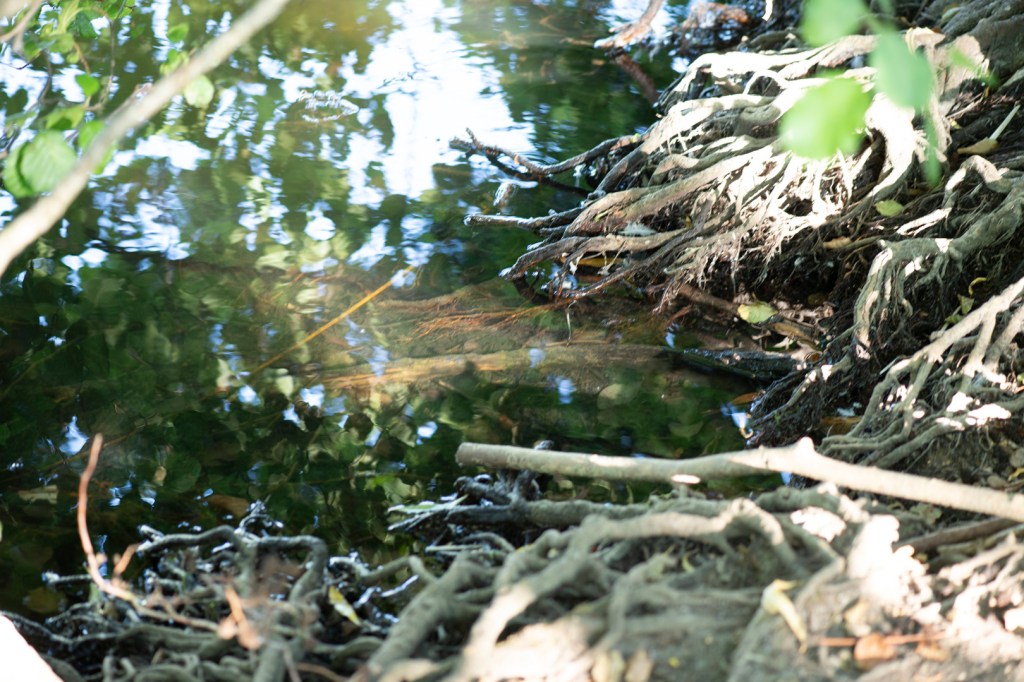
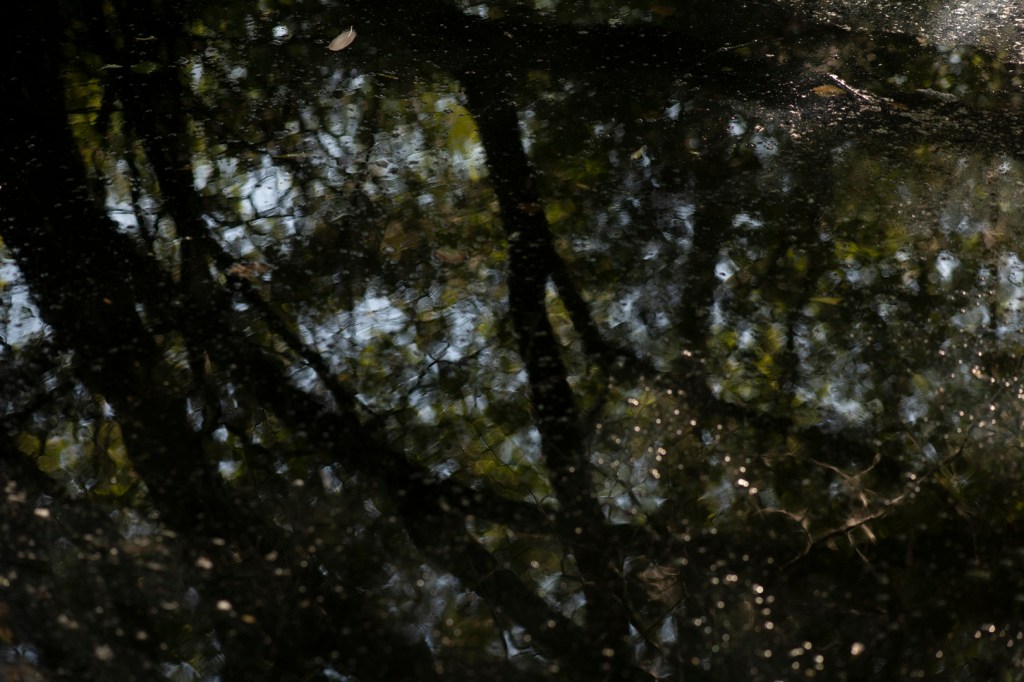
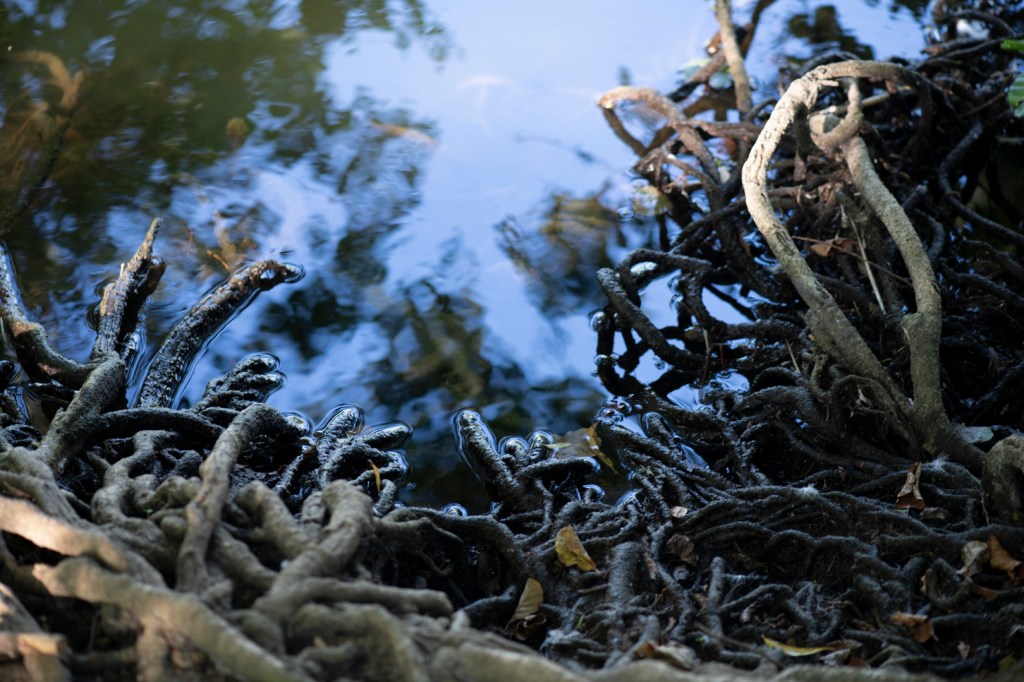
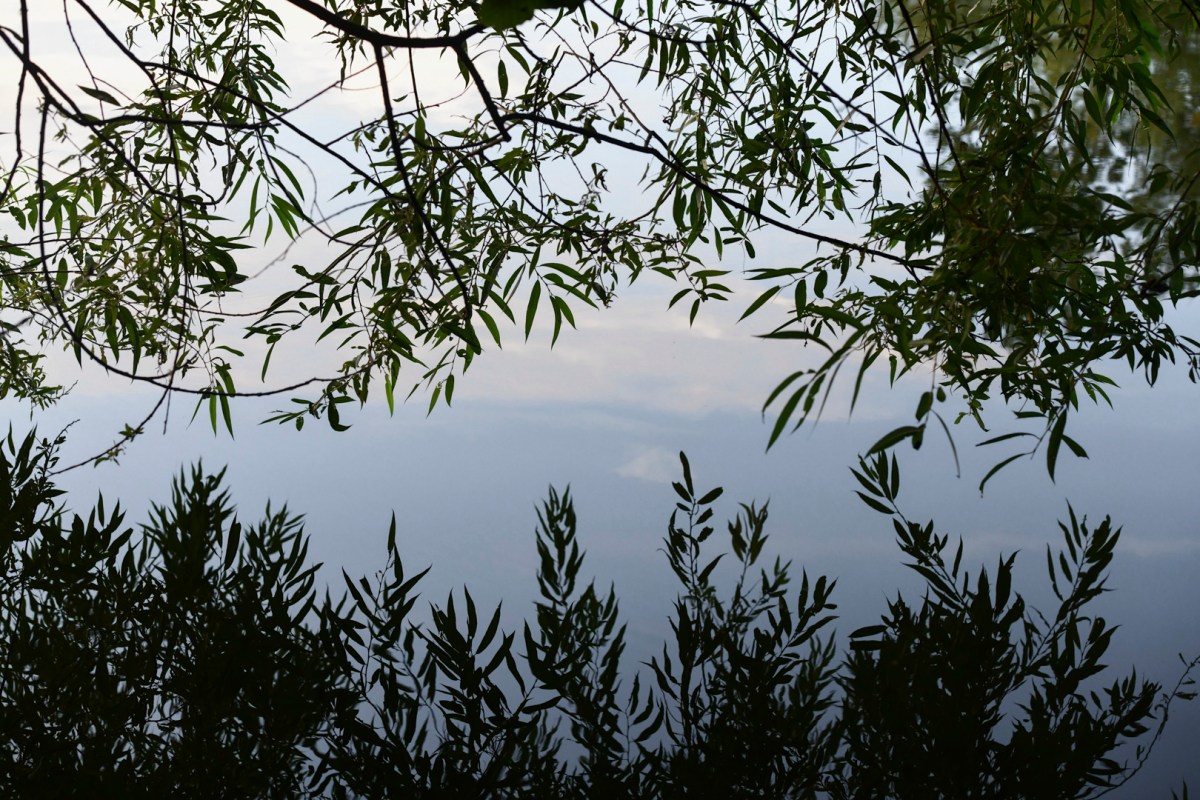
My favourite image is no 5. At first it looks as though it could be a charcoal drawing and then I noticed the reflections, you can see the bottom of the lake because the water is so clear, there is debris on the surface, reflections from the trees above, the weed and debris on the bottom makes it a possibility for a large scale print.

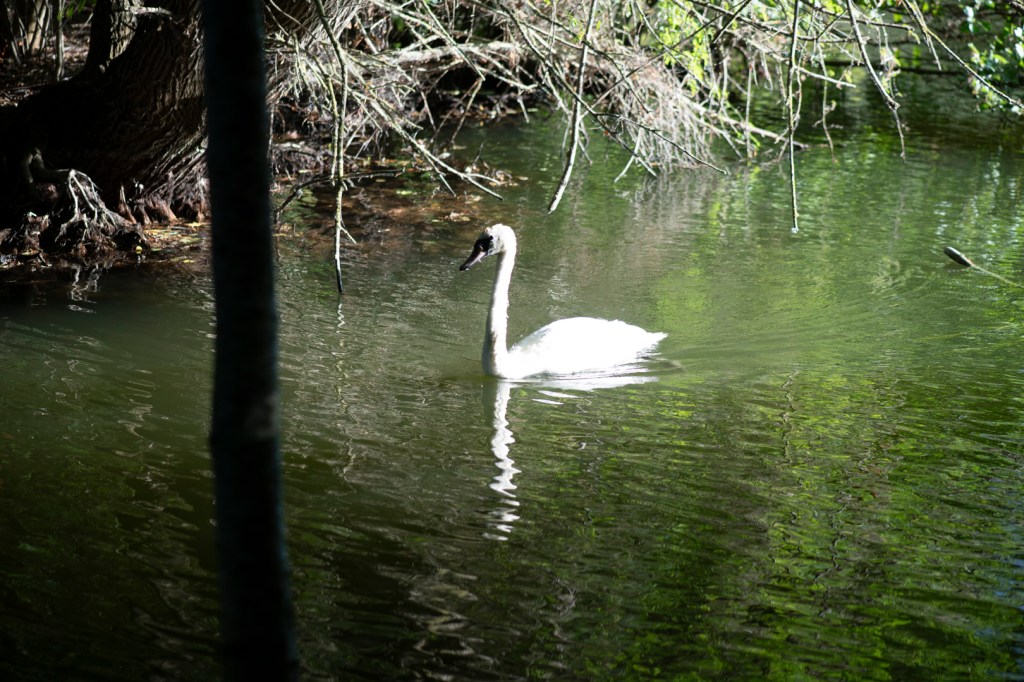
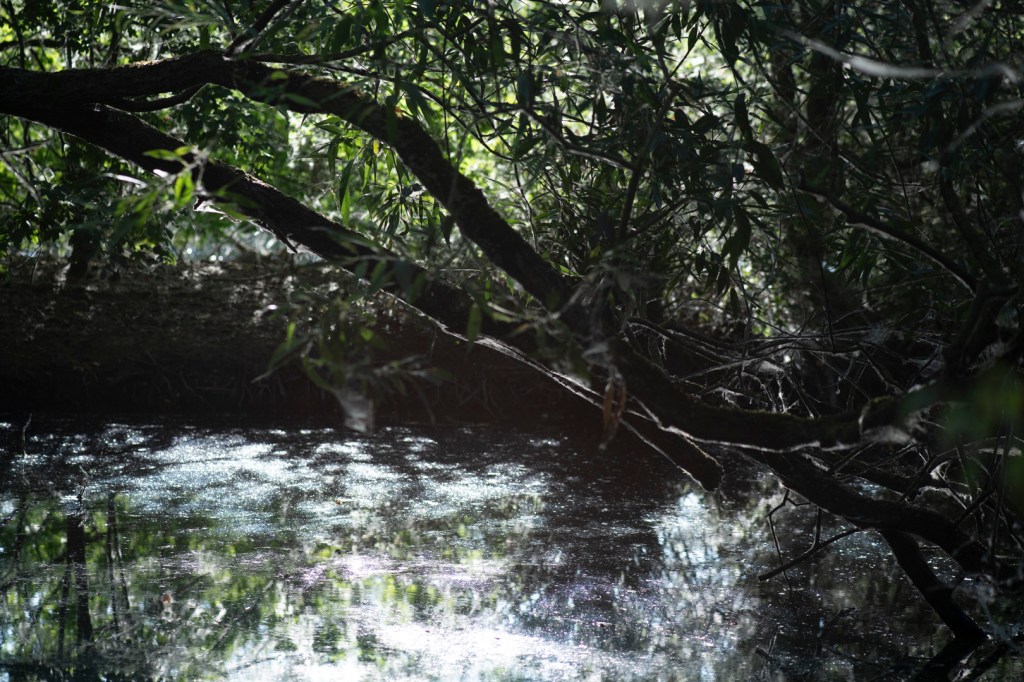
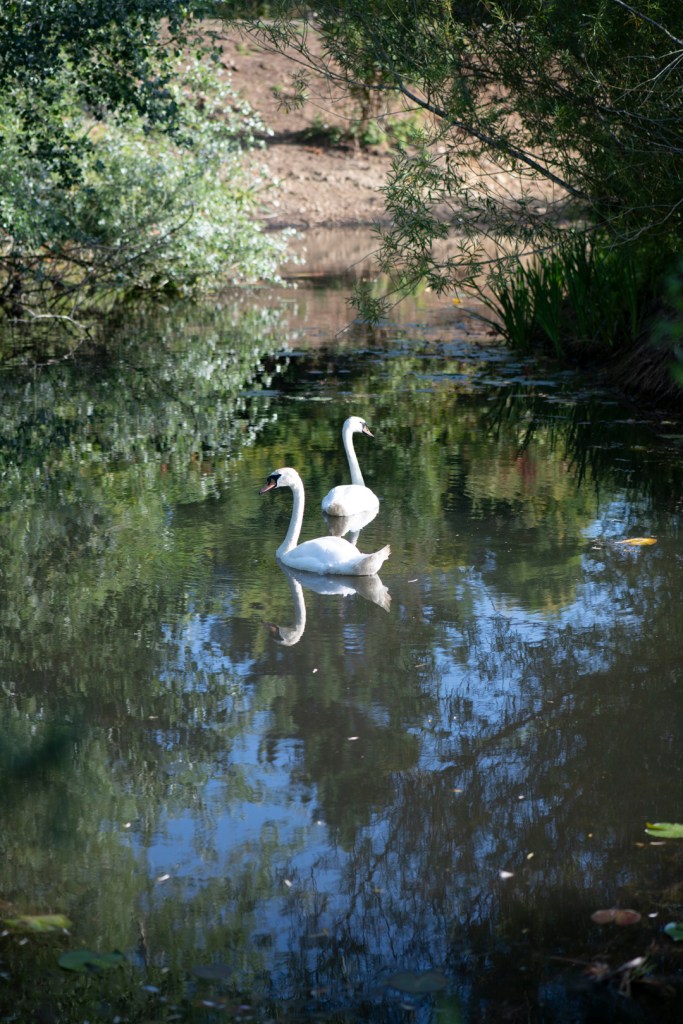
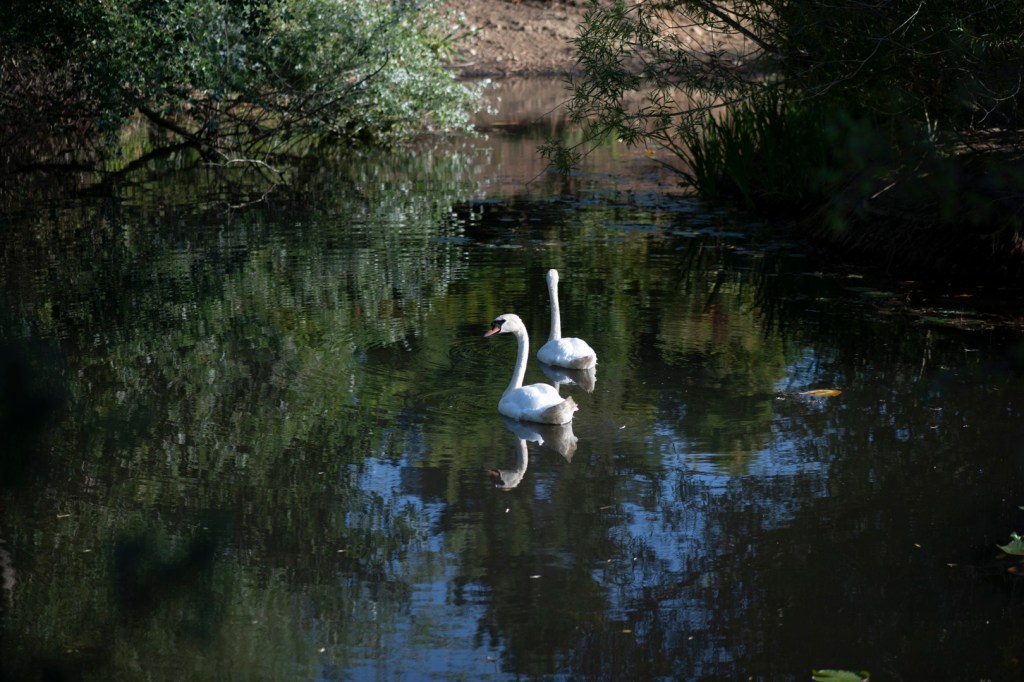
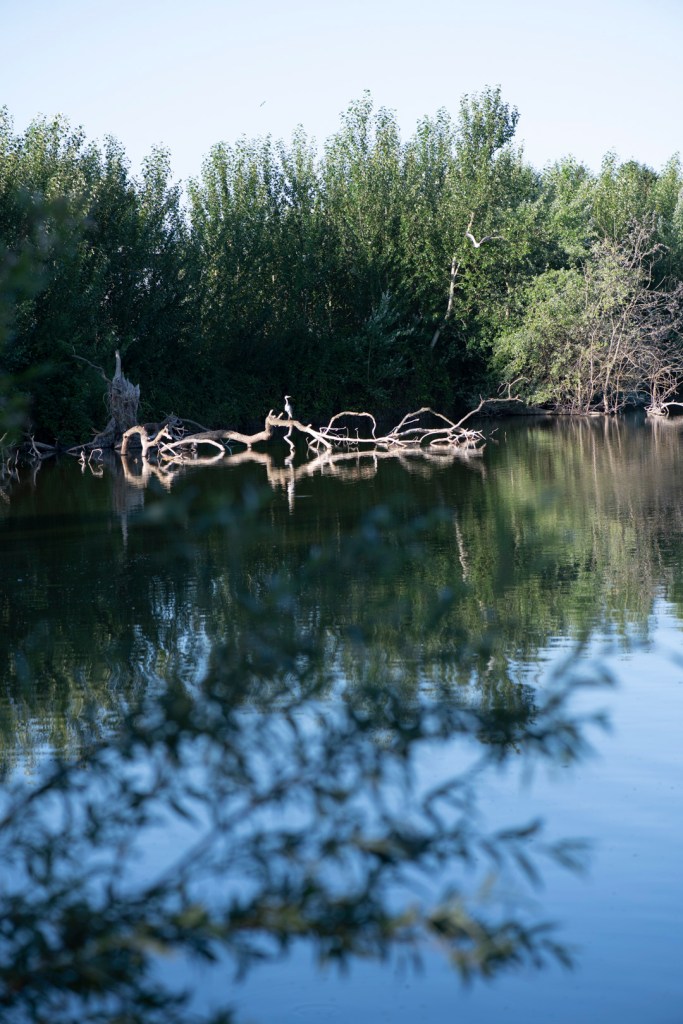
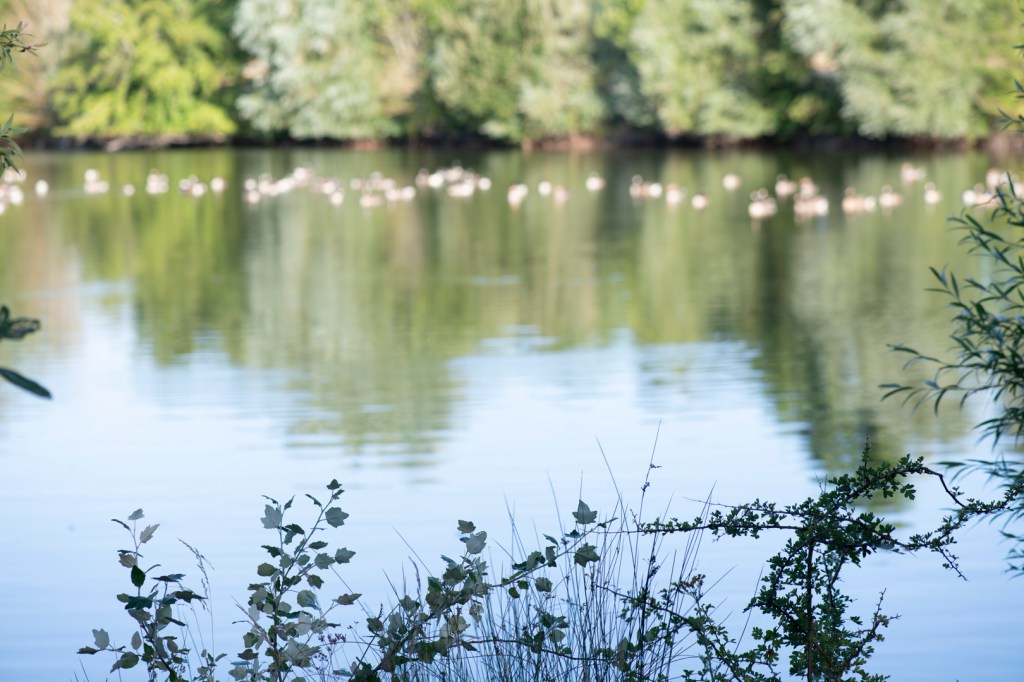
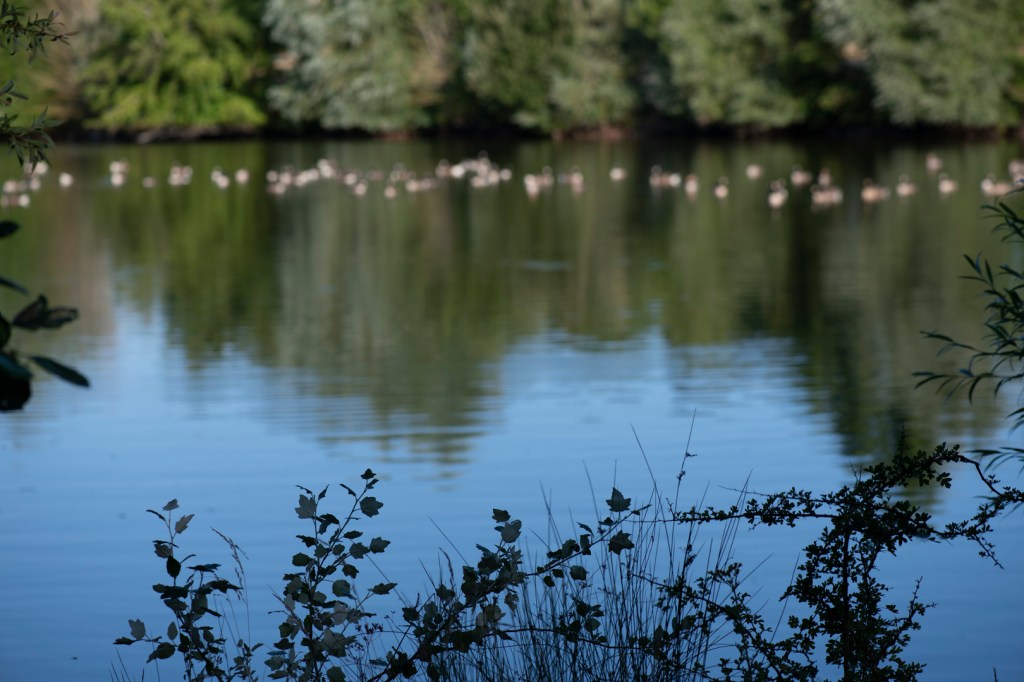
I had explored the lakes slowly, having already been around once with my digital camera. I tried to think about my surroundings, the heat had been quite intense and was levelling off a bit given the time of day. There was a very distinct stillness all around, insects could be seen above the water, and light bounced off every shiny surface. All in all it was a perfect summer evening. The was a a lot of algae visible on the surface of the water, in some areas make it look like solid ground. Under the shade of the woodland I photographed under the canopy of the trees, I noticed the reflections and the shapes they made, the initial investigation with the digital camera really enabled me to pause and reflect more on a second walk around. Its worth using this method of documenting and exploring again, it is as if I need to use up some mental and physical energy first.
Link to images: 7800 IMAGES

Dacha – 1st August 2025

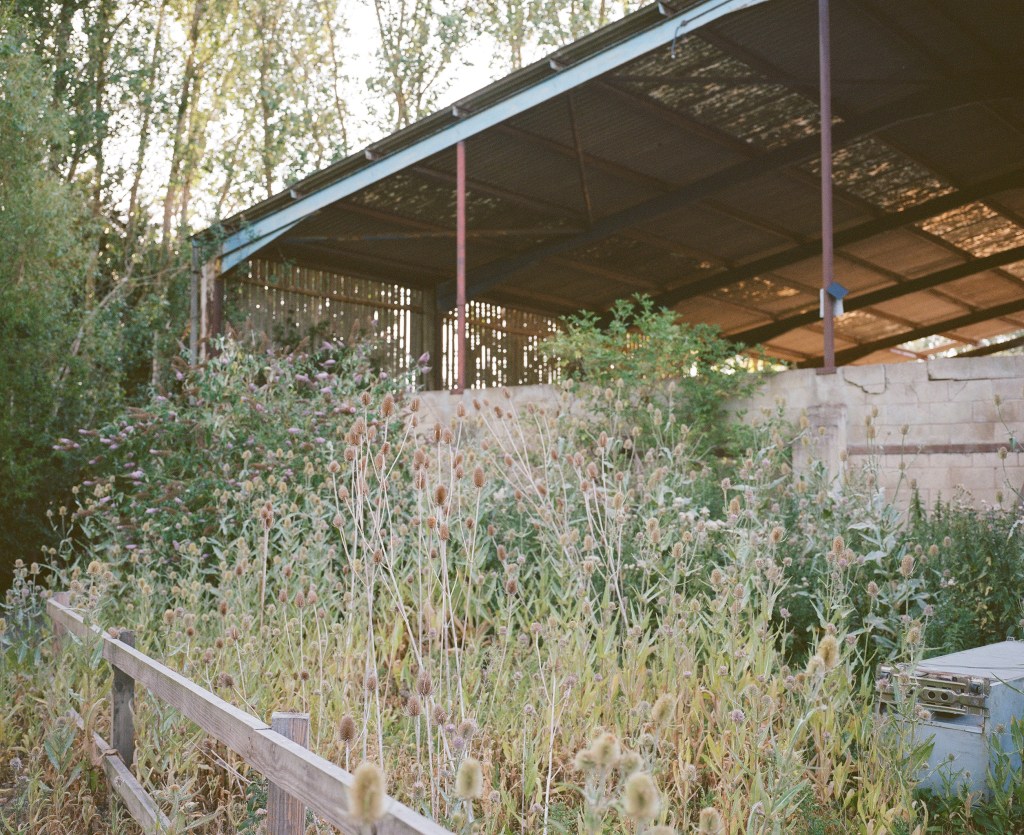
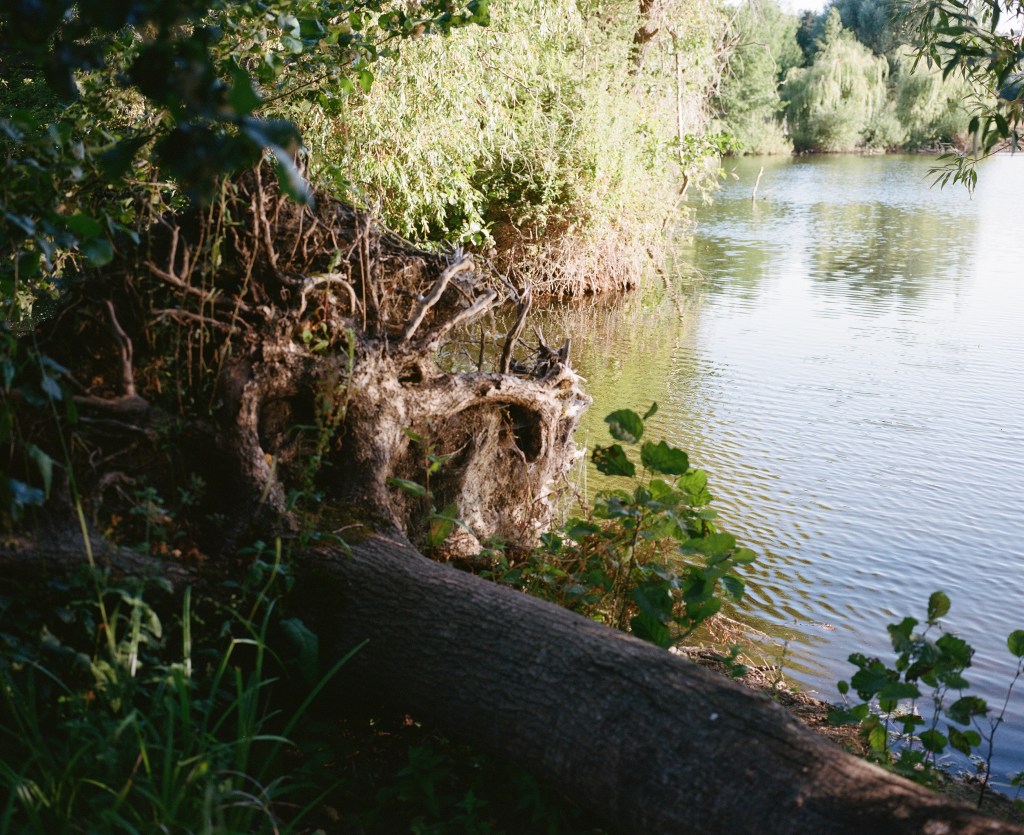
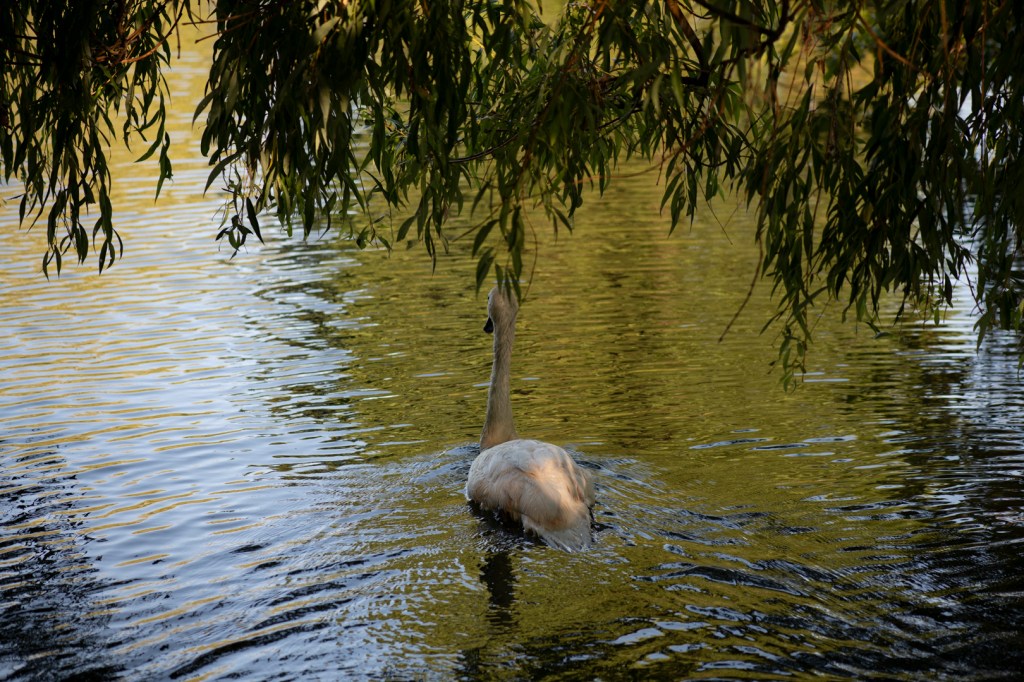
This was an early shoot with my analogue camera, I tried a few ideas out when at Dacha and also when I was away in France at my in laws. I hadn’t thought too much about these images at the time but on reflection, I decided to include several in my analogue book (images 6, 8 & 9) these were taken when we had a very hot period over summer, I shot the photographs at Dacha in bright sunshine and I think this shows in the colour photographs, the greens are not right and the overall scene looks too bright. I do like image 1 but this doesn’t fit well with what eventually will become my series. This shoot was predominantly about getting used to a new camera and to practice being present in the landscape.

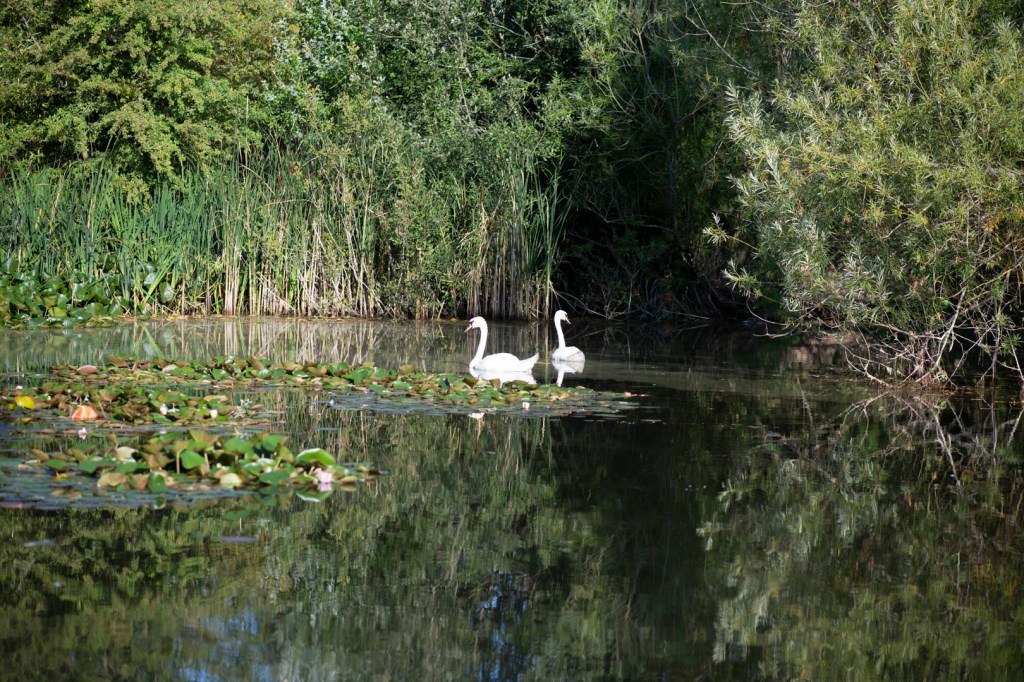
In image 9, I particularly like the reflection of the clouds in the sky. It looks as though someone has swished a paintbrush across the centre of the scene. I like the many shapes around the frame of the picture, from the trees on the bank of the lake and the leaf debris floating on the top of the water. I think there is quite a lot going on in this frame.

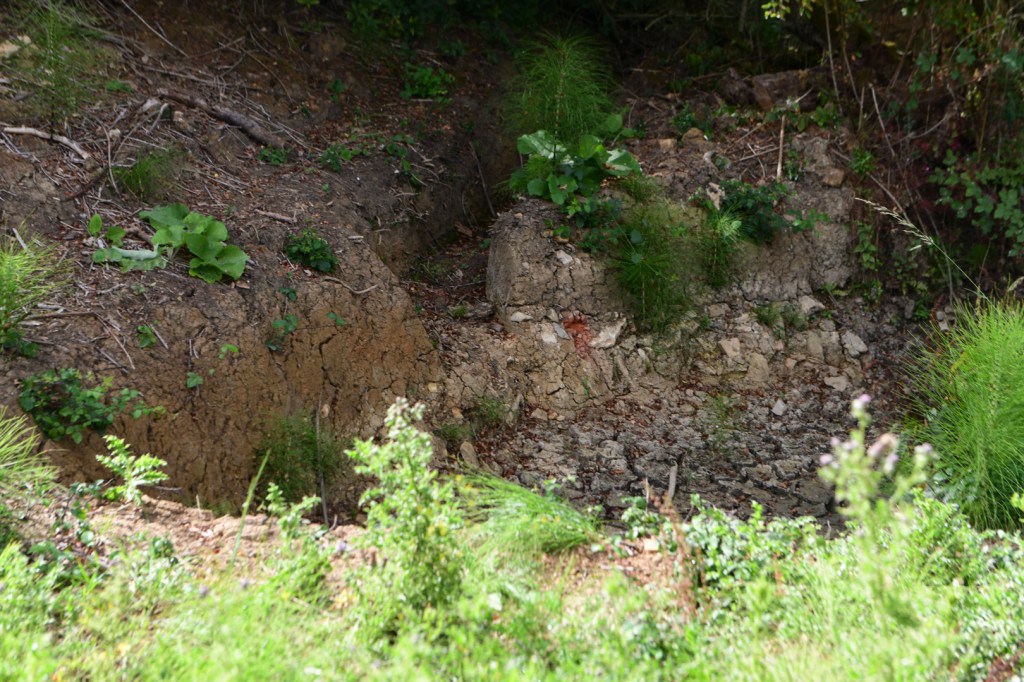
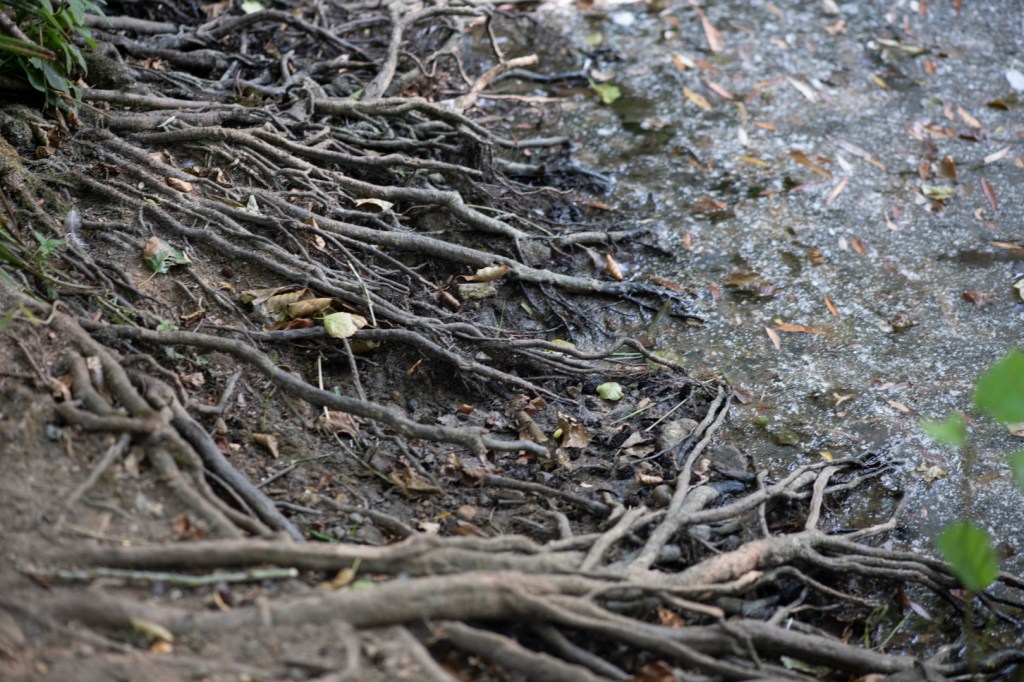
For photograph 6, this shows the extent of the dry summer on this part of the lake. The bank was bare and dry, the water level is very low. It signifies the time of year as well as aims to lead the mind to wander what is around the corner, in my direction of travel. I have included this in my final selection as it acts as a link between images.

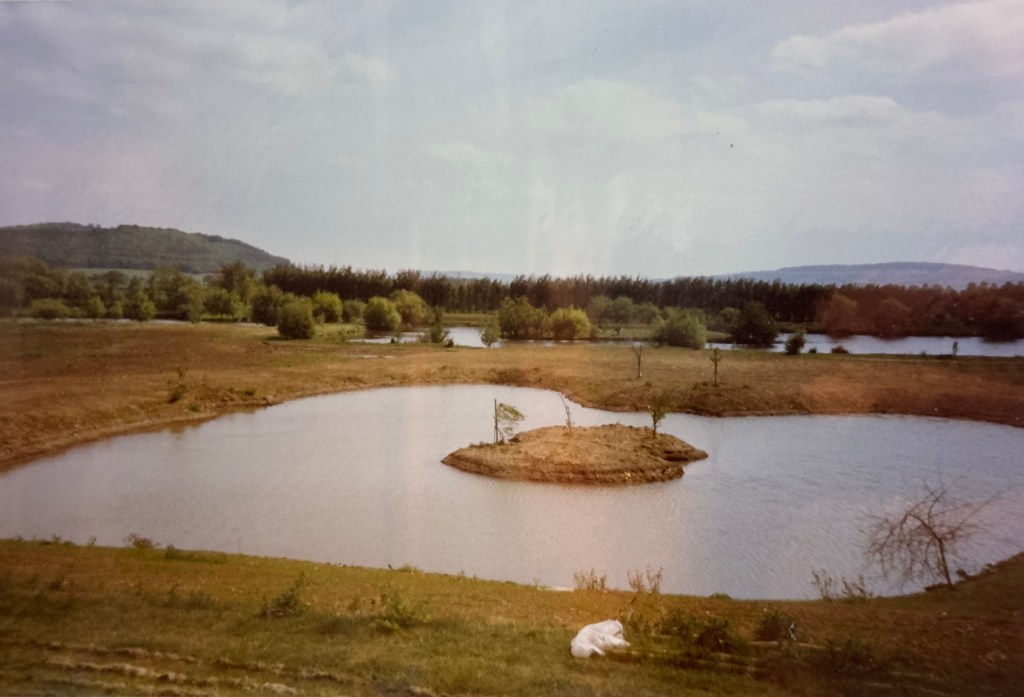
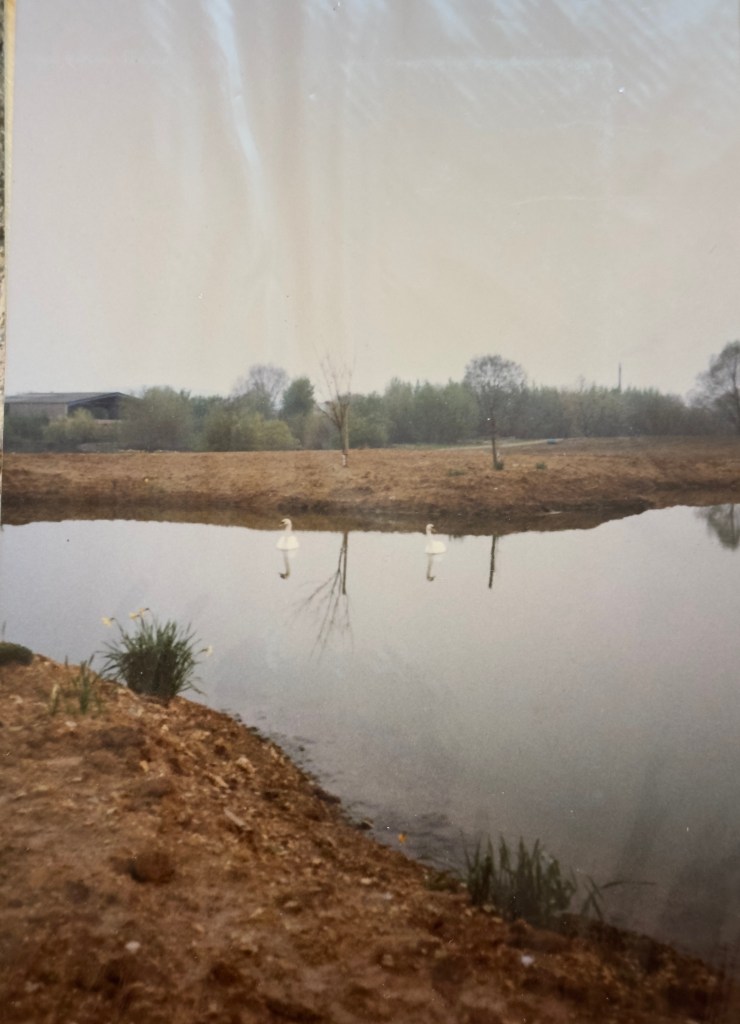
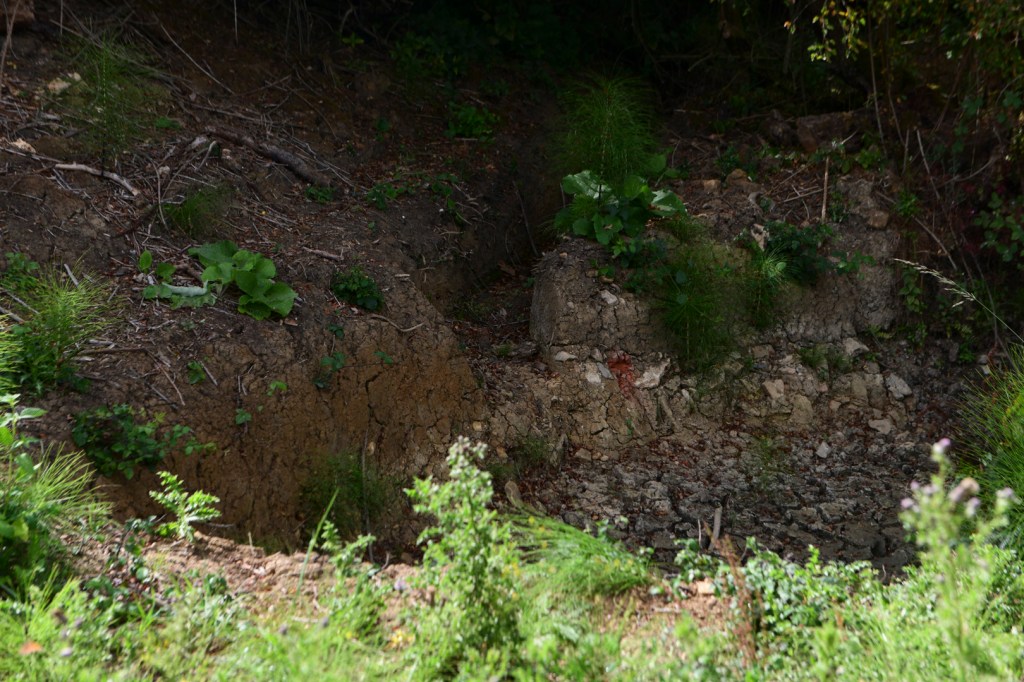
In photograph 8, I like the various shapes here, this emphasises how my stepfather alters the shape of the place. In the two photographs below you can see what was originally there when they created the lakes back in the 1990s. It is a very different place now and it has changed shape many times, almost like an ongoing large scale work of art!

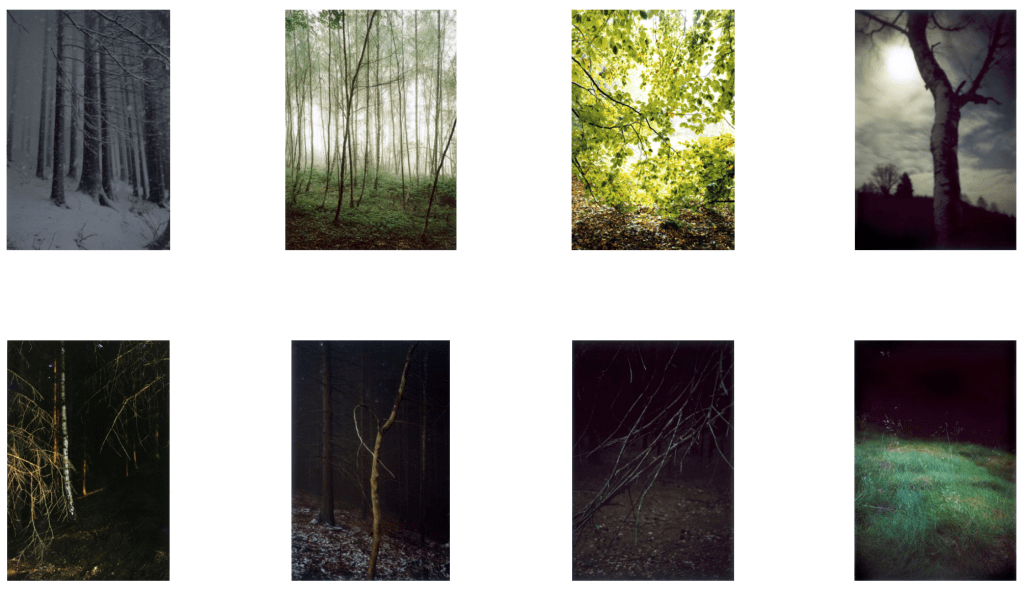
Jitka Hanzlova – an immersive approach

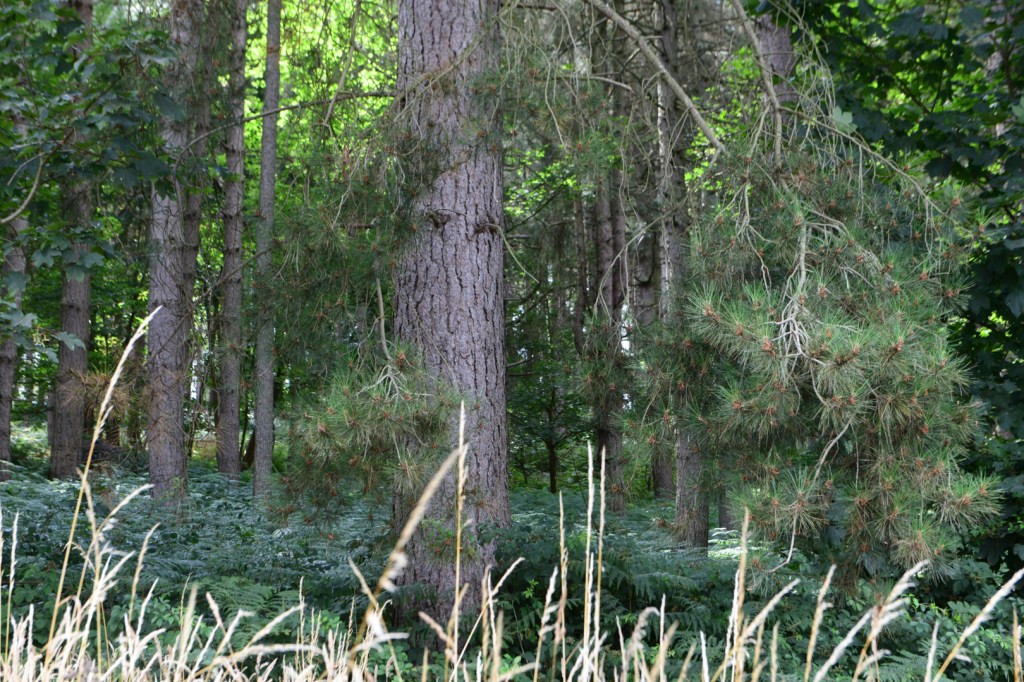
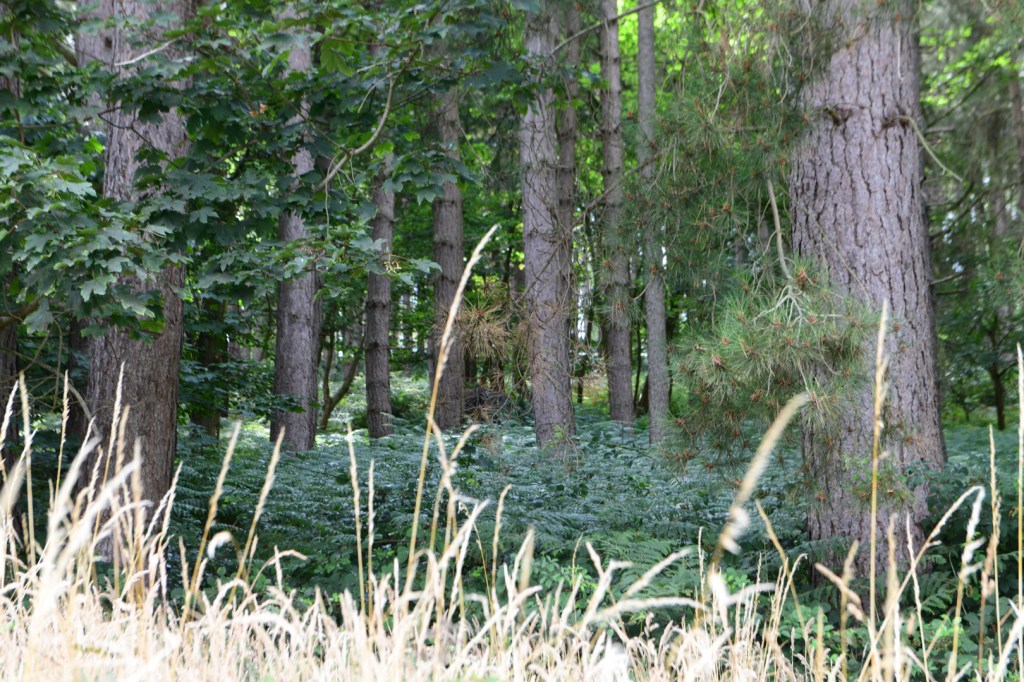
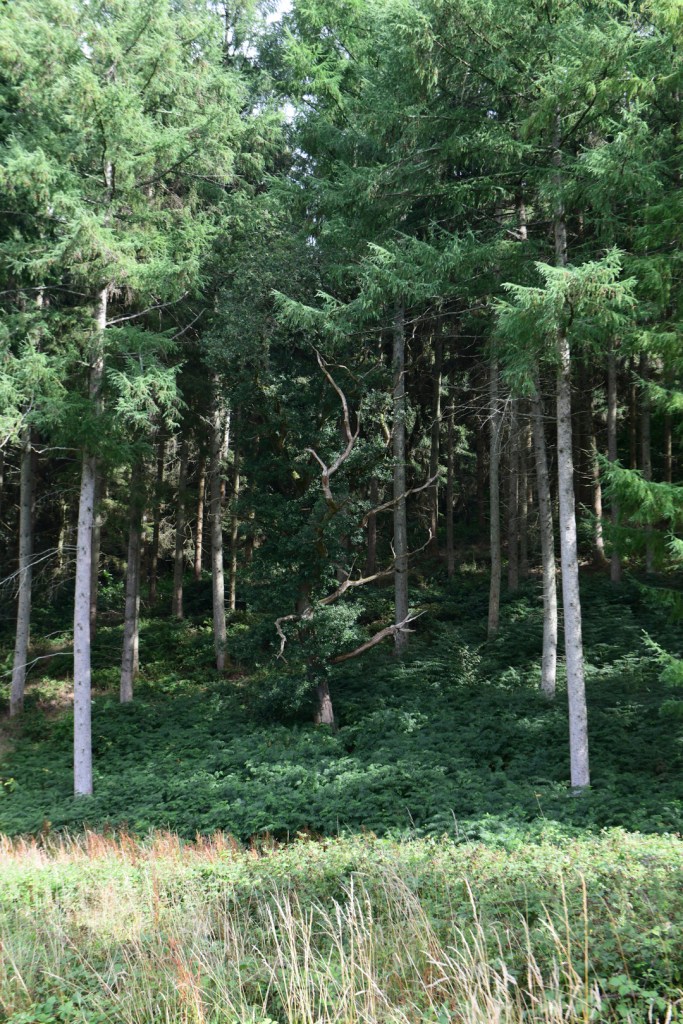
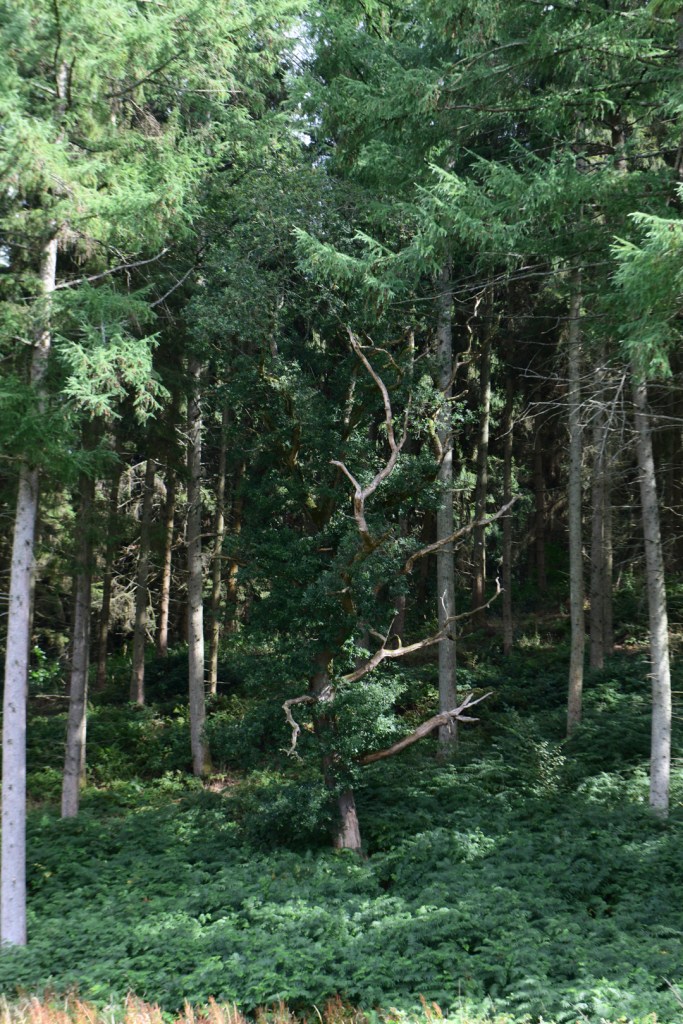
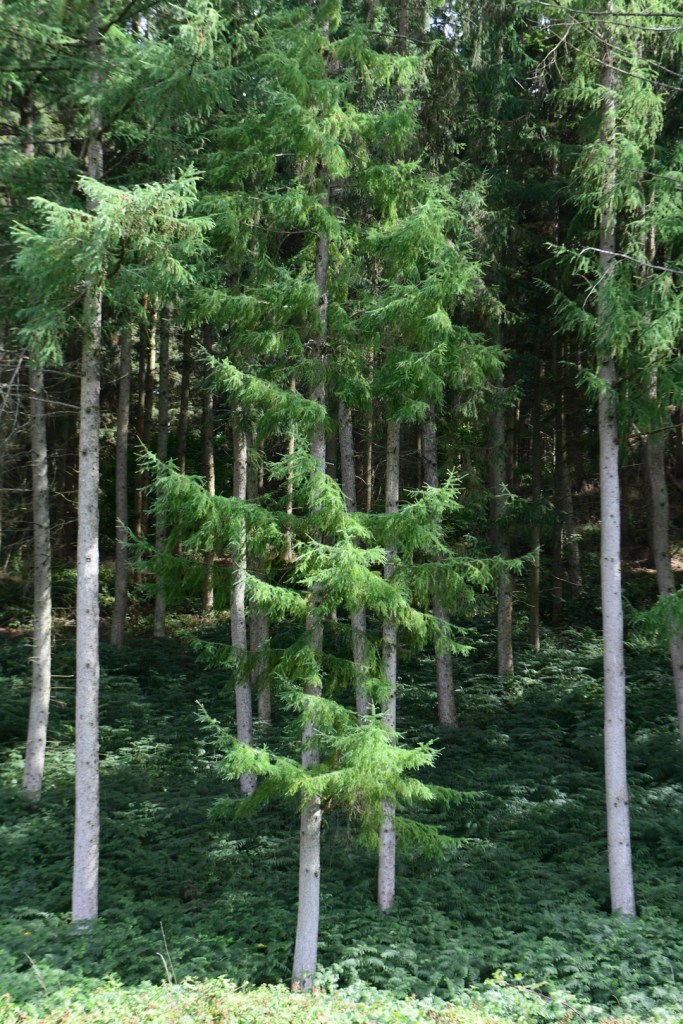
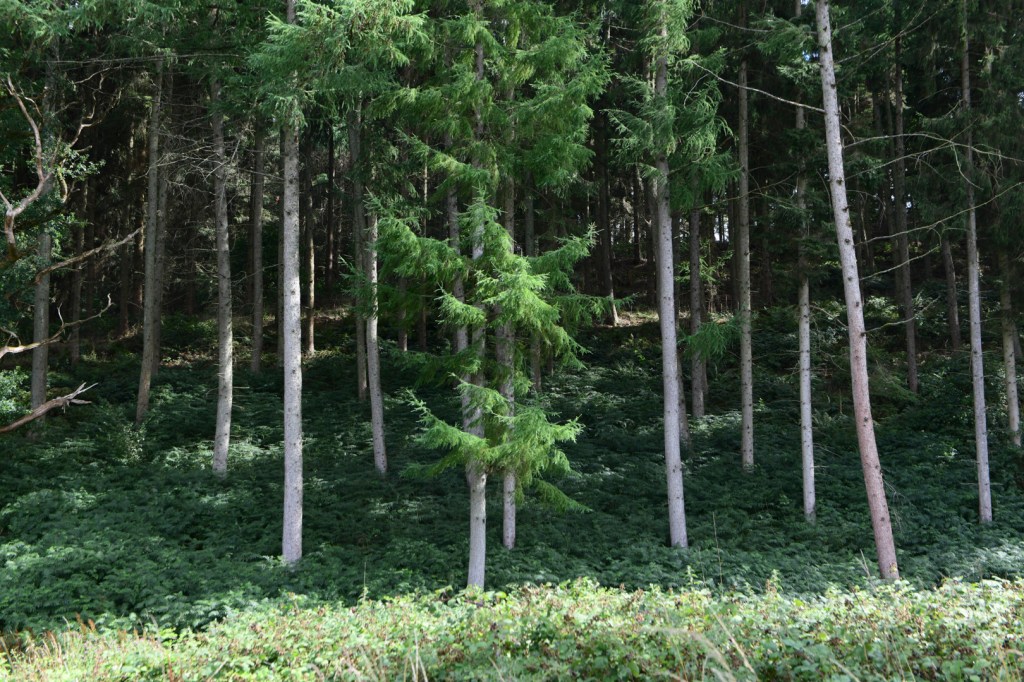
Images above, all Jitka Hanzlova from her series ‘Forest’

Tim Ingolds book ‘The Perception of the Environment’ is a book I’ve researched before, for critical research in other modules. In the chapter ‘The temporality of the landscape’ he discusses and illustrates what he terms ‘the dwelling perspective’ arguing that we are immersed in the world, shaping it through practical engagement over time; the result of memory, work and natural processes. However, the landscape is not shaped by humans alone, we are acting alongside plant growth, animal movement, weather, erosion etc. This persepctive places us as part of landscape, rather than outside masters of it. It seems to me to be this is relevant to the work of Hanzlova, in her experience of photographing for ‘Forest’

I am revisiting the work of Jitka Hanzlova for my FMP. Her practice is rooted in self reflection and exploration of personal history. I have written about her project ‘Forest’ in a previous module, there is a section in John Bergers ‘Understanding a Photograph’ in which he discusses the forward that he wrote for Hanzlova’s book. There is a highly evocative passage in which he discusses how Hanzlova found that sitting in the forest of her childhood home, she is hearing the usual sounds of birdsong, leaves and branches rustling, seeing the woodland elements moving in the wind and feeling the air on her skin, just as you might expect. After a period of time as she concentrates, the sounds disappear, the wind seems to rush out and she describes what sounds to me like entering a meditative state, almost like crossing into another realm, becoming part of the forest instead of just being in it. This becomes a much more deep sensory experience, with the surroundings being something you are suddenly a participant rather than observer. As though being invited in, by the environment itself.

In my explorations of Guiting and Dacha, I have experienced this other worldliness. It is a sensation of absolute belonging, which is a powerful and overwhelming feeling. I believe that this is where therapeutic benefit happens, a moment where it has been possible to leave behind the noise, stress and anxiety and to see with clarity & feel as though there is nothing else other than being in this place at this moment. It is fleeting but I imagine its this which is spoken about when ideas of meditation are presented. Interestingly, I have been successful in meditation in the traditional sense, I don’t like feeling out of control, it makes me feel quite vulnerable. However it is interesting that being surrounded by an environment which has positive personal historical significance (generations of family having lived and worked here) as well as my own memories and experiences makes this an easier or perhaps more likely environment to experience a meditative state.

Links to my earlier research on JH:

https://lucindataylorphotography.co.uk/2025/06/10/forests/

Tim Ingold DOI reference https://doi.org/10.4324/9781003196662 (original page numbers 234:258)

Temple Guiting & Guiting Wood

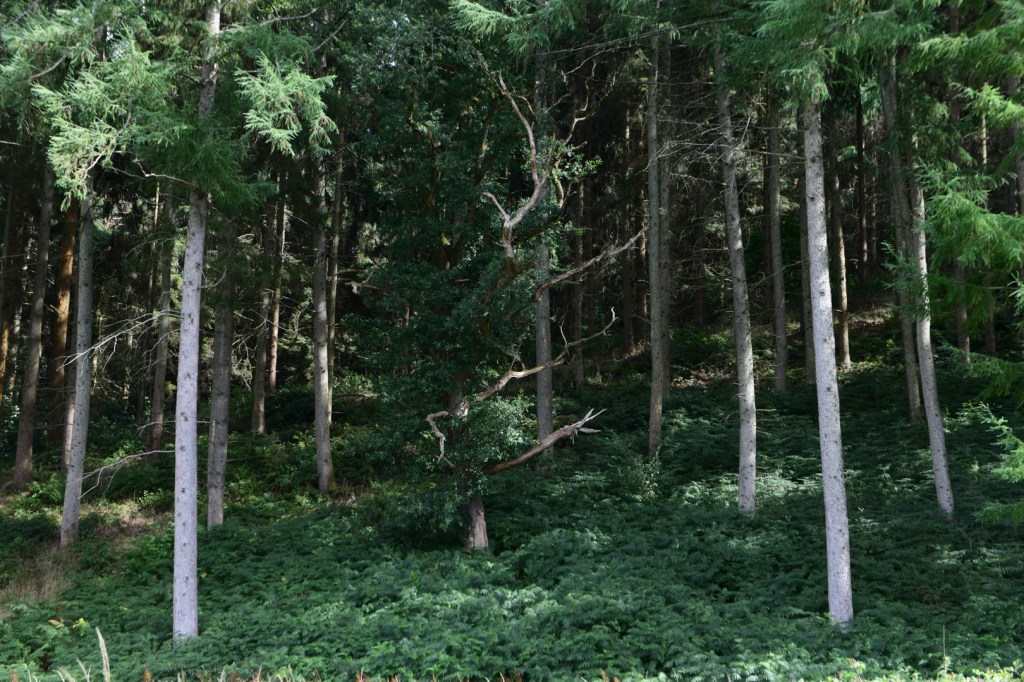
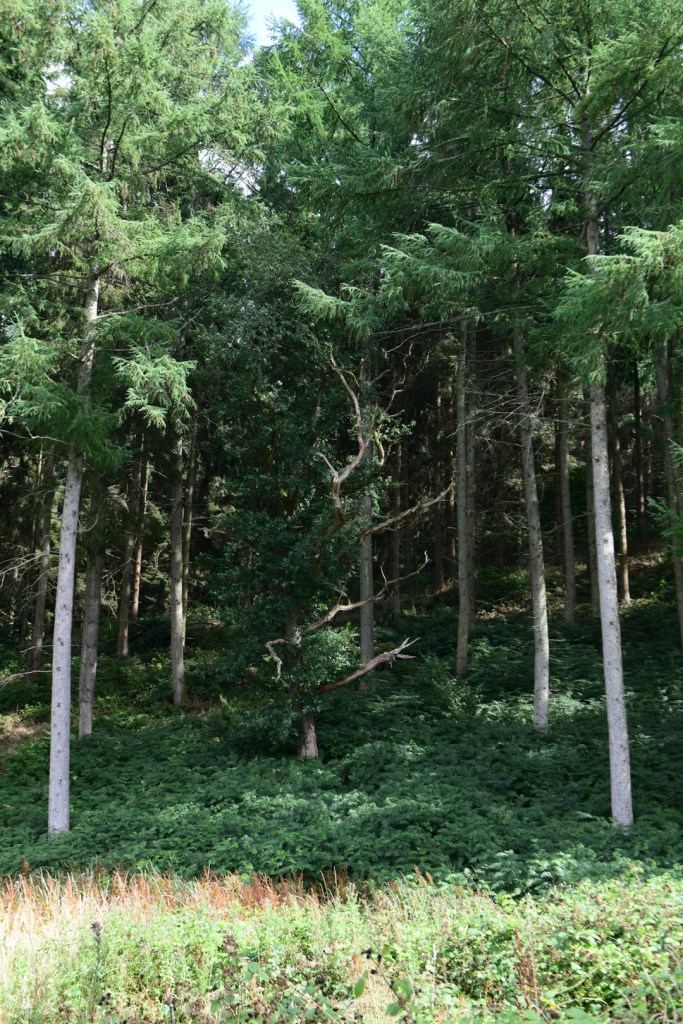
As I outlined in my proposal, I would be exploring those ’emotional landscapes’ which hold the greatest sense of belonging, those in which my memories are contained and forever embedded in the natural landscape. I have often returned to Guiting for my creative practice as it was central stage to playing out out my childhood years, alongside my sister and our grandmother, aunts, uncles and cousins.

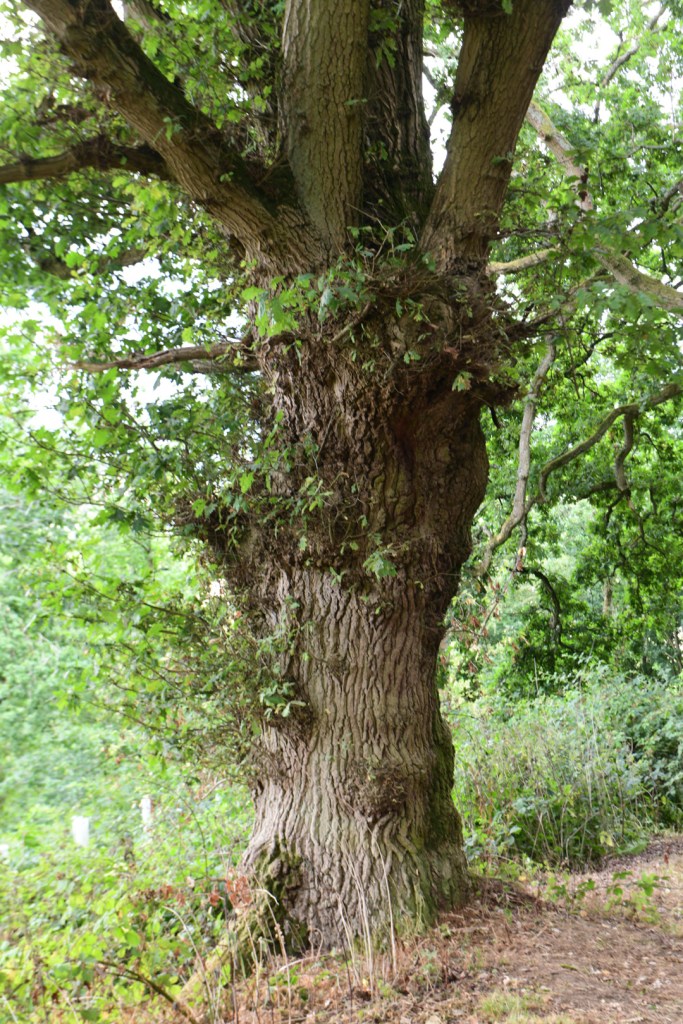
When I see the images by Fergus Heron, among others, I am reminded of a module I did for my BA, where I photographed in Guiting Wood. I called the project ‘Back To My Roots’ and produced a simple book (printed by Blurb) to sit alongside larger prints, exhibition standard prints. I am reminded of just how much emotional impact this module had on me and how this body of work was one I always intended to grow. It was work that I felt connected to on a deep level.

From the series ‘Back To My Roots’ Lucy Taylor, 2018

I visit here frequently to reconnect and still my mind, often taking a ‘silent’ walk, ie by myself and no other sounds other than the environment. I try to contemplate my surroundings, what stories can I tell about this place? This landscape is where I achieve a sense of self, through these mindful stories, evoked from memories and moments lived out here.

The landscape has changed a lot in the last 7 years. Much of what was visible before, is now hidden below new vegetation. Some of the trees have gone, either a result of the elements or from woodland management. My grandfather used to look after the pumping station here, as well as ensuring the integrity of the woodland environment. His diary contains details of trees planted and the costs involved from that time.

My earlier work centres around my family history, specifically my maternal grandmother. However, my recent discovery of my grandfather’s working diary from 1967 was an unexpected turning point for this project. With Temple Guiting and the surrounding area being those ‘landscapes of meaning’ from my childhood and the place I feel the greatest connection to. I have determined that this place contains the essence of my childhood and the lives of my close relatives and our ancestors.

‘Grampy’ worked for Corpus Christie College, employed to manage & care for their land in and around Temple Guiting. His diary is a record of daily duties and hours worked, There are mentions of water pump maintenance and taking delivery of tree species for the various plantations that he looked as well as occasional issues, e.g. ‘Landover stuck in reverse’ which gave me a chuckle. This diary is poignant as it stops in October, which was when he was diagnosed with lung cancer (a smoker since his role as a soldier in WW2). He died the following March, when my mother was just 13.  

Revisiting Guiting as a place of deep connection, has helped me to refine my ideas for the FMP. I will study this landscape with Dacha and investigate its deeper significance.

Fergus Heron

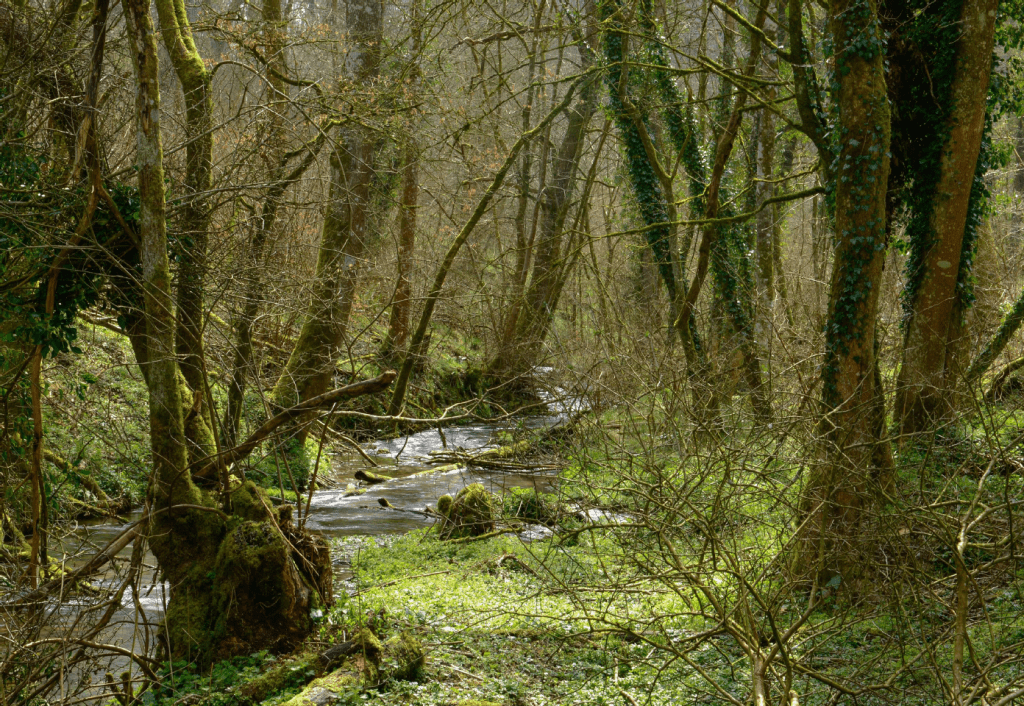
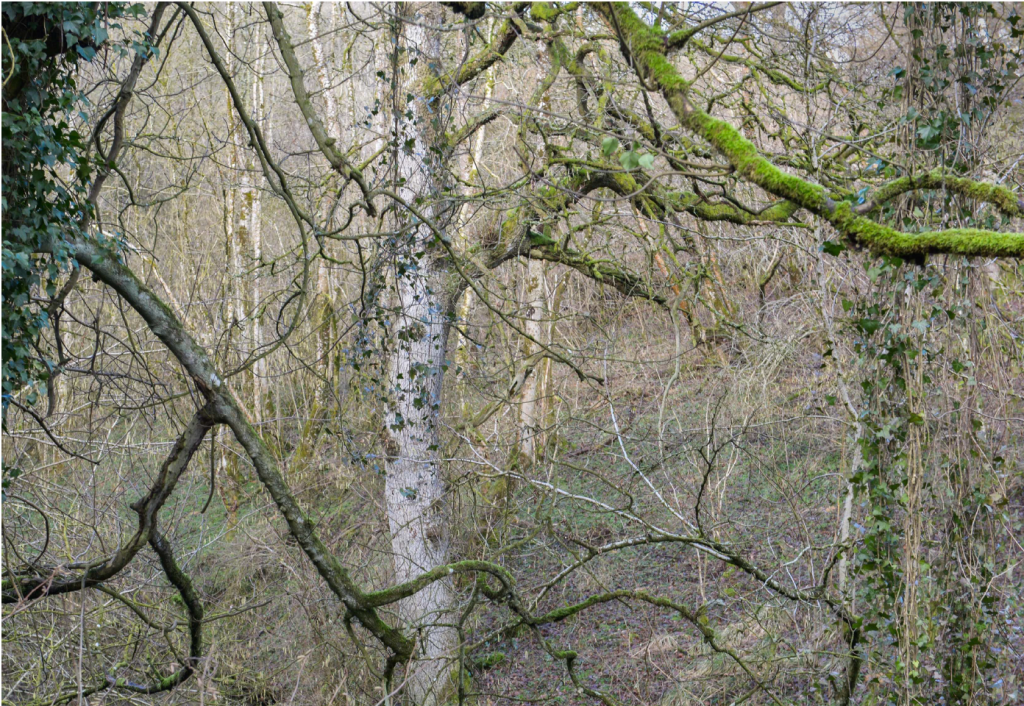
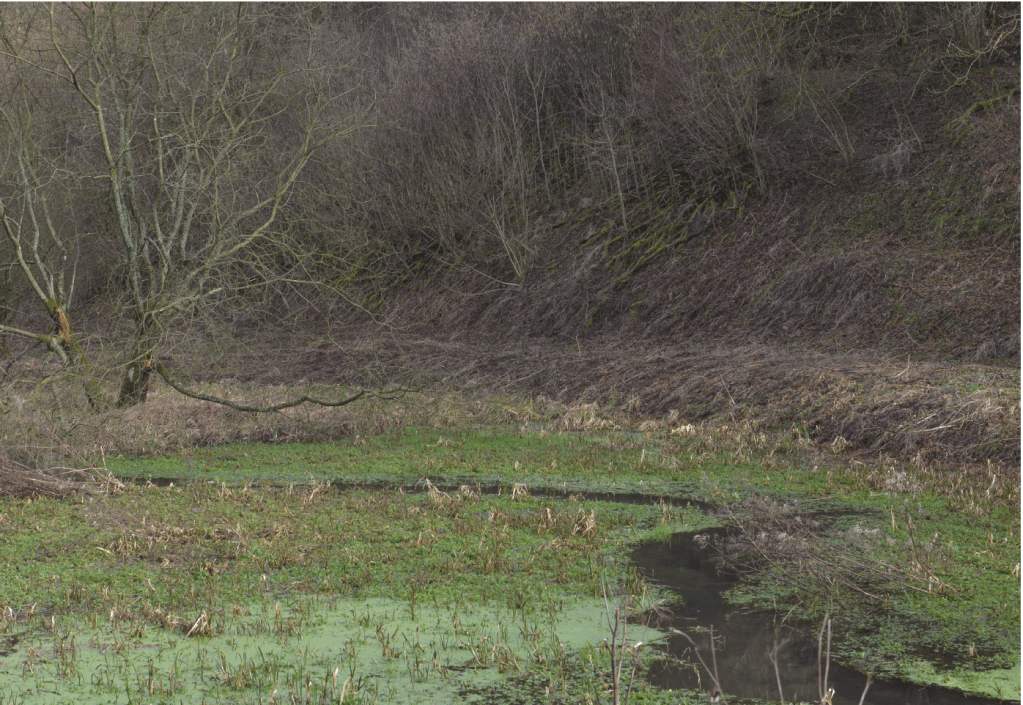
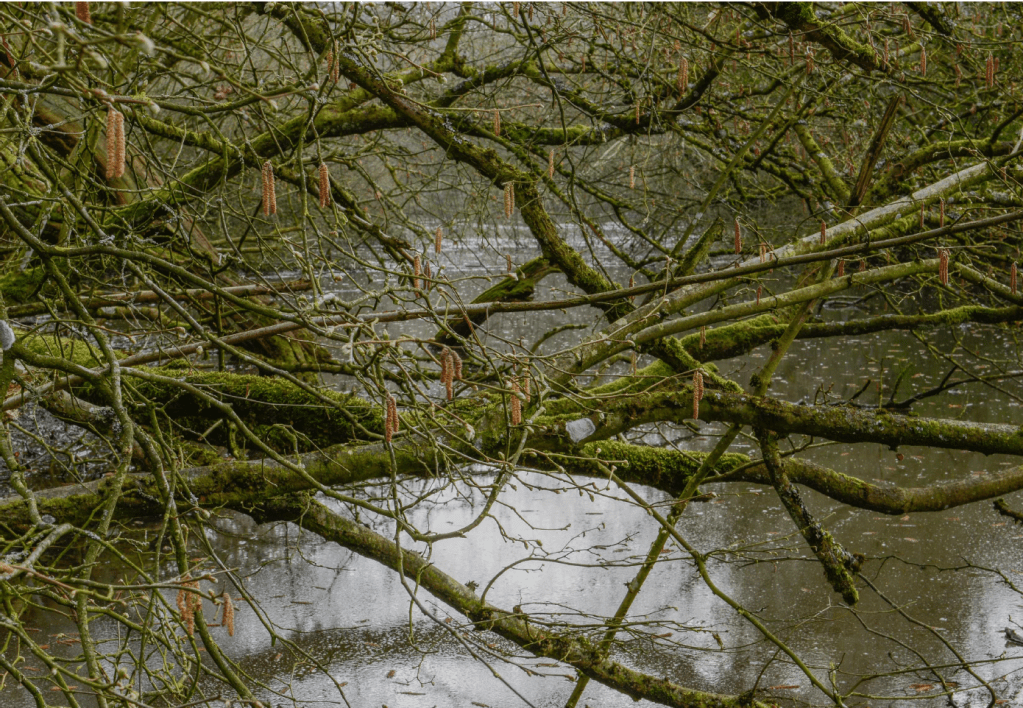
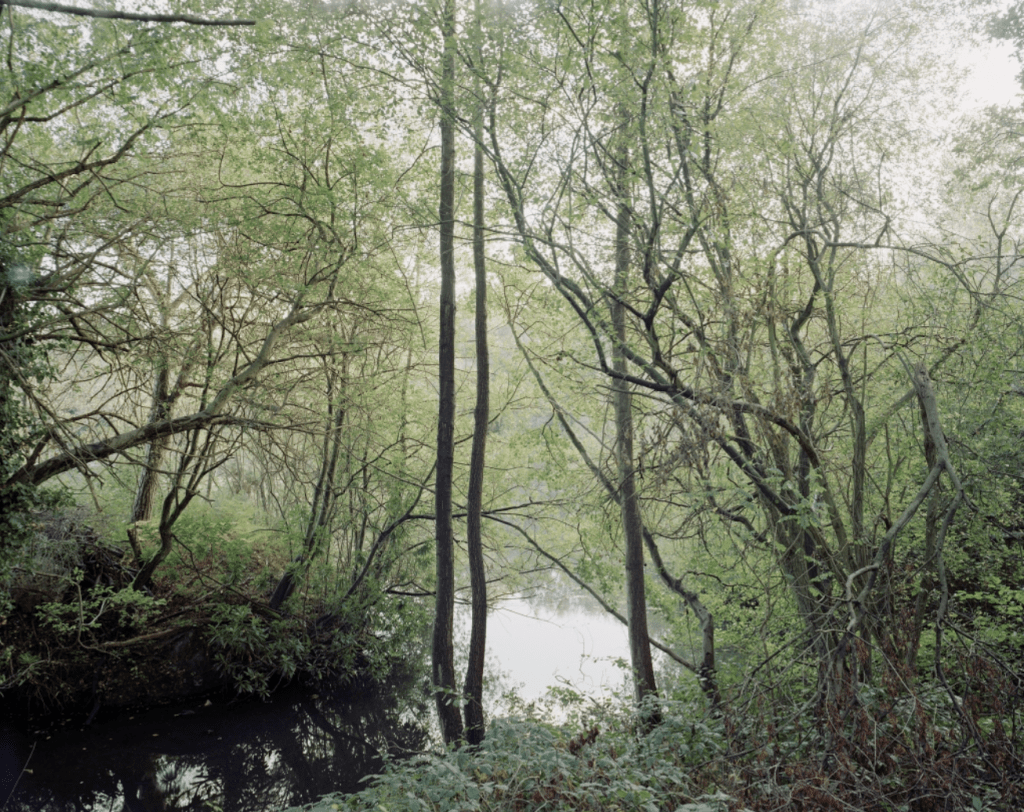
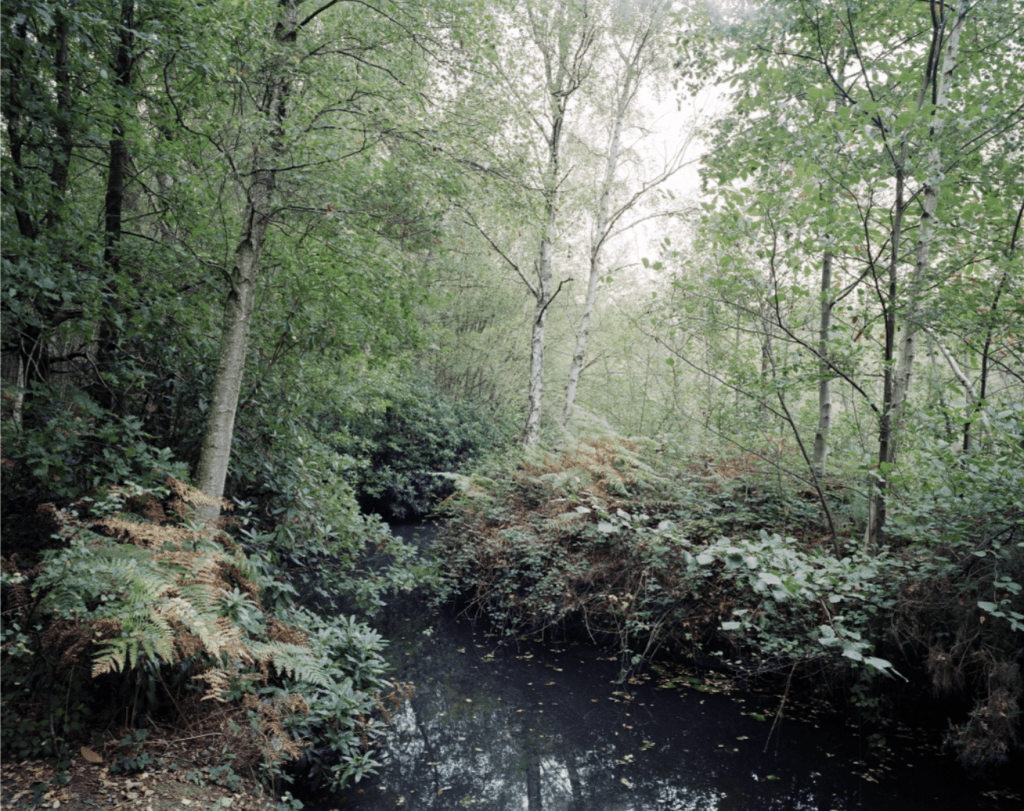
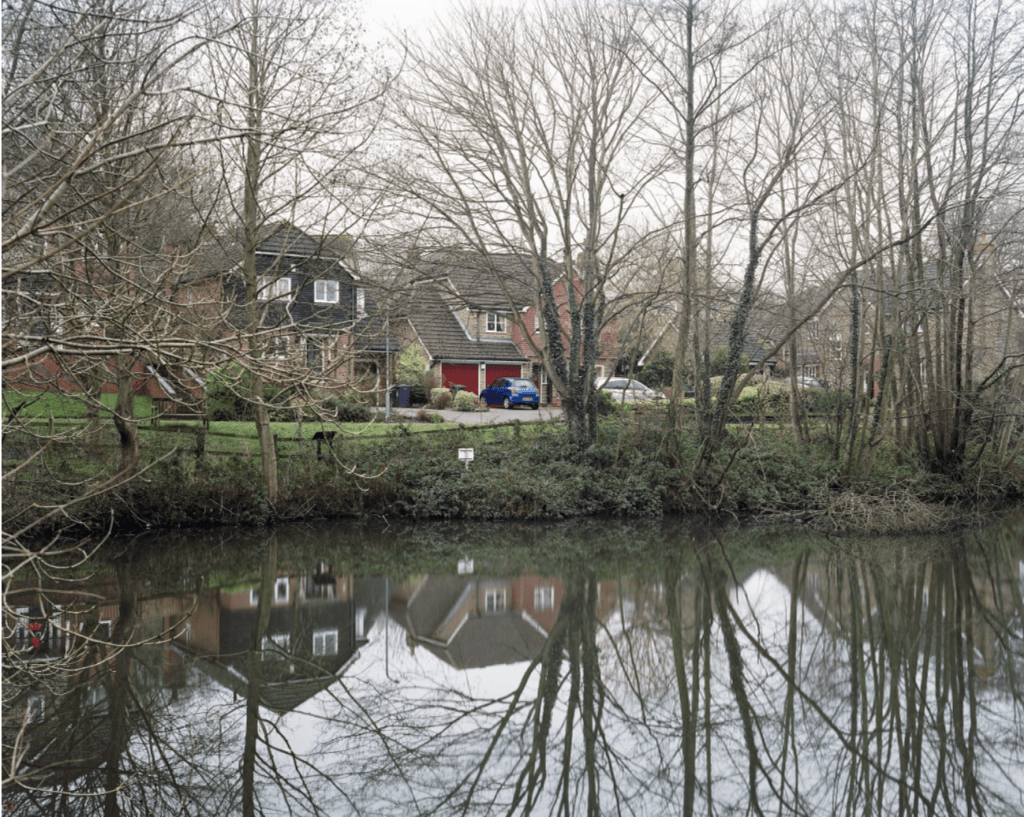
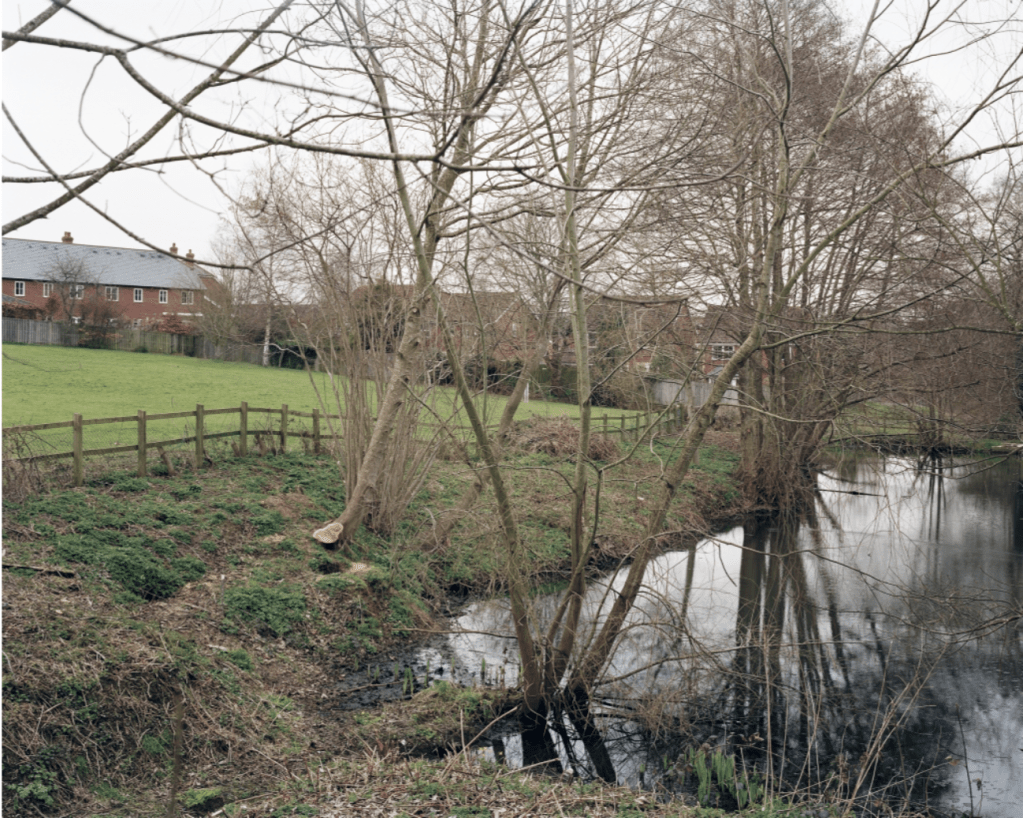
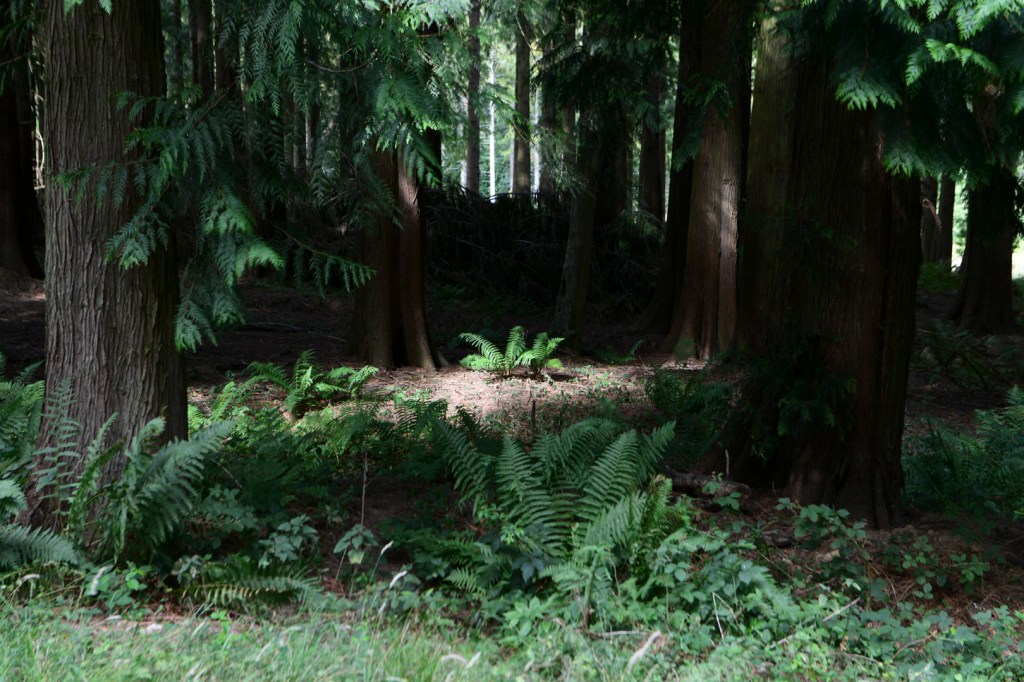
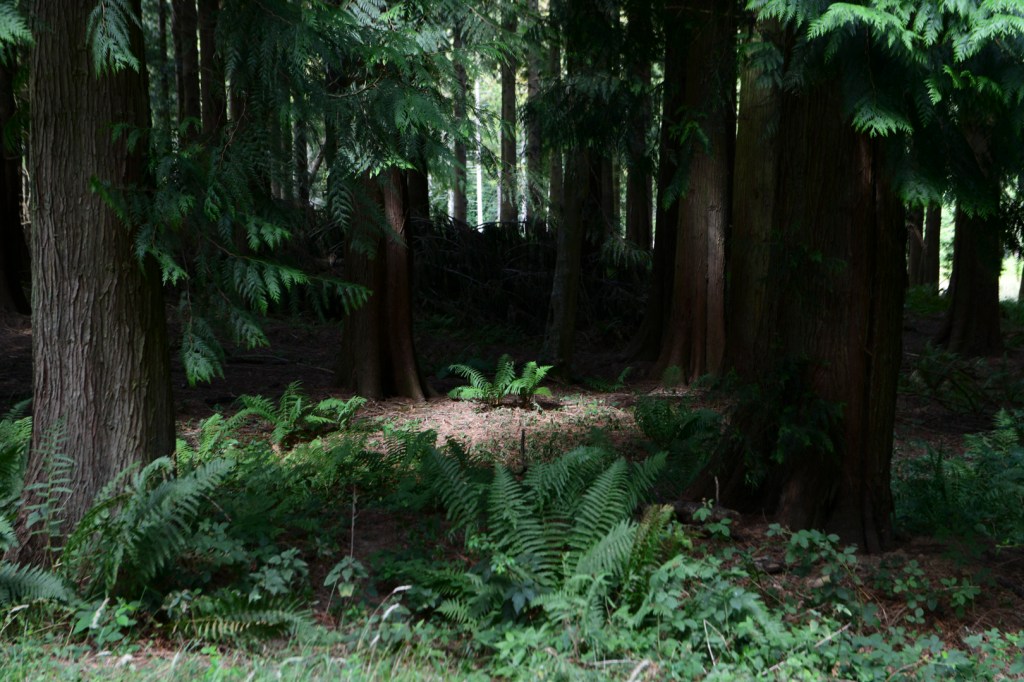
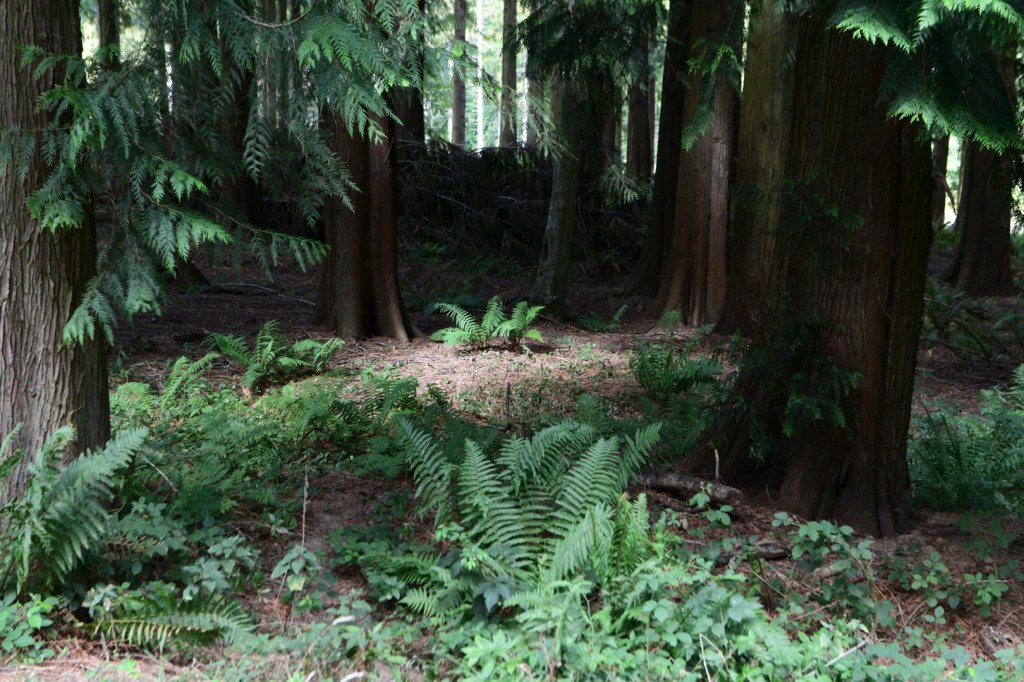
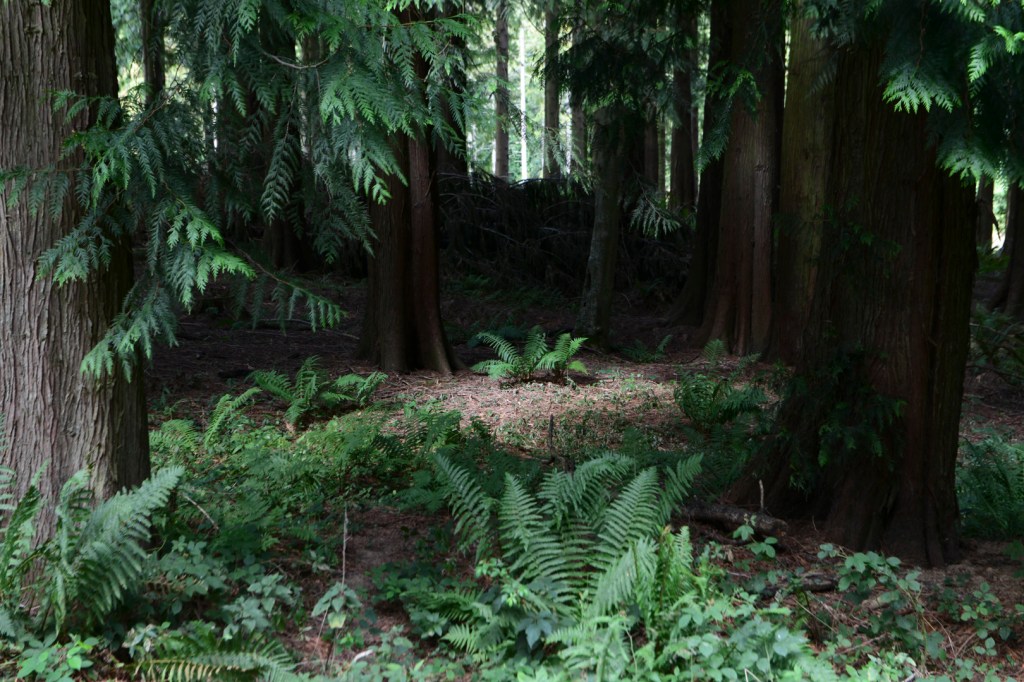
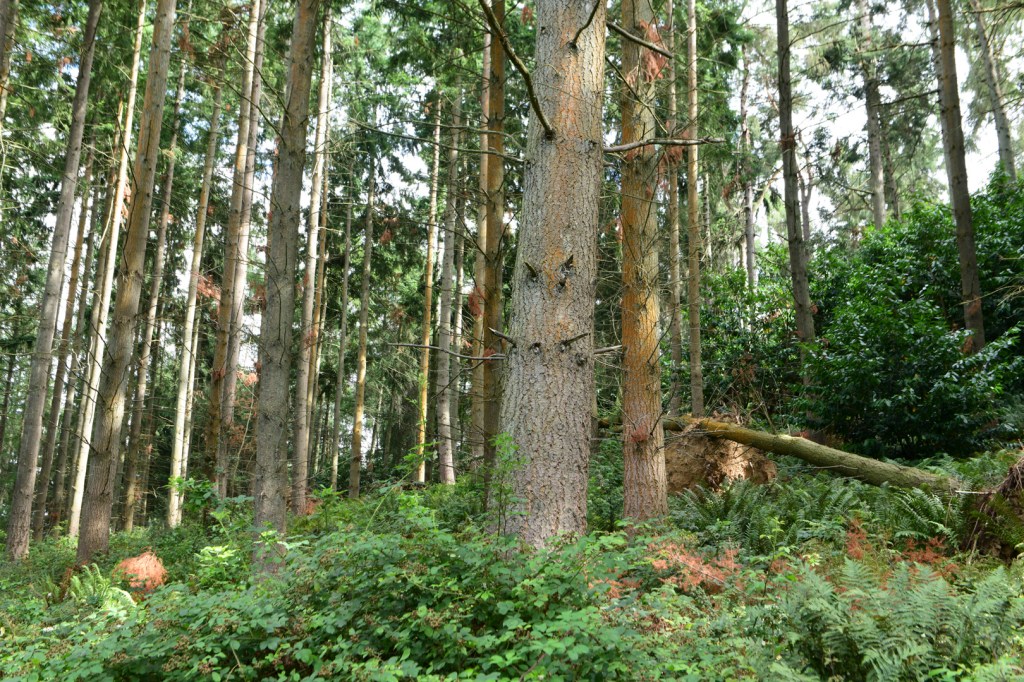
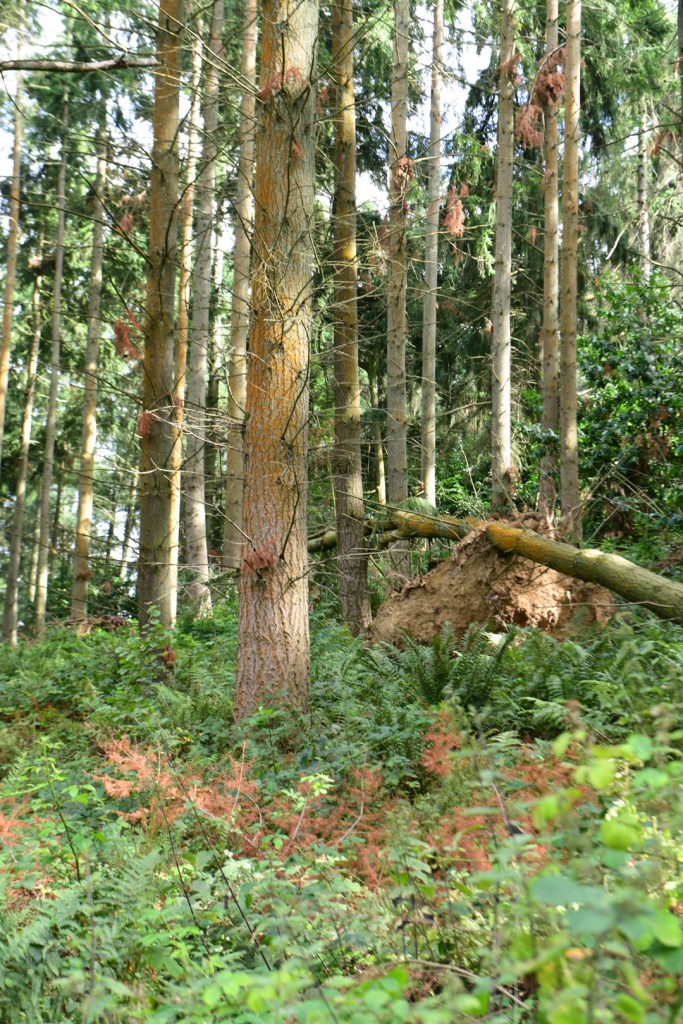
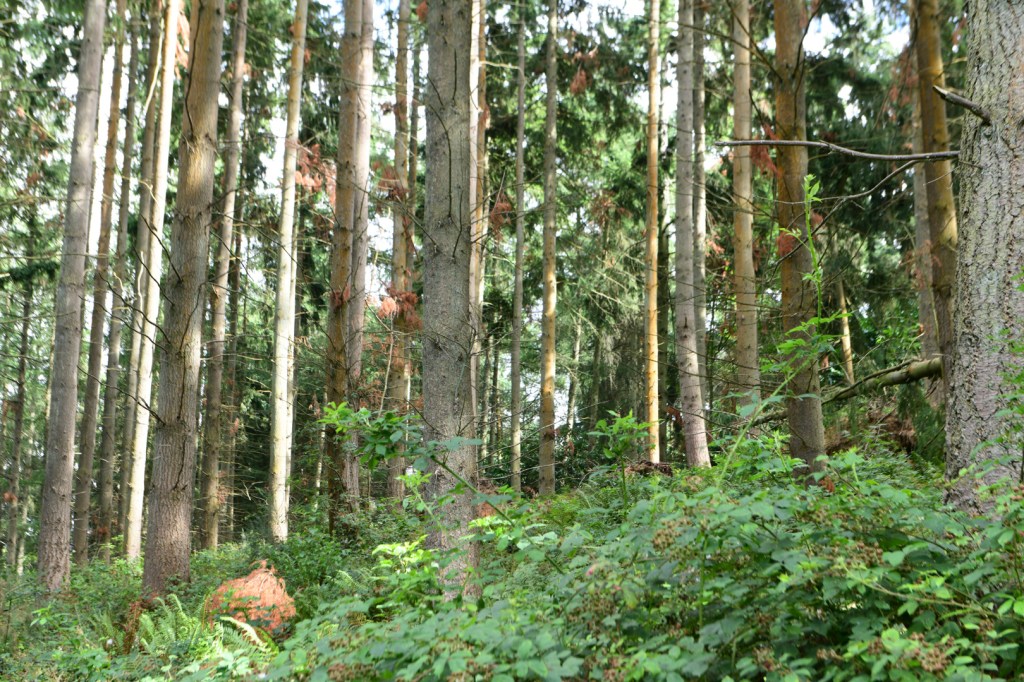
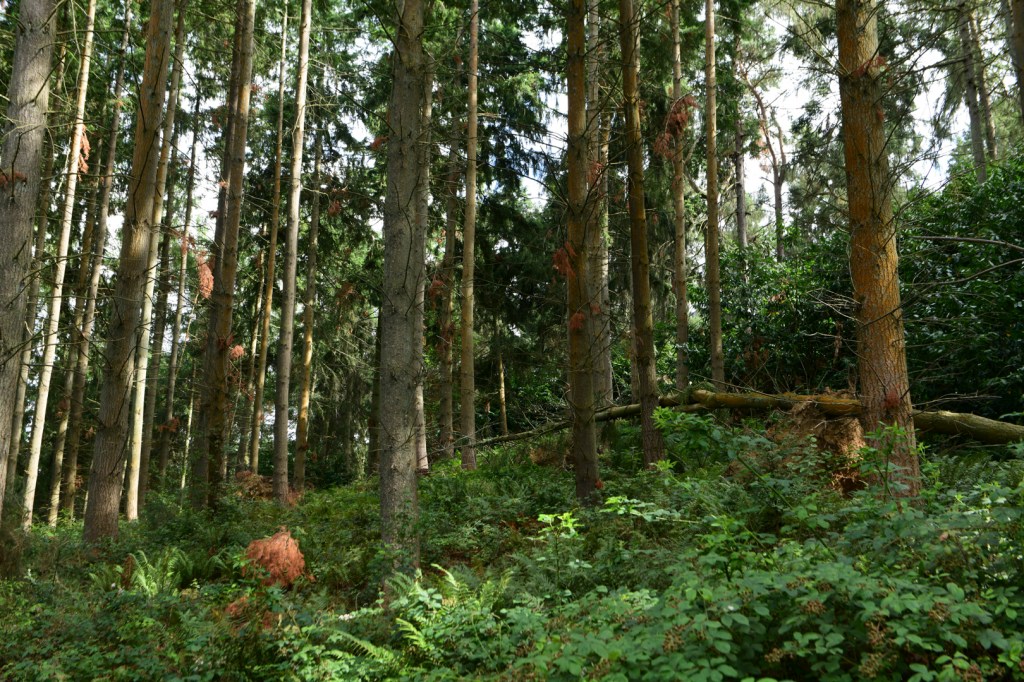
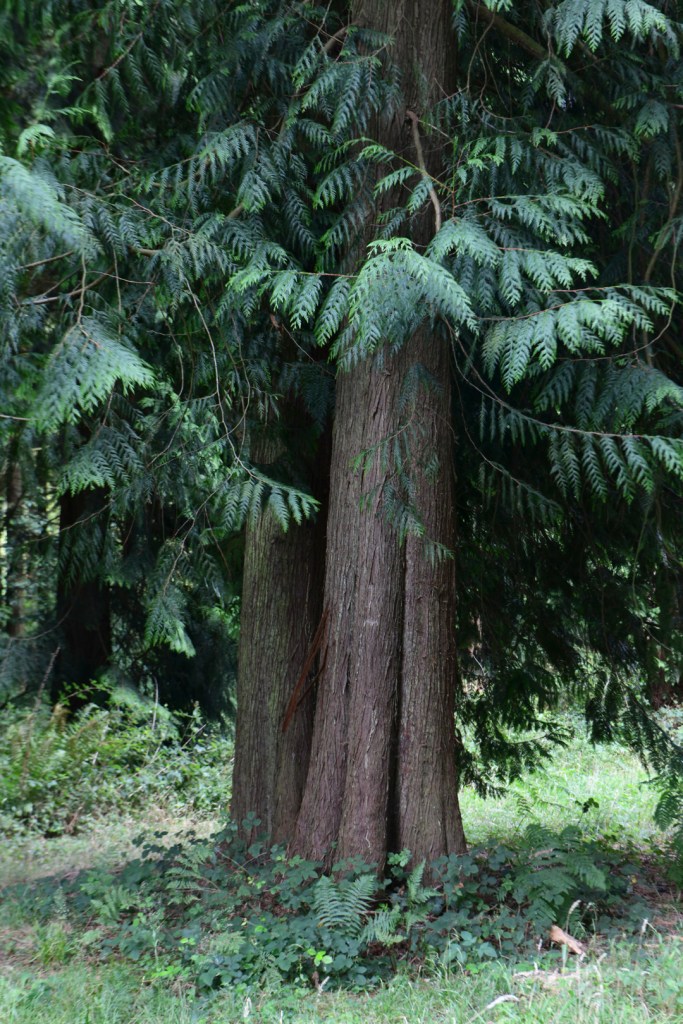
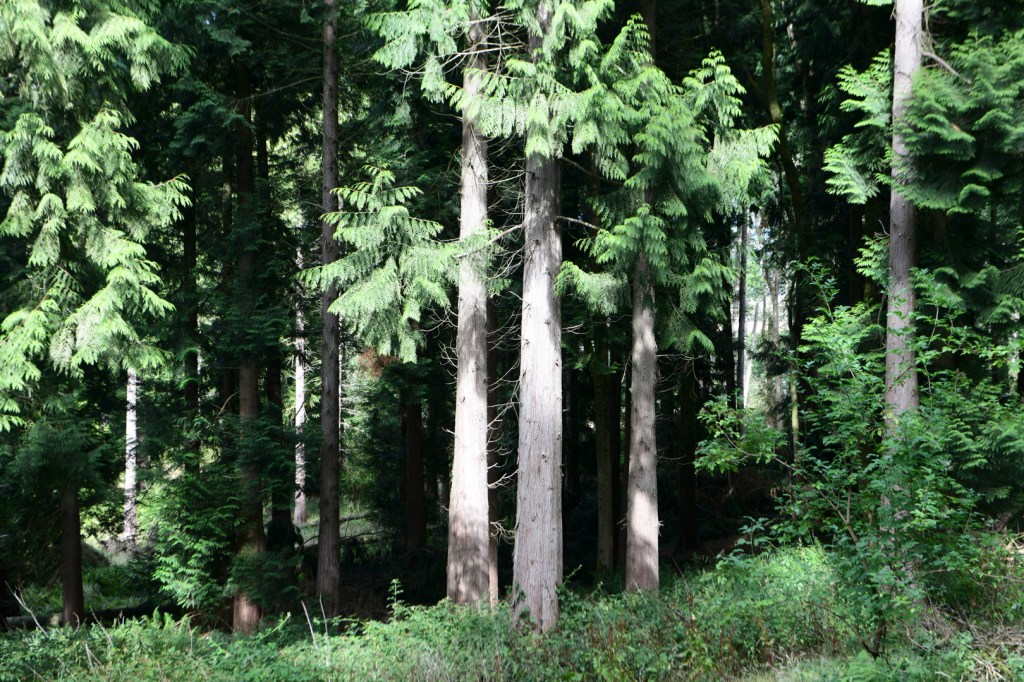
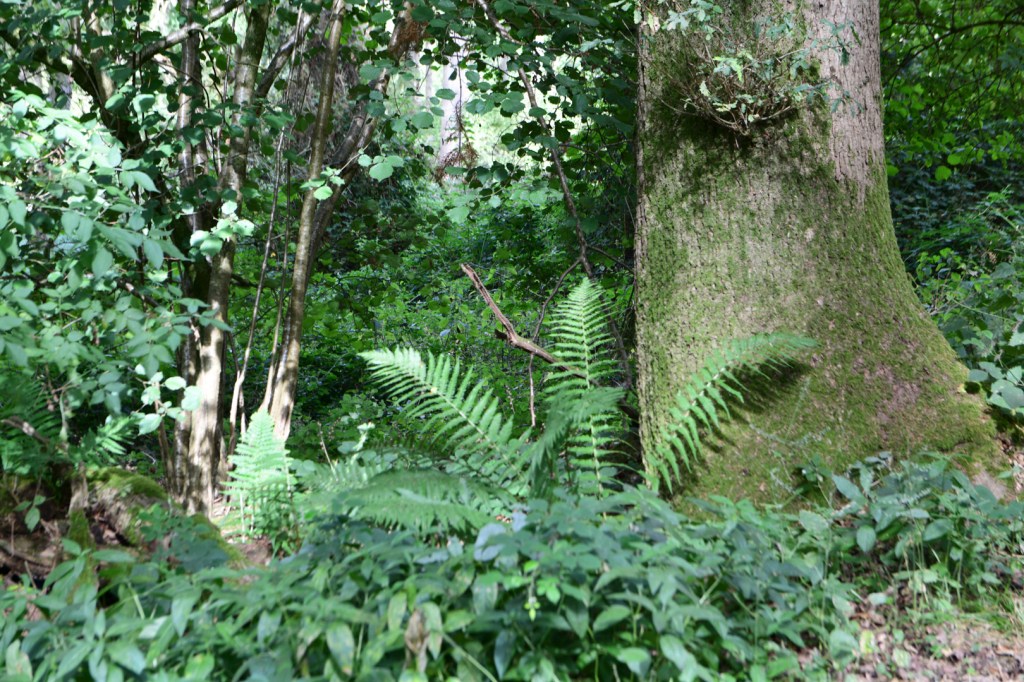
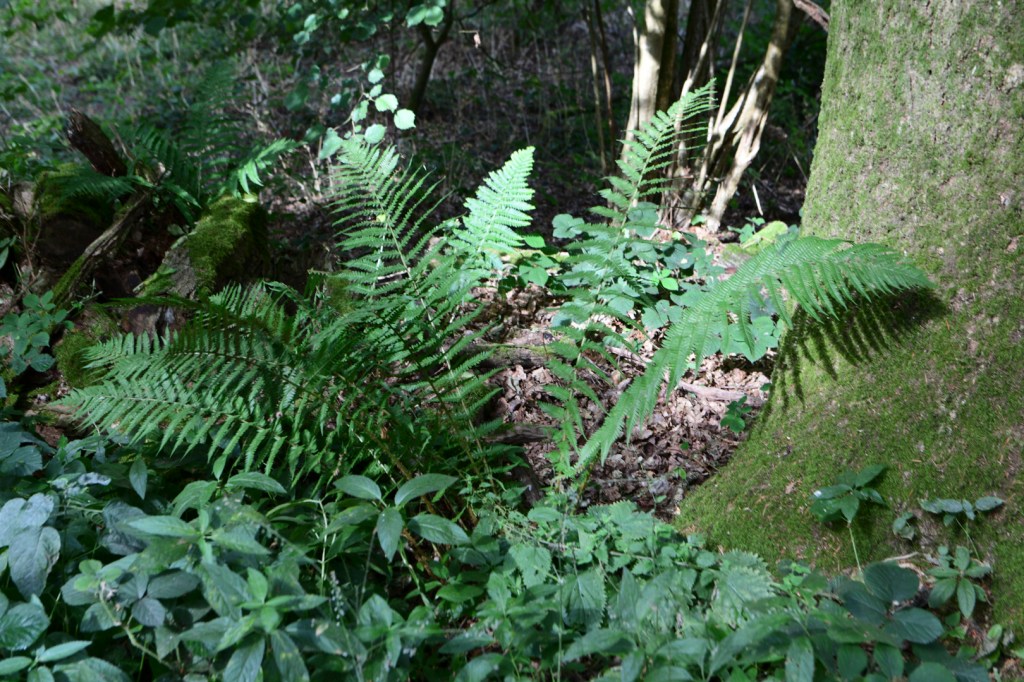
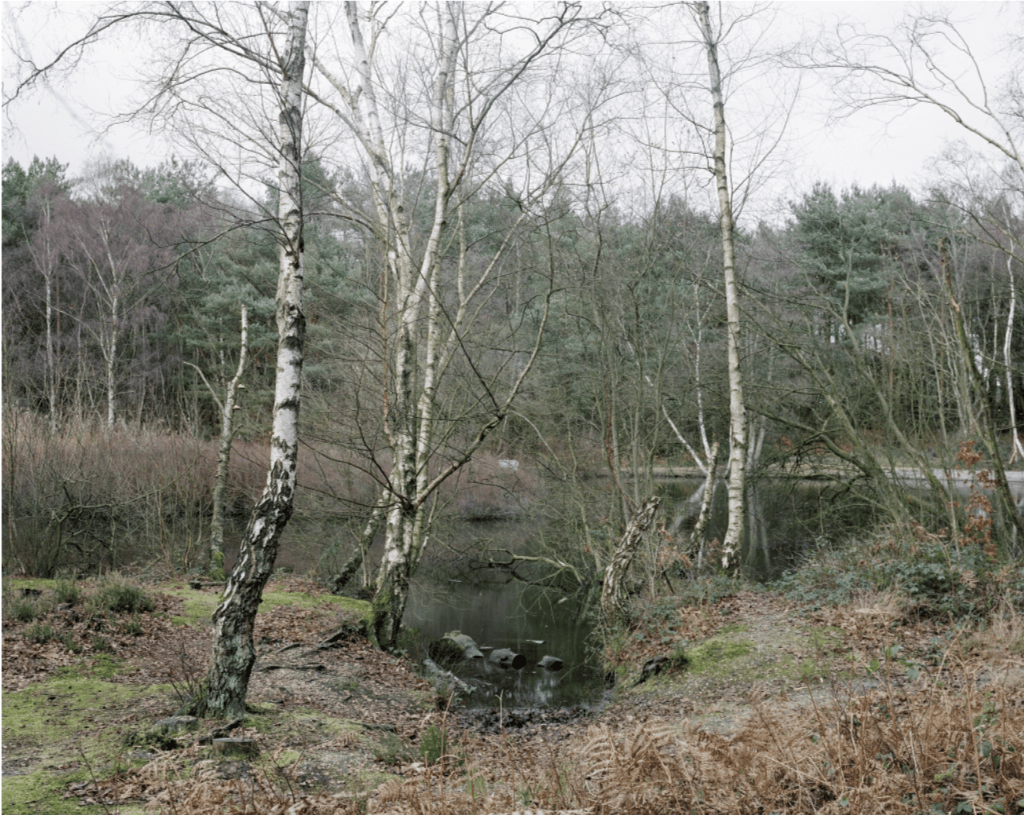
Fergus Heron’s work is interesting to me because of his unique approach to his landscapes. He places importance on exhibition, whether that is in a formal space or other public display, regarding this as the ‘principal medium of spectatorship’ These are places for discussion, debate, social interaction and engagement. His photographs are predominantly made close to his home and are a combination of urban and suburban environments, each containing elements of the other. He chooses to shoot in quiet periods, without the distraction of people or animals, this is intended to allow the viewer to put themselves in the frame more easily and to see the space more clearly, without distraction. I think that with his urban environments in particular, this gives them a quality like a film set. I am particularly interested in his more suburban, rural photographs. He is using a large format camera and uses a chromogenic print process. The quality of his prints is sublime. The camera, film and processing decisions that he has made have resulted in photographs that are full of depth and colour. The scenes are reminiscent of Guiting wood, the place at the core of my childhood memories and experiences. the place I learned so much about nature and its role in building my foundations. The photographs below are from two different series, Hammonds Pond (2011-2012) and Harlands Pond (2013)

https://thephotographersgallery.org.uk/photography-culture/built-worlds-photography-landscape-and-different-natures

This work reminds me to look at my photographs for a BA module. I think that there are similarities and it might be interesting to look at how I might approach the area now, with more experience and a clearer understanding of my motivations.

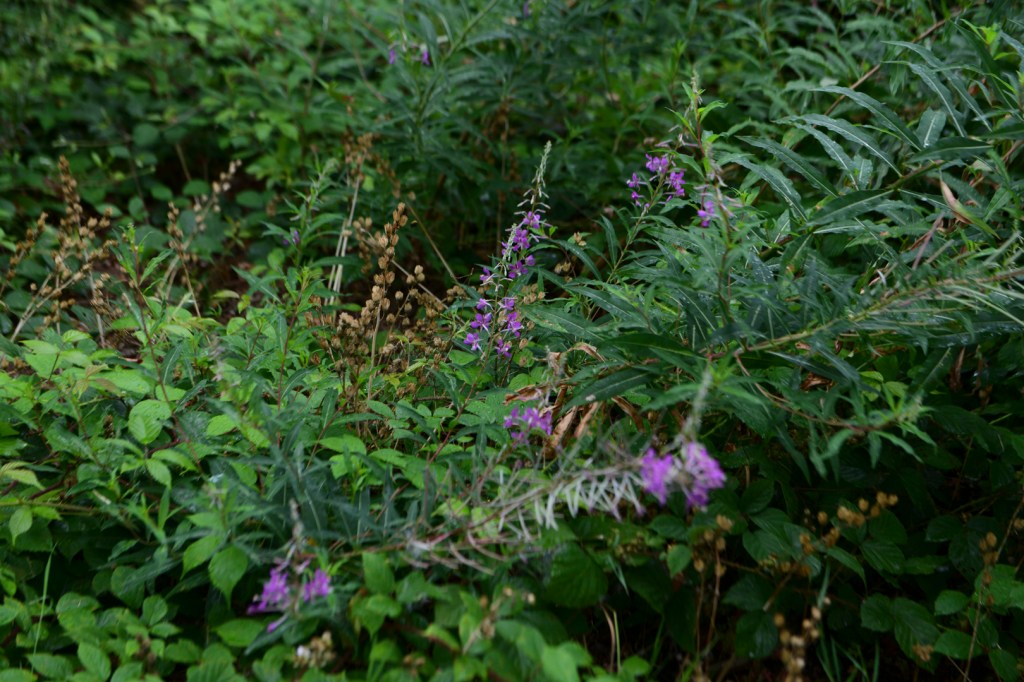
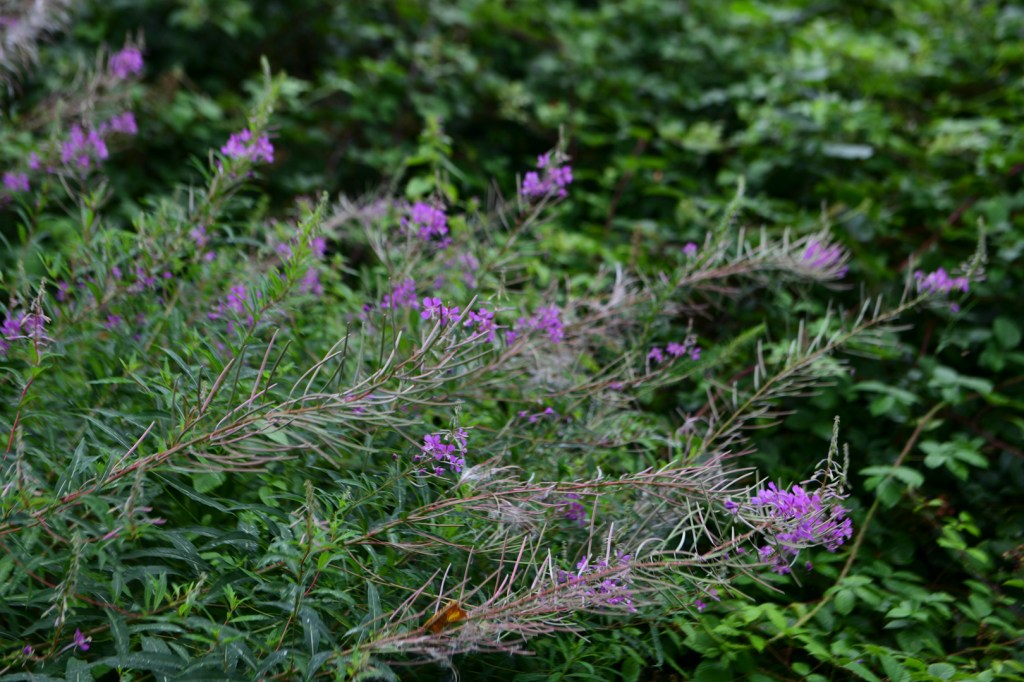
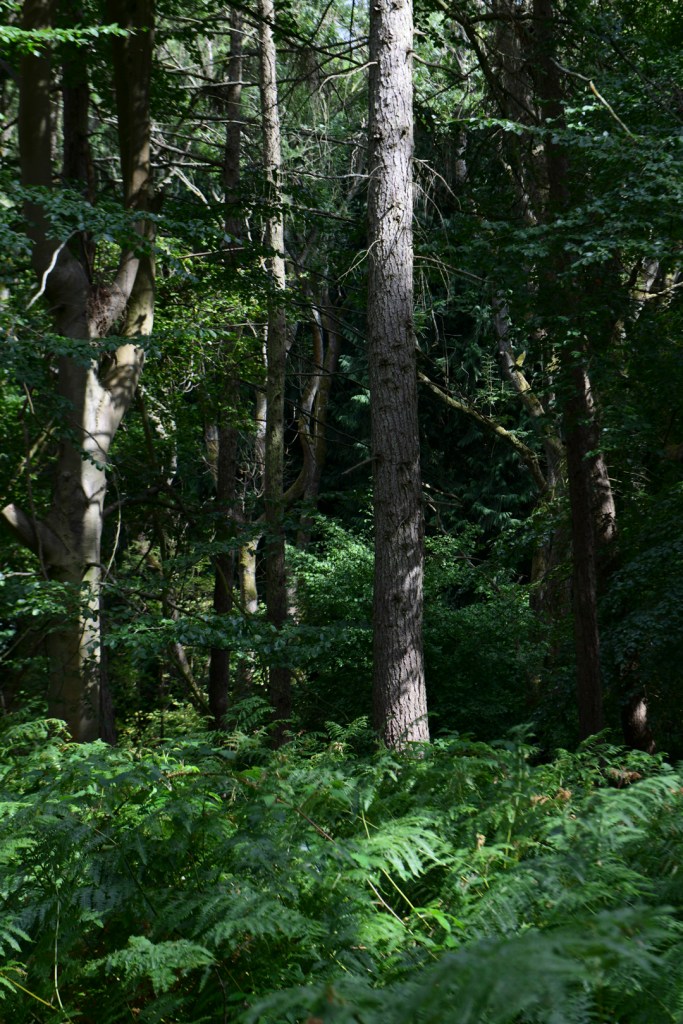
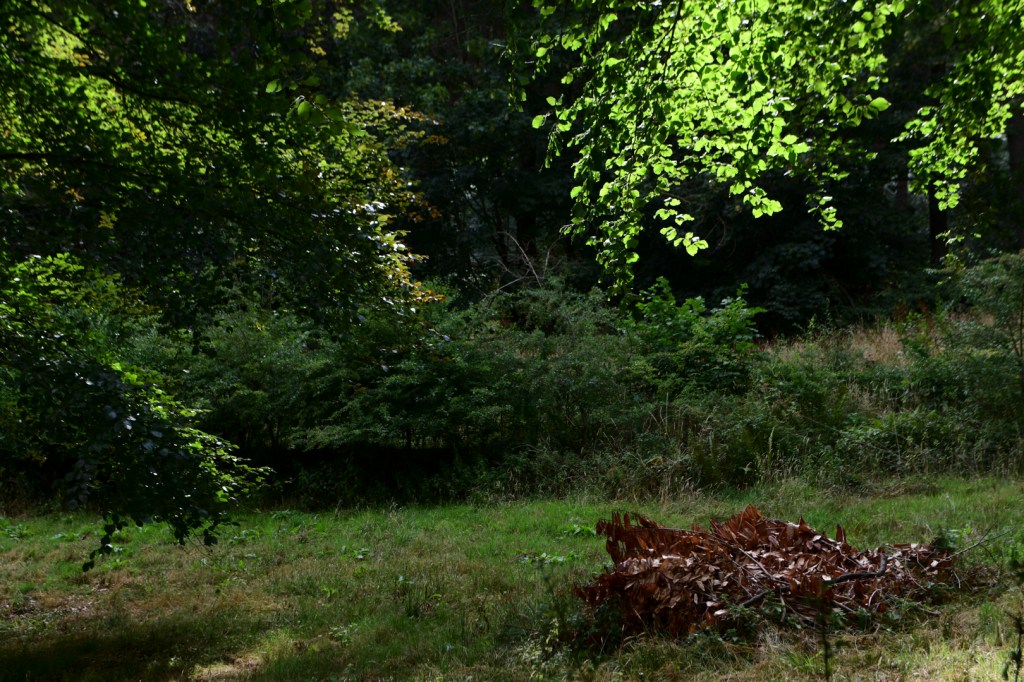
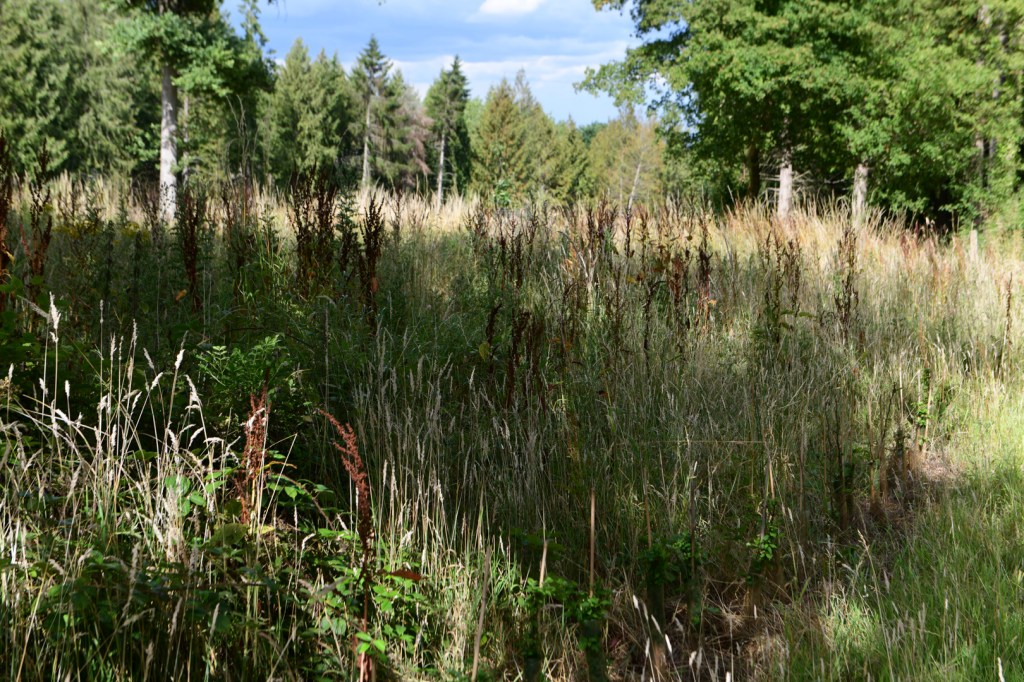
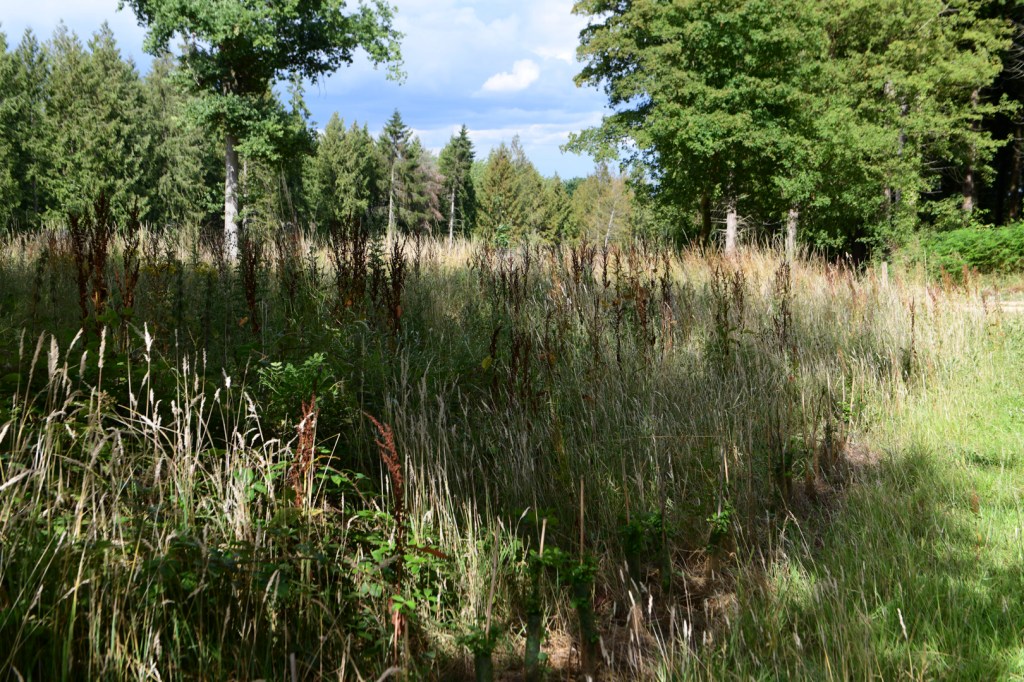
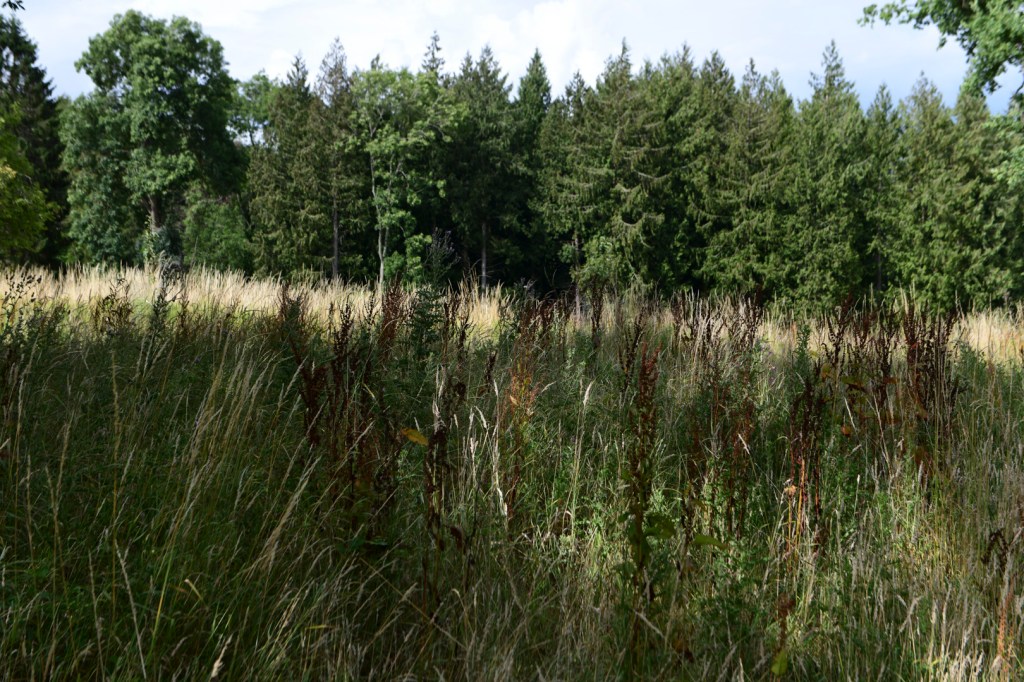
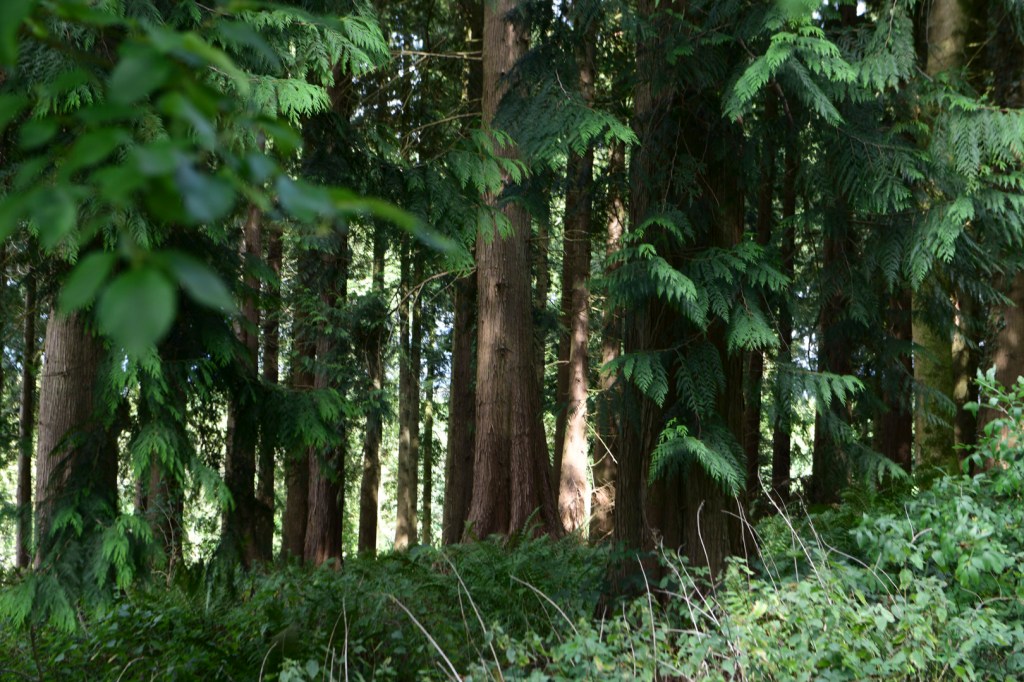
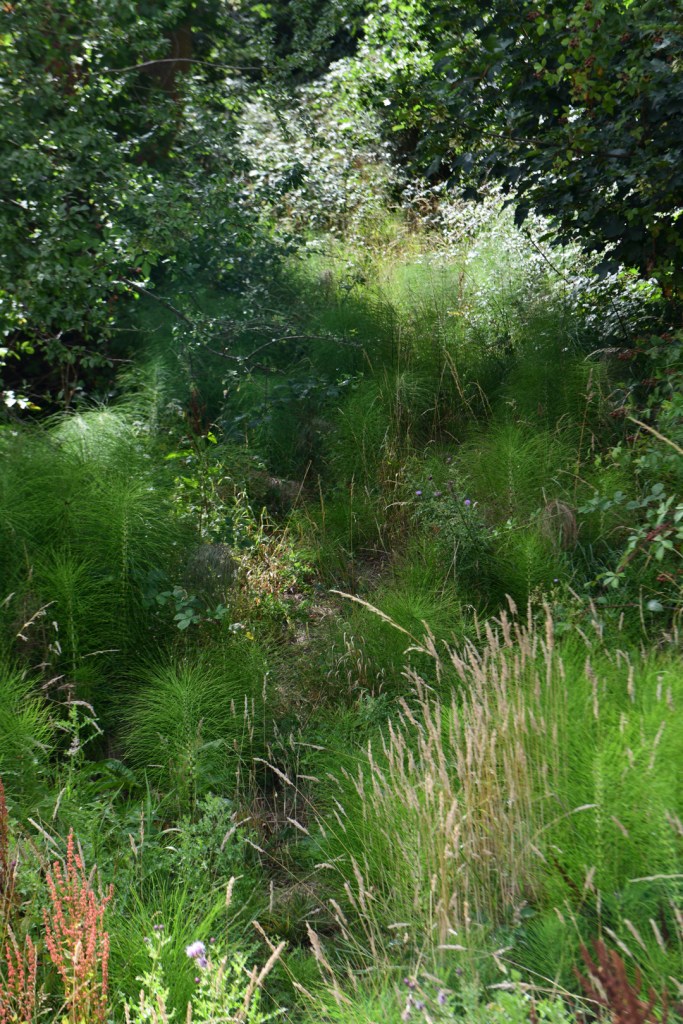
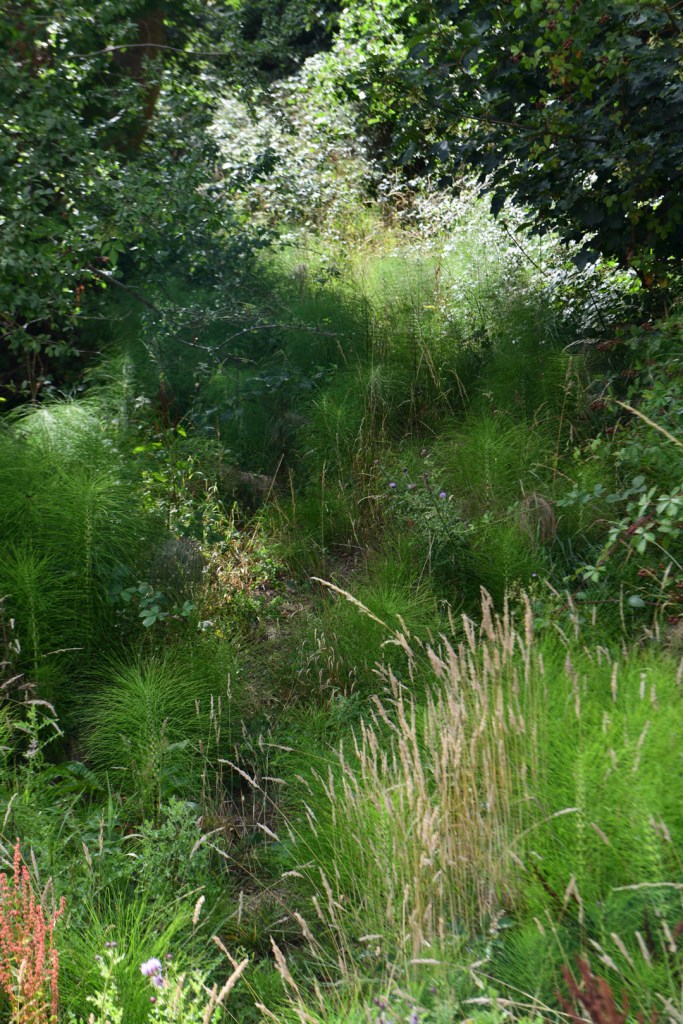
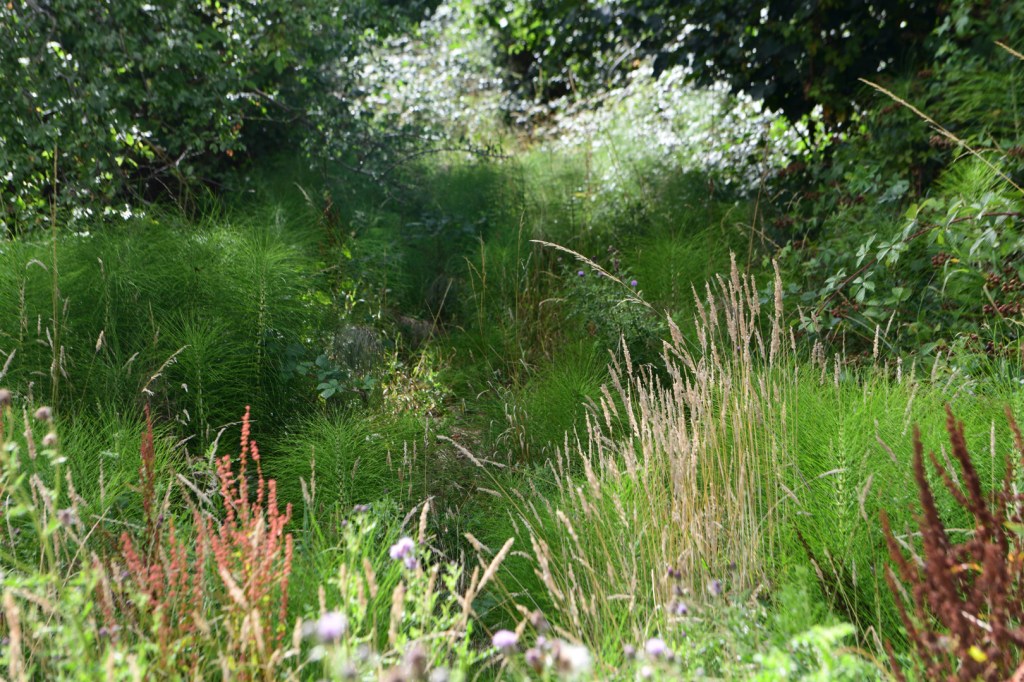
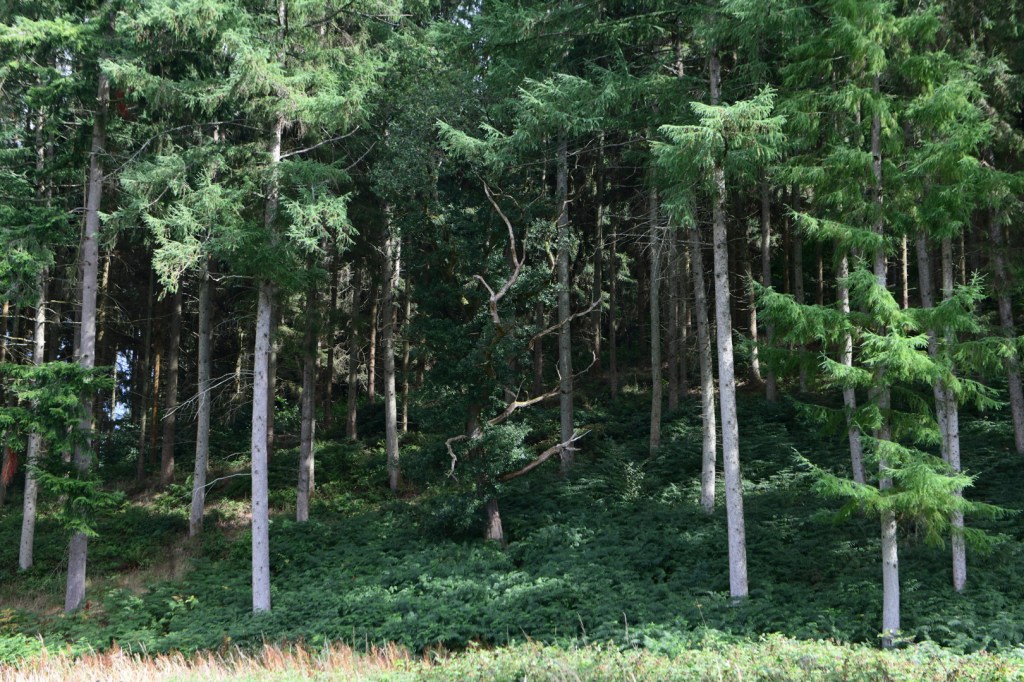
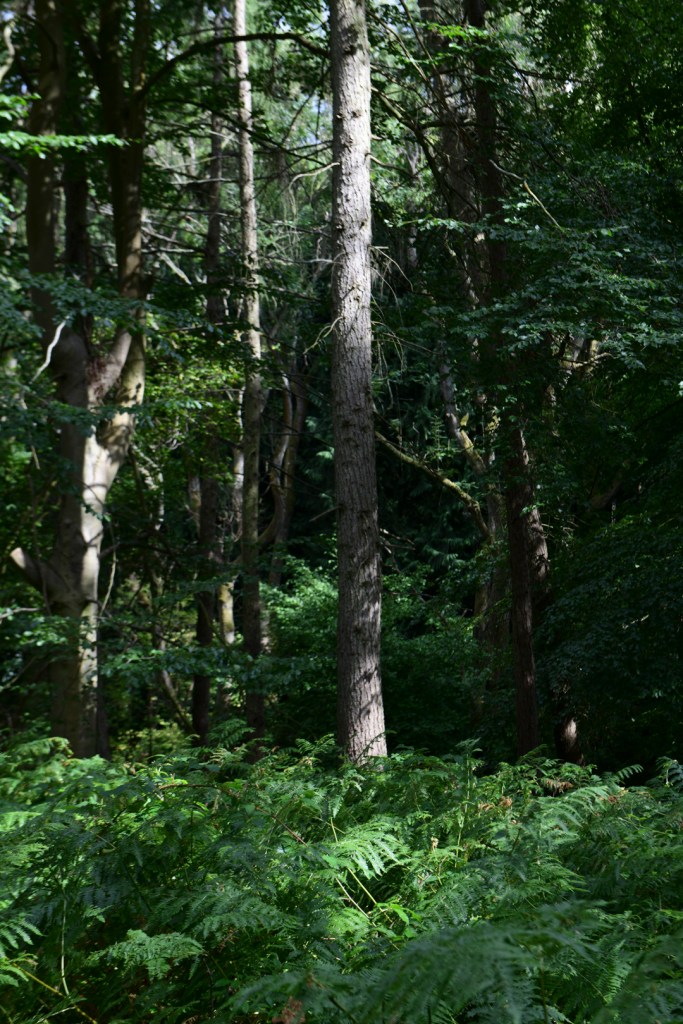
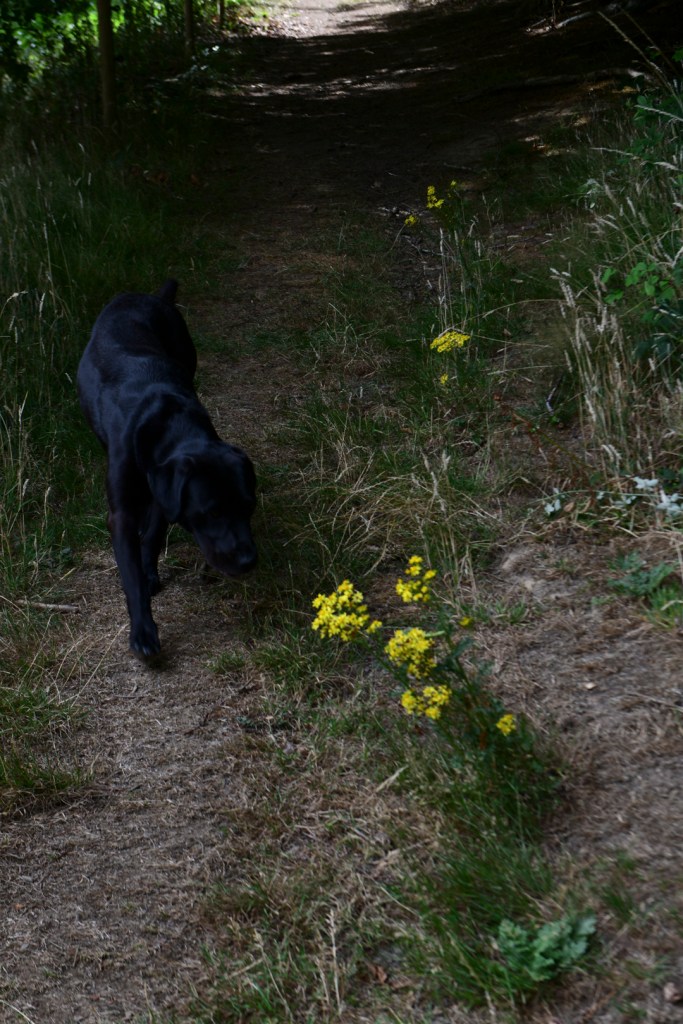
Ashton Woods 21 July

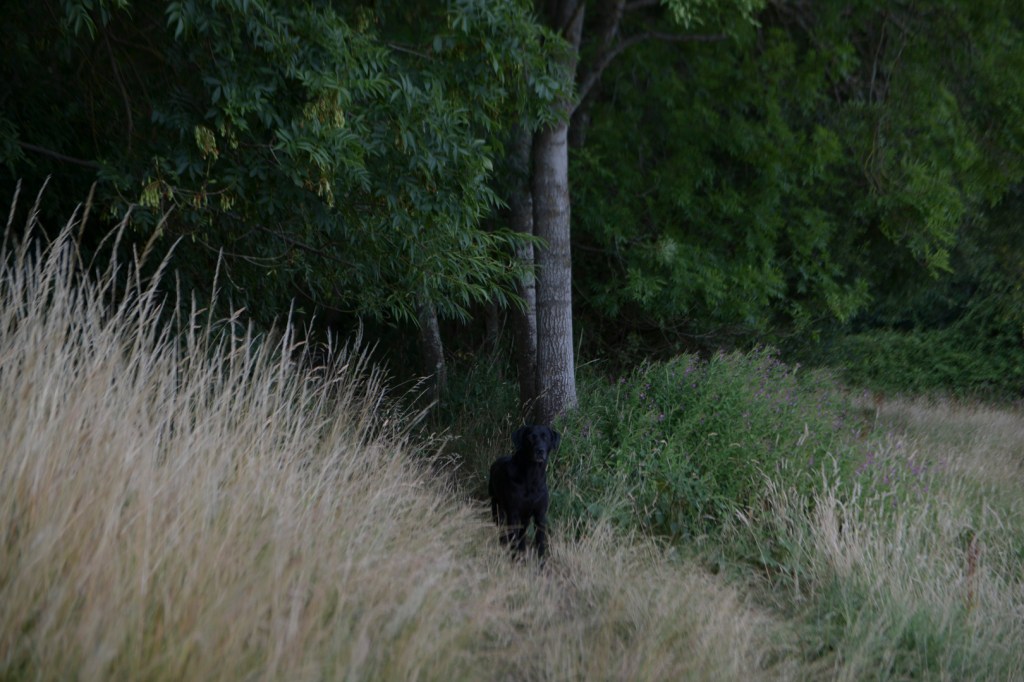
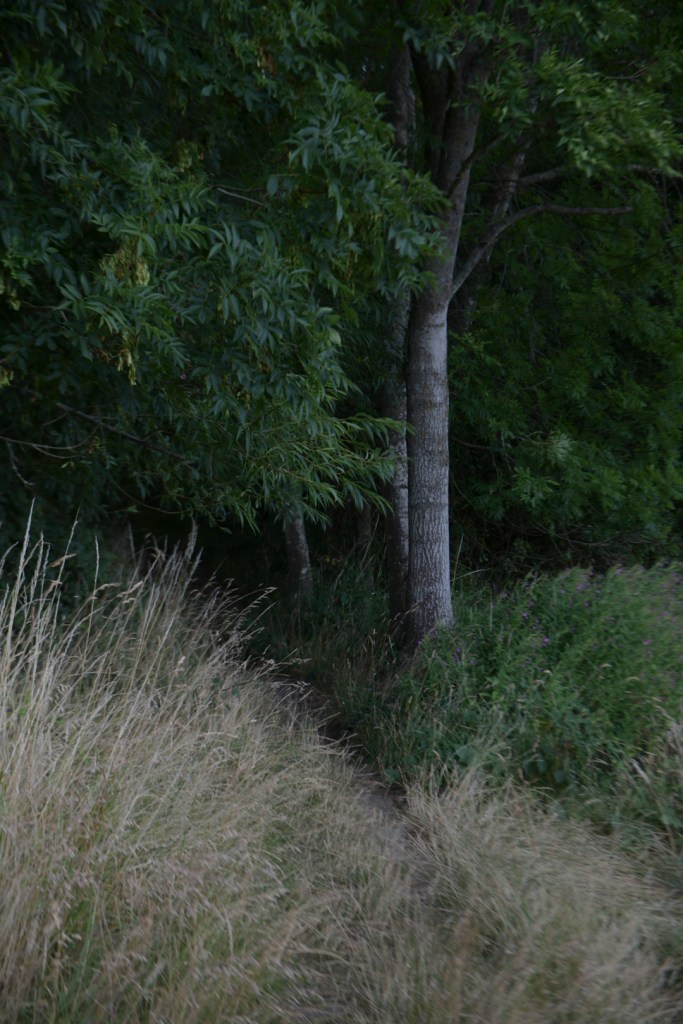
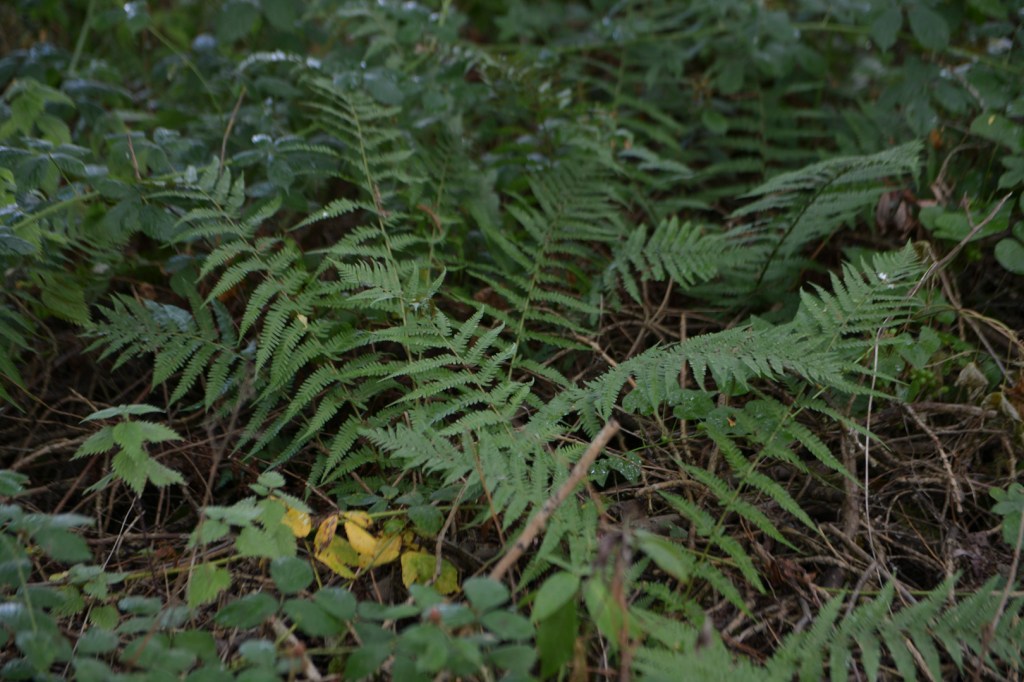
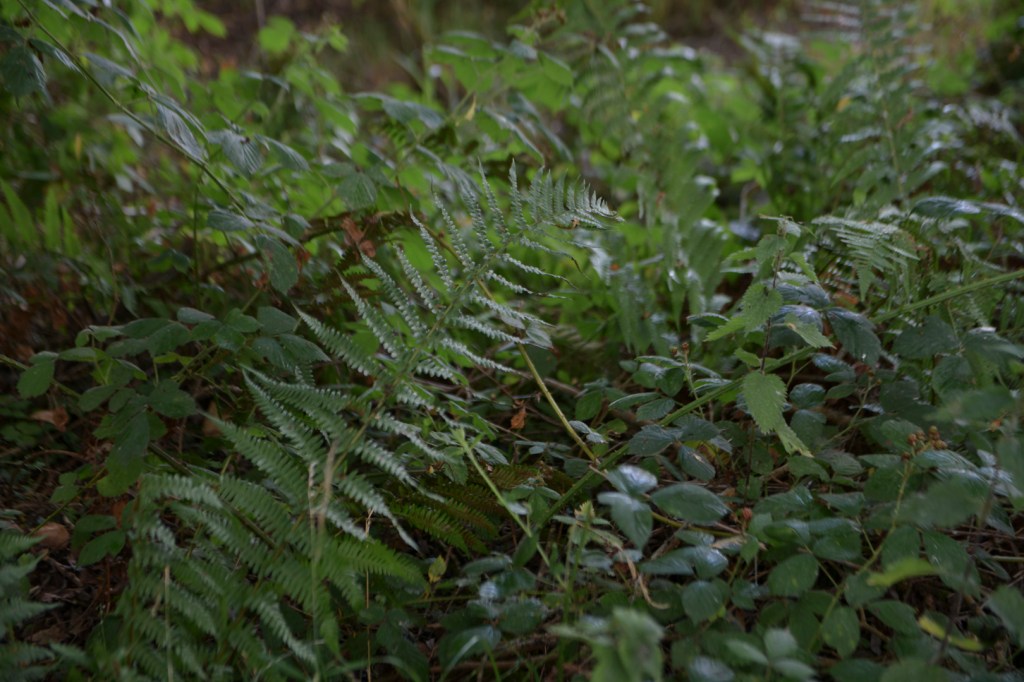
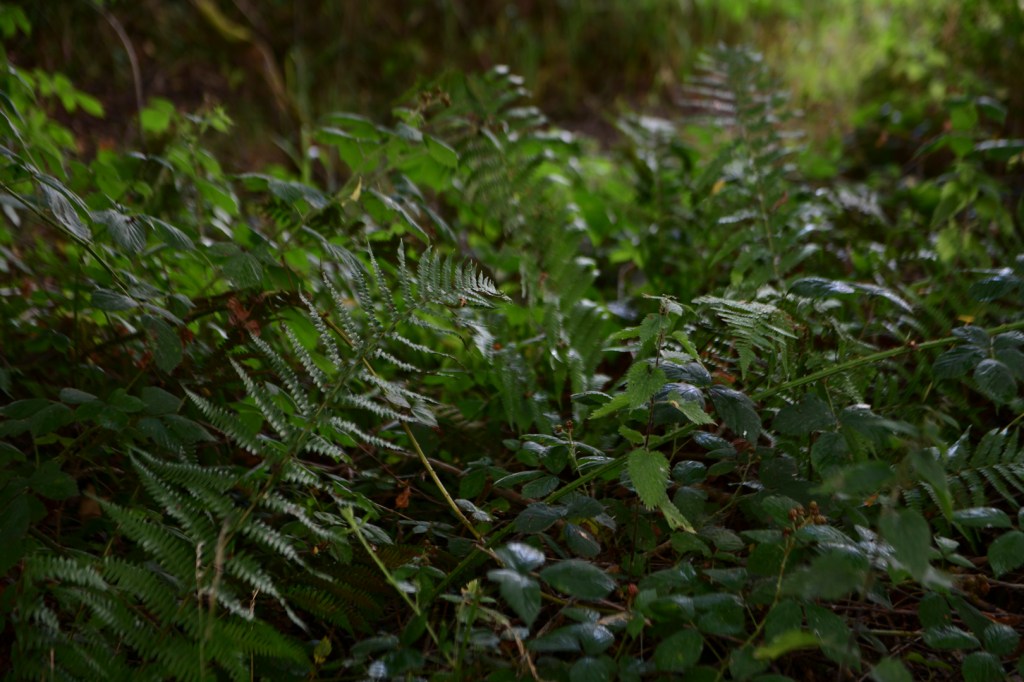
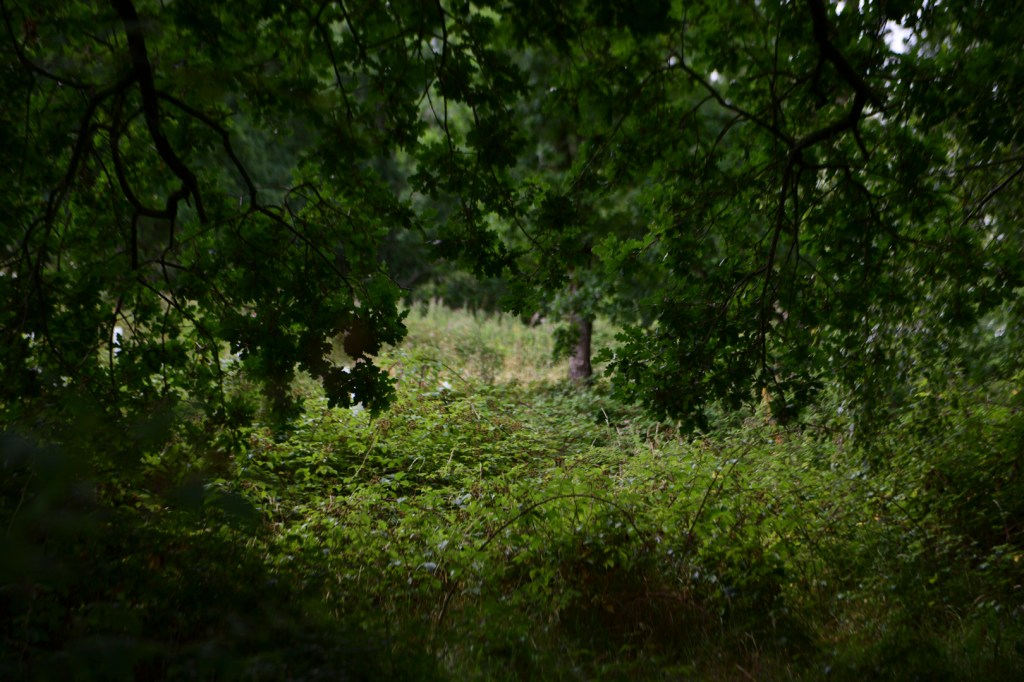
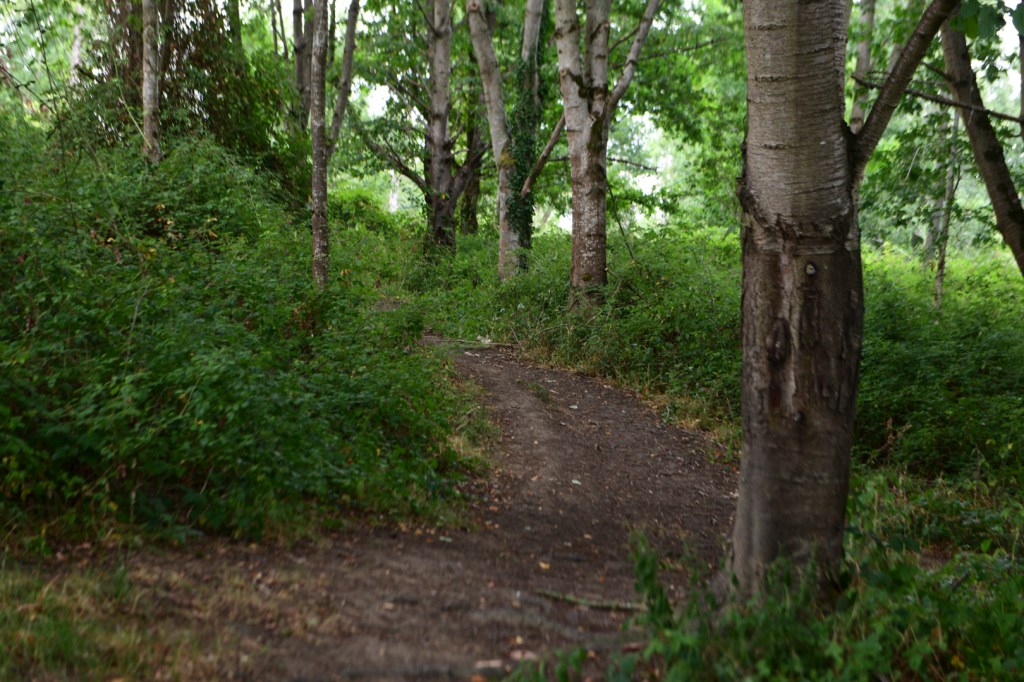
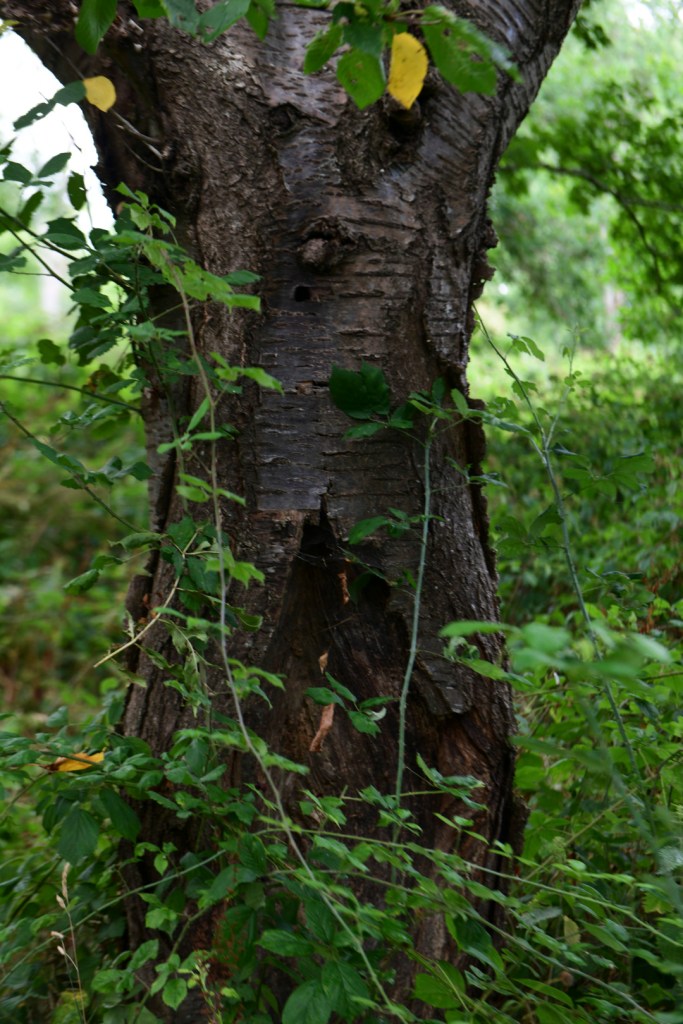
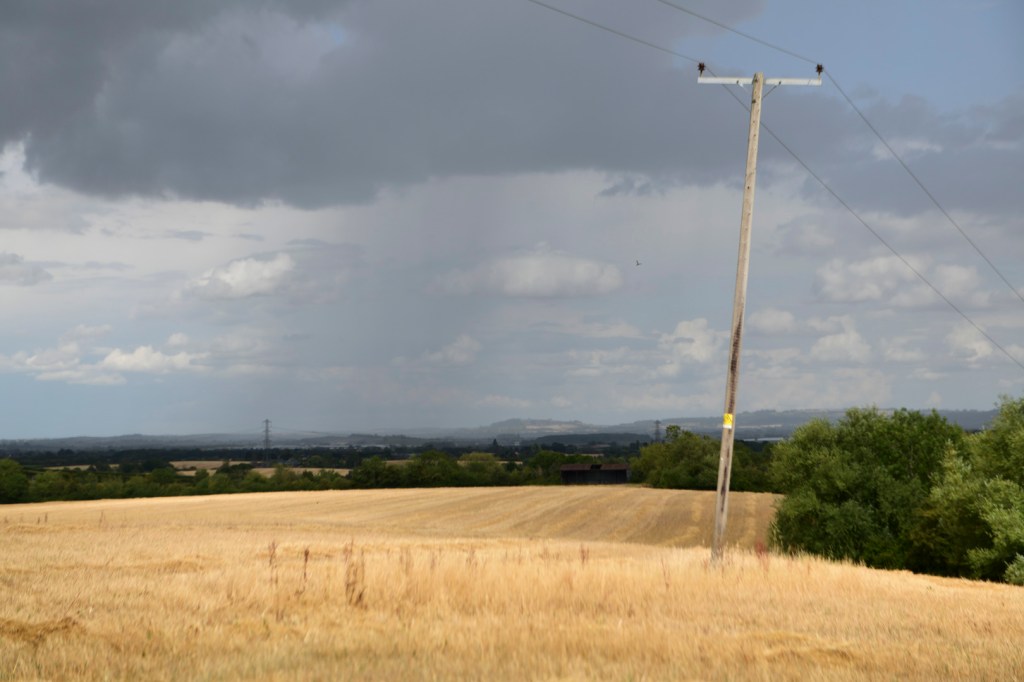
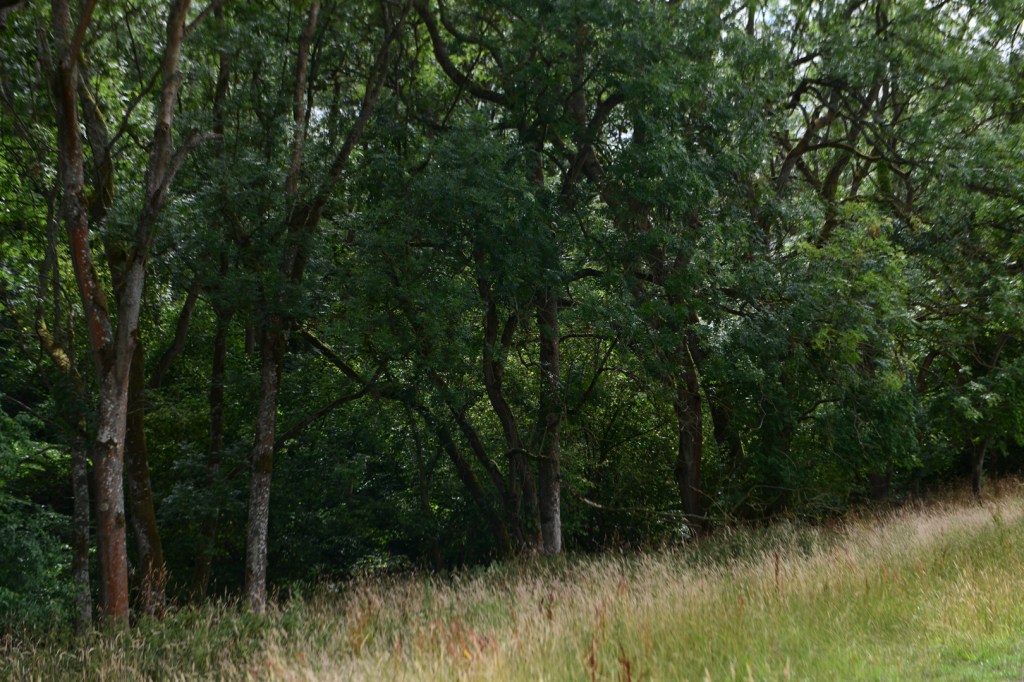
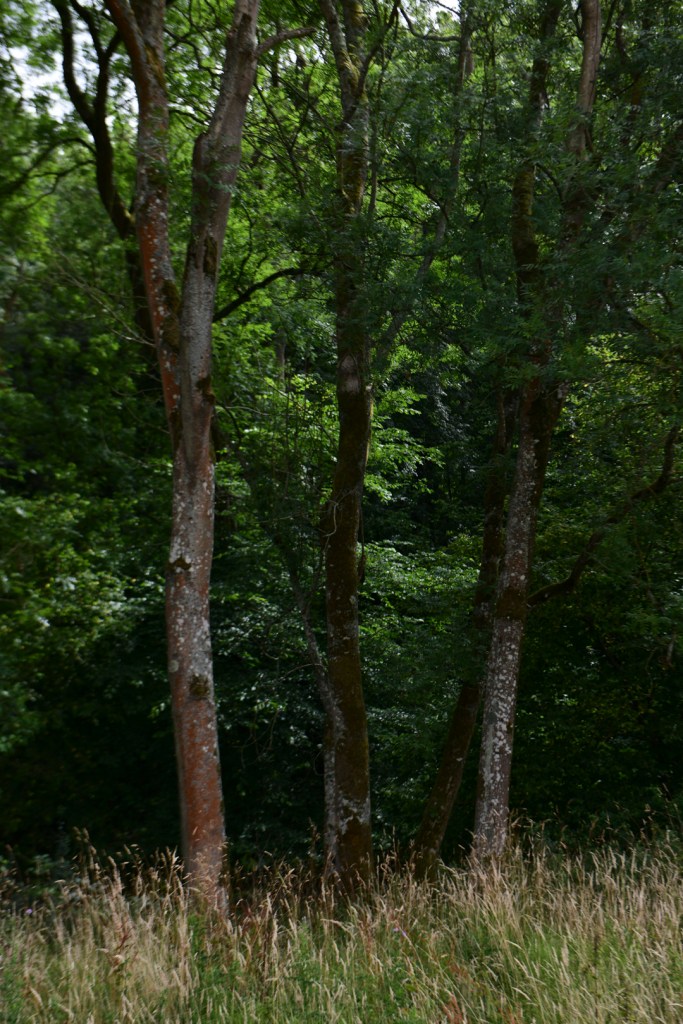
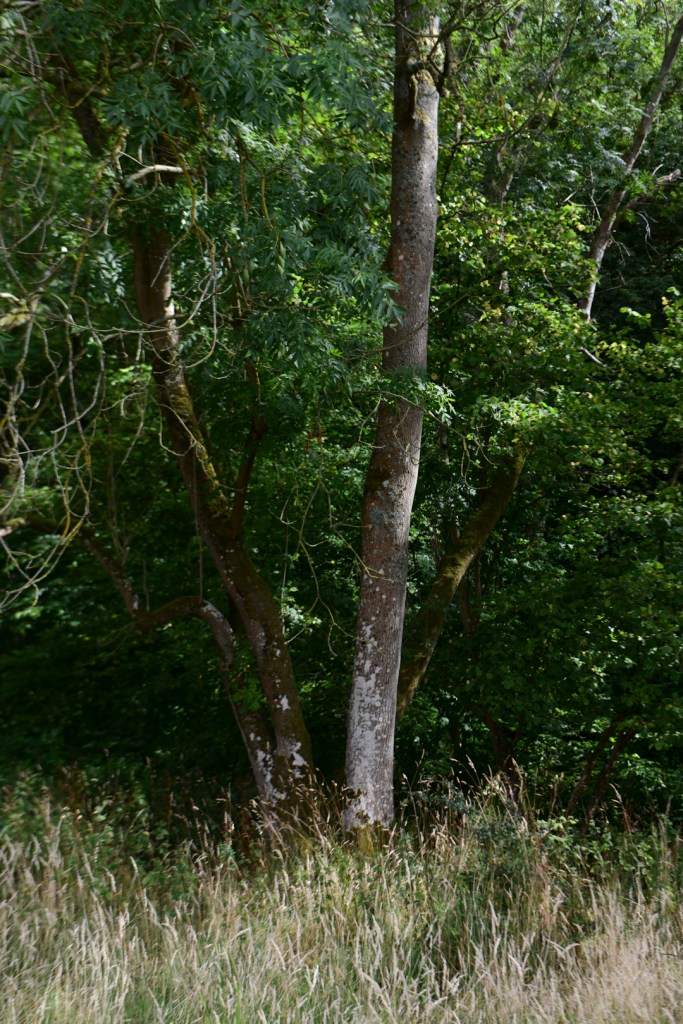
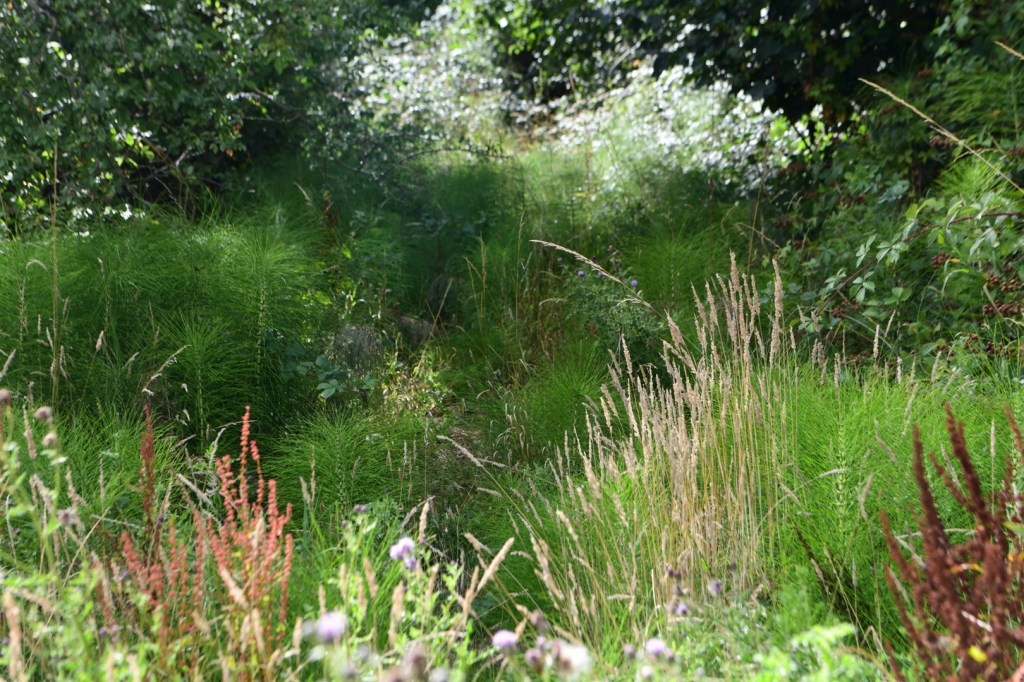
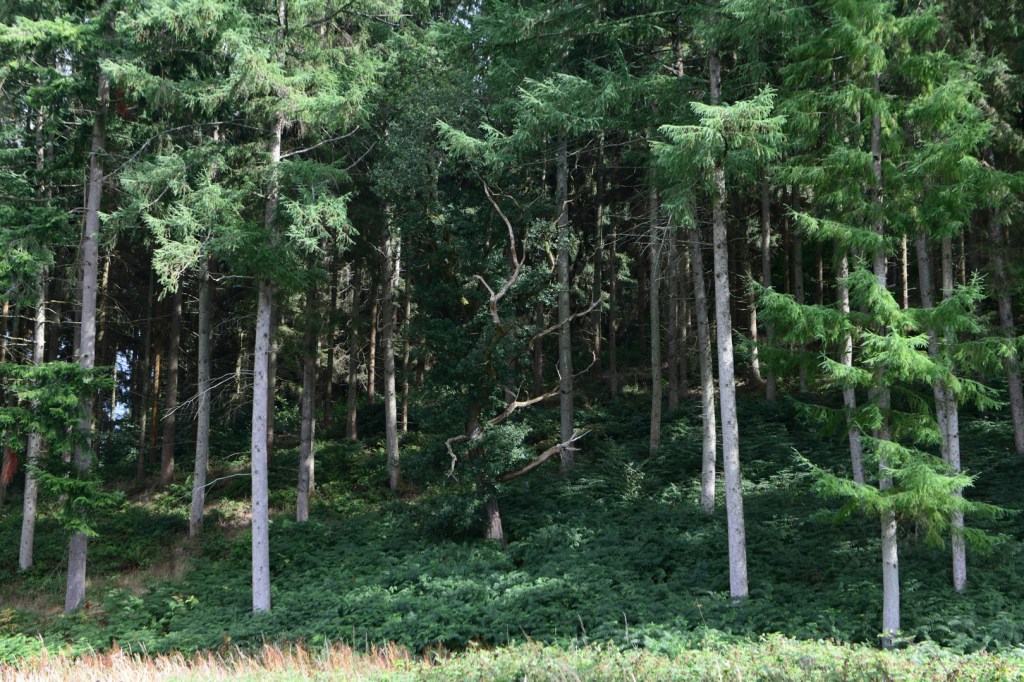
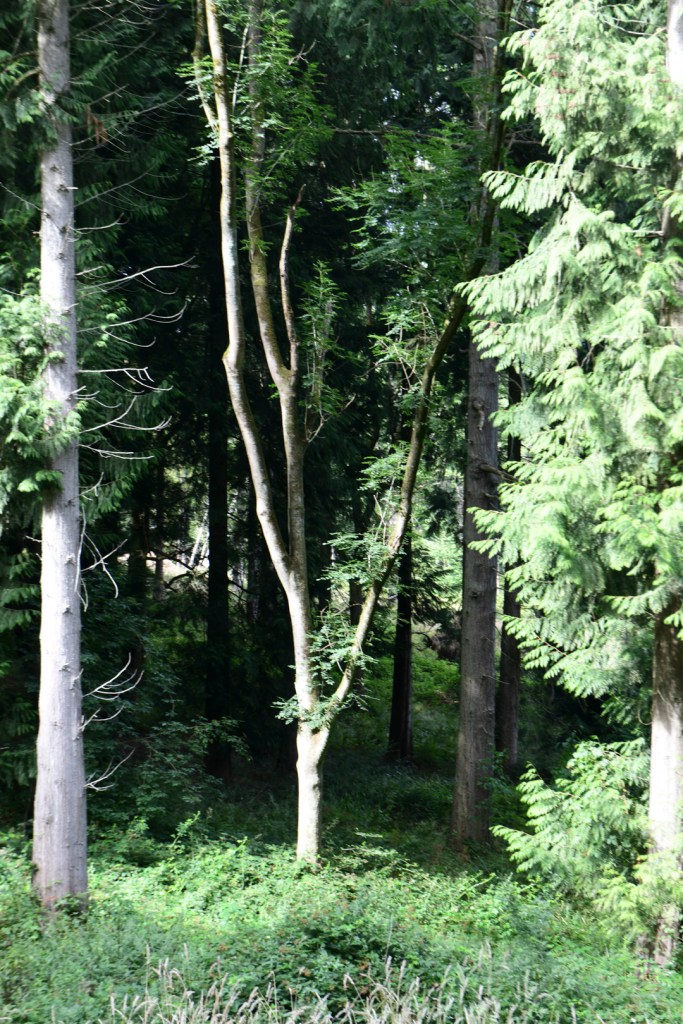
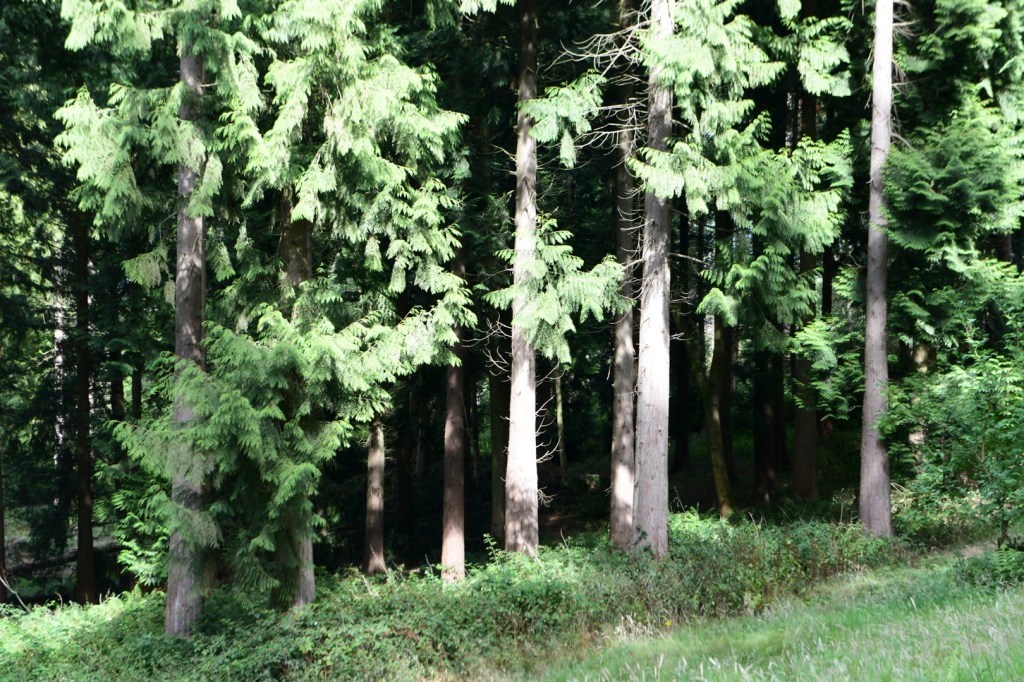
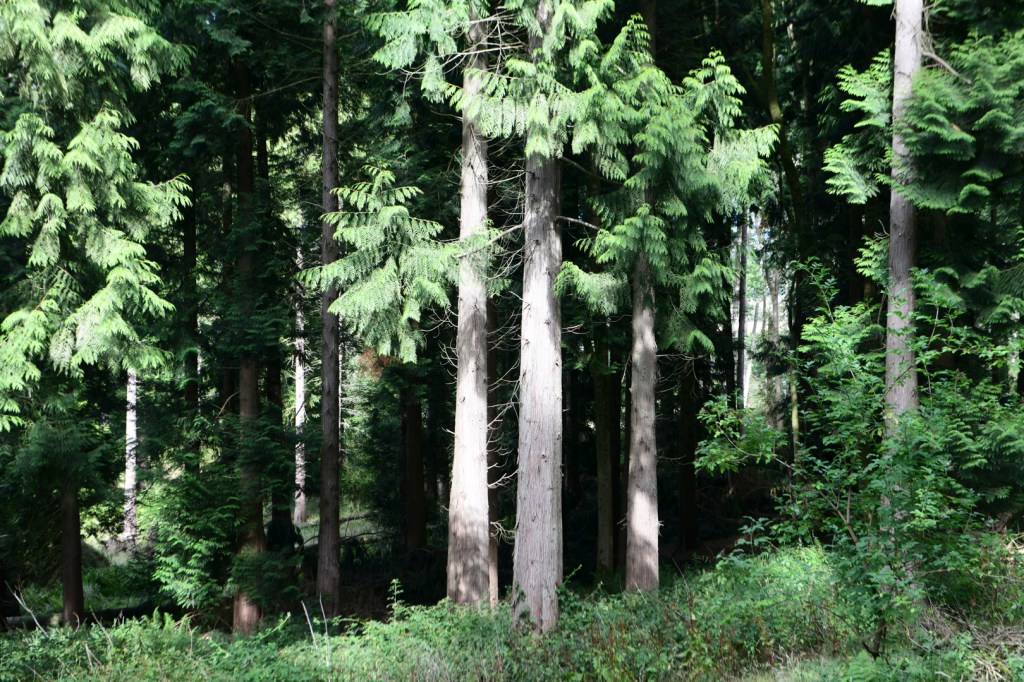
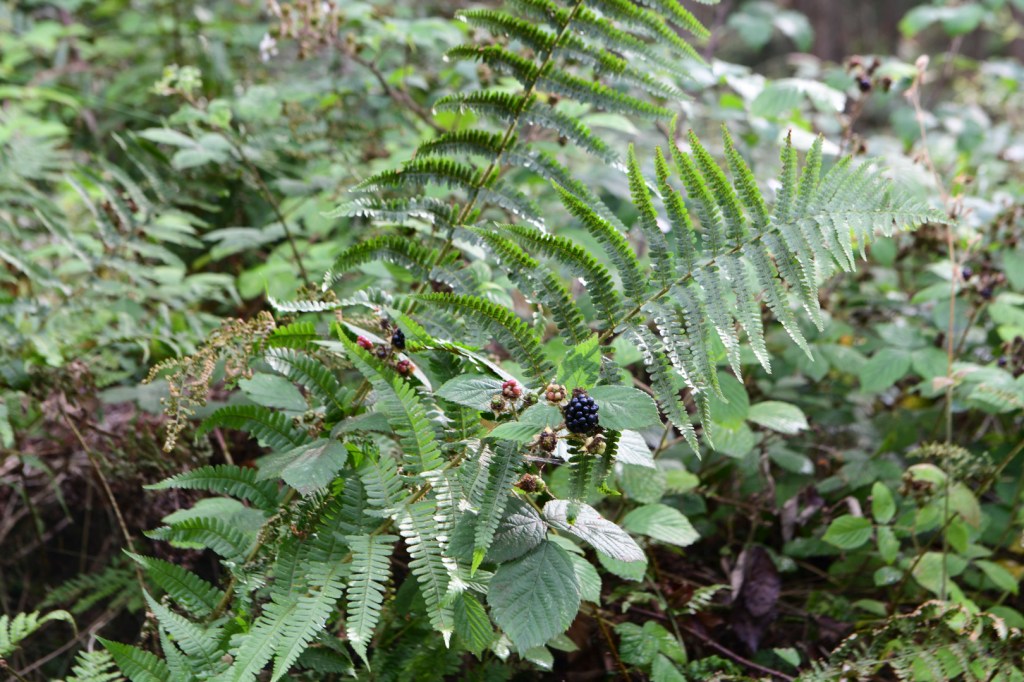
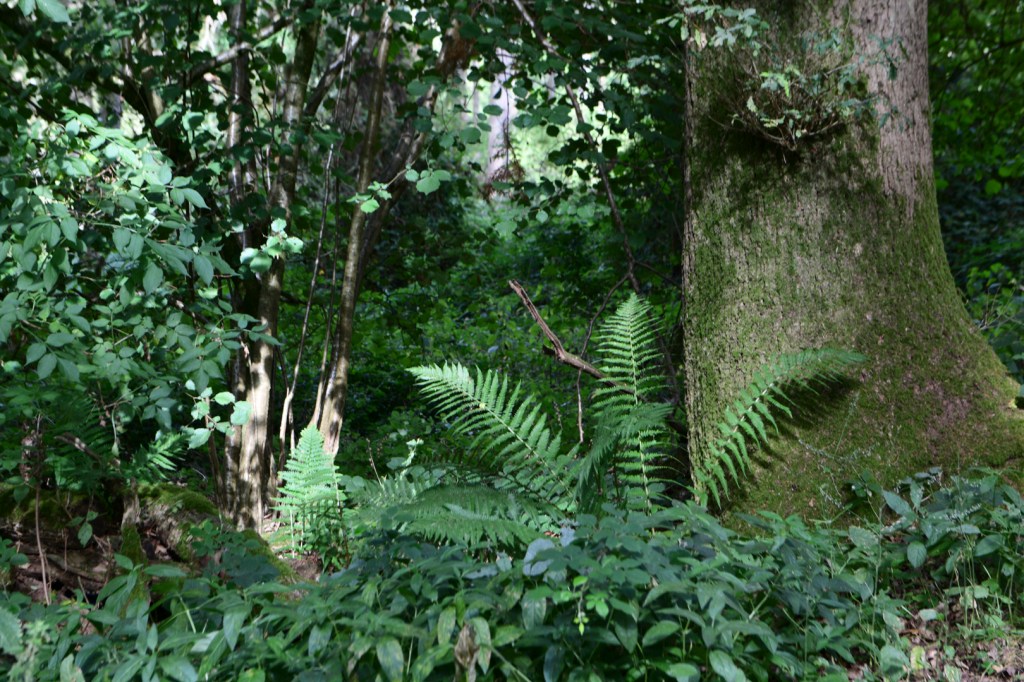
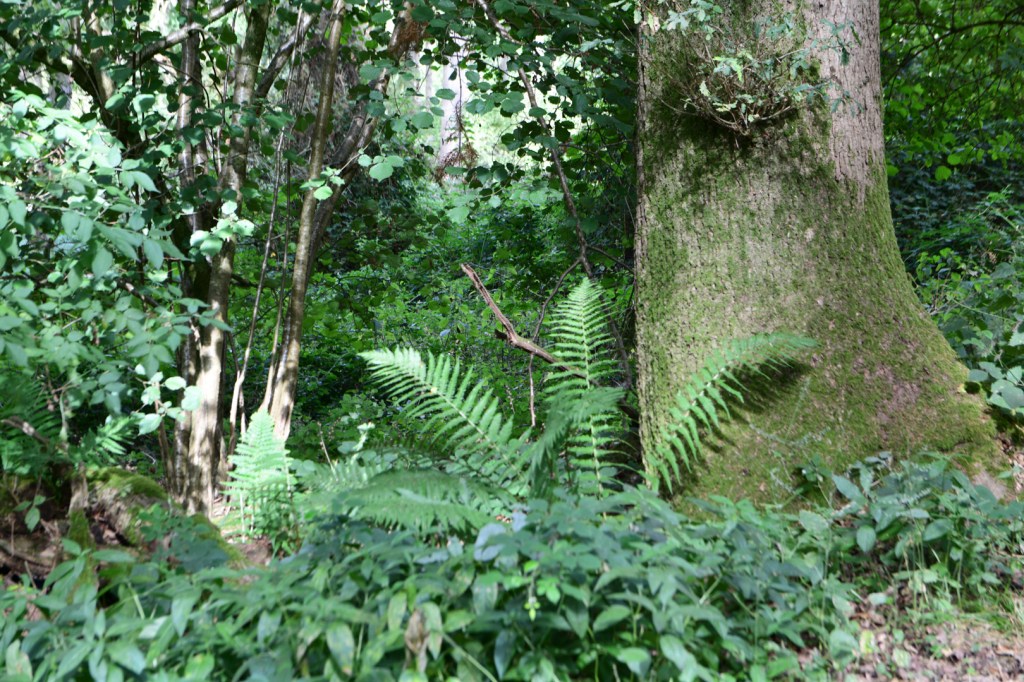
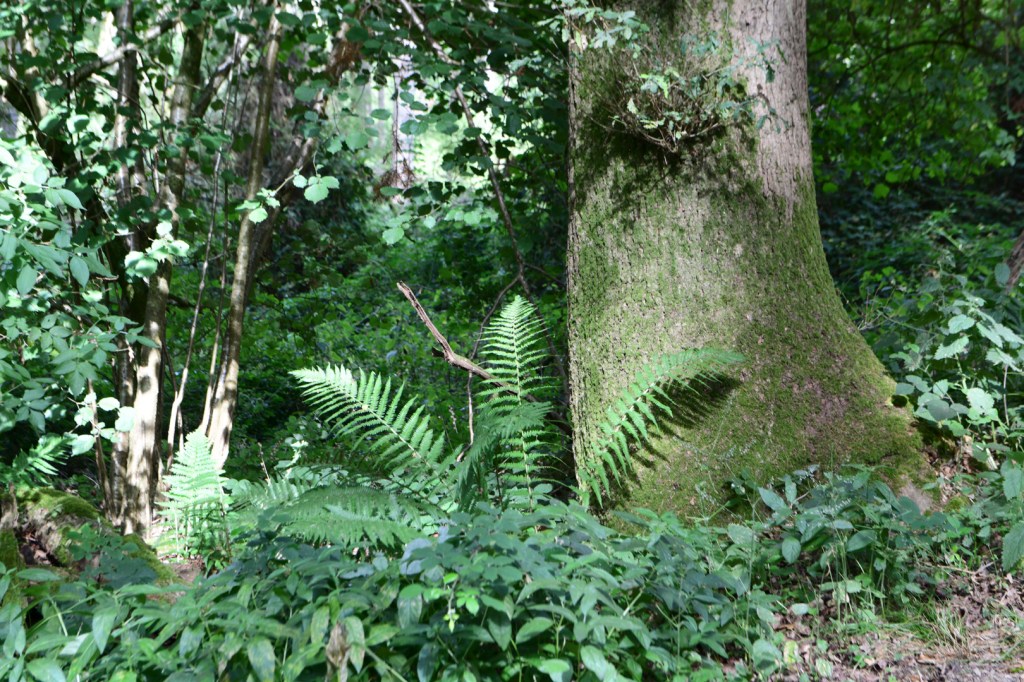
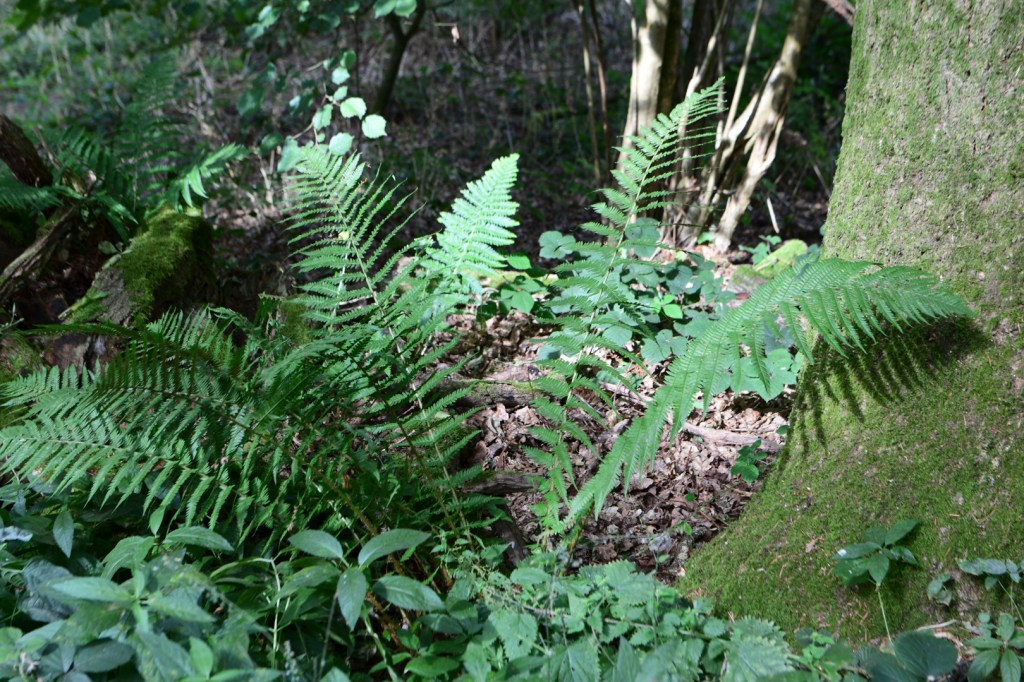
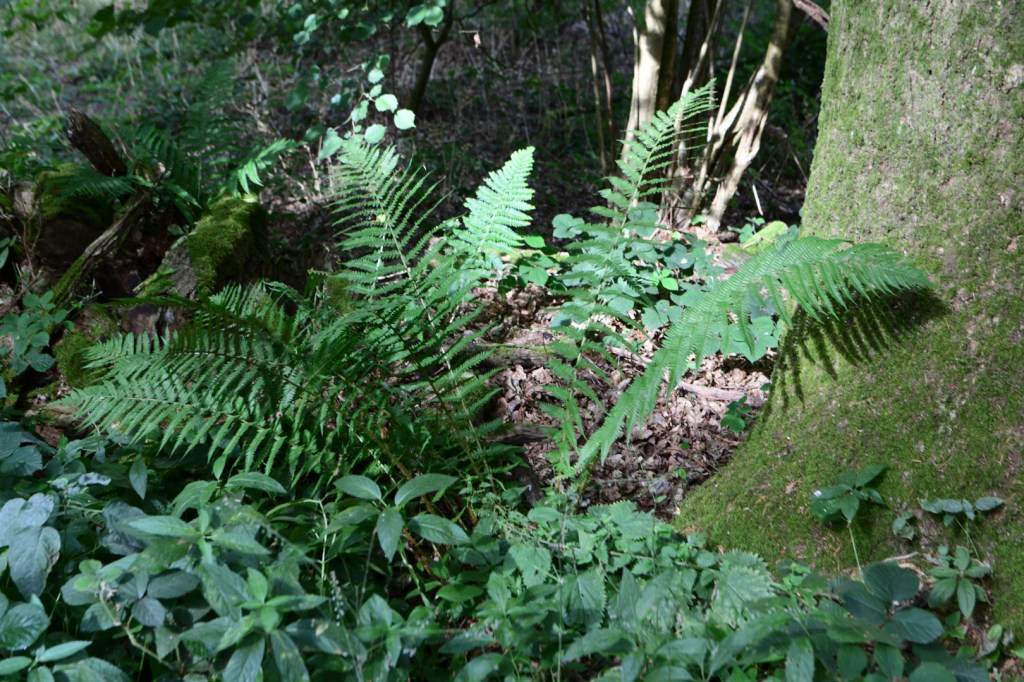
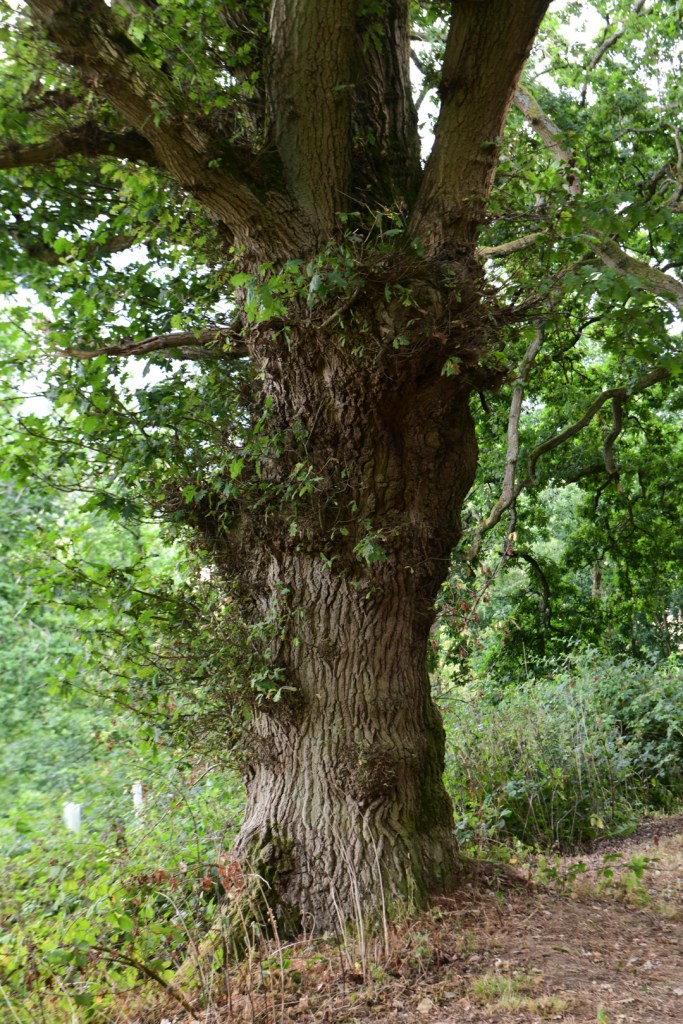
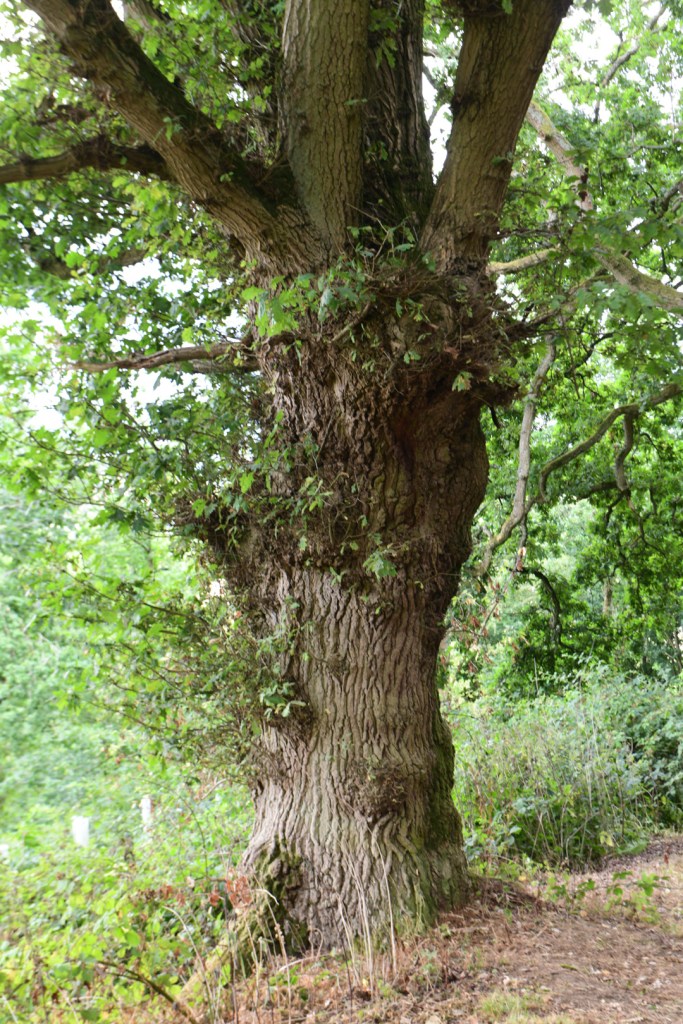
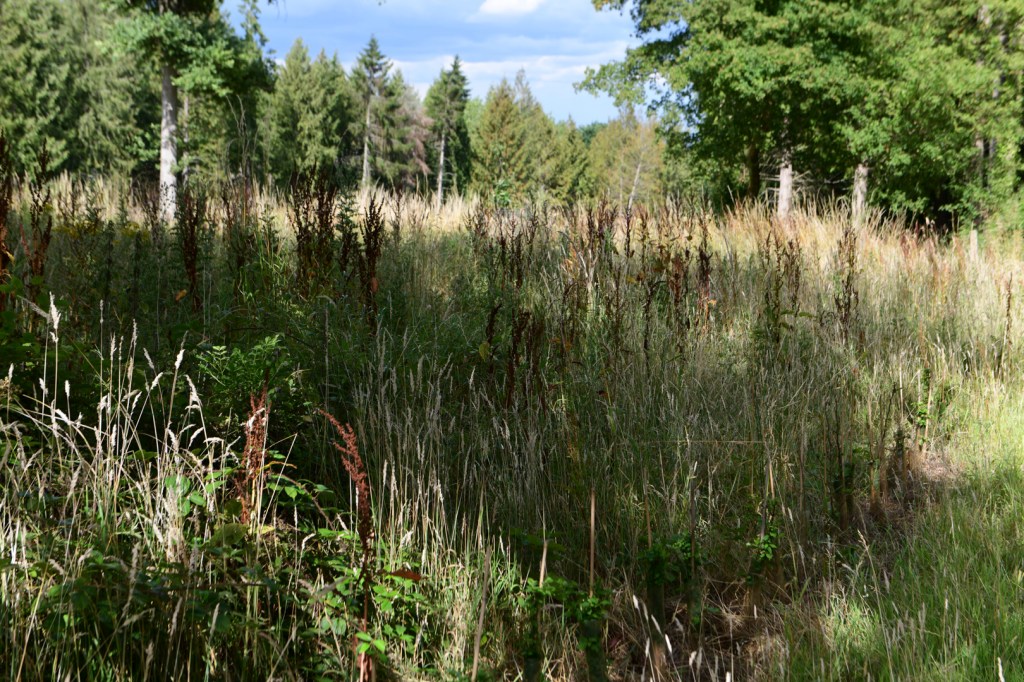
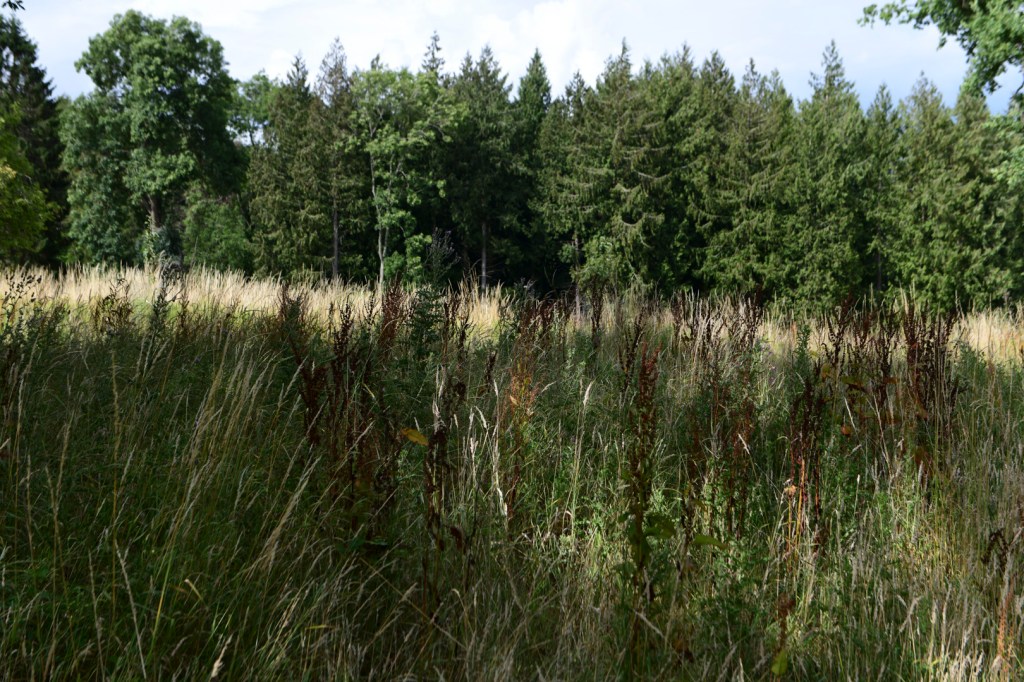
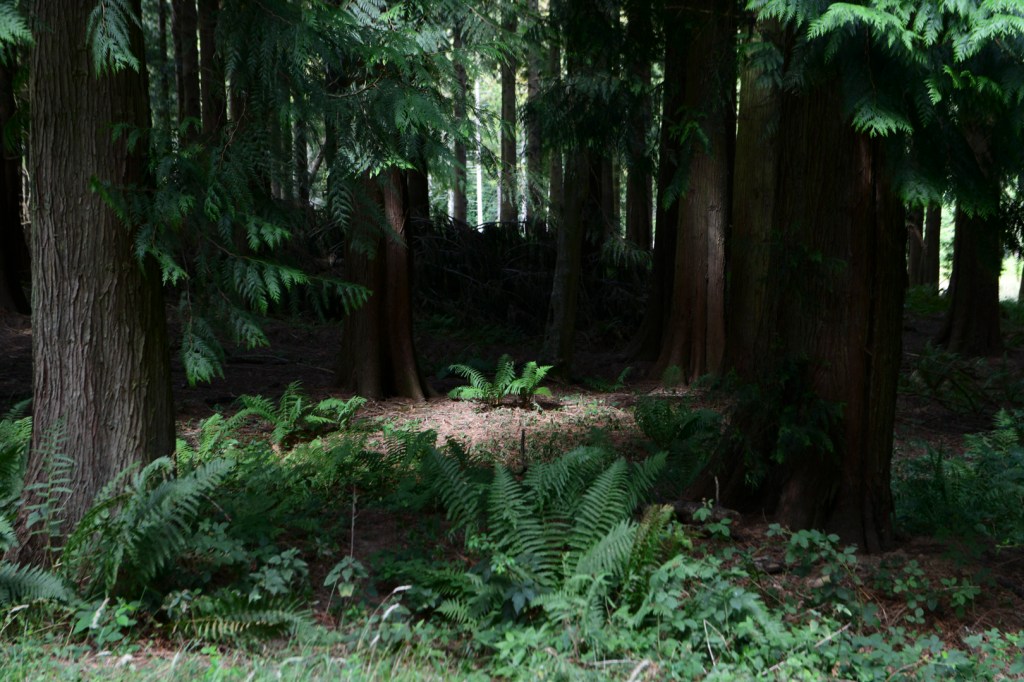
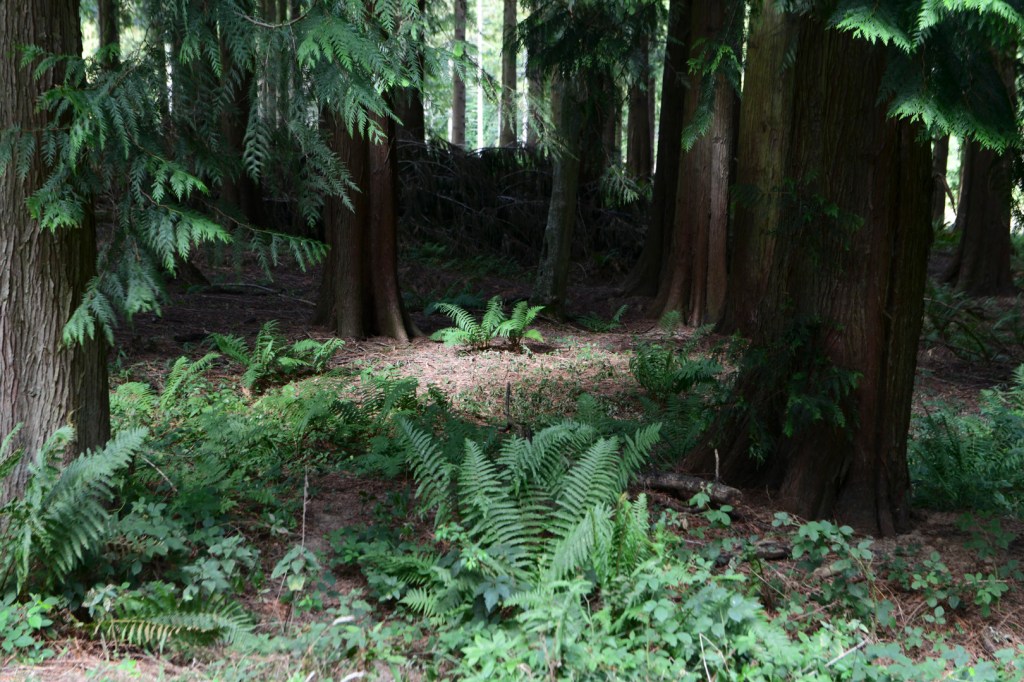
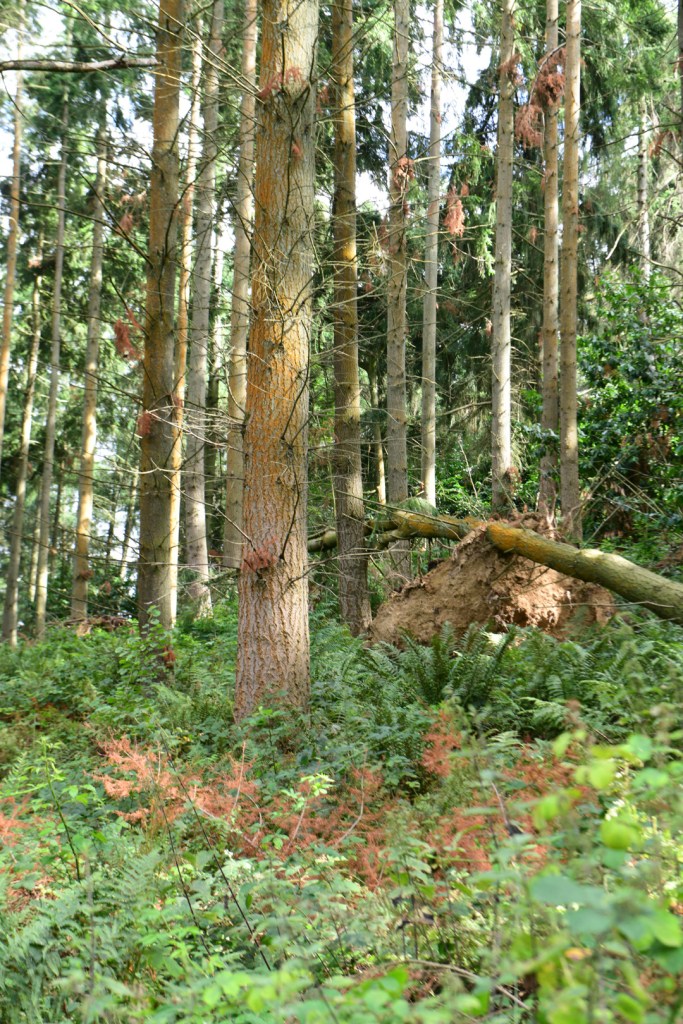
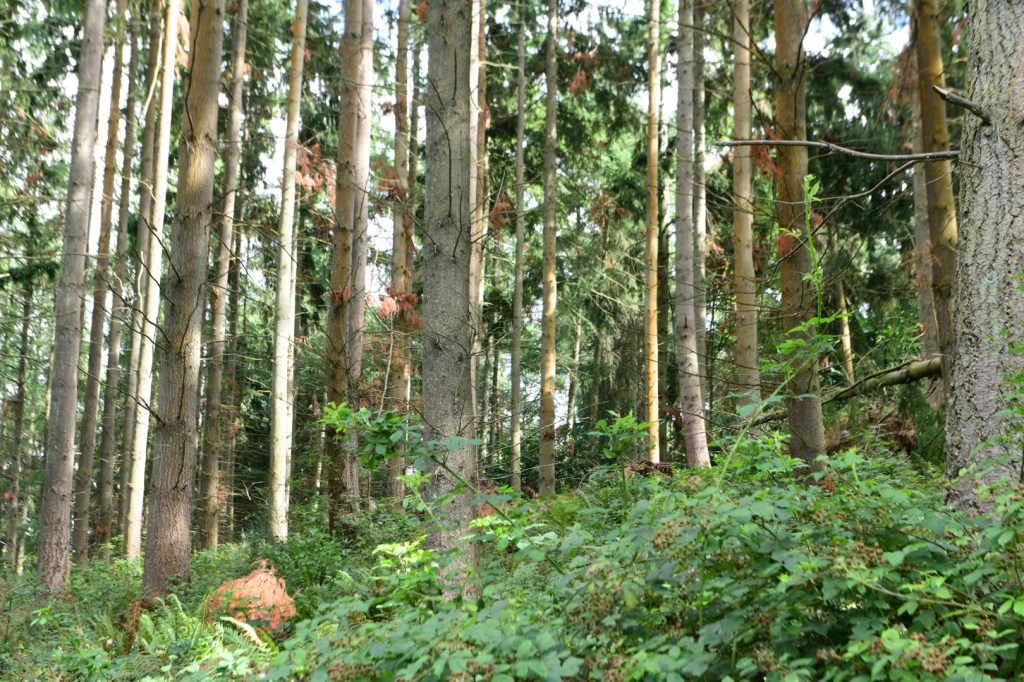
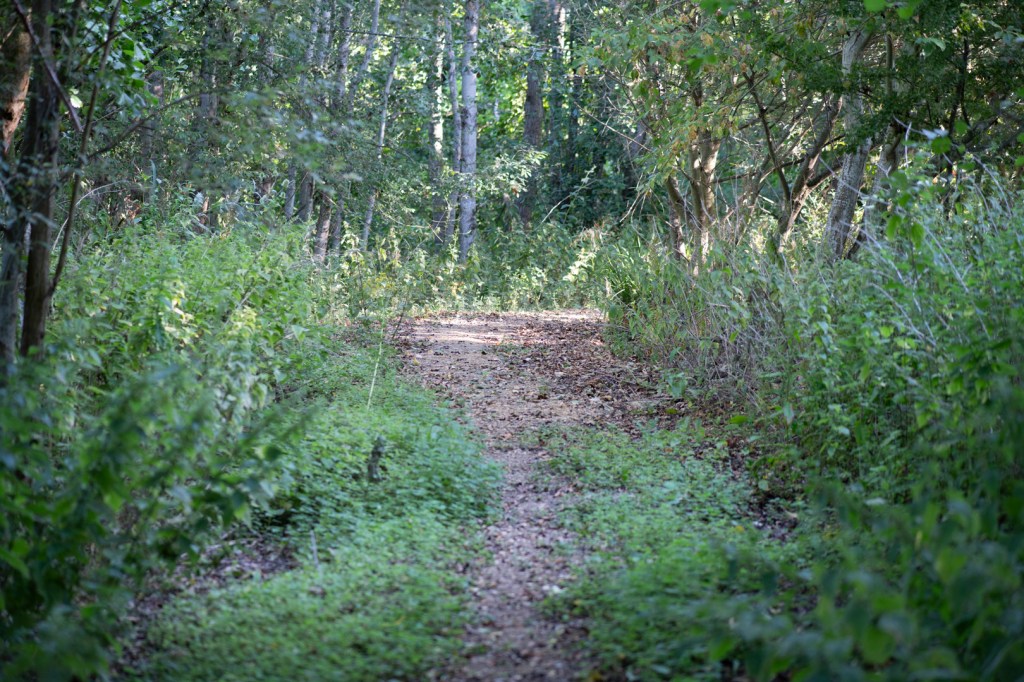
During this early stage of development I decided to photograph my immediate surroundings, in Ashton under Hill. This is a well trodden area, a place I find myself in almost daily. I wonder whether it might offer up some inspiration to me. Does it hold significance in relation to my theme? As its so familiar to me, do I really ‘see’ the surroundings or am I complacent? I do very much enjoy this area of woodland but since there is a recent history of access restriction, because the woodland came under new ownership in 2020, I have felt less at ease here. Hopefully this might change over time, but I wonder if I can realistically find what I am seeking in the short term.

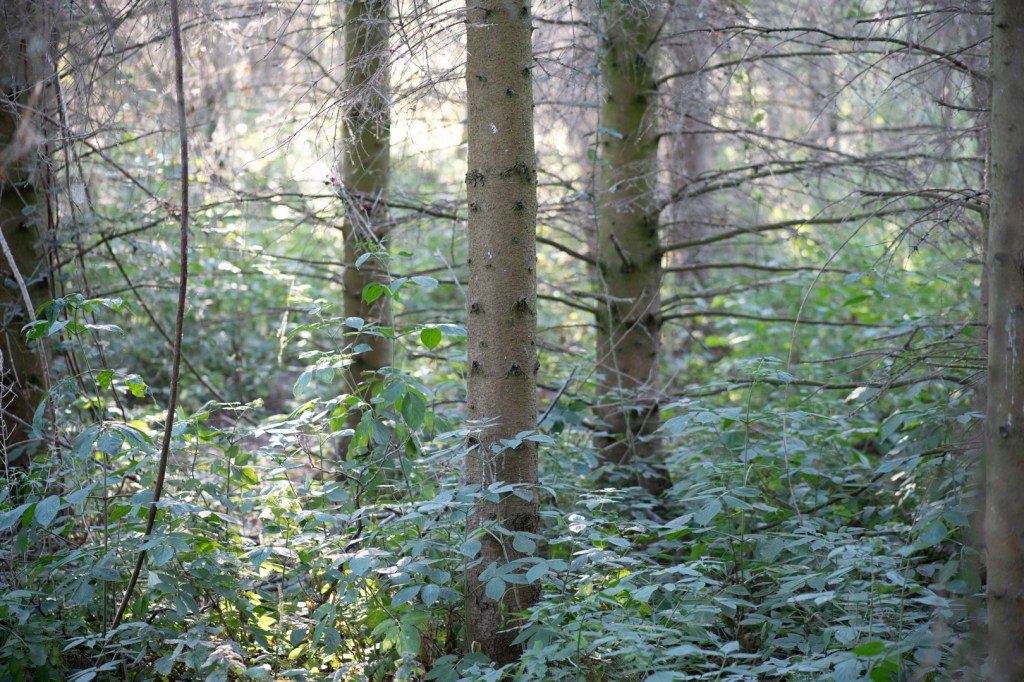
Whilst I like many of the images here, I don’t think they have the depth I am trying to portray. I also think that because it is summertime and the light is strong, it has proven difficult to create enough atmosphere and show the textures of the environment in the way I ordinarily would. The colours feel too jarring and the photographs unremarkable, for what I am after.

I feel some frustration at this early stage at not having a clear idea of what I am trying to present, however, this does start me thinking about the psychology of what I am doing and reminding myself of how I feel most ‘at home’ with a more immersive, slower approach to making work. With this in mind, I will research aspects of mindfulness in photography in more detail, to see if this might help to guide me.

Link to original files: 7800 IMAGES

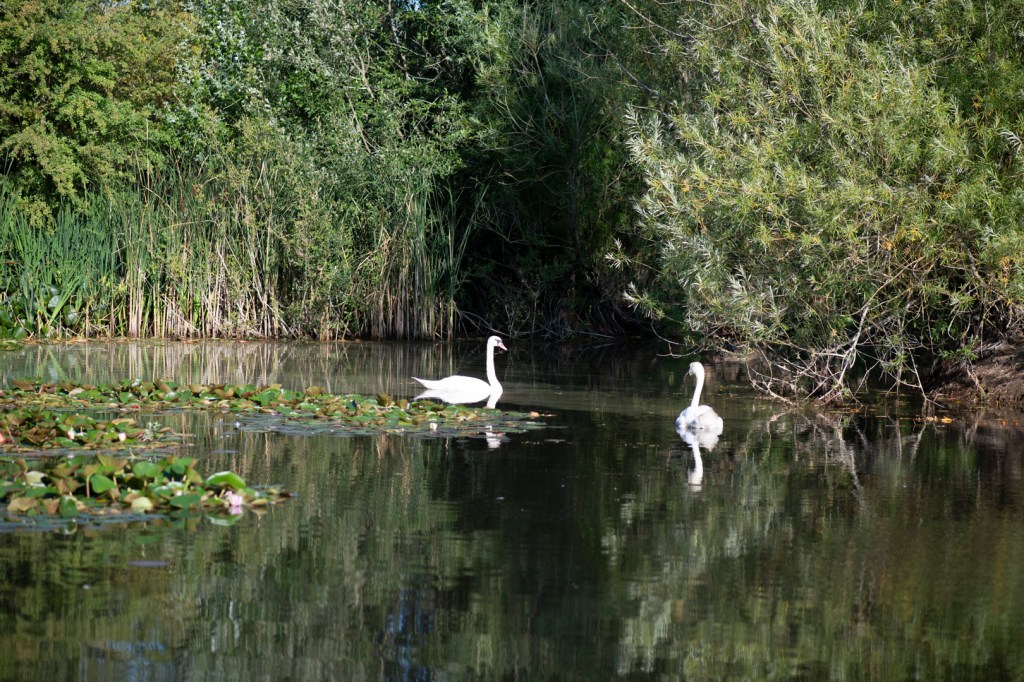
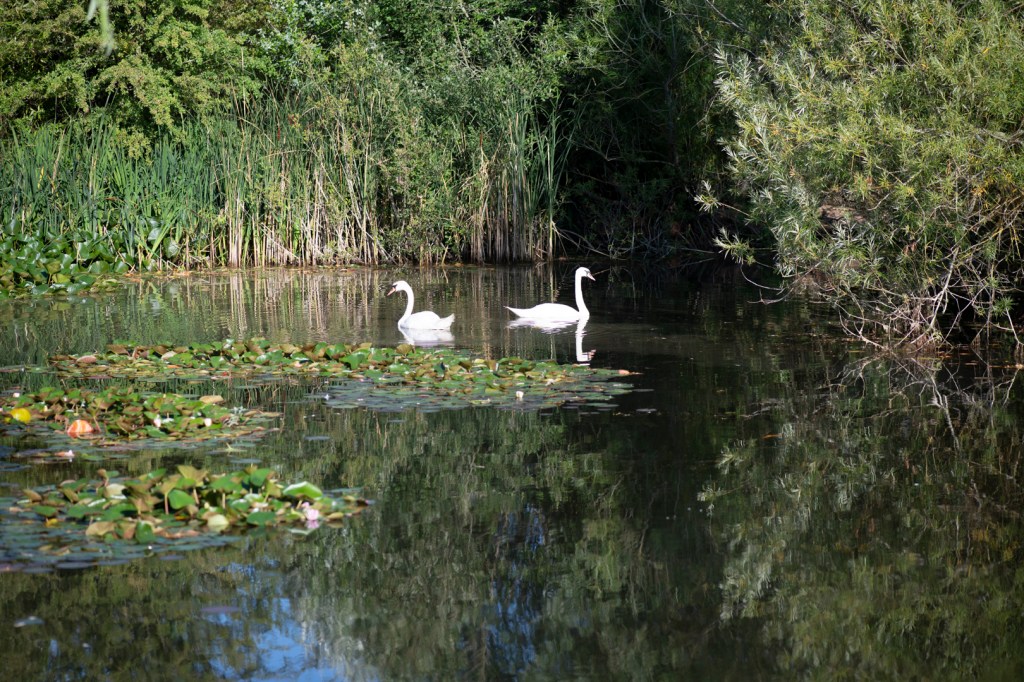
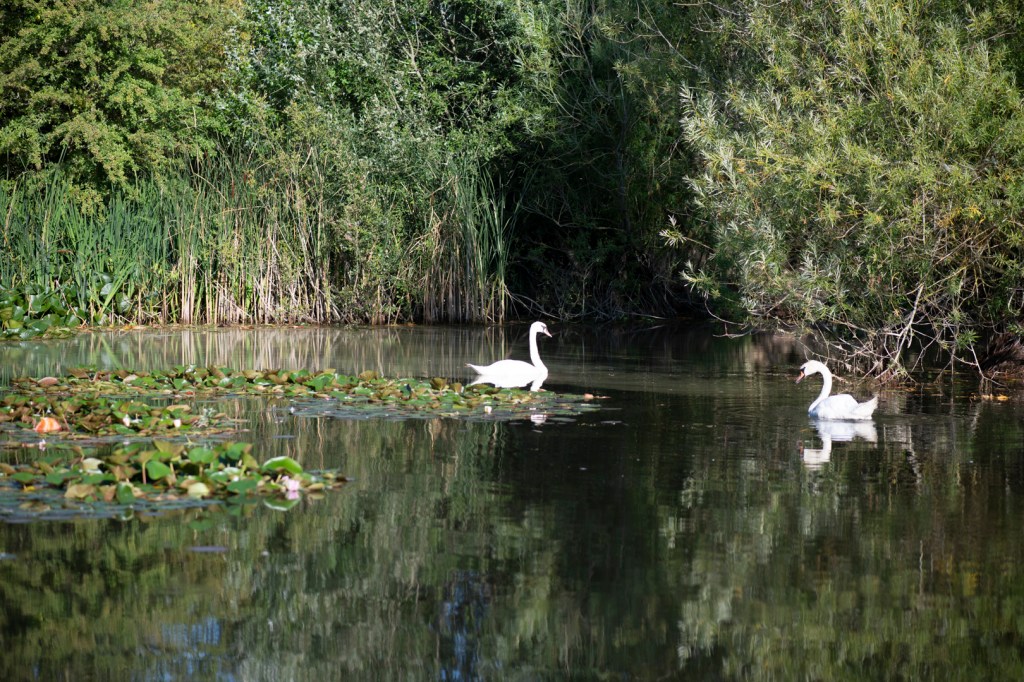
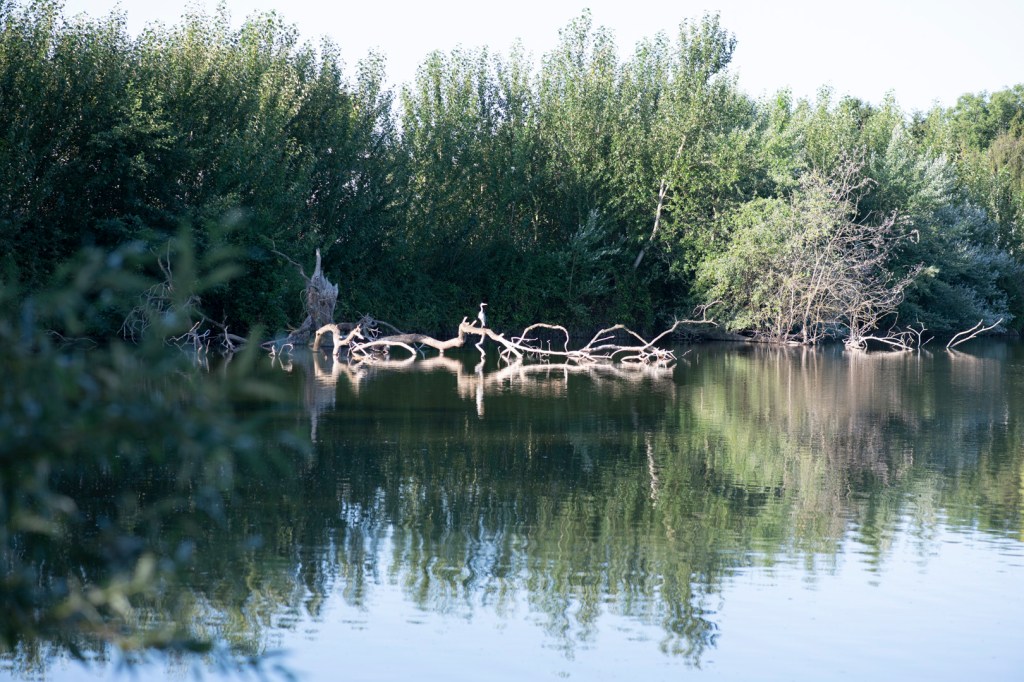
Dacha lake shoot 13 July

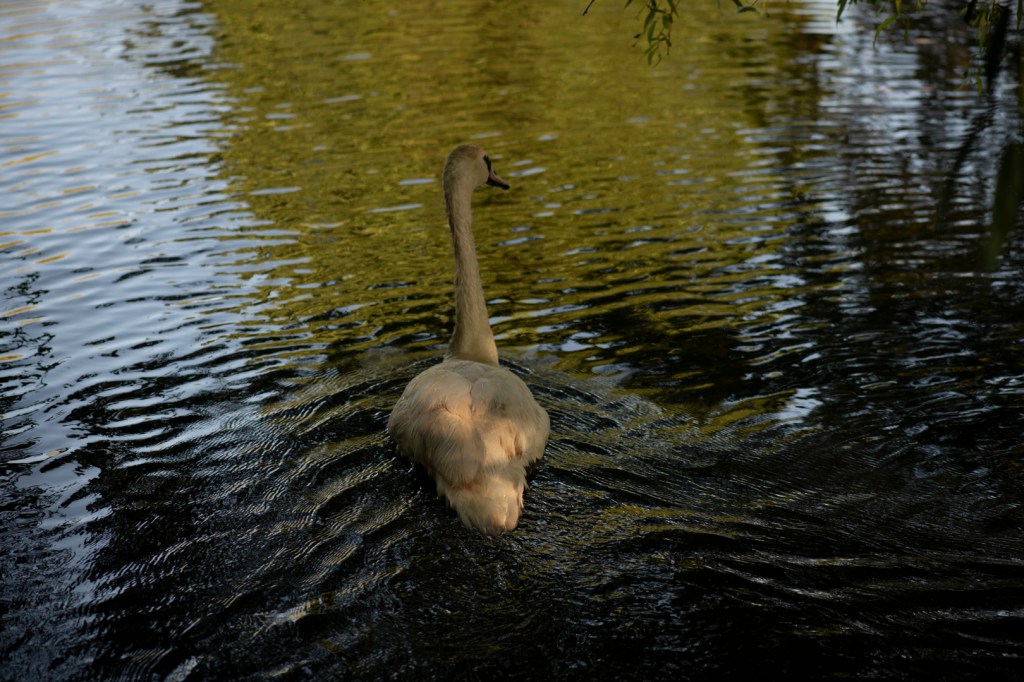
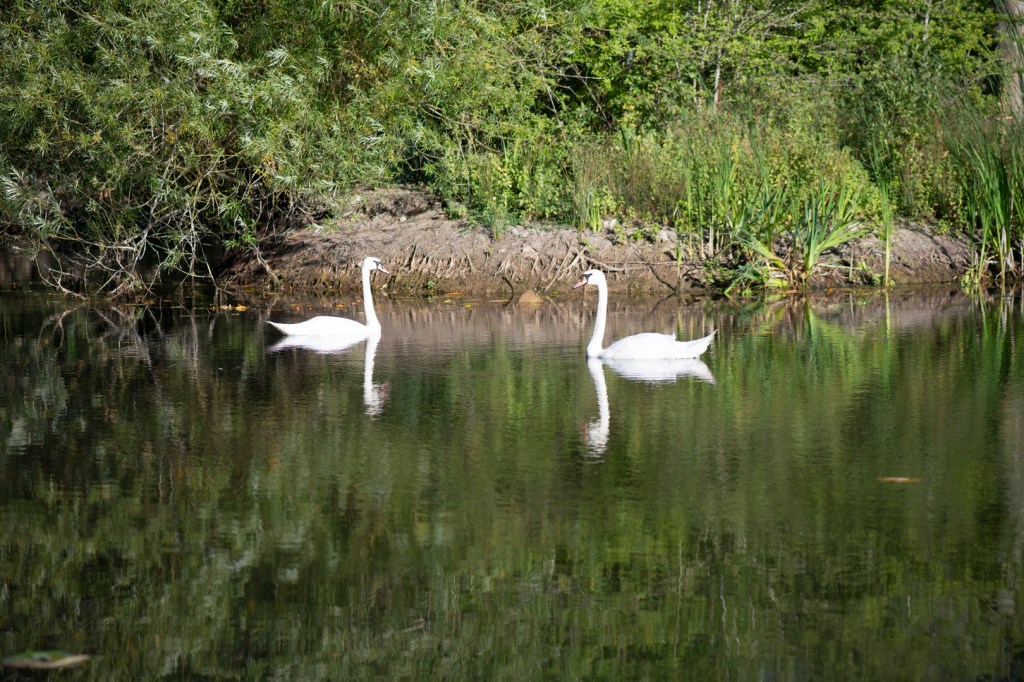
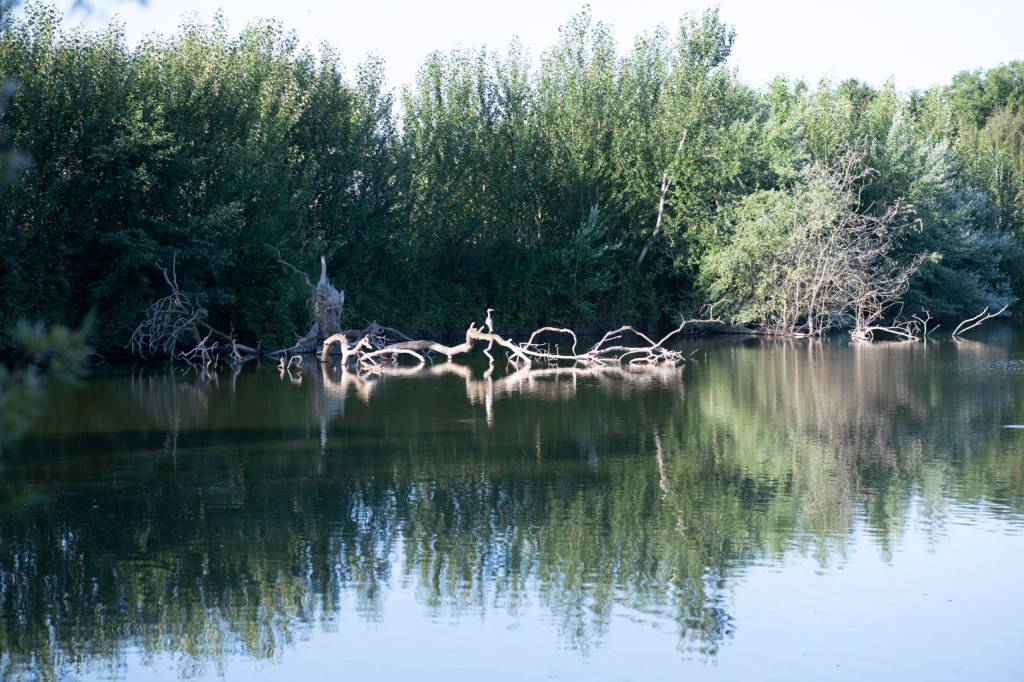
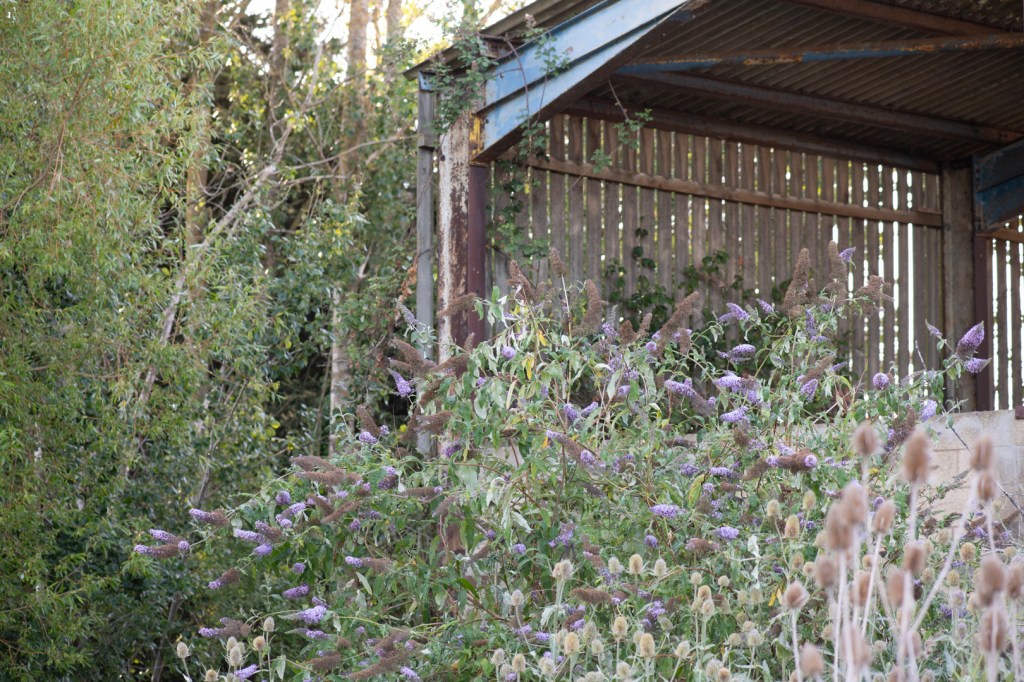
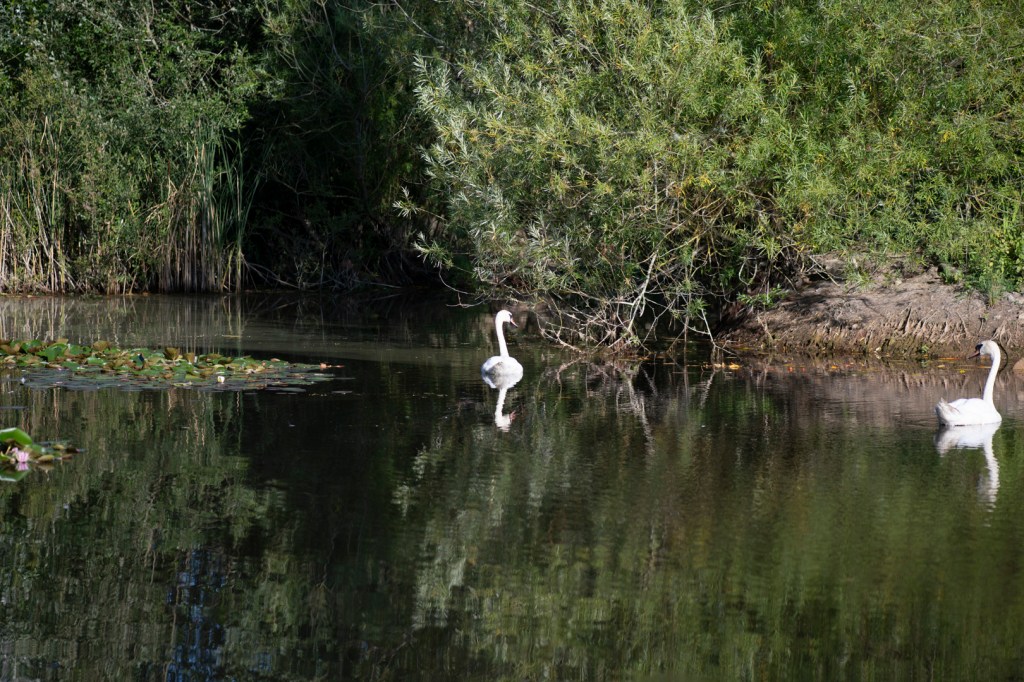
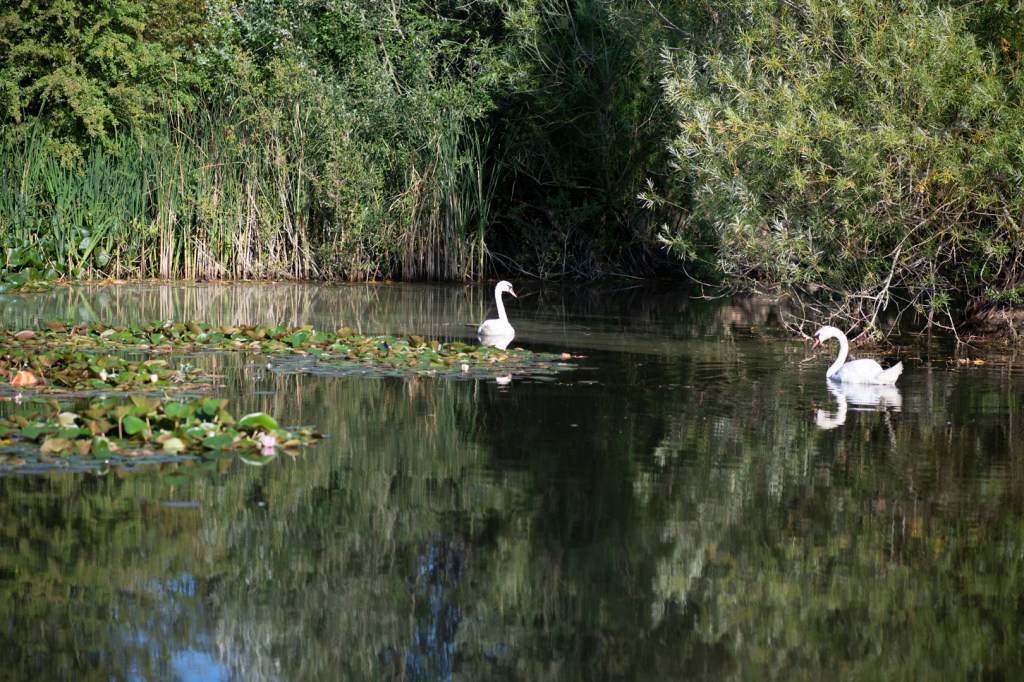
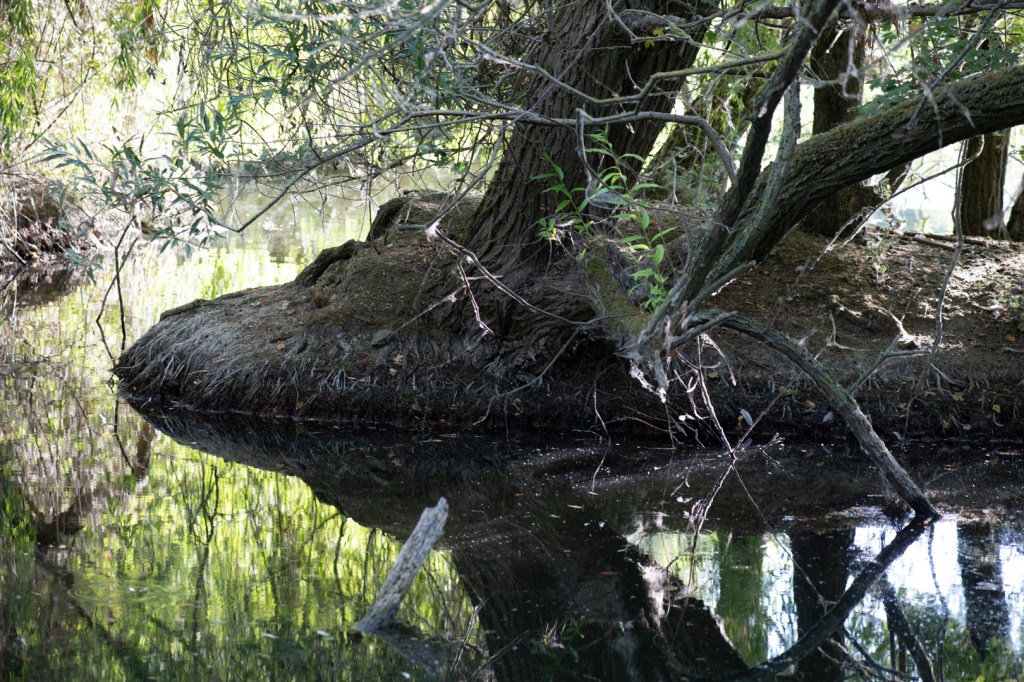
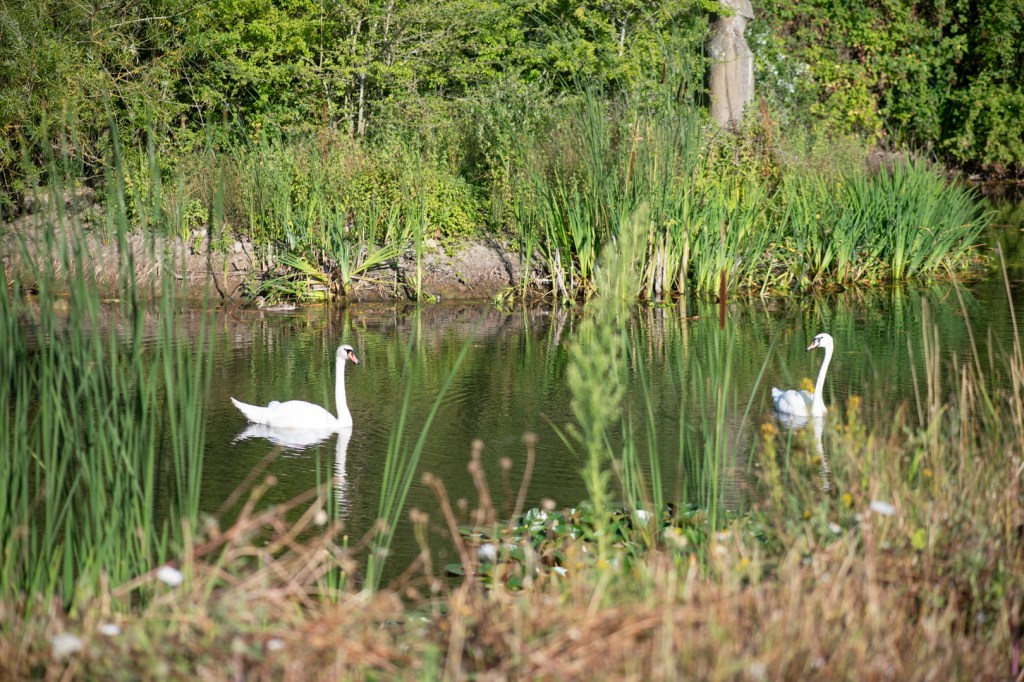
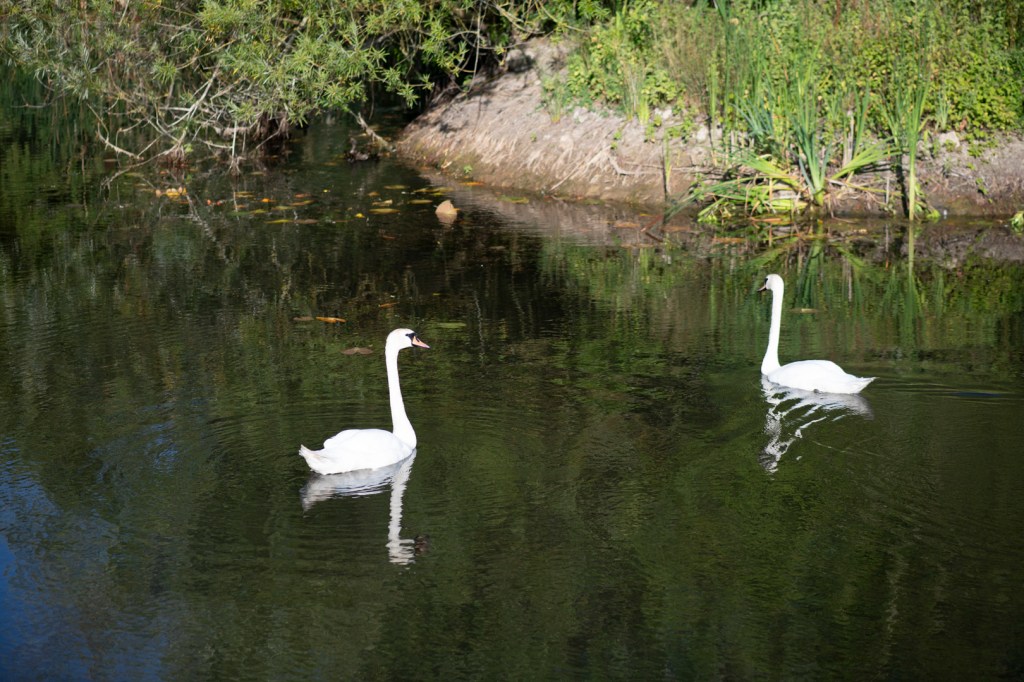
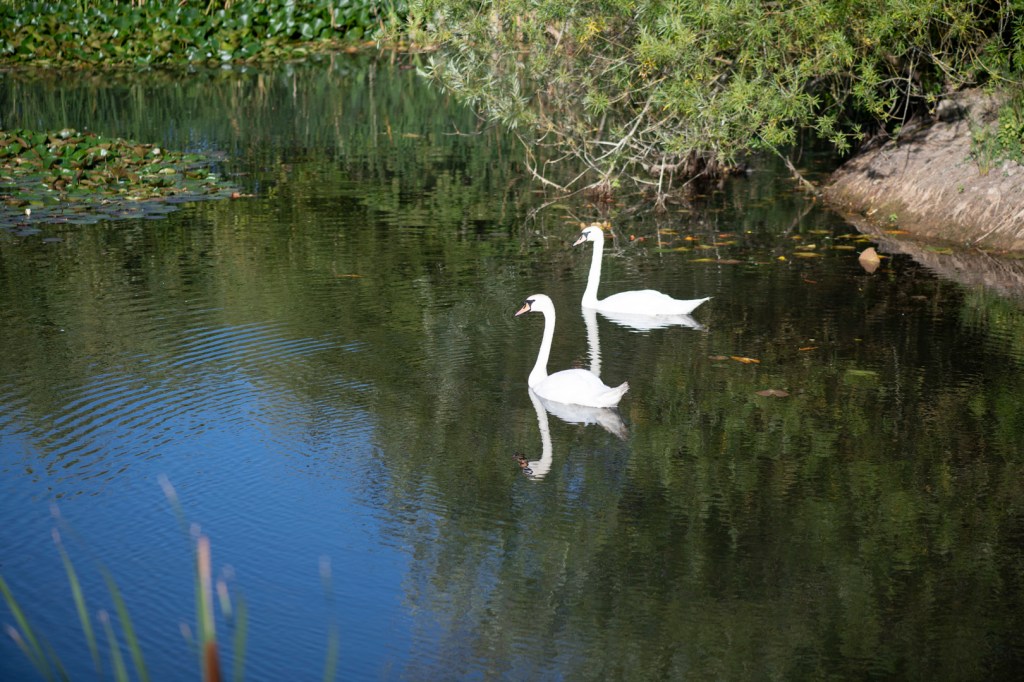
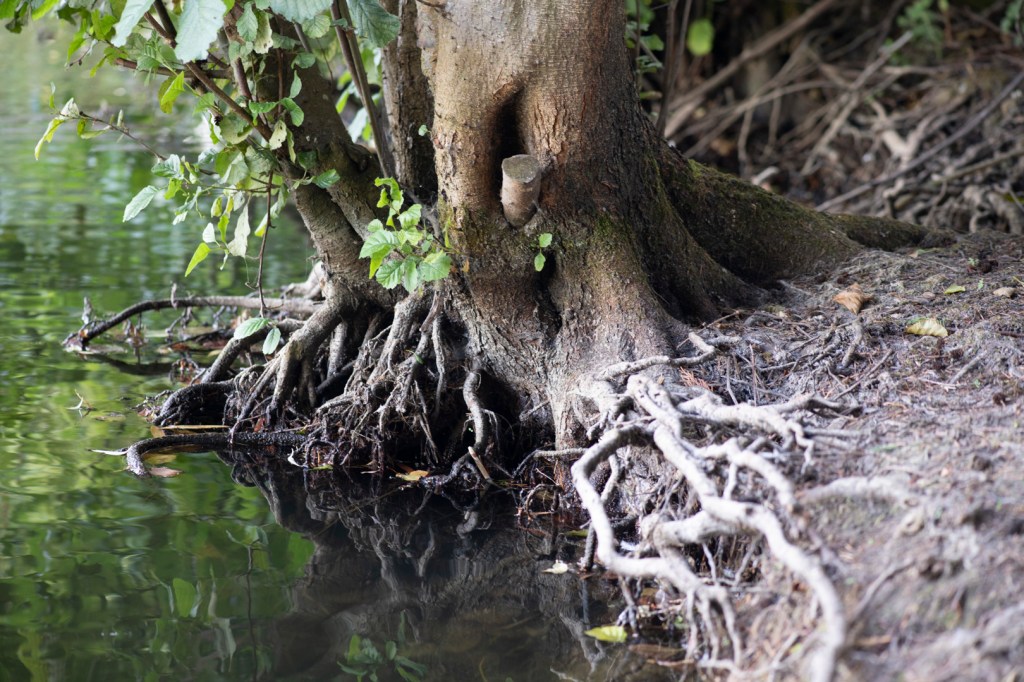
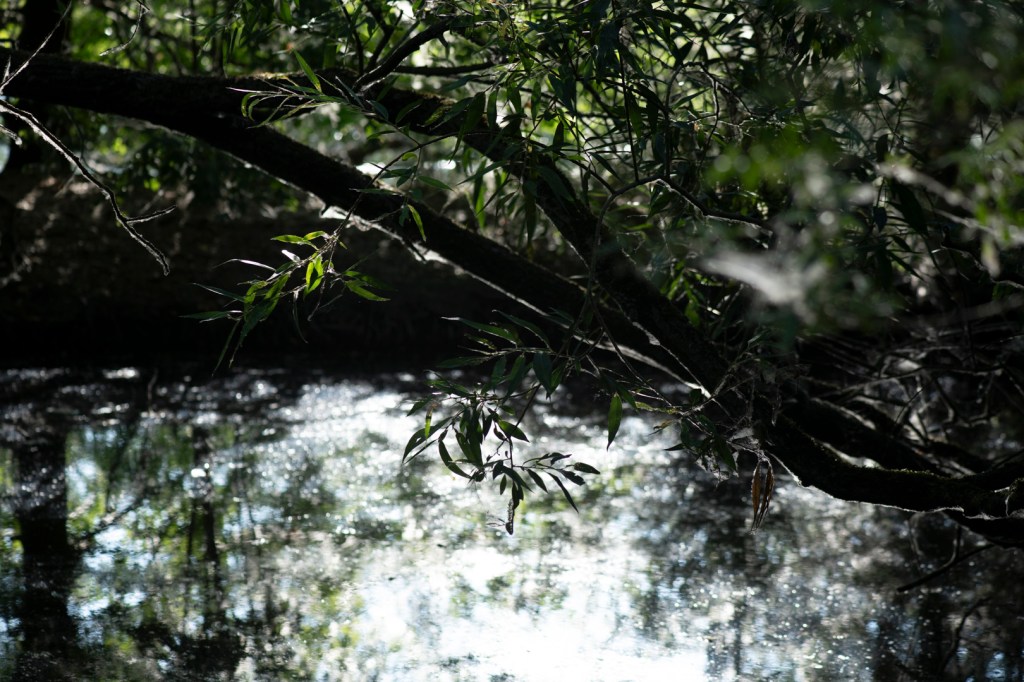
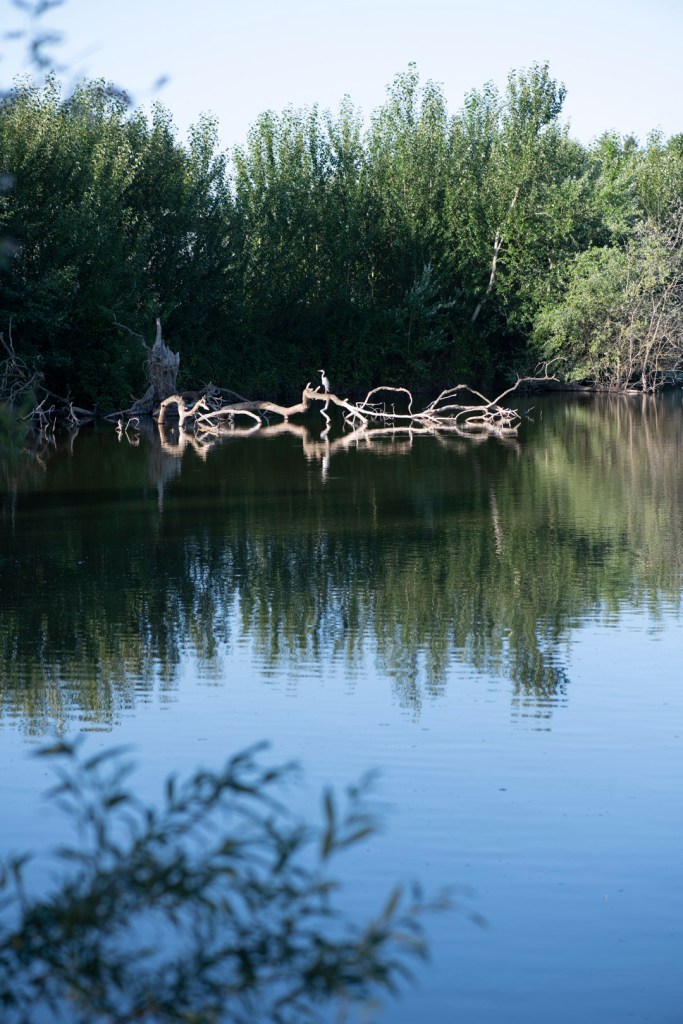
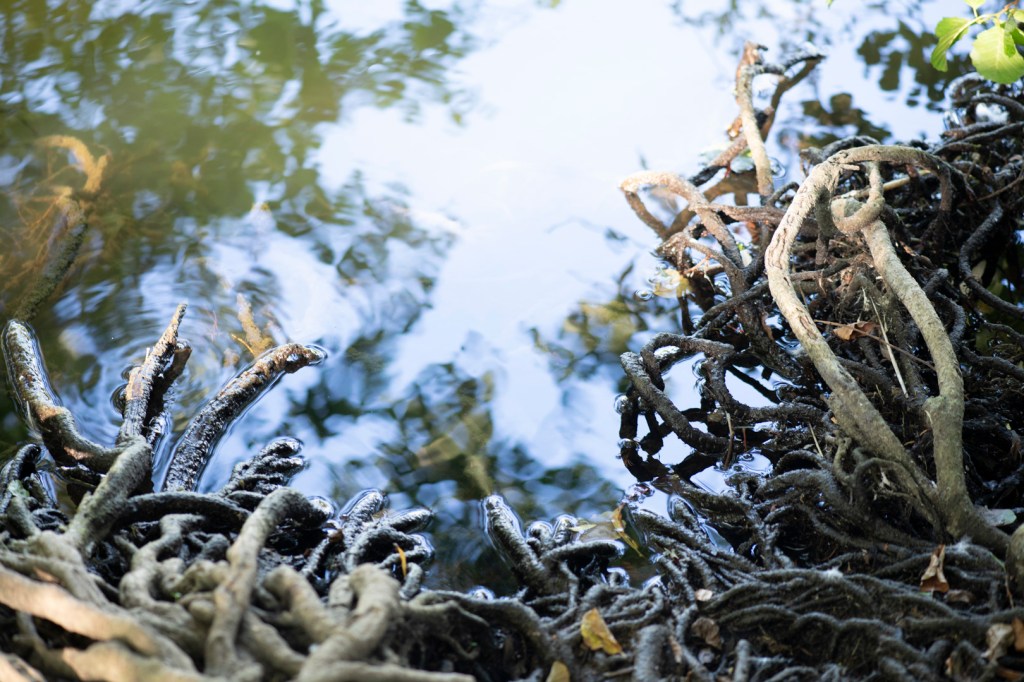
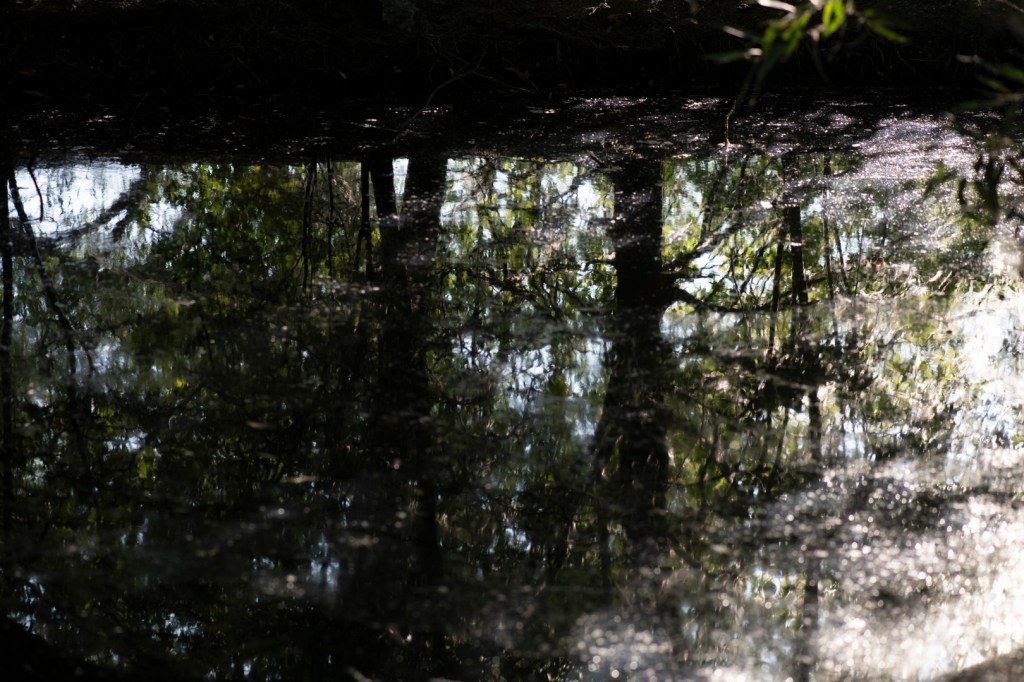
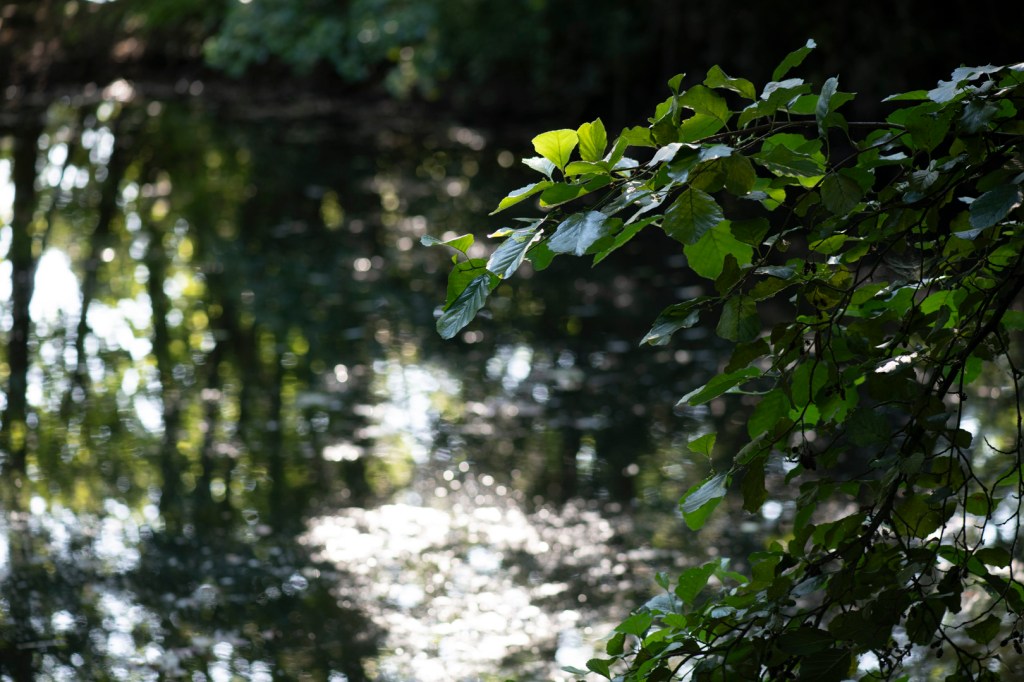
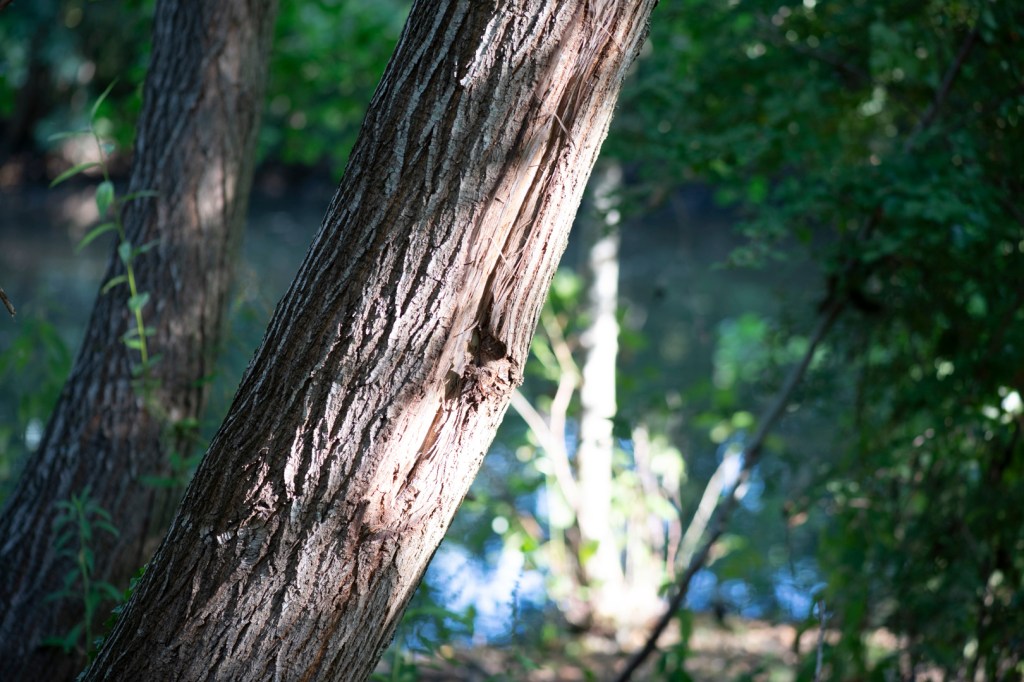
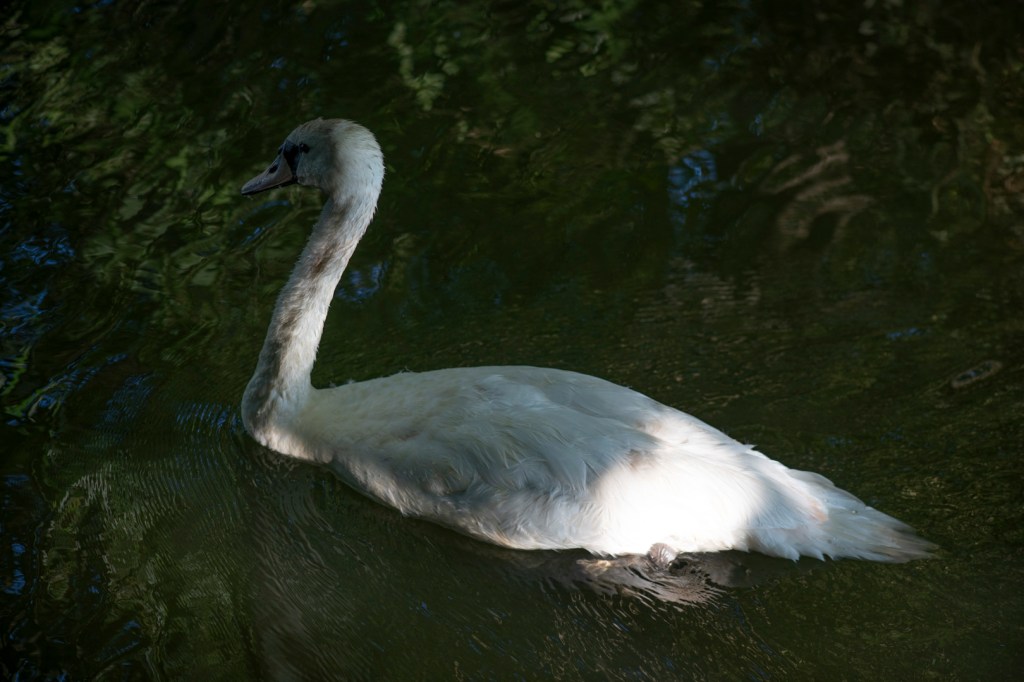
The images above were from early on in summer when we had plenty of sunshine and not much rain at all. I wanted to see what details and features I could find around the lakes, which most resonated with my thoughts and ideas for my FMP. At this stage I am still very unsure about the direction of my theme. It still feels too broad and I hope to find what I am searching in my mind through the process of shooting, observing and researching as I go. I am very much having to ‘trust the process’ here which feels uncomfortable as I worry whether I am wasting time in heading in the wrong direction. Of course, logically, I know that this is entirely part of the process of exploring practice with new ideas and investigations but it is challenging for me to accept. It is early days, I need a better approach though so I will look into possible avenues for this.

Link to original files: 7800 IMAGES (restricted access)

Introduction to Final Major Project

Proposal (as at July 2025)

My ongoing practice centres around my attempts to capture the emotional landscapes evoked by the places I know well and ‘The lake’ has become a central figure in my photographic practice. Although not the place I grew up, it is a place of significance as it has become a playground for my children to create their own memories and as a consequence, it is a feature of my own journey through parenthood. Also, for my mother, it has become her beloved home in the second phase of her life and is a haven of tranquillity and awe. I explore the lake and its surrounding environment as a space rich with memory and a witness to personal transformation. It is where family, friends and community gather, and childhood lives are nurtured. It is also a place of solitude, and where I witness the moments shared here as embedded in this living, breathing environment, it is a place that invites both close observation and distance, and I frequently return to observe, to wait, and to document.

This quote below is from a blog post that I wrote for AD7801, which comments on my stepfathers attitude to the lake. I have included this to highlight how it has become ‘the place’ for my children. It is where their own childhoods play out, with their friendships developing and growing alongside the natural environment and a life long love of nature and place is being instilled.

David has encouraged his grandchildren (my son and daughter being among them) and their friends to make use of the space around the central farm to build camps, swim in the lakes and make bike courses, among other things. My stepfather is an incredibly clever man. He seeks out problems so that he can invent and create solutions. As a result, his environment; the house and the land, constantly changes and is an homage to his eccentricity. Above all else, to see others utilising the space, thus giving it purpose, gives him absolute joy and endless entertainment”

I will also include images from my own significant, meaningful landscapes which came before this one. Of particular importance is Guiting Wood, which I give credit to as my educator in nature. I spent countless hours immersed here, with my sibling and cousins. I frequently return, as though anchored somehow, and can’t help but reflect on how this small part of the world has played such a key role in my love of landscape and my enquiry into ideas around sense of place. Additionally, I will study my immediate landscape environment, where I have resided for the last 15 years and explored in detail, during that time.

In all cases, it is the nature connection which plays its role in creating these everlasting bonds and I am interested in how the places themselves, contain elements of our history and presence. A sense that someone is ‘in a place’ although not physically could be seen as spiritual, a sense of belonging and familiarity, even though the leaves have changed, the water is new, the DNA of those who have been there, is contained within. I will examine existing discourse around landscape and memory to better understand how our cultural identity is bound up in the natural world and how our imagination is shaped by the places we spend time in.

Immersion in these environments will be a key aspect of my project. Often too rushed, I don’t always succeed in capturing the essence of my surroundings. Using the research and subsequent inspiration I have gathered so far, from practitioners such as Jitka Hanzlova, Jem Southam and Nicholas Hughes, each of whom, have mastered deeper study methods of their chosen subjects, I hope to do deliver a thoughtful and worthwhile project. I will attempt to create a body of work that invites the viewer to pause, reflect and consider the fragility and / or strength of their own connections to their environment.

My early thoughts on presentation are to make large scale prints to accompany a handmade photobook. I hope to create memorable work which is varied and unique.

“I was born in a country of brooks and rivers, in a corner of Champagne, called Le Vallage for the great number of its valleys. The most beautiful of its places for me was the hollow of a valley by the side of fresh water, in the shade of willows…My pleasure still is to follow the stream, to walk along its banks in the right direction, in the direction of the flowing water, the water that leads life towards the next village…Dreaming beside the river, I gave my imagination to the water, the green, clear water, the water that makes the meadows green. …The stream doesn’t have to be ours; the water doesn’t have to be ours. The anonymous water knows all my secrets. And the same memory issues from every spring.”

 Gaston Bachelard, Water and Dreams: An Essay on the Imagination of Matter

Although this is my initial proposal, I anticipate the project will change. I have been looking through the ‘Photographers Sketchbooks’ book and note Alec Soths words on process and how in taking a single image into building a series will inevitably change direction and intention as it goes.

Already, I am thinking about loss of access to nature and how this can impact future generations; Where is the motivation to care for something if you hhave no connection to it?

In the work I set out to make for this project, I will look at how to intersect each aspect, combining the personal, ecological and geological.

Early ideas for images:

  1. Children / others enoying their natural environment – demonstrate the benefit to being in nature, stepping away from tech, becoming creative, developing sense of self, forging social relationships.
  2. Climate impact on our spaces
  3. Memories, how they contain pieces of ourselves from times past.
  4. The nature connnection – passing on of knowledge to future generations
  5. What has been before – structures, myths and legends etc

How might the project be finally realised?

  1. Large scale print? – maybe one single alt process print alongside others
  2. Lightboxes, selected images plus smaller, framed prints
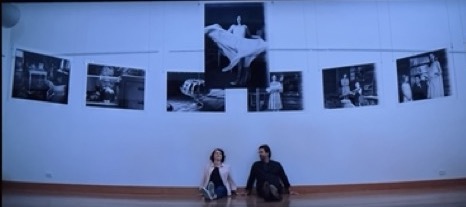
  3. Potentially A2 prints in a circle (see Fig 1. screen shot of TV show inspiration)
  4. Supporting book, with full series. to show the extent of work
  5. Postcards of the prints?
Fig 1. Installation ideas (from a film still, tv series unknown)

Thoughts following feedback on proposal:

  • What will I draw on specifically?
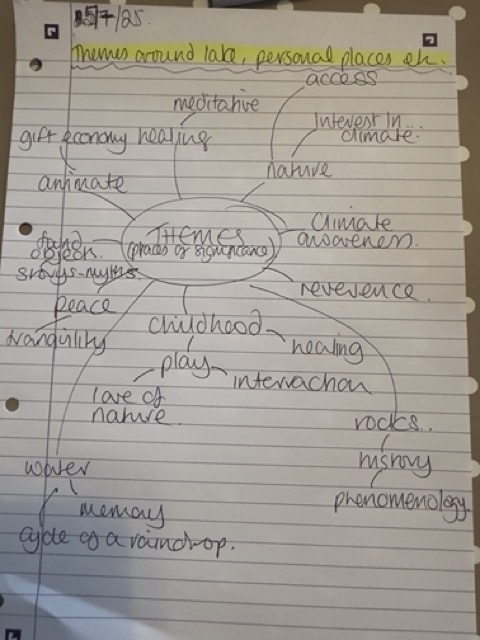
  • Mindmap of each theme / idea, detailing concerns (see fig 2 below)
  • look at the social, aesthetic, ecological and personal aspects of practioners work
  • How do practitioners use composition, pictorial space etc
Fig 2. Mindmap of early ideas

Critical writings

  • list of key writings that I have already looked at (Tilley, Ingold et al)
  • cross over of themes and ideas – intersect
  • critical writing to include discussion around the themes as well as photography itself

Previous research and practice – especially look at AD7802 and pull out the themes, ideas, practitioners and critical writing from there. What can I expand on and investigate further? This was a module that had great impact on my own thoughts about the potential in my practice.

Other initial ideas and thoughts – quick bullet list

  • Images – study images already taken. Could they kick start a direction?
  • Could I incorporate video?
  • Remember that a series doesn’t have to all be one genre, think about the theme relevance.
  • Detailed shots
  • Wider shots
  • People
  • Ambiguous
  • formats – analogue, digital
  • Alt process – large scale cyanotype? would need to settle on theme quickly
  • combination / blend of formats
  • book – does this add value?