Research: Rinko Kawauchi

Exploring the fragility of human connection with the universe and ecology

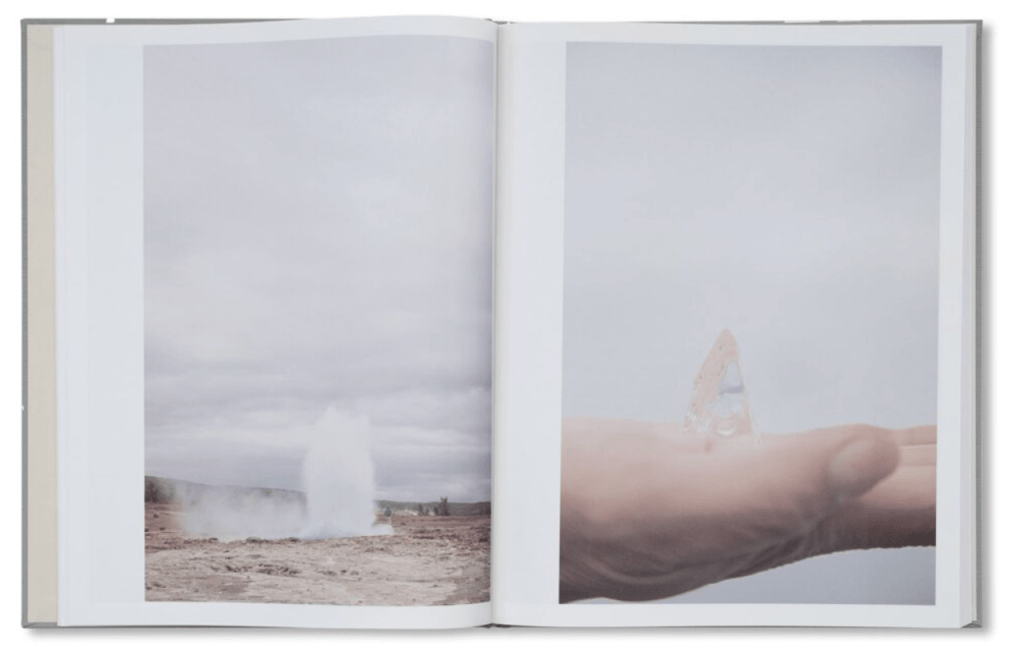
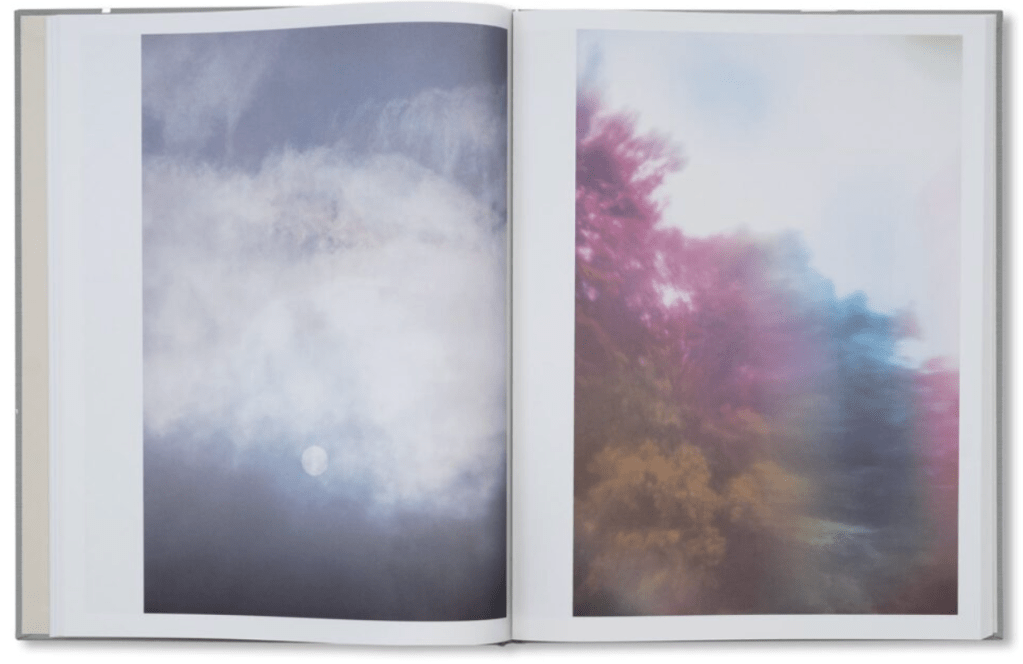
I came across Kawauchi’s work during module 7802. She is a Japanese photographer well known for making quiet, intimate images of the day to day objects that we might otherwise ignore, which aligns with ideas around mindful photography practice. Her photographs characteristically have soft light and pale colour palettes with a shallow depth of field. I find many of her photographs are quite surreal and seem to be other worldly. In 2024, she exhibited at the Arnolfini as part of Bristol Photo Festival, the organiser described her work as being ‘characterised by a poetic, dreamlike quality that imbues mundane scenes and objects with a sense of wonder and transcendence’(Arnolfini: online)

The ‘dreamlike quality’ is the first aspect of her work that I notice, I spent some time just simply looking and in an attempt to practice the mindful aspects of photography, just ‘sat with’ the images. It is interesting to experience the change from a simple visual acknowledgement to something more like a physical sensation, which feels more meaningful and immersive.

The photographs below are from Kawachi’s website and are part of her M/E series (Mother / Earth)
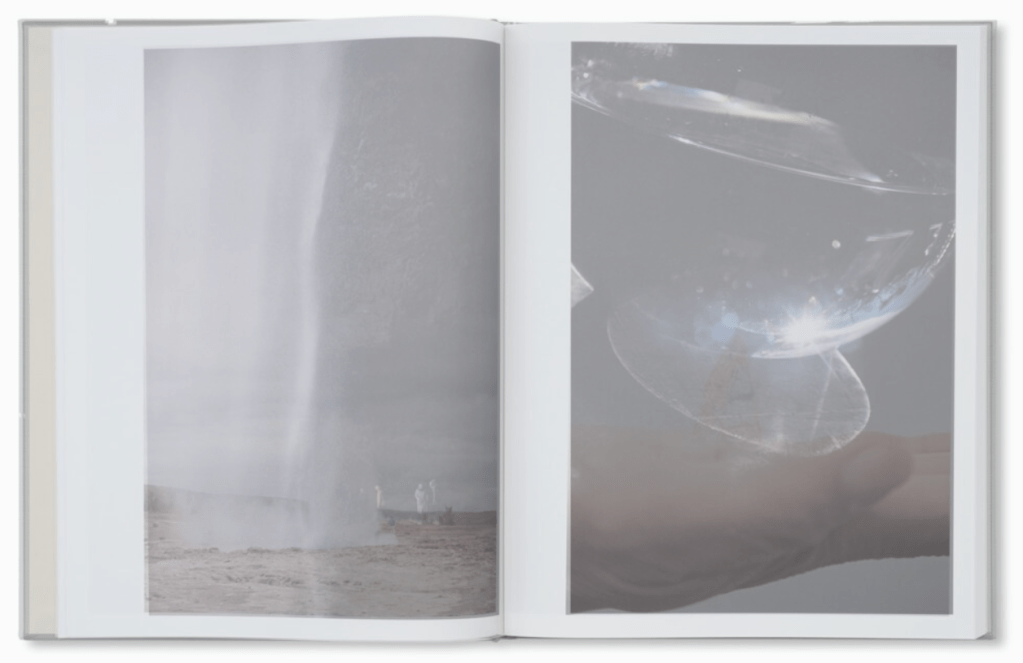
At the core of her practice is her exploration into the relationship between humans and the rest of the natural world. Her work tends to present a sympathetic view, the images are very gentle and she discusses in an interview that her books are a very important part of her work, recognising that to see work in a gallery requires a viewer to enter a prescribed space whereas a book can be picked up and put down whenever desired and without distraction.

Another compelling point she makes concerns her explanation of why her latest book, Halo, brings together subjects that initially appear unrelated. Rather than emphasising an obvious or direct relationship between them, she asks the viewer to consider their broader place in the world. Kawachi suggests that everything in the book is connected through her personal love of nature and the world around her, even if those connections are not immediately clear. This makes the work seem deeply personal as I wonder whether it is more of a representation of artists inner thoughts, as well as the subjects themselves.

This raises the question of whether conventional expectations about what is and is not considered “connected” should be challenged when assembling a book, or creative work more broadly. My own rigidity over making things uniform or having the conventional belief that there must be obvious connection in my work, perhaps should be challenged.

The article is attached below:

I note my thoughts and feelings about the image below: ‘I see what could at first glance be a person but I realise is more likely a building. A church perhaps. Obviously there is glass between the viewer and the scene, as the rain tells us that. I notice tiny dots on the raindrops which almost create comical faces in them. As though they are looking back at me saying ‘let us in’! This amuses me. It feels cold, as the image is blue, the light is low and this is synonymous with a damp and dreary English Autumn or winter day. I find it both brooding and melancholy. Were there a light somewhere on the building, this would change the sensation of the image completely, I would see this as hopeful.
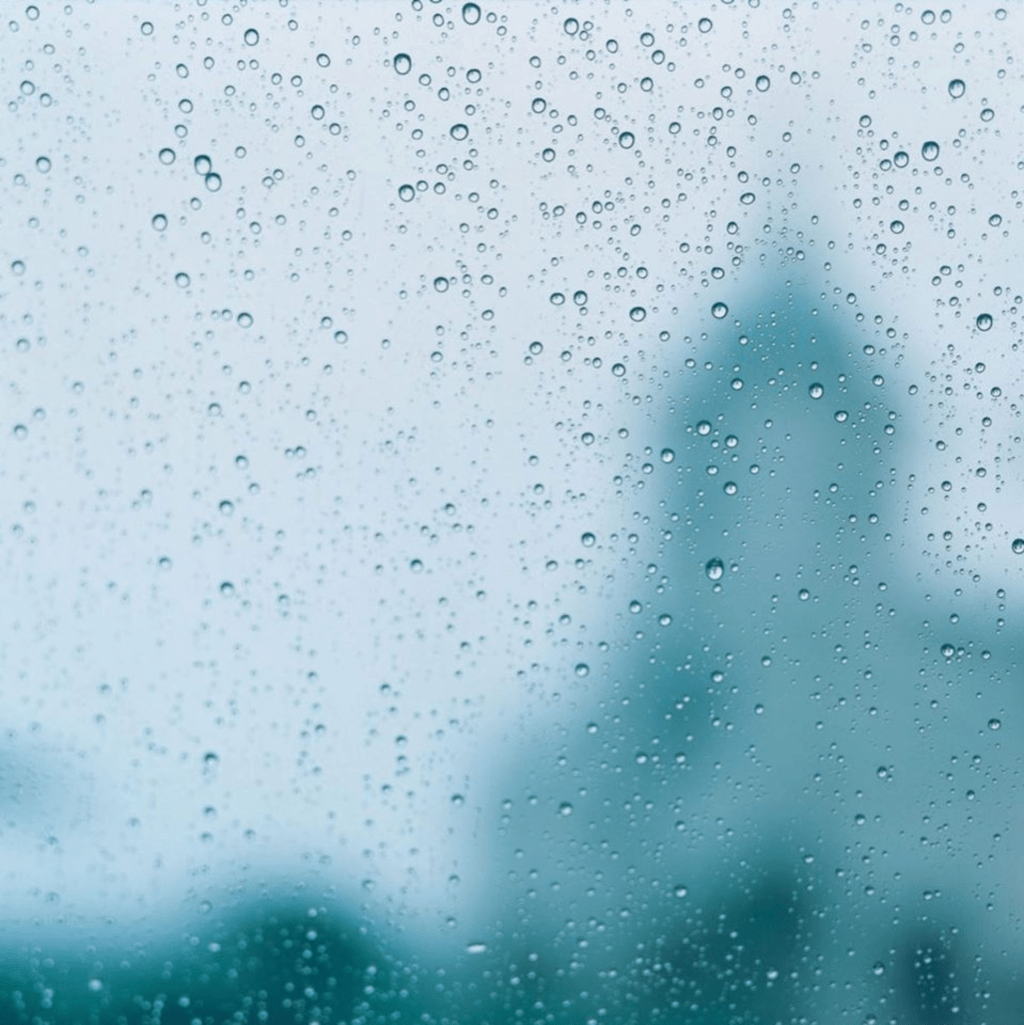
She uses photography as meditation. Her approach being to sit with her surroundings for a while, noticing the various sensations that appear; this might be to do with the sound and temperature or the damp weather as in the photo above. In the rain, she would have had added distraction from the water hitting her head and body, which may have made it more difficult to ‘tune in’ to her surroundings. What is clear though is that no matter the situation, by employing some mindfulness discipline, its possible, using creativity, to extract meaning from the chosen environment regardless of ‘distractions’ in this case, rain fall.

There is much to admire about her practice and work. Although aesthetically Kawauchi’s work doesn’t align with my personal taste, her methods and subject matter are highly relevant and interesting. I would like to view her work up close and I am looking out for any exhibitions so that I can visit. I can imagine some of these works being quite thought provoking seen up close and on a different scale.
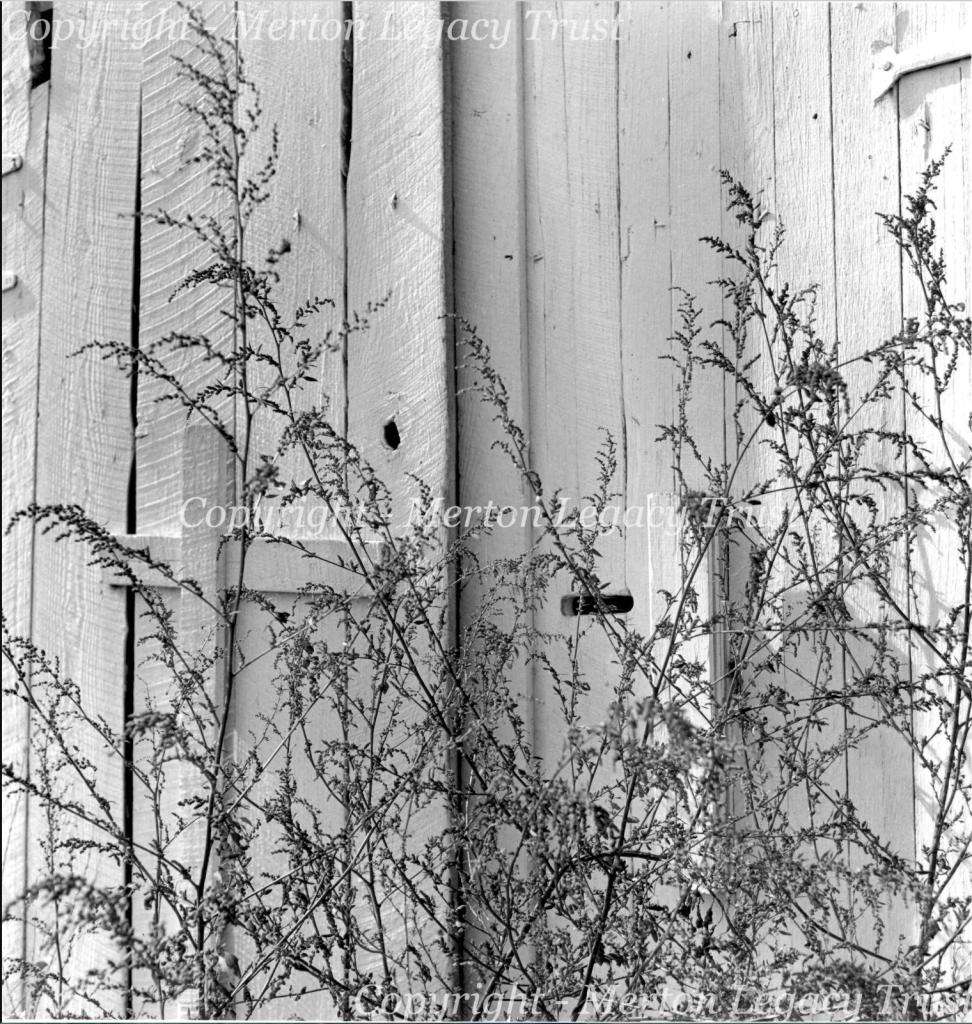
Thomas Merton – Beholding Paradise

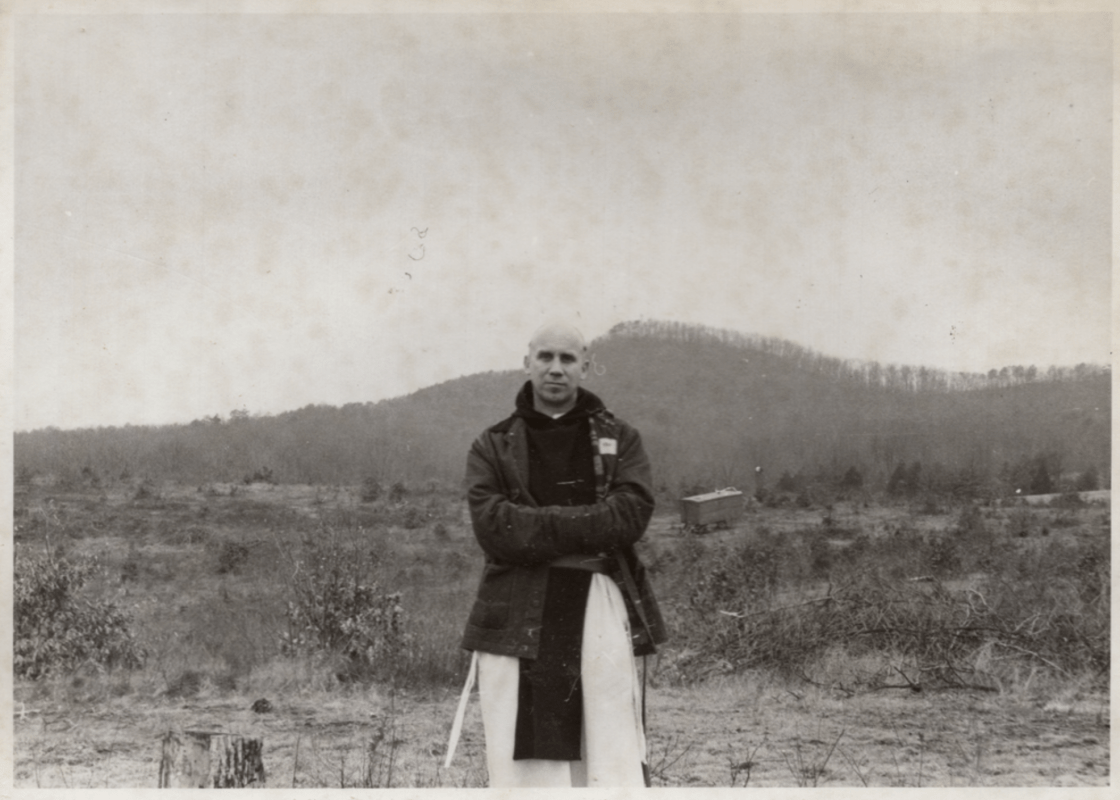
I have researched Thomas Merton because of his methodology in photography and his unique way of seeing and understanding the world. This piece of research has helped me understand the key principles behind contemplative, mindful creative practice and how it can be inter disciplined, combining writing, art and physical activity such as walking. He was a Trappist monk, based at Gethsemani in Kentucky and discovered photography in the last decade of his life, on the back of his prolific production of books (50 in 27 years) He paradoxically, perhaps, took up photography as a way to satisfy his need for simplicity and stillness.

Because he would have taken a vow of stability, he would have been limited to contemplate subjects in the hermitage and the immediate vicinity, his search for photographs was part of a highly developed visual awareness that revealed itself when in an intense contemplative state of mind. It is perhaps unsurprising that photography became a tool with which to study his world in fine detail.

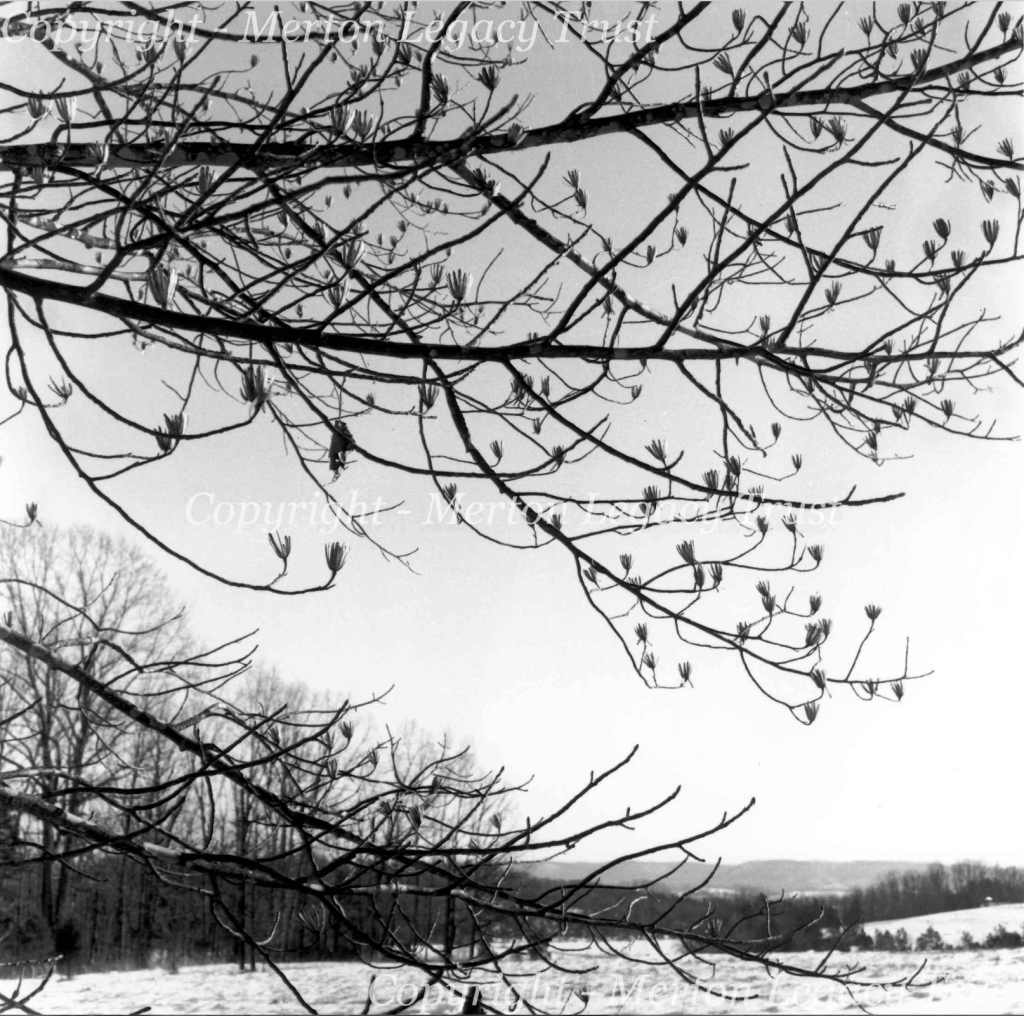
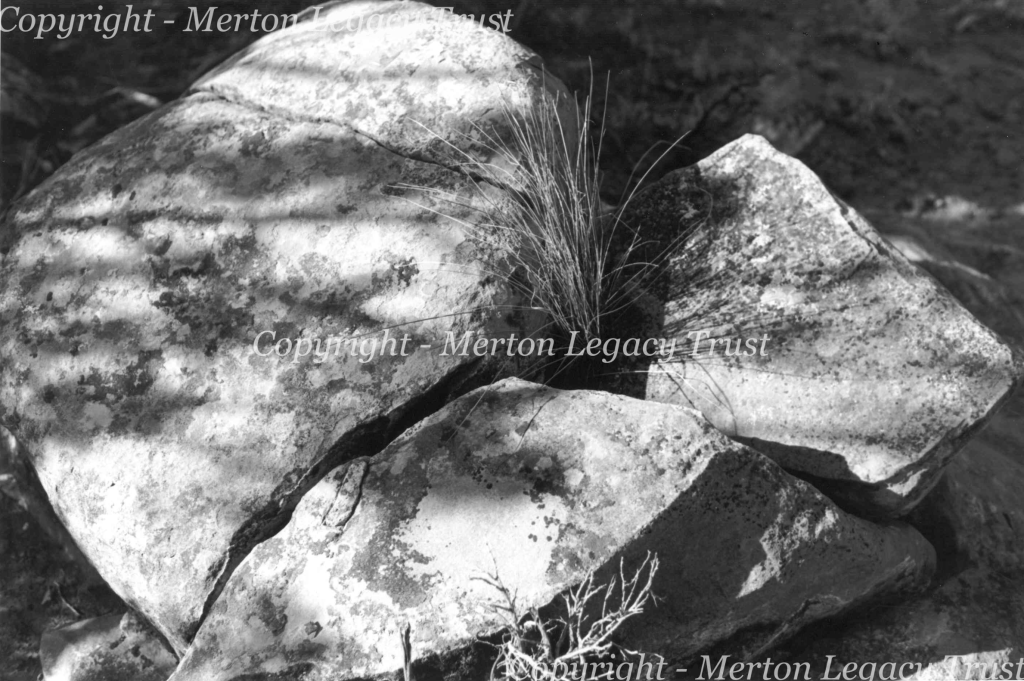
He continued his journaling and writing alongside his photographic practice which means that there is a wealth of insight into his thoughts and wonderings directly related to this. I find this useful because where I have read plenty from nature writers, they are not typically engaged in a related pursuit. For example, in one journal entry, he details that instead of reading a Zen anthology, he was too distracted by his ‘dream camera’ as he kept seeing curious things to shoot instead. he said ‘the whole place is full of fantastic and strange subjects – a mine of zen photography‘ (Hamrick, 2020: online) further to this in another entry, he says “Marvelous, silent, vast spaces around the old buildings…Cold, pure light, and some grand trees…. How the blank side of a frame house can be so completely beautiful I cannot imagine” (Hamrick, 2010) so we can garner from these words just how invested he was in paying close attention to his surroundings.

Paul Pearson is the director of the Thomas Merton centre at Bellarmine University in Kentucky. He has edited a book ‘Beholding Paradise, The Photography of Thomas Merton’ (Pearson, 2020) In this he discusses how Merton is ‘inseeing‘ which is a concept by Rilke, inspired by Rodin and interpreted by Merton as ‘an inner event in the person who sees it, and it takes place in this encounter with something else, not just a subjective thing…our own existence is revealed to us, along with the meaning of our own life’ (p133) It seems to me that this description epitomises the act of mindful, contemplative thinking. Mertons words summarise this a ‘Visio Divinia’ meaning seeing, rather than just looking so that the essence of the thing is revealed to the viewer.

For anyone seeking to absorb themselves in the simplicity of things, the book provides a fascinating insight into a man who as well as being a master at contemplation and mindful practice, had plenty of humour, liked a beer or two and mused and wondered about the marvel of life. Many of his poems and essays are thought provoking, although obviously plenty of reference to a God that I don’t believe in does sometimes detract from the enjoyment for me, so I do read his work through a slightly different lens to the one he may have intended.

NB all images displayed are for analysis under the terms of fair use and belong to Merton Legacy Trust

Iain Sarjeant

Iain Sarjeant’s project ‘The Pool’ centres around a small pond in his garden. The body of work he produced from this, are a series of close, detailed shots of selected elements of the pool. I think he successfully presents his subject beyond the ordinary by giving time and patience to his process.

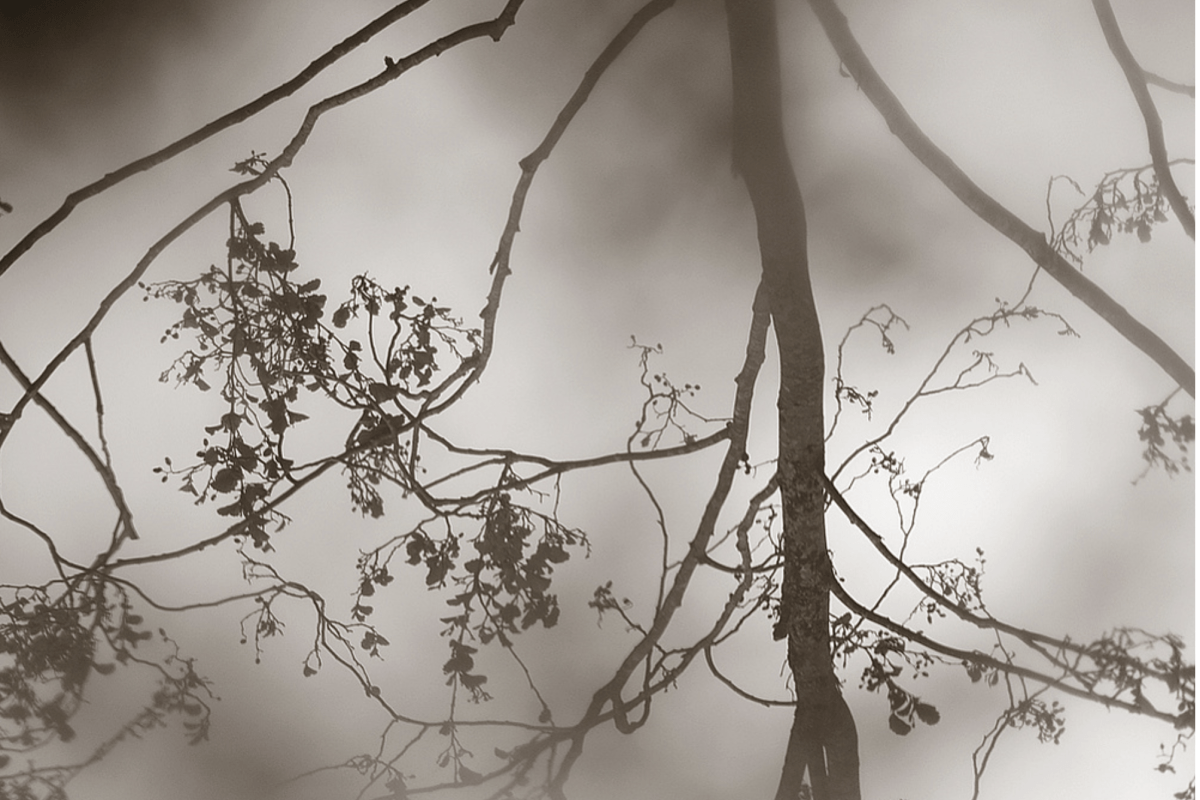
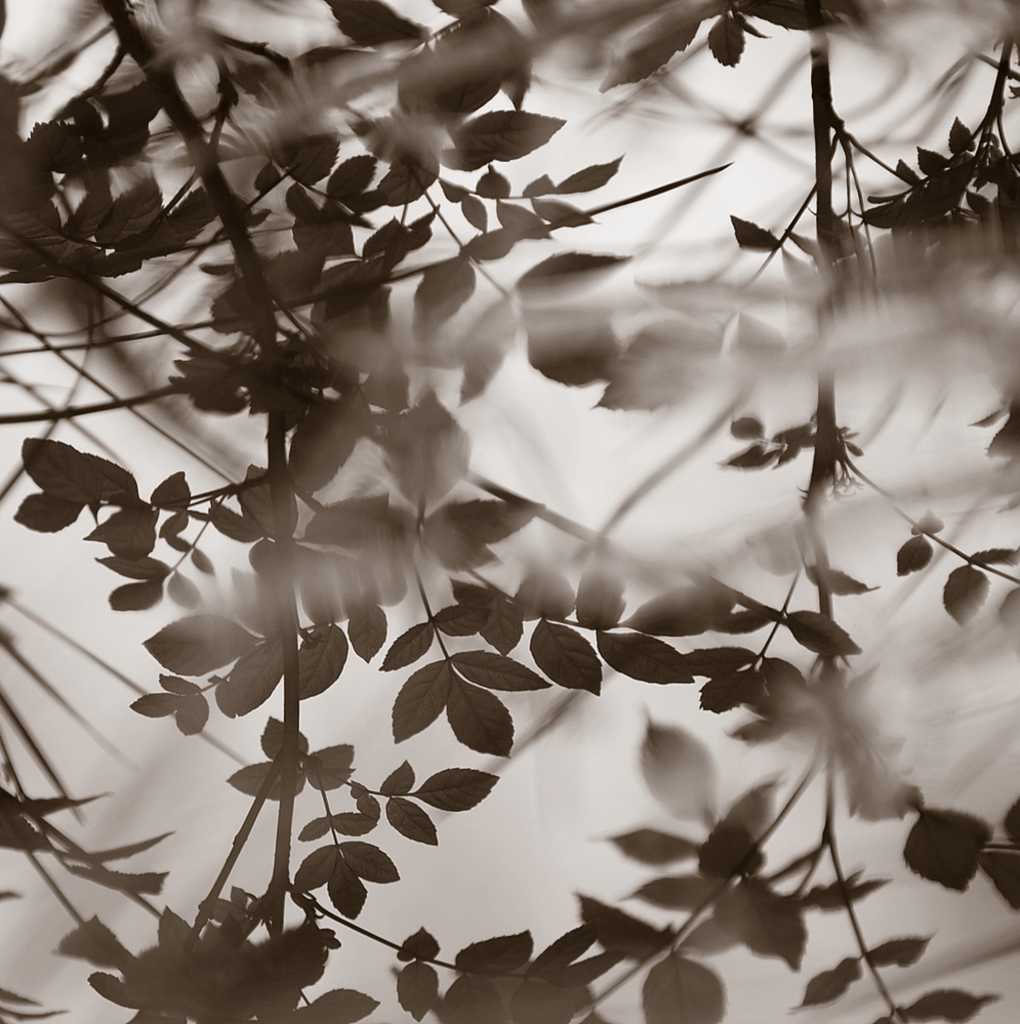
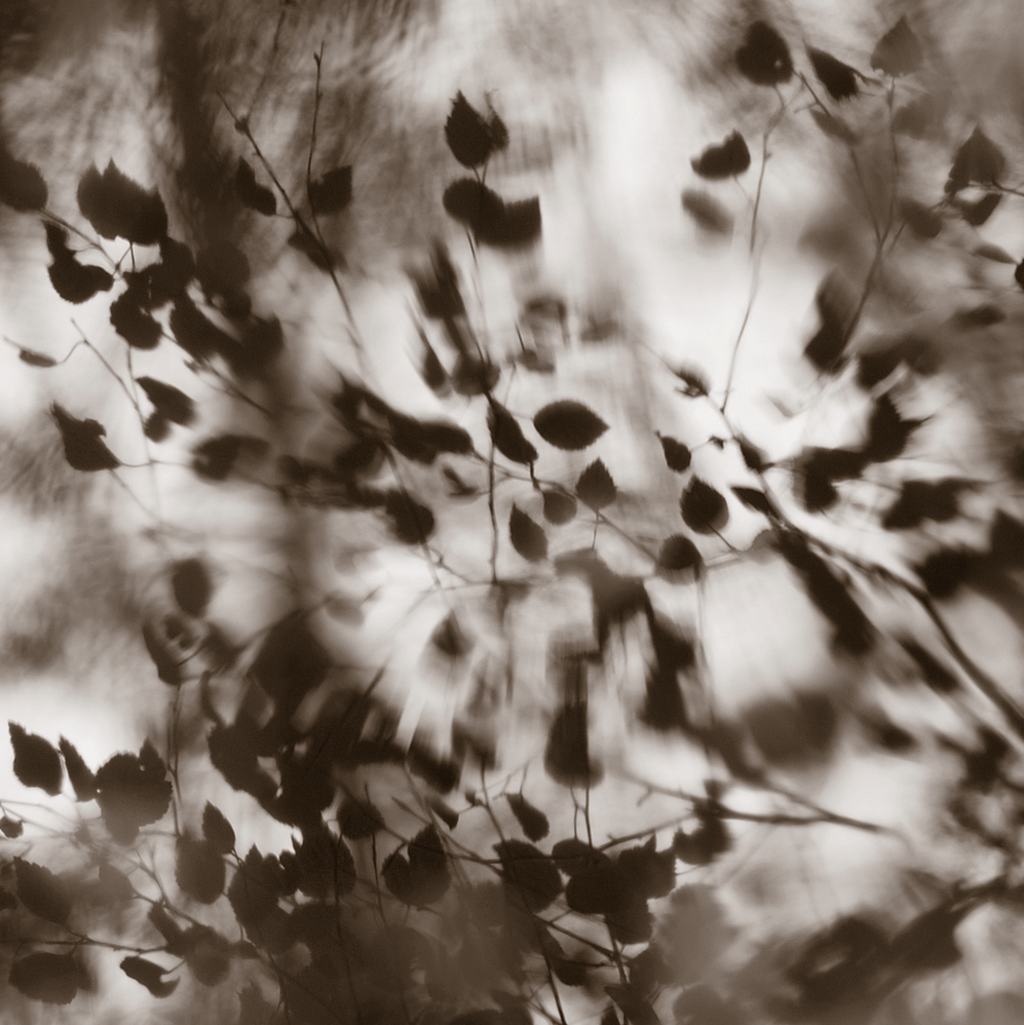
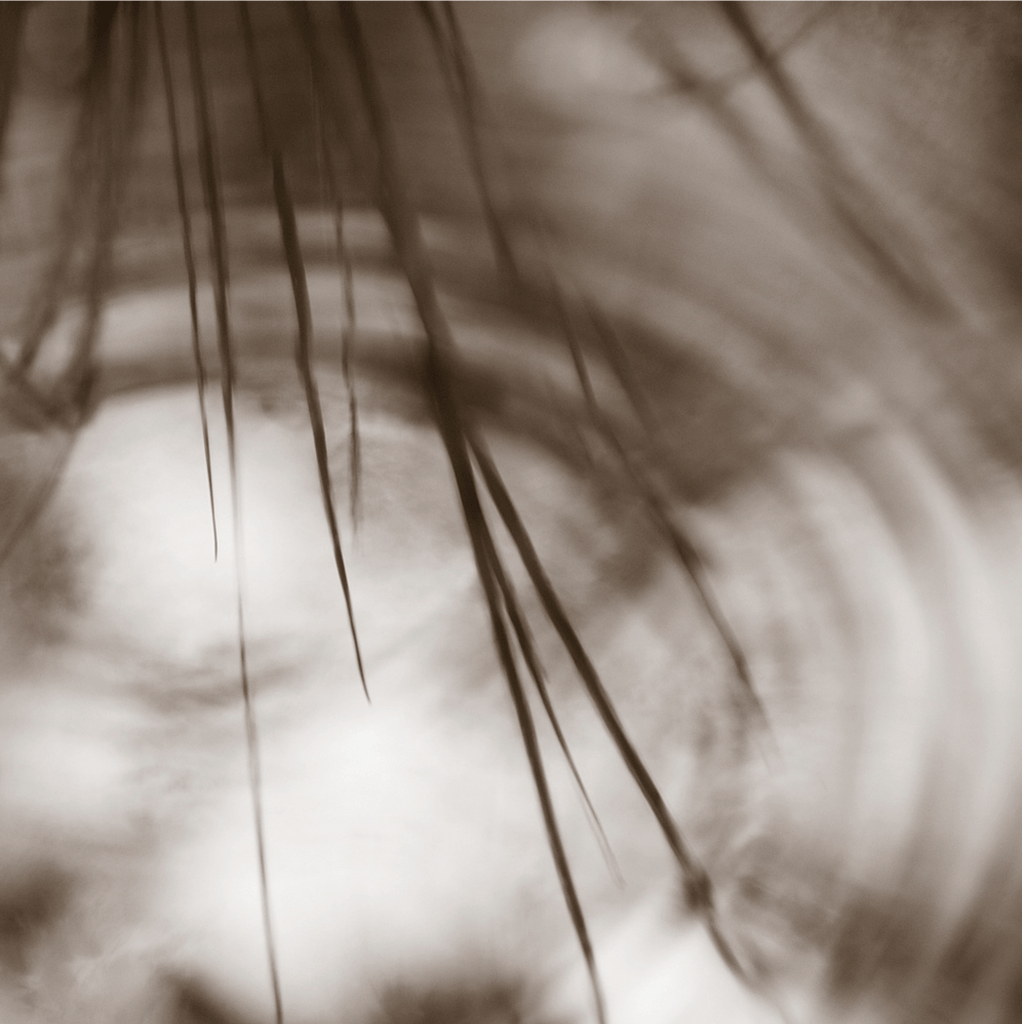
The resulting photographs are like a labyrinth of flora, with a mix of sharply detailed leaves & branches, sometimes shown in shadow or as reflections, some elements are very blurry within the frame as his shallow depth of field emphasises his close proximity to his subjects. You feel he has nestled himself in to his environment, which creates a sense of immersion and a meditative aspect to the work. He says himself that ‘By singling out and focusing on individual elements, these complex and competing patterns are simplified and a sense of depth created‘ (https://iain-sarjeant.format.com/the-pool) which is a useful quote to think about when making my own work.

I recall the work of Nicholas Hughes and Susan Derges, both of whom I researched for 7803. I was immediately drawn to the ambiguity in their work. Both very different; Hughes photographs beautiful scenes of trees, undergrowth and foliage, then overlays the image with a nightsky for example. Derges makes photograms by submerging photosensitive paper in her local river at night, releasing a flash, resulting in a photograph of the ‘underneath’ ie just below the surface of the water. I see similarities between all three in these photographs by Sarjeant. I think it is the way that the light on the surface picks up the ripples in the water and the patterns made by the leaves and grasses seem to resemble Hughes’ work. It is difficult to know which way is up, which makes them ambiguous. I like this work a lot, it is an aesthetic and working method (contemplative, repeated study of a place) that resonates.

Marjolein Martinot

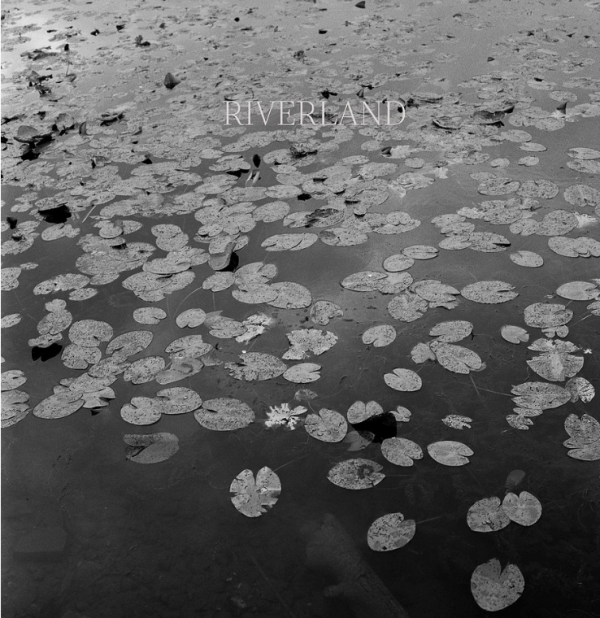
I came across Dutch photographer Marjolein Martinot’s Riverland project via an interview with Ben Smith, A Small Voice podcast and when I searched for her online, I immediately felt as though she visually ‘spoke my language’. Her latest book “Riverland’ is highly evocative of the time spent at the waters edge for me and my family. Not only for the photographs that I have taken for this final project but in countless other examples, from sea and mountain holidays abroad, visiting family in France spending time in wild spaces. The themes are so closely aligned, the difference lies in skill or at least, stage of career. I believe I can create work at the same meaningful, awe inspiring scale.

Martinot is great friends with Vanessa Winship and credits her with being a significant inspiration. I can see the similarities especially from Winships projectshe dances on jackson. However, I think that Winships photography is more journalistic in style, Martinot’s is more personal and poetic. I don’t think its overly sentimental as there is a depth to her images beyond this. I also see a Sally Mann influence in her broader body of work and she discusses this influence in in the Smith interview. She reflects on her creative practice as a mother of 6, she explains the difficulty with balancing her time and energy and that she has to take herself off to be creative, I find this relatable. If I am home, I find that the other jobs seem to win my attention. It is a discipline to gather equipment up and head out, its certainly something I need to do much more.

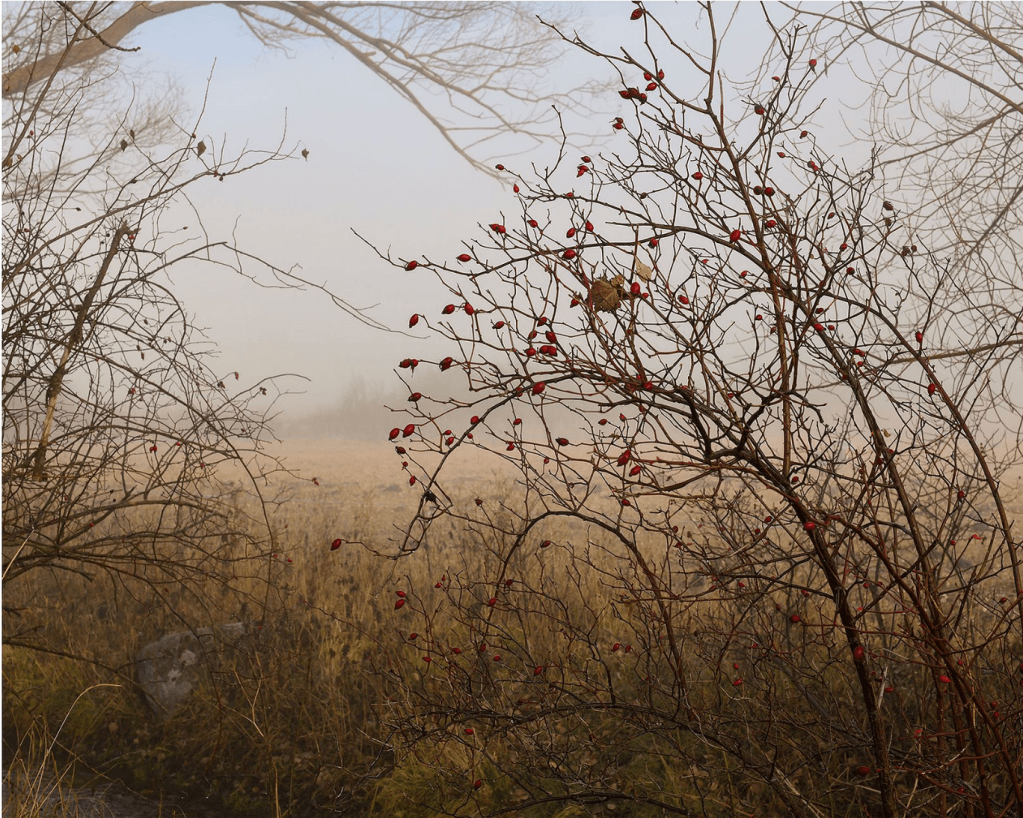
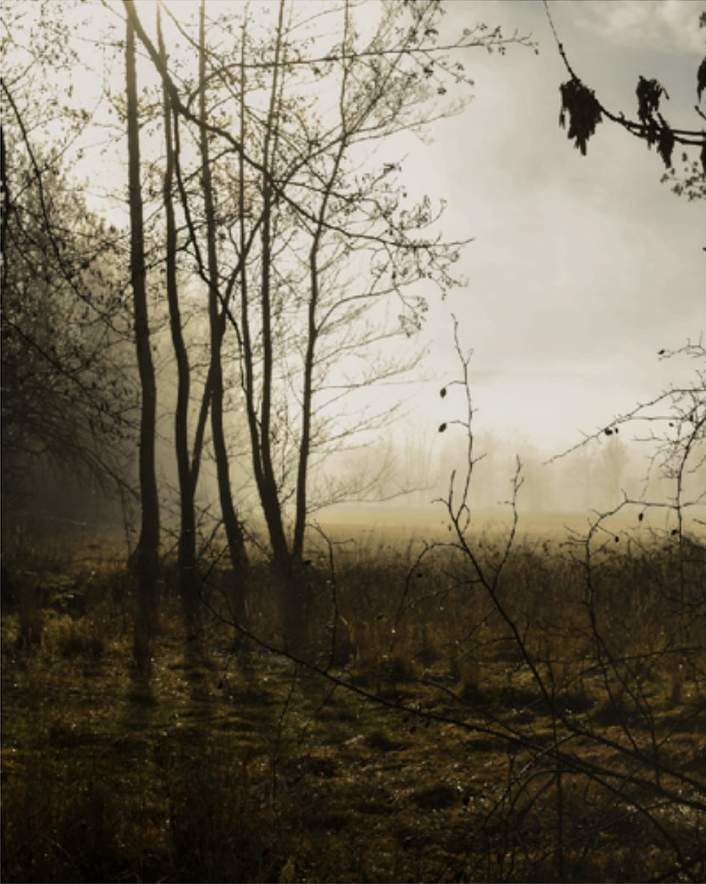
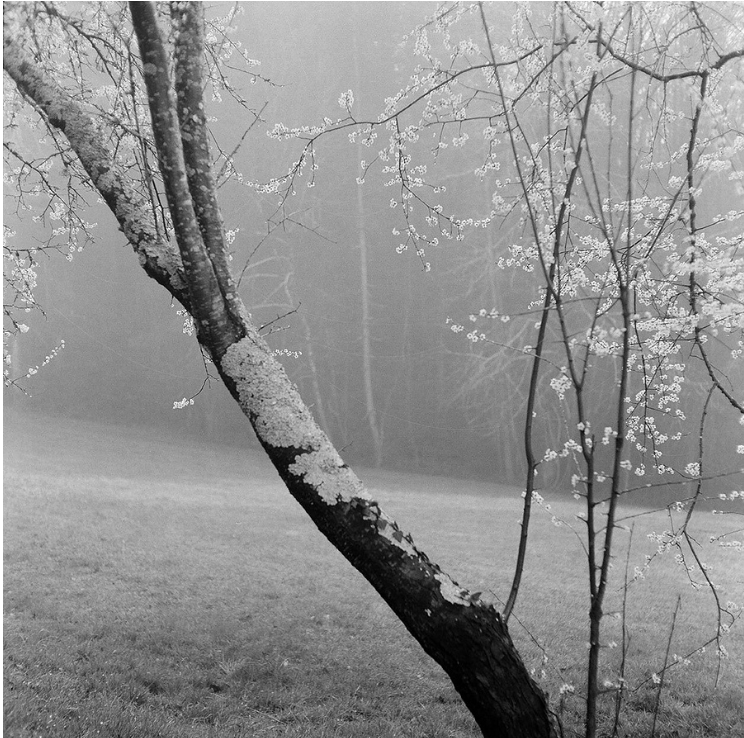
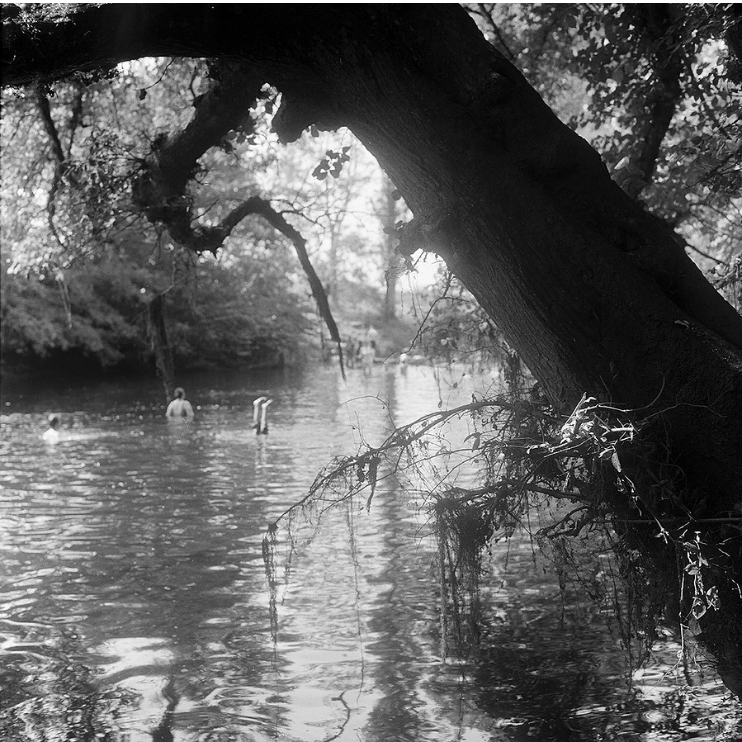
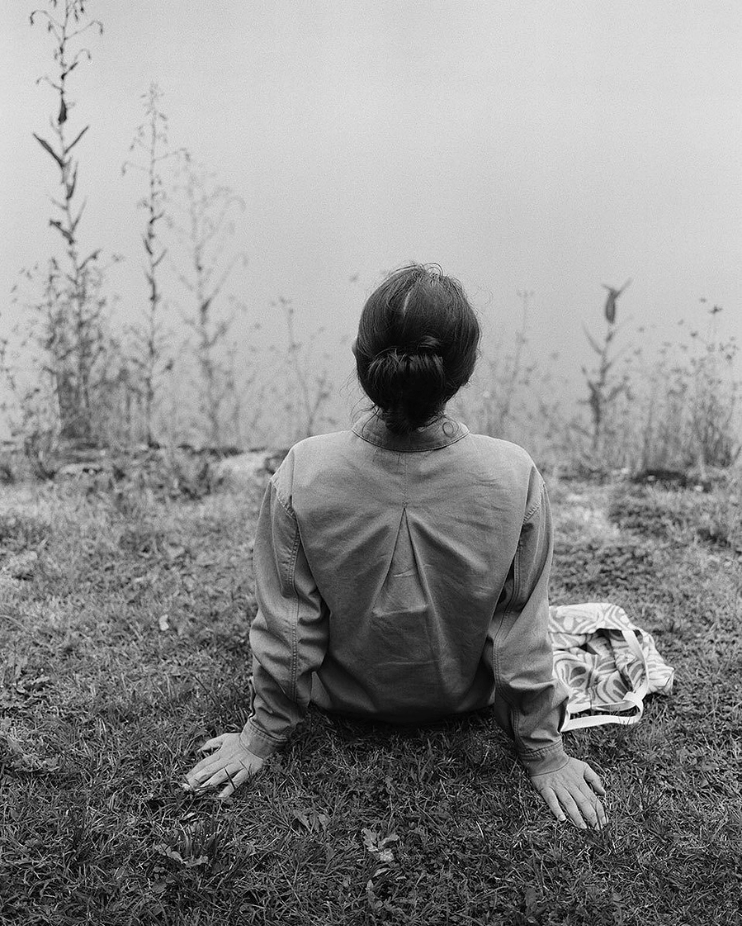
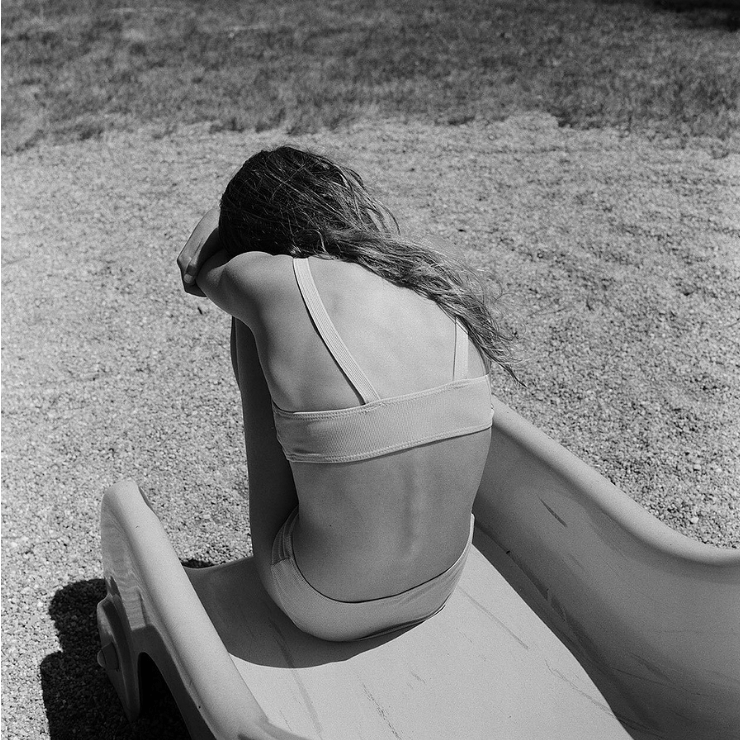
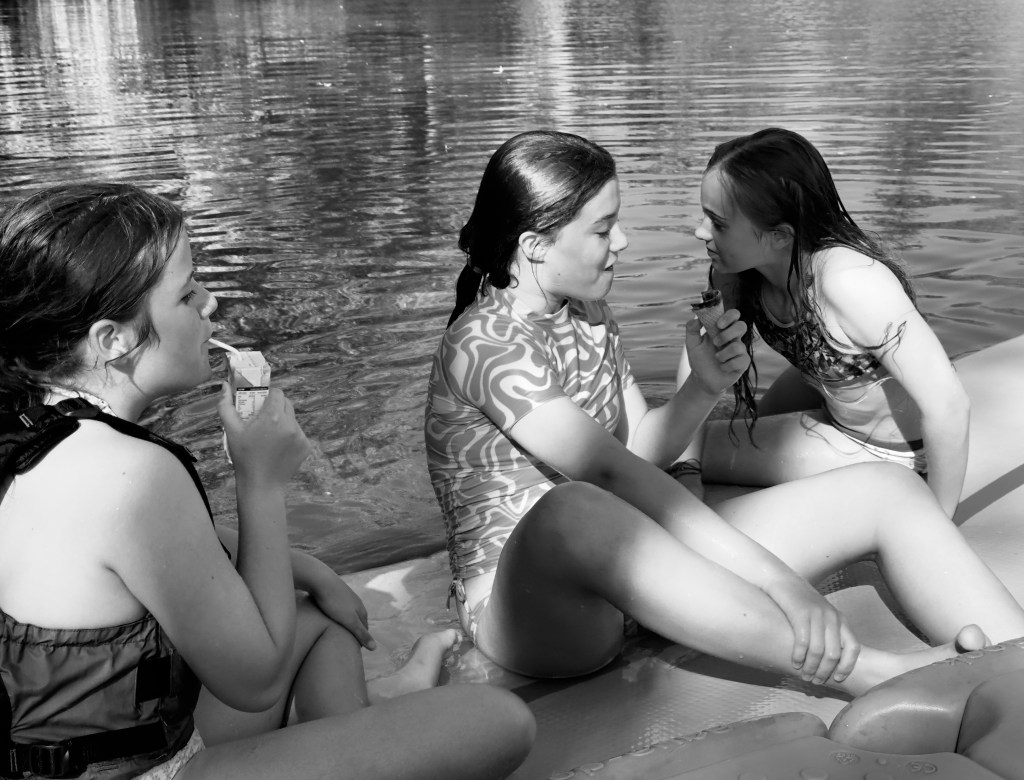
The black and white images I show above are from Riverland. The colour images are from a different projects and I have included them to illustrate the aesthetic quality that I admire. Riverland is an analogue project, using a Rolleiflex camera, that she started in 2020, when much of the world was in some sort of lockdown. The body of work consists of portraits and landscapes from rivers and waterways in France, where she lives. She regarded the river as a metaphor for life in the way it meanders and flows along.

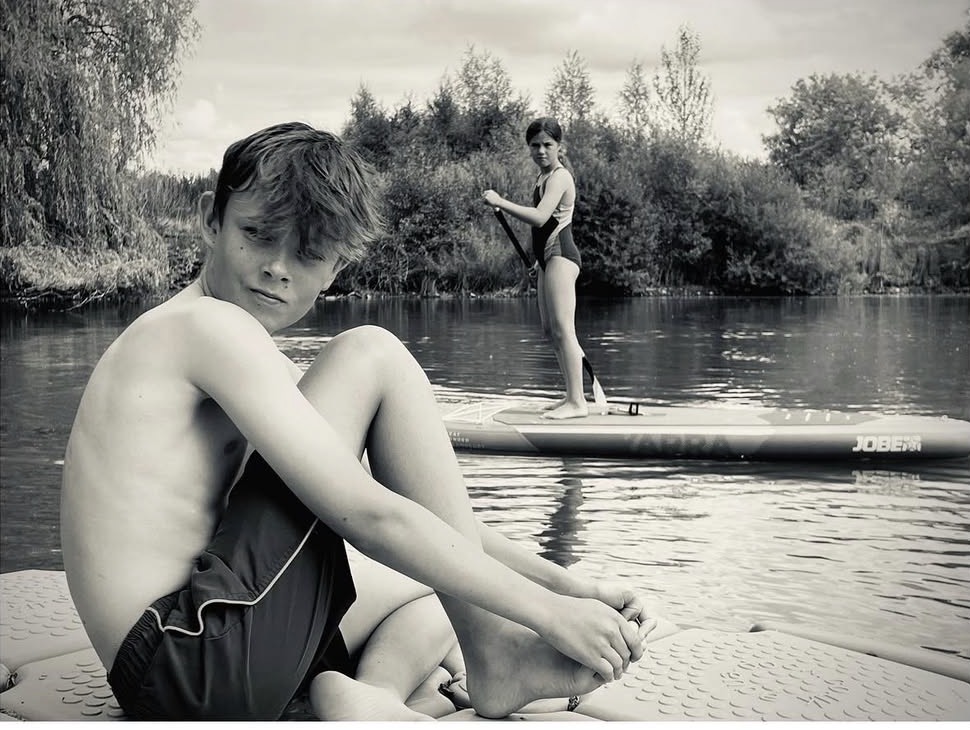
The portraits above are reminiscent of some of the photographs I’ve taken myself, these below at the lake in summer, technically there are of course vast differences but I’ve shown my photographs below to illustrate my point in terms of theme.

It is of course a different experience to take a photo of a stranger. She discusses this saying that she finds that aspect very difficult. This surprises me because she has so many beautiful examples of portraits in her catalogue and I would assume this would be something to avoid if its not a process you enjoy, however, I realise that the point here is to overcome this, to prevent it being a barrier to her own development. This is quite a realisation as I consider the ways in which I restrict my own development because of fear. Martinot talks about how she feels like she needs to rush because she has a sense of imposing on people, this is what I feel too but she explains that by talking to people as she works this removes that fear and it is becoming easier. I am mindful of this and I feel determined to challenge myself in the future when potentially creating photograph

This is a great article which is at the core of my subject: https://www.theguardian.com/artanddesign/gallery/2025/jun/11/down-by-the-river-a-meditation-on-mental-health-in-pictures