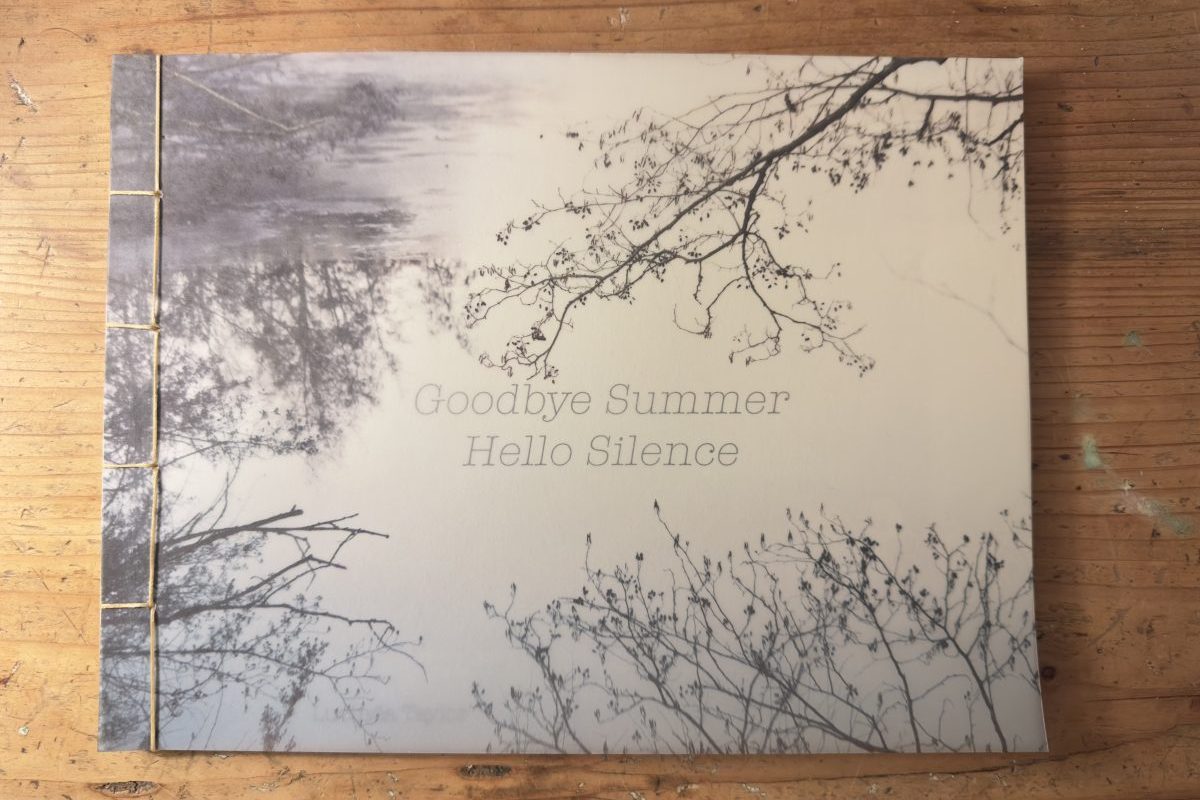
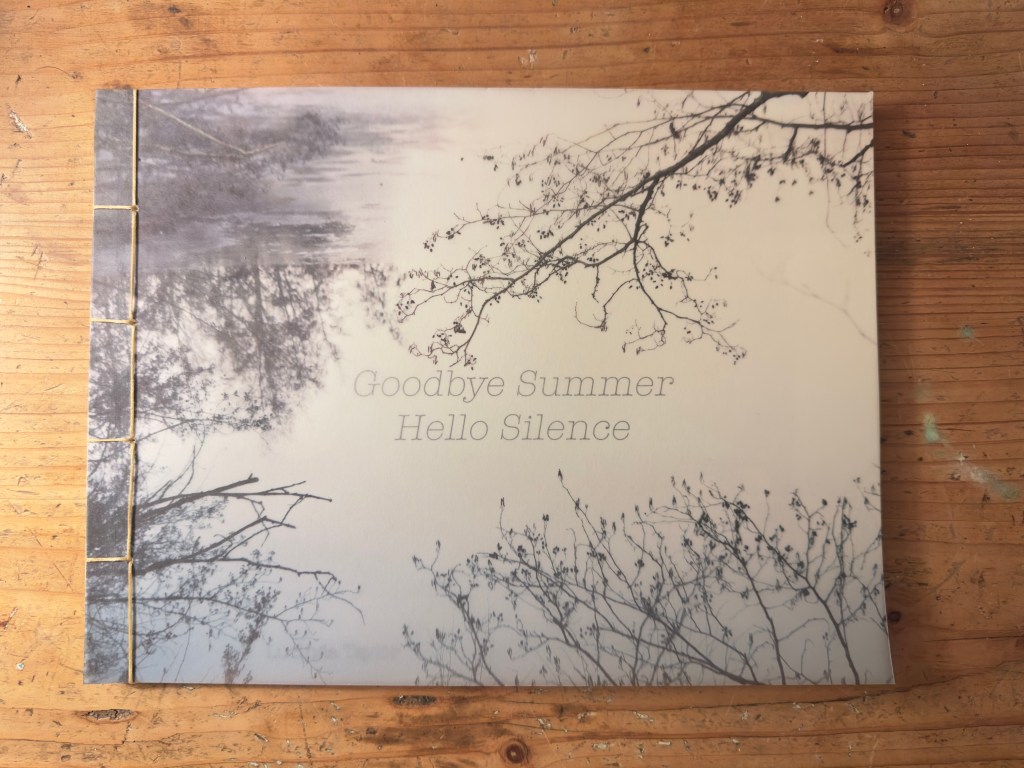
I am a prolific book collector. I find them to be objects in their own right and feature as such in my home. I love the way they feel, touch look and I am always intrigued by artist creators endless ideas for their artist books. For my final project I will produce a handmade book, possibly two; the project calls for a sort of ‘visual diary’ due to the volume of digital images that I have, it seems a shame to keep them out of sight for this and so I hope to create a simple tied book for viewers to see the extend of the ‘journey’ I’ve been on for this project. For my main submission, I will hand in an artist book, japanese bound (I like the visibility of this and it removes the need to fold pages)
Book examples & resources
- https://vikabooks.com/design/ – a commercial company – requested sample books from them. Specialist in photography / art book making and design
- The Book on Books on Artist Books ‘BOBOAB’ (A Desjardin) – full of examples of artists books – although all in black and white so necessary to explore any of specific interest, separately.
John Gossage – The Pond – ‘the ordinariness of pursuit’ (quoted in interview with Tim Carpenter online) :
TC: Right. So tell me more about straining versus inhabiting.
JG: In the book, the closest I came to straining was picture of shopping center parking lot with the light of God. That was the over-reaching picture. Can you ask more from the literature of the picture than you actually can support? That’s what Romanticism is, by definition.
TC: That makes me think of a similar idea that prose is descriptive of an experience, whereas a poem embodies the experience.
JG: Yes, and the trap of poetry is to overreach, which happens all the time.
TC: Perhaps that’s a nice note to end on. Let’s not overreach.
From what I’ve read on Gossage he steers clear of romanticism and overreach (as above) – his approach to making work is less pressured in that he doesn’t insist of ideas of perfection and instead tends to work on instinct – he isn’t ‘career’ centred and so this could be quite freeing in his approach? he doesn’t worry if his books are well received or not. He discusses how in The Pond, the narrative is about the pathways to the place and the different directions taken, the journey and the discovery, not necessarily perfect or ideal.
In Robert Adams essay on Gossage’s The Pond, he suggests the work is more about presenting us with natures reassuring simplicity – this is how I feel too, much of what I do is about its gentleness, peacefulness, calming qualities. The photos I take are about a feeling, a melancholy but also there is something like a dreamstate. His photographs also show litter as other elemewnts of chaos, to demonstrate a general disregard for the natural environment, although by no one in particular and he doesn’t appear to blame, but he wants it shown that there is a collective responsibilty here – I wonder about my own work and how I try hard to not interfere, leave untouched, the place I am in.
In a world of unresolved tragedy we thus cast about, and it is the visual arts, it seems to me, that best offer a place of quiet as they remind us of a mystery in the Creation, one that implies coherence but that does not make its way plain. (Robert Adams)
In ‘Photographers Sketchbooks’ (McLaren and Formhals, 2014: p254) Alec Soth discusses his book ‘Broken Manual’ which he describes as a non linear book – no beginning, middle or end. Fragmentary pictures – some are grainy, black and white, others very detailed and colour – intentional and meant to show a personality falling apart. He describes how he would put the images on a wall, much like a serial killer might! Could my own book be a challenge of my own rigidity when it comes to being uniform, perfect? He says that he could have literally thrown the photos in the air and seen which order they landed in, to create his sequence. This is of course entirely dependent on the themes of the work as this might not work with something intended to be formal.
Process of sequencing
The decision to use or discard is challenging. I have looked at examples of artist books (of note, are those listed below) to see how best to proceed with this. As previously noted, photographers like Alec Soth and Ray Meeks have a fairly relaxed approach, in so far as they wait to see what they have before thinking about sequence.. ie its not a consideration when making the work.
Decisions on output
Which images to use – decision to make a digital ‘journal’ and then a more fine art, refined book as the accompaniment to the exhibited work.
Analogue only?
I have decided to print everything and see how the images might work together. Using the guidance I’ve had before, I know that this is often the best way to determine the ‘winners and losers’ as viewing only on screen can be so misleading. I think that ultimately I will end up with analogue sitting separately to digital images and I have decided that the submitted work will be analogue. Time permitting, I would like the digital work sitting alongside as a sort of diary / journal of this process. However, I am limited with my time availability so will need to organise this carefully to have a realistic chance.
My own experiments:
I made a couple of initial books up just to practice using indesign and see how I might sequence my work. I found the sequencing aspect to be quite daunting as I had so many to look at. Before I had made the decision to use my analogue images only, I split my work into categories and tried to mix the sequences between these.
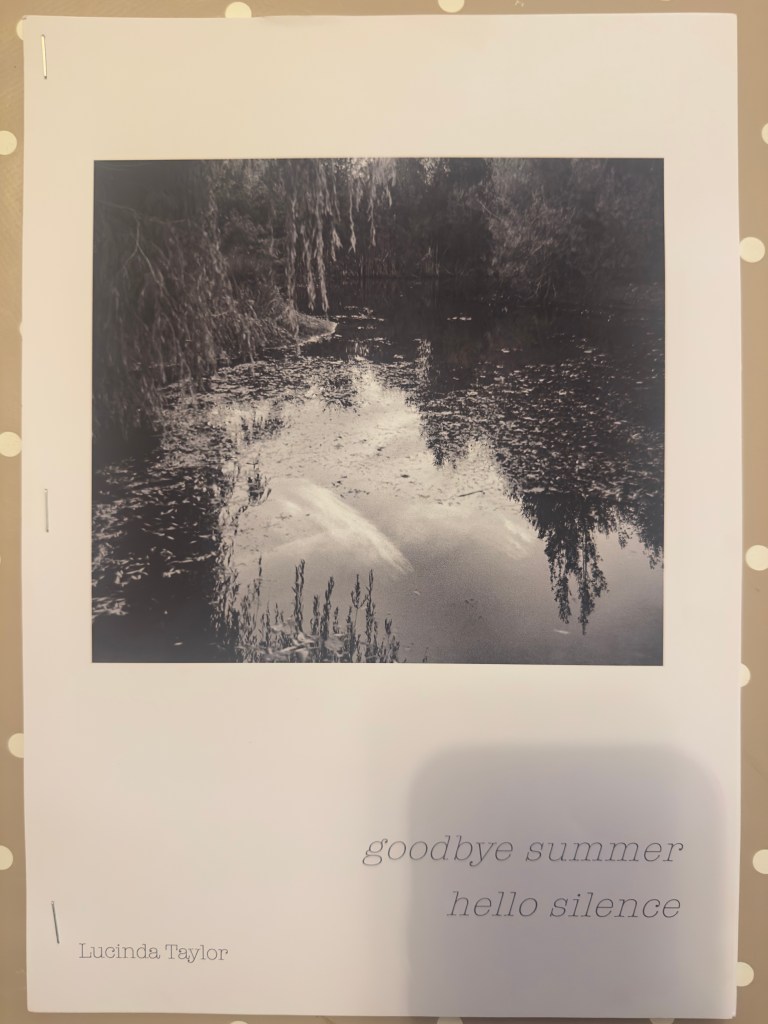
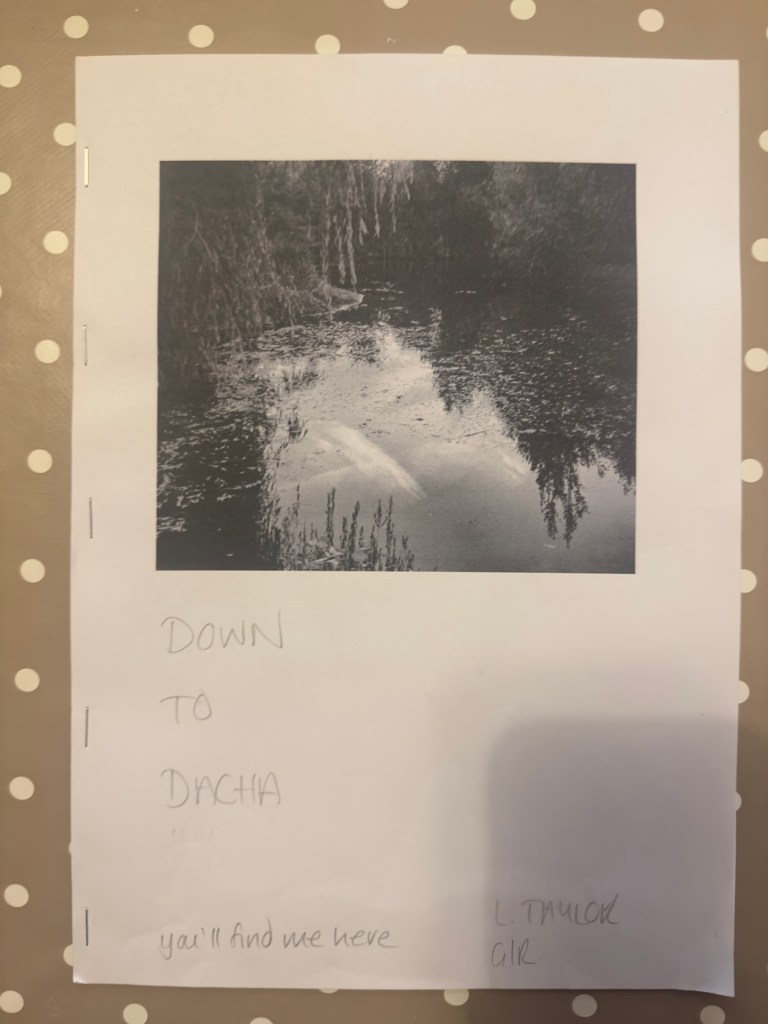
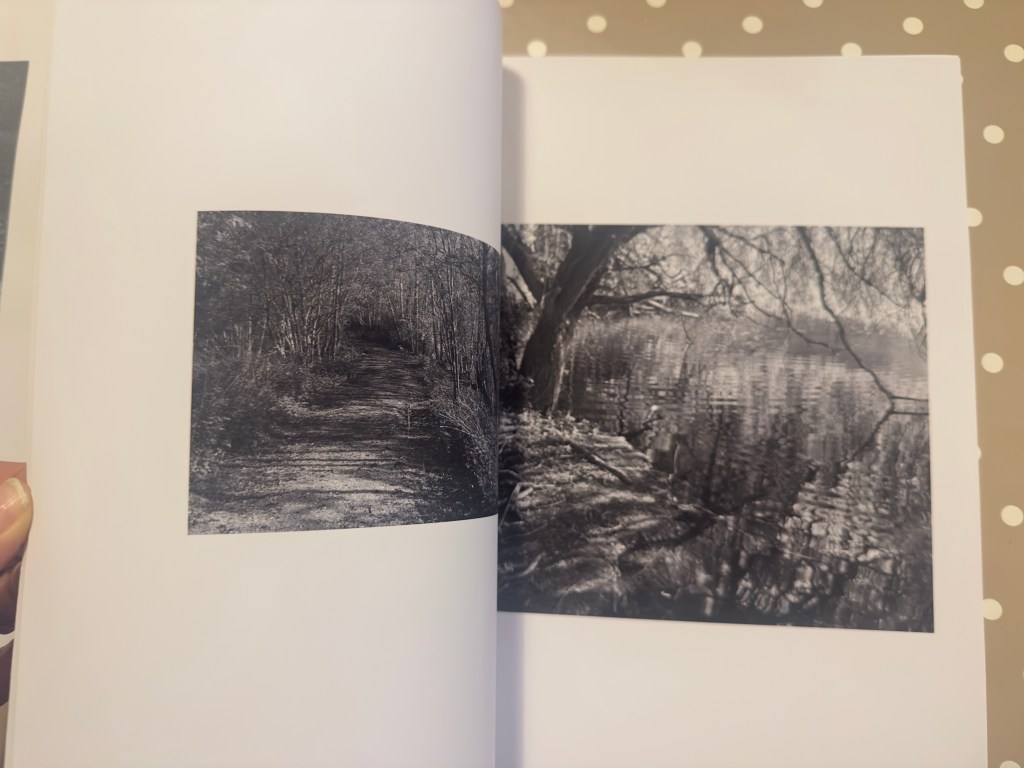
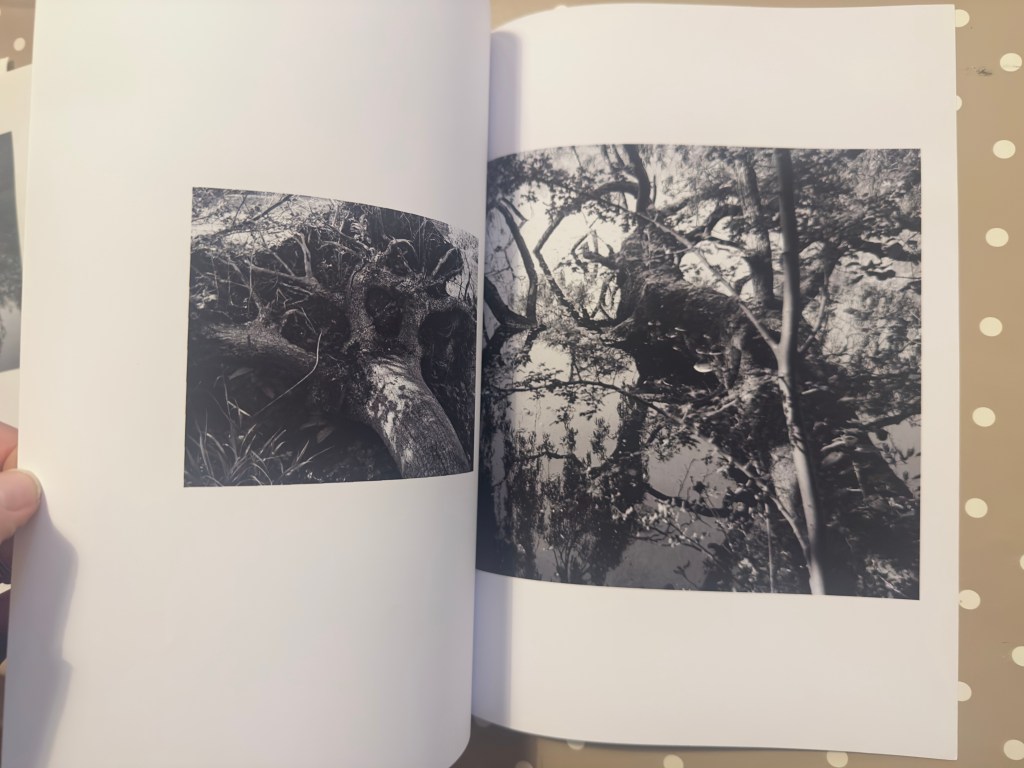
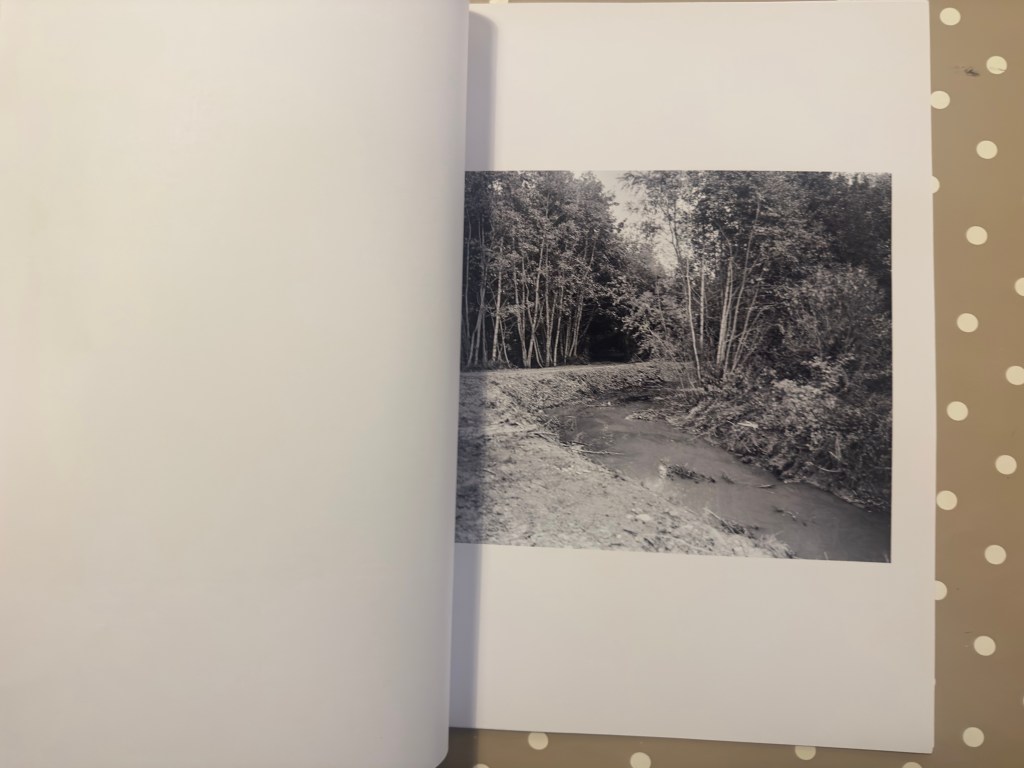
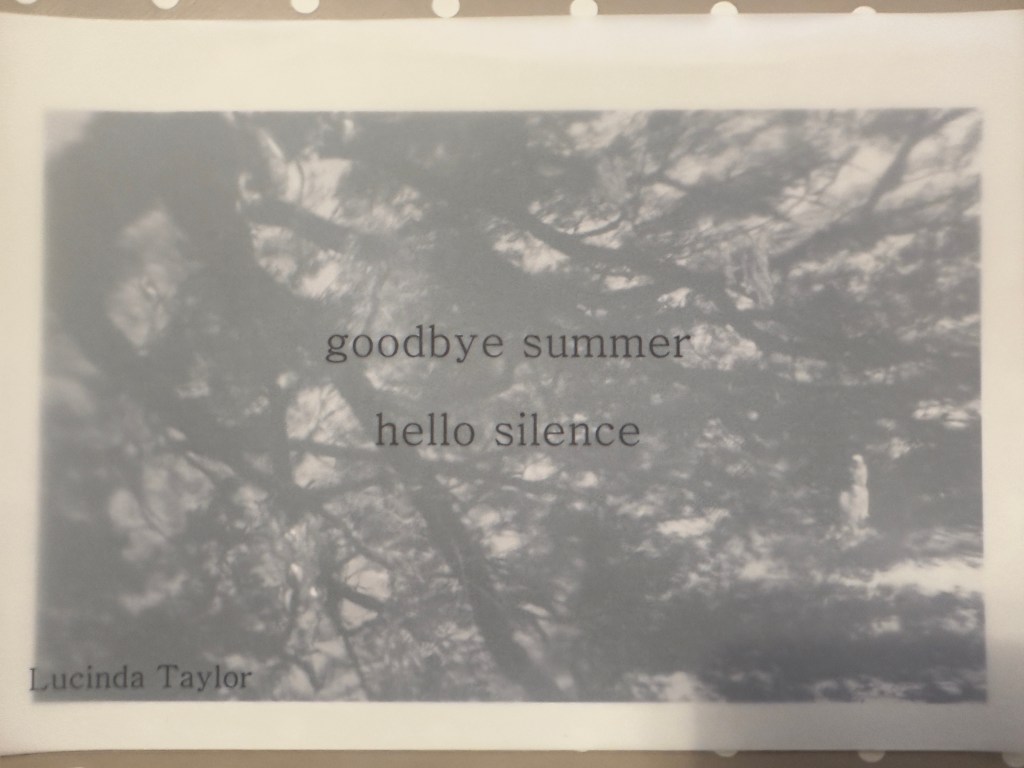
At one of my contact sessions at university we laid out the selection to that point (I continued shooting after this as didn’t feel I had exactly what I wanted image wise) and did a quick edit of work. This was helpful in so far as I could make instinctive decisions and not overthink this initial edit process too much.
Once my decision to use analogue images was made and to use a combination of colour and black and white, I created a mock up book. I originally intended to have images on some of the facing pages but on further discussion with our technician, we agree that the paper I wanted to use wouldn’t be suitable for this (it is one sided for printing) I would instead keep the facing page blank and have images printed in various aspect ratios, on the right hand page.
I have taken inspiration from a number of online sources for book making. In particular, I like the work of Lev Ladzyga. His work focuses a lot on a ‘zine’ type of book, which allows for a deconstructed, informal style. His bindings are sometimes made from wood or metal, more often than not, he binds traditional papers with Japanese style stitching. It is this which I like the most and will use for my own book. I feel it connects with a natural space, it feels more crafted and I don’t want the book to look as though it could have been made by a manufacturer. I am keen to ensure that it appears personal and cherished.
Here are examples of his work, from his website:
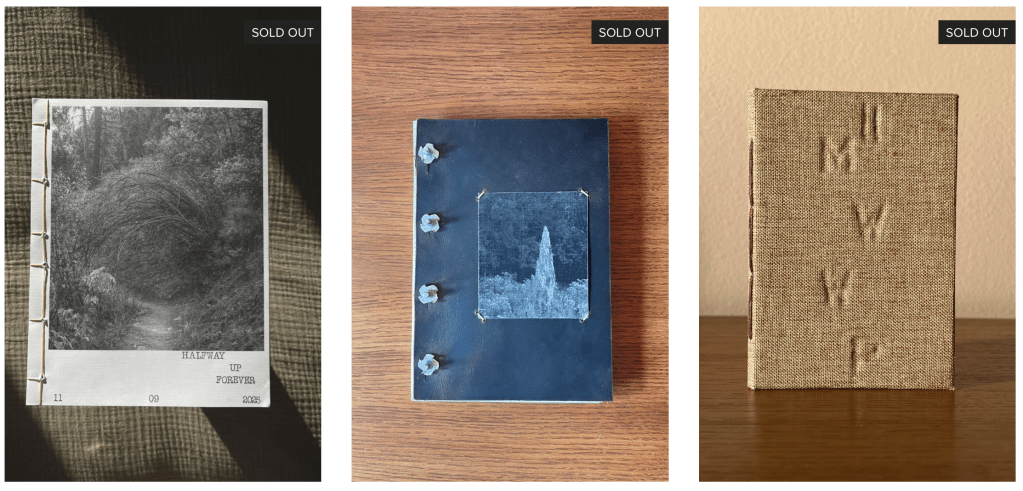
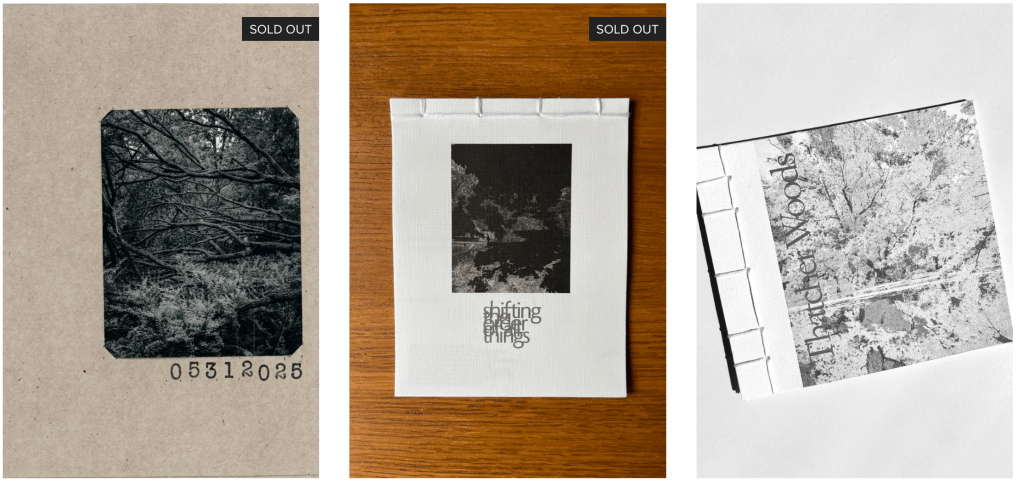
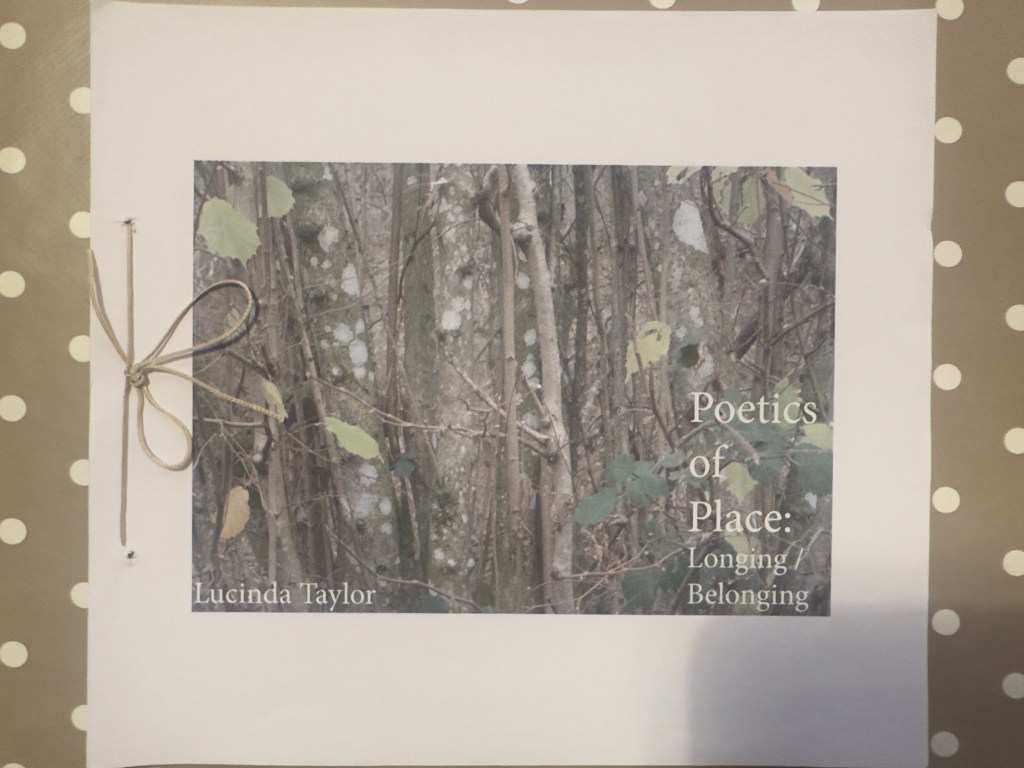
To finish the book, the technican pressed two pages of parchment together to create a thicker back and then once I’d cut it in the guillotine, I carefully lined all the pages up before marking out the holes on a template. I drilled the holes as it was too thick to use an awl:
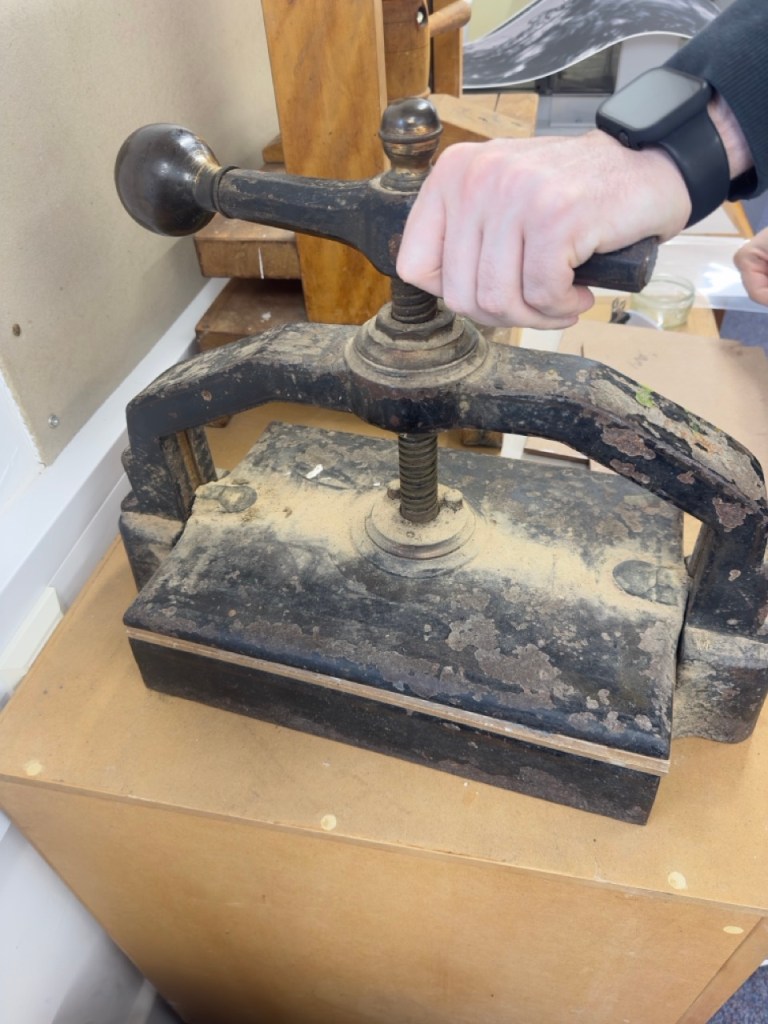
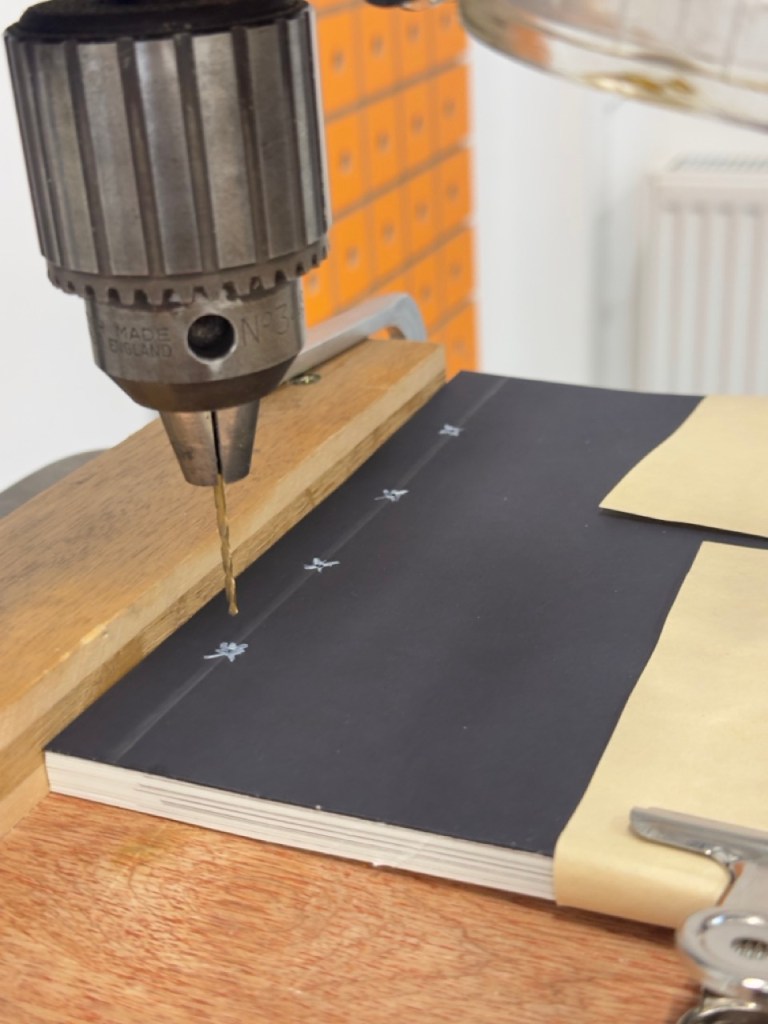
My finished book below: (I tried to upload a video but WP won’t allow this without a paid subscription!)
 Lucinda Taylor
One thought on “Research & practical: Bookmaking”
Comments are closed.