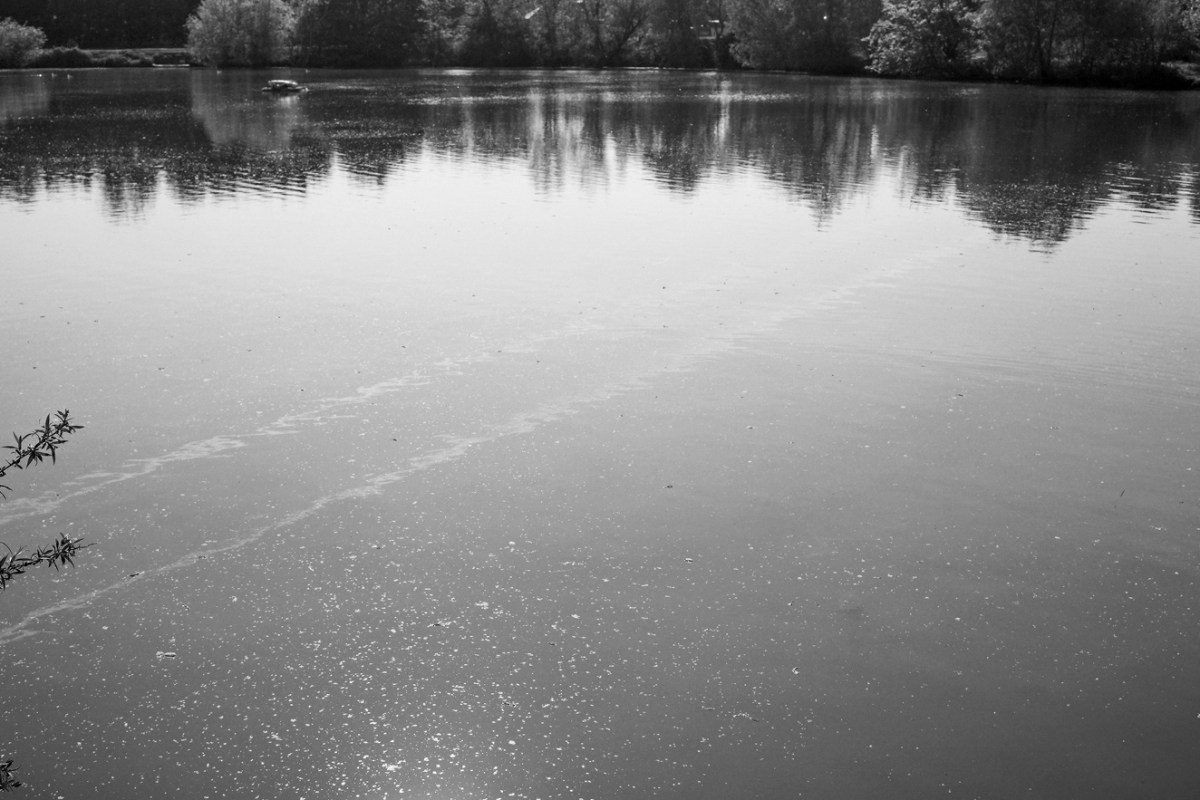
There is an overwhelming amount of information and inspiration relating to mindful practices, online and in print. I have tried to be specific in my research. The key readings, terms, critical theory listed here, have all influenced my work and offer some explanation for how I have arrived at this point for my final major project. My hope is that the project will be a clear culmination of all my research and practice so far. Much of the critical theory I have researched and written about before and therefore I won’t repeat myself, although I have detailed my previous essays and blog entries where relevant below, as these writings continue to inform my practice.
Key readings and terms:
- Miksang: Tibetan term, meaning ‘pure eye’ in relation to contemplative photography – to see without overlays of meaning and value. Without judgement or opinion, ie no association or preconception
- Epoché – Edmund Husserls word for a suspension of judgment, a pause in our habitual thinking, the aim being to see things just as they are. This term is often debated but regardless, it serves me well in trying to remove the thoughts crowding my mind
- John Berger Ways of Seeing (in relation to Magritte’s Key of Dreams) ‘Cultural Construction’ Sense of sight: seeing comes before words. We are culturally conditioned to see the world with descriptions. I have used this to demonstrate what I am trying to push back against.
- Wabi Sabi – Japanese philosophy that celebrates the beauty and simplicity of imperfection and transcience
- Henri Cartier Bresson – The Decisive moment. described the act of photographing as an intuitive and contemplative gesture.
- Mindfulness and Psychotherapy – Christpher Germer, Ronald Siegel, Paul Fulton
- Jon Kabat Zin – Mindfulness based stress reduction (he introduced mindfulness practices into medical, educational and personal conexts in the West)
- Herman Hesse ‘Siddhartha’ – a novel about a man on a spiritual journey of self discovery, themes of religion (buddhism) and mindfulness throughout.
- Notions of Home – Lucinda Taylor. (see file below and also in seperate post) This is my autoethnographic essay for Research and Context. I have added it here as it contains much of the critical theory that has informed my practice to this point. Although I have referenced some of this theory again (below, in other areas of the blog and in my reflective essay) I’ve avoided repeating too much of what I have done previously.
Critical writings (ongoing study and analysis) essential reading for my theme
- The Perception of the Environment – Tim Ingold – Previously studied for 7801 and 7803, section on The Temporality of the Landscape – he determines that Landscapes are not things we look at but worlds we live in. They are shaped by movement, memory, work, and natural processes over time. To understand a landscape, we must attend to its temporality—the rhythms and practices through which it continually comes into being.
- Christopher Tilley – A Phenomenology of Landscape: places paths and monuments – Tilleys work aligns with the views of Ingold, in so far as he argues for landscape being an emodied experience – we engage with it through being in it; walking, seeing, sensing & hearing. Landscape is an experience, not just an observation, it becomes known through sequences of movement and memory with its past shaping its present and future in our minds. These ideas validate my own experiences and I know that the photographs I am making, are my attempt to convey this view.
- Martin Heidigger
- Buttimer and Seamon
- Edwards Relph
- Yi Fu Tuan
- Maurice Merleau-Ponty – phenomenological idea that we perceive the world not from a detached point of view but from the centre of it, through our moving, sensing, breathing selves (it is clear to see where Tilley has been inspired) The body is simply a bridge between self and world.
Key quotes from critical theory
In relation to how an otherwise unconnected space becomes something more personal, Yi Fu Tuan states that space becomes place through experience, memory, and attachment (ref). By understanding that identity is created through repeated encounters of places, i.e. the landscape that I grew up in, I have some explanation for my initial question of why I am so drawn to the landscapes described above.
Landscape is an ideal construct in which to analyse the self. ‘…the most optimal occasion for meditating on the unity of the self . . . Landscape, in this way of thinking, is an exemplary encounter with subjectivity’ (DeLue and Elkins 2008:103)
To further this, in ‘Place and Placelessness’ Edward Relphs writes ‘Home is the foundation of our identity as individuals and members of a community, the dwelling-place of being. Home is not just the house you happen to live in, but an irreplaceable centre of significance’ (Relphs online)
Using simple but well known methods to ground ourselves in a subject, utilising the well know Buddhist philosophy of a ‘beginners mind’ enables us to notice beauty and close out the world around and be authentically present, recognising the simplicity.
Example of Phenomenological writing – ‘I sat on a rock and ate cheese sandwiches – and thought I was perfectly happy, It was so huge. And so wild and so empty and so free.…And there, quite suddenly and unexpectedly, I slipped a gear, or something like that. There was not me and the landscape, but a kind of oneness; a connection as though my skin had been blown off. More than that – as though the molecules and atoms that the rest of the world is made of. I felt absolutely connected to everything. It was very brief, but it was a total moment…. This ‘gift’ is experienced as both integrative – the whole self engaged and known to itself, to the subject, in quite a new way – and as connecting that self to something larger’ (Maitland: 2008, p63)
 Lucinda Taylor
One thought on “Landscape, Mindfulness and Photography: list of key readings, terms and quotes relating to theme.”
Comments are closed.