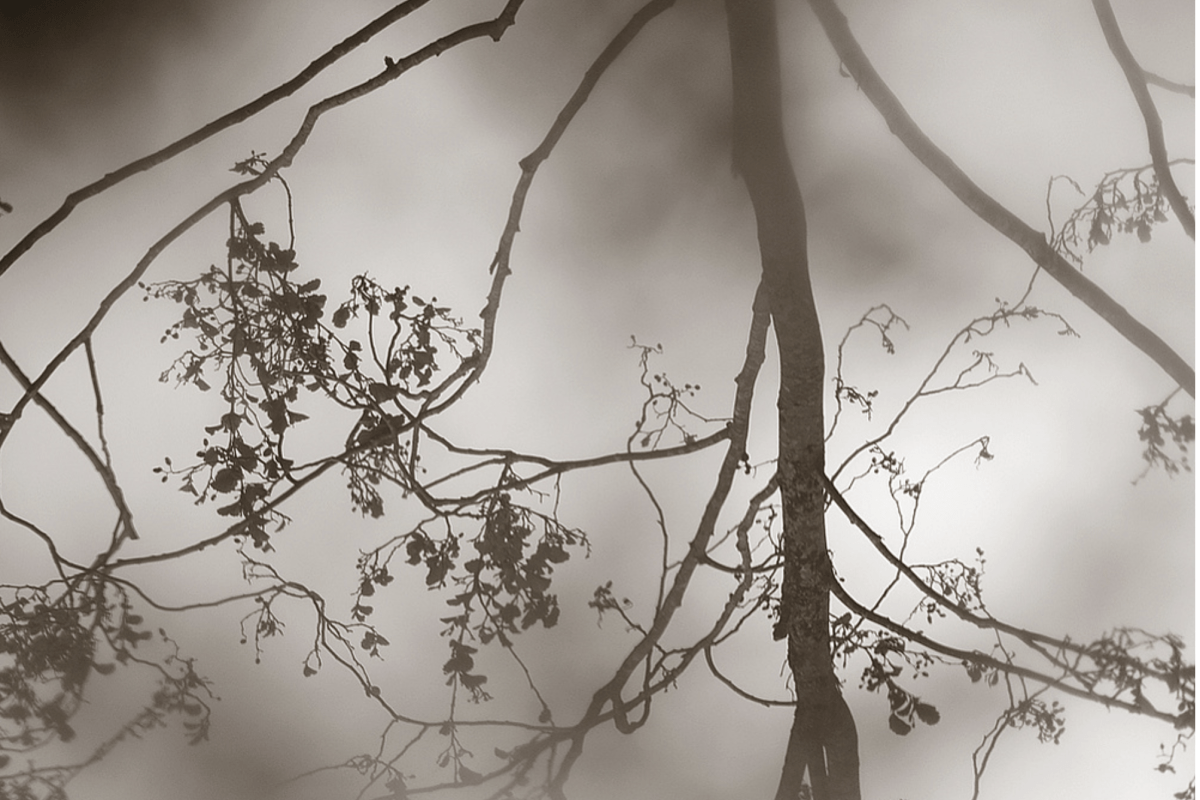
Iain Sarjeant’s project ‘The Pool’ centres around a small pond in his garden. The body of work he produced from this, are a series of close, detailed shots of selected elements of the pool. I think he successfully presents his subject beyond the ordinary by giving time and patience to his process.
The resulting photographs are like a labyrinth of flora, with a mix of sharply detailed leaves & branches, sometimes shown in shadow or as reflections, some elements are very blurry within the frame as his shallow depth of field emphasises his close proximity to his subjects. You feel he has nestled himself in to his environment, which creates a sense of immersion and a meditative aspect to the work. He says himself that ‘By singling out and focusing on individual elements, these complex and competing patterns are simplified and a sense of depth created‘ (https://iain-sarjeant.format.com/the-pool) which is a useful quote to think about when making my own work.
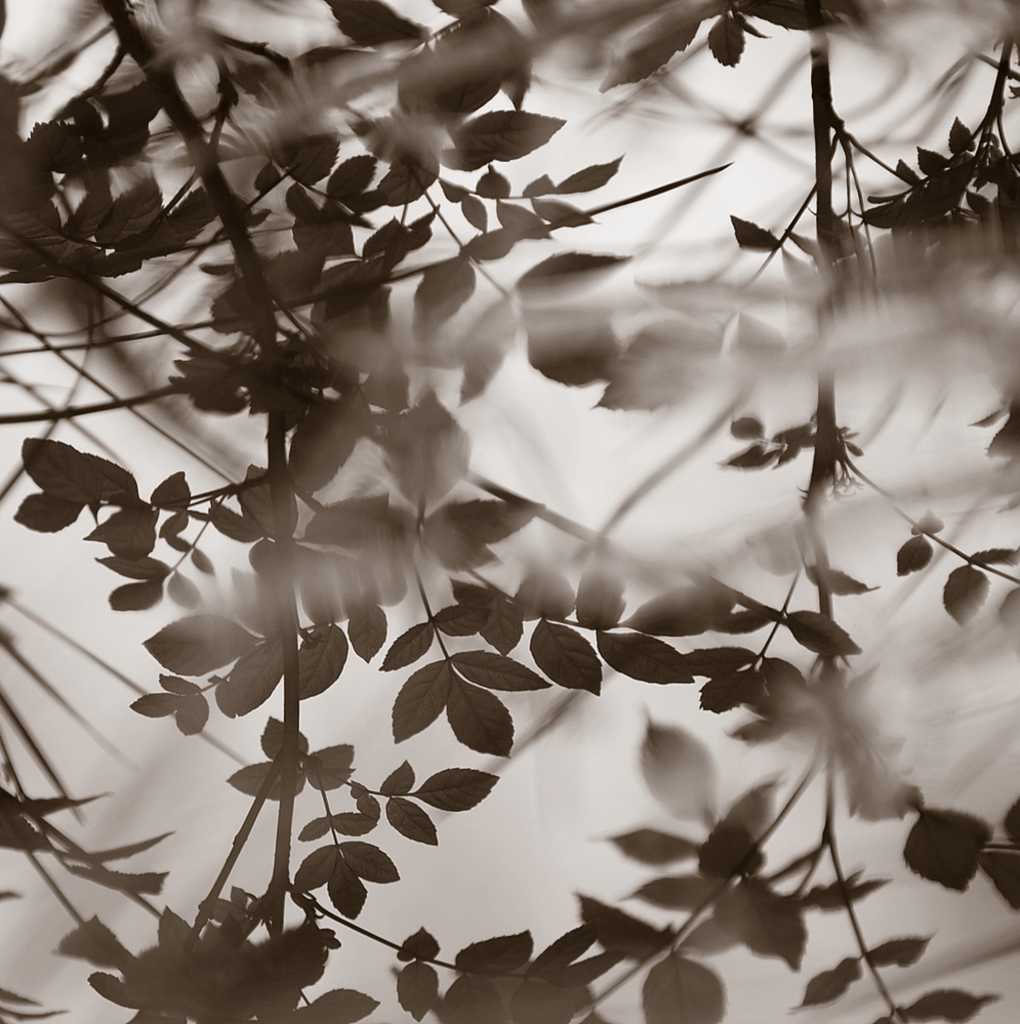
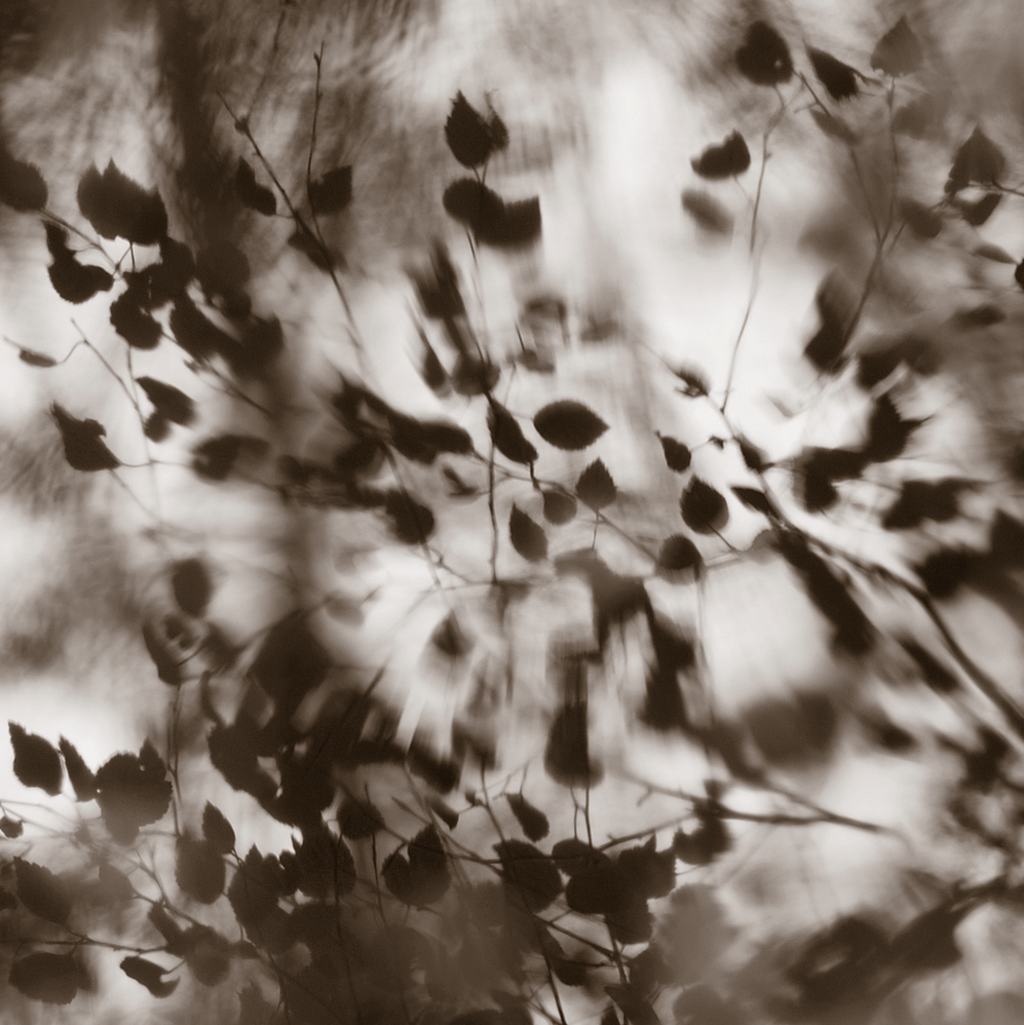
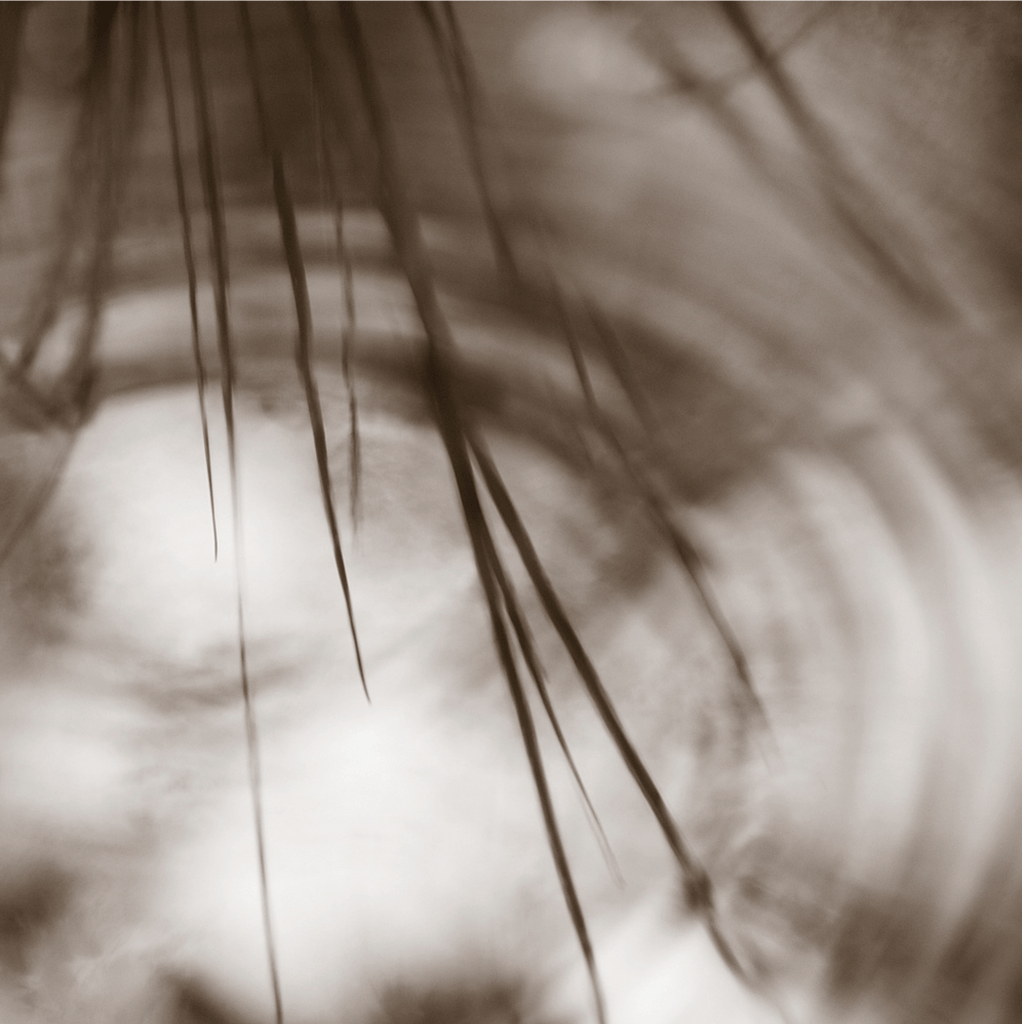
I recall the work of Nicholas Hughes and Susan Derges, both of whom I researched for 7803. I was immediately drawn to the ambiguity in their work. Both very different; Hughes photographs beautiful scenes of trees, undergrowth and foliage, then overlays the image with a nightsky for example. Derges makes photograms by submerging photosensitive paper in her local river at night, releasing a flash, resulting in a photograph of the ‘underneath’ ie just below the surface of the water. I see similarities between all three in these photographs by Sarjeant. I think it is the way that the light on the surface picks up the ripples in the water and the patterns made by the leaves and grasses seem to resemble Hughes’ work. It is difficult to know which way is up, which makes them ambiguous. I like this work a lot, it is an aesthetic and working method (contemplative, repeated study of a place) that resonates.
 Lucinda Taylor