A contemporary interpretation of photography’s earliest techniques
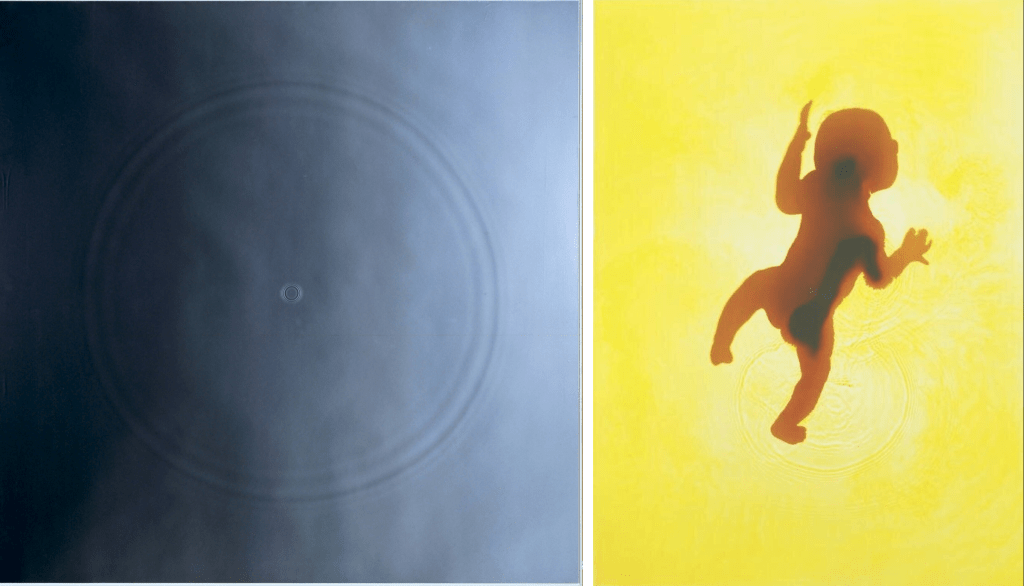
Left to right: ‘‘Ark, 1990′, photograph by Adam Fuss. “Invocation’ London, dye destruction print, by Adam Fuss, 1992.
I first came across the work of Adam Fuss last year when I visited the Fragile Beauty exhibition at the V&A in London. This was a selection of Elton John and David Furnish’s collection of photography, shown from May 2024 to January this year. In 2011 they commissioned Fuss to create photograms of their infant son, Zachary and again in 2013 of their second son, Elijah. Presumably this was having seen his earlier work in a similar subject (see ‘Invocation’ above) Fuss created these by laying unexposed photographic paper at the bottom of shallow pool of warm water. David or Elton placed each of their sons in the water and Fuss activates a flashlight to capture the silhouette on the paper. It hasn’t gone unnoticed that the images appear to show the children as immortalised in a sort of baptism. Fuss always uses metaphor in his work and so this should be no surprise. The orange and yellow glow could represent bodily fluid and this could symbolise birth itself. There is a peacefulness to these images and it is their symbolism which I find very moving. Both John and Furnish are well known enthusiasts of photography and it is pleasing that they invest heavily in these works.
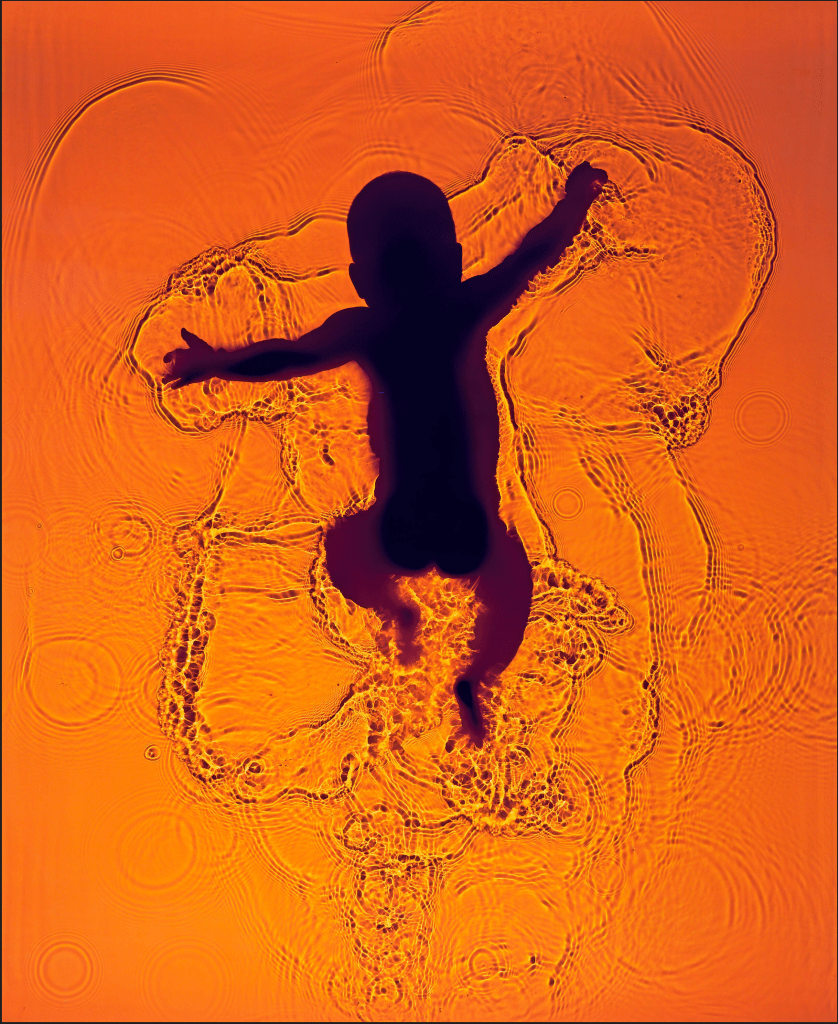
‘Zachry’ Adam Fuss. 2011.
Fuss himself talks about his exploration of a spiritual element to being alive (source: vam.ac.uk) and this is a common thread through his work. He also talks about how whilst a photogram might contain less ‘information’ than a standard photograph, it contains more intimacy and feeling. I suppose in the context of the photograph as object, he is arguably right, but I do think it also depends on the creators intentions for their work. I believe that intimacy and feeling can also be elevated in a standard image, for example, Sian Davey’s work which explores her own relationship with her young daughter and step daughter, however, I don’t think that is the context in which he is speaking.
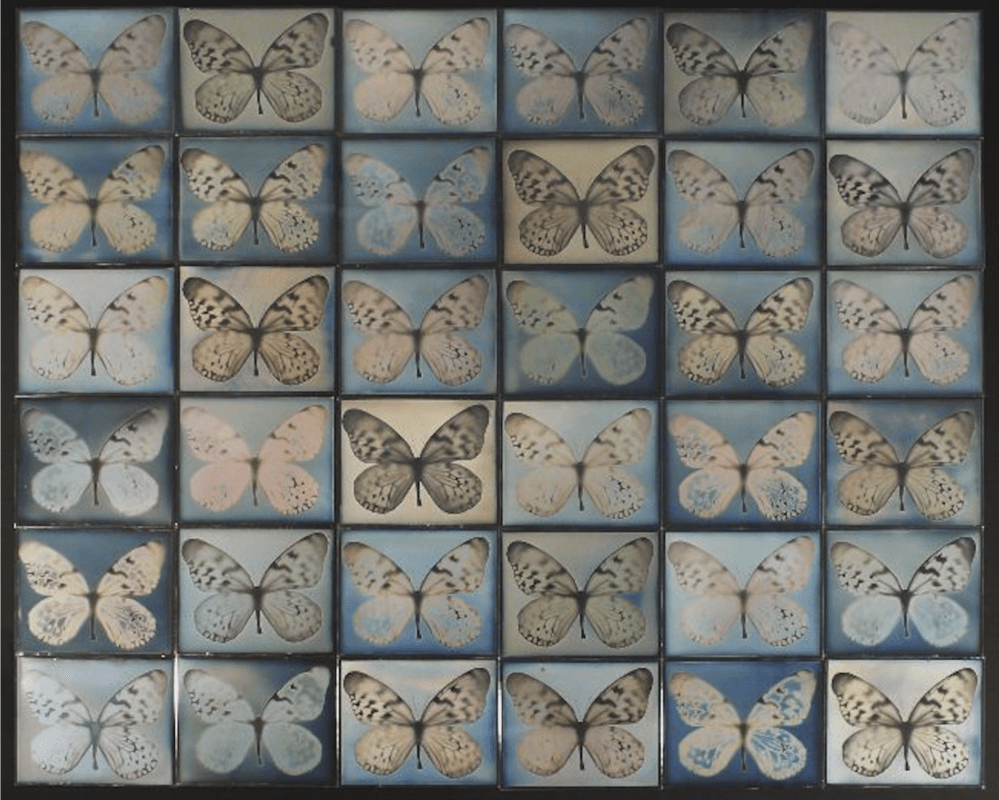
There is much discussion about the simplicity of Fuss’ work (subject matter, colours, materials) but they become complex when combined, fulfilling his inclination towards symbolism and metaphor. He manages to take the oldest, original processes and techniques and utilises them in unique ways to represent his subject in more contemporary times. My interest in Fuss’ work is in this ability to think beyond a literal representation. His work is highly experimental and this inevitably provokes curiosity and in depth discussion. The piece shown below is arguably the most well known of his daguerreotype images, highly reminiscent of a butterfly riker mount, used in natural history to display specimens, it is another example of his use of older techniques combined with other historical subjects.
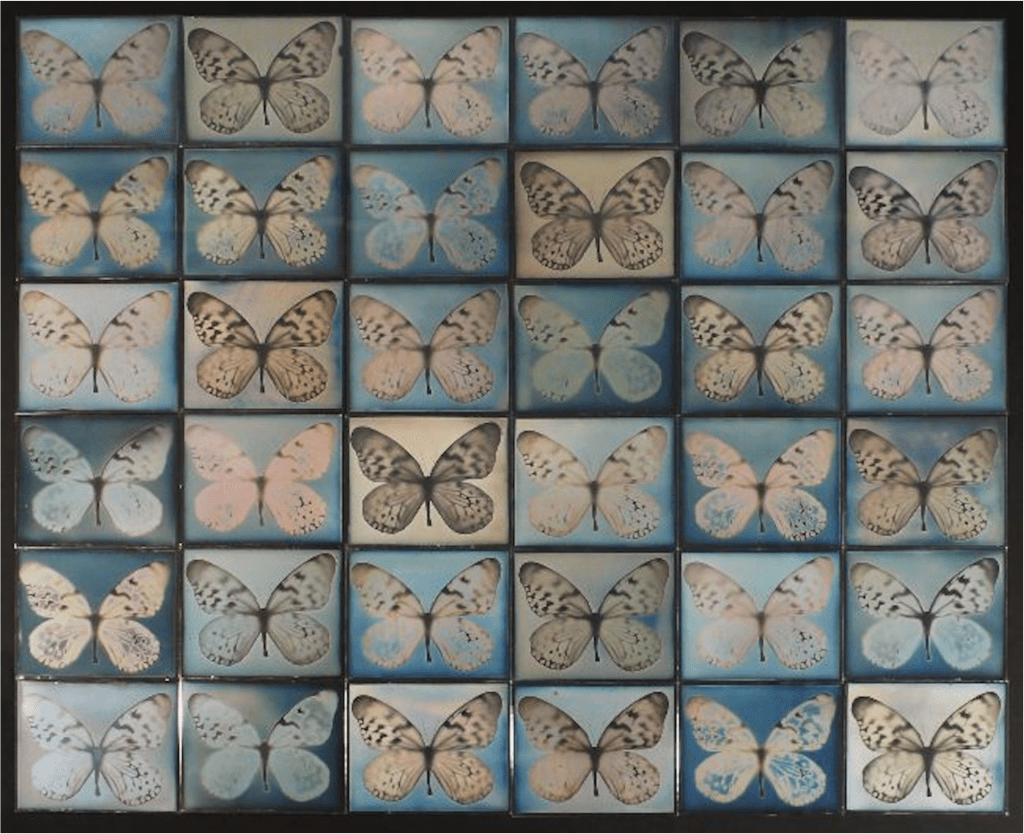
Untitled, Adam Fuss. 2012
In his ongoing exploration of the spiritual qualities of the natural world, water features heavily in Fuss’ work. As well as the silhouettes created from infants briefly immersed as above (he has also placed himself in a large tray of water) he has created images of snakes rippling across a shallow pool, glycerin drops creating concentric circles and huge photograms of ‘waterfalls’ as shown below:
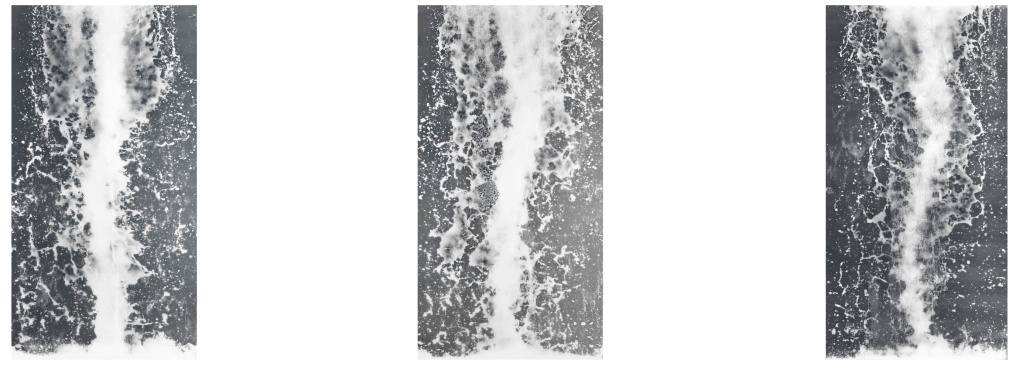
Logos, Adam Fuss 2015
Fuss’ inspiration for creating a series, Logos, focussed on waterfalls stemmed from an interest in the work of Japanese artist Hokusai. Fuss discusses how in each of his paintings, there are always people depicted, looking up in awe at the waterfall. From this he explores the idea around spectacle and how people will gather around to watch.
For the photograms shown above, he created a large rig inside a studio and then placed large sheets of photosensitive paper vertically, with a water tank above. He then coordinates a flash with someone opening a hatch in the tank, creating the effect of a waterfall.
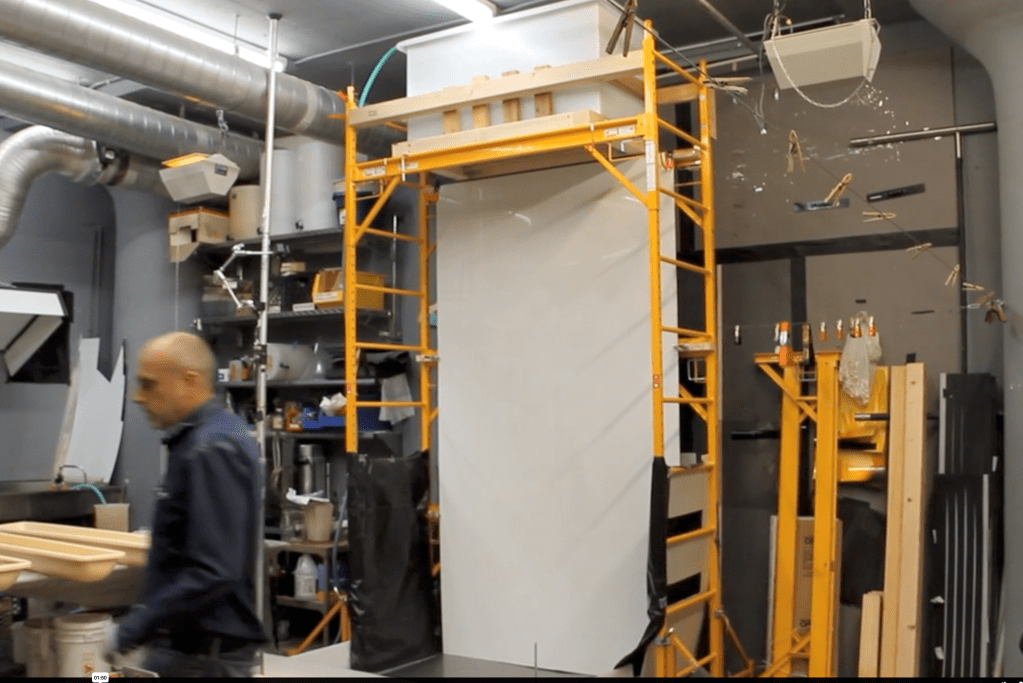
screen shot above from https://cheimread.com/exhibitions/59-adam-fuss/
I am reminded of just how much thought and effort goes into experimental work, there are a team of people working alongside to assist the artist in creating his vision and he admits its not exactly as he had in his head but that this is often the case and it is through experimentation that you discover things that you’d not envisaged. Often for the better.
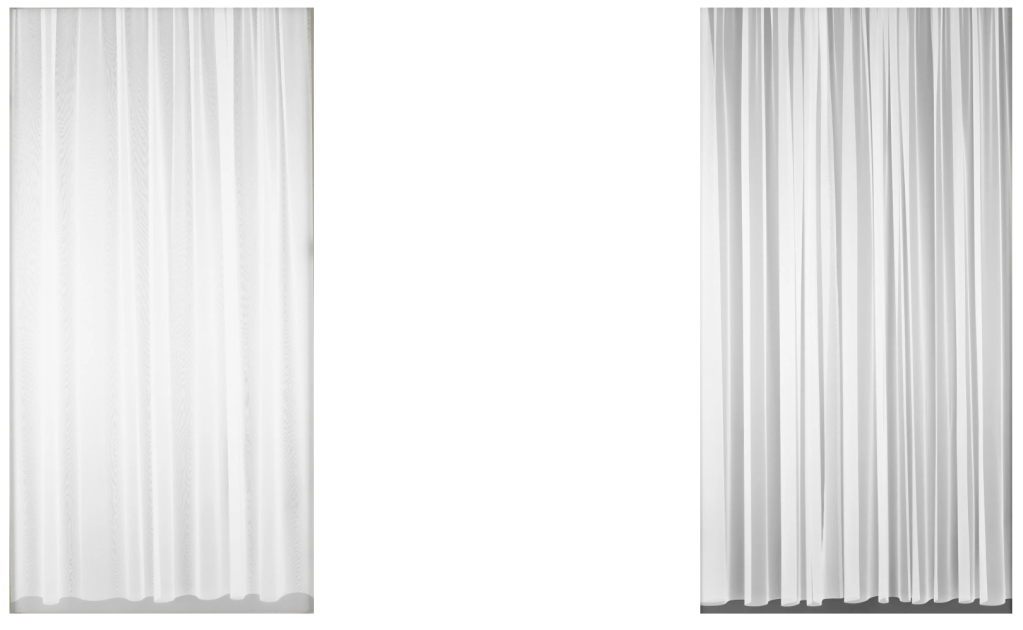
Untitled, Adam Fuss 2013
For his work with Curtains and snakes, he revisits antique classical greek sculpture to interpret his own work. As with all of us, our ideas and thoughts come from somewhere and Fuss likes to explore this in depth to find meaning behind his art, often after the fact. He illustrates in a short film how its possible that earlier influences have derived from spending time in classical galleries. For me the parallels between these works contain remarkably similar visual qualities to the sculptures and structures that he outlines here:
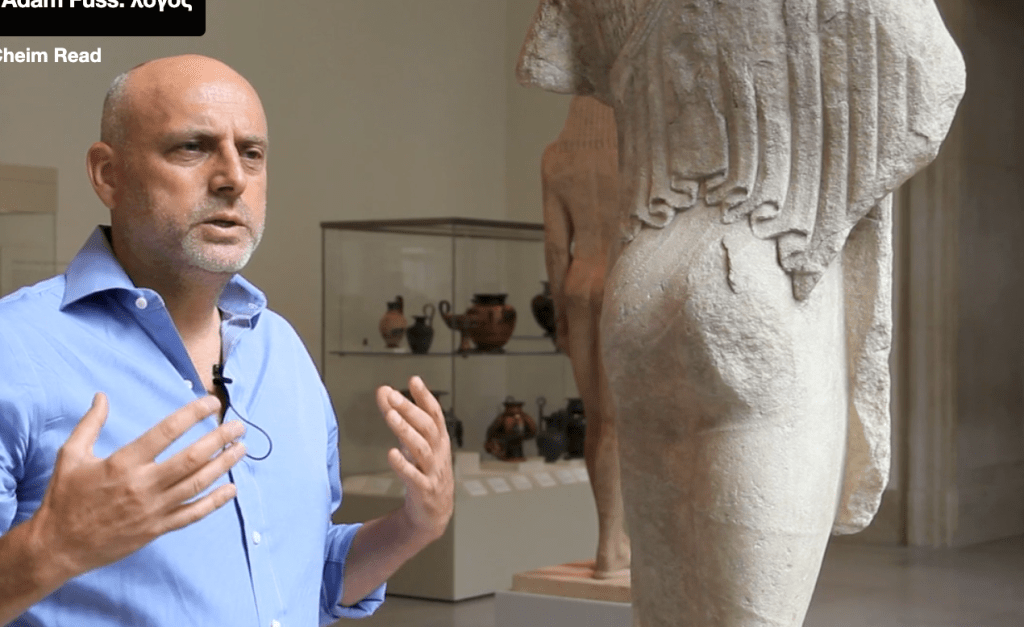
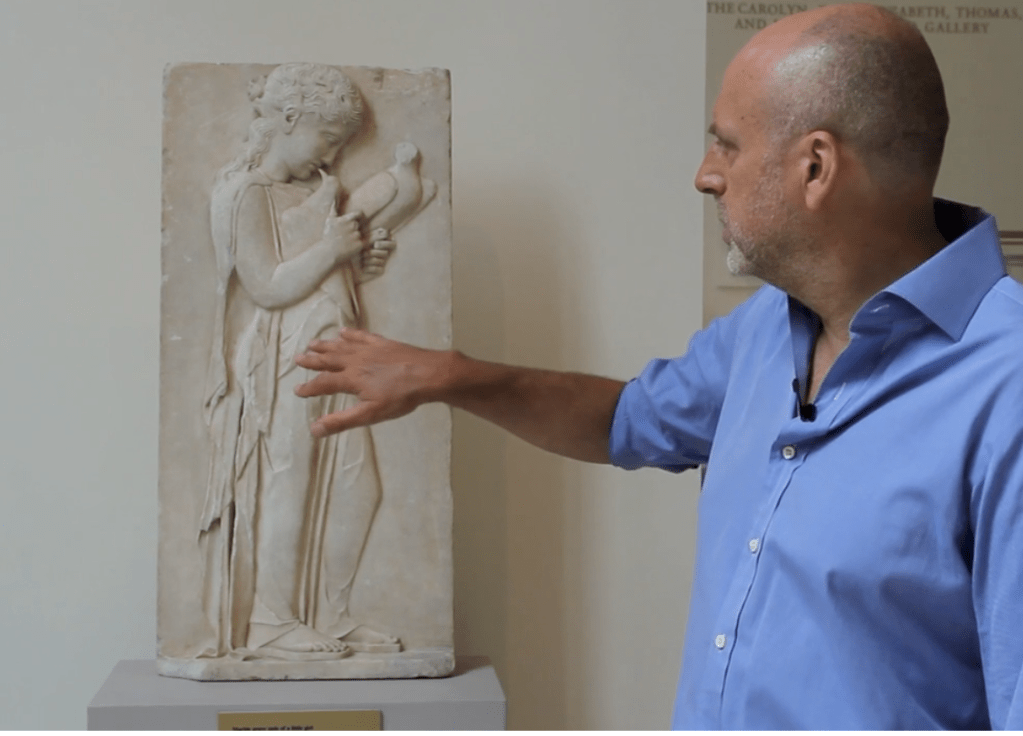
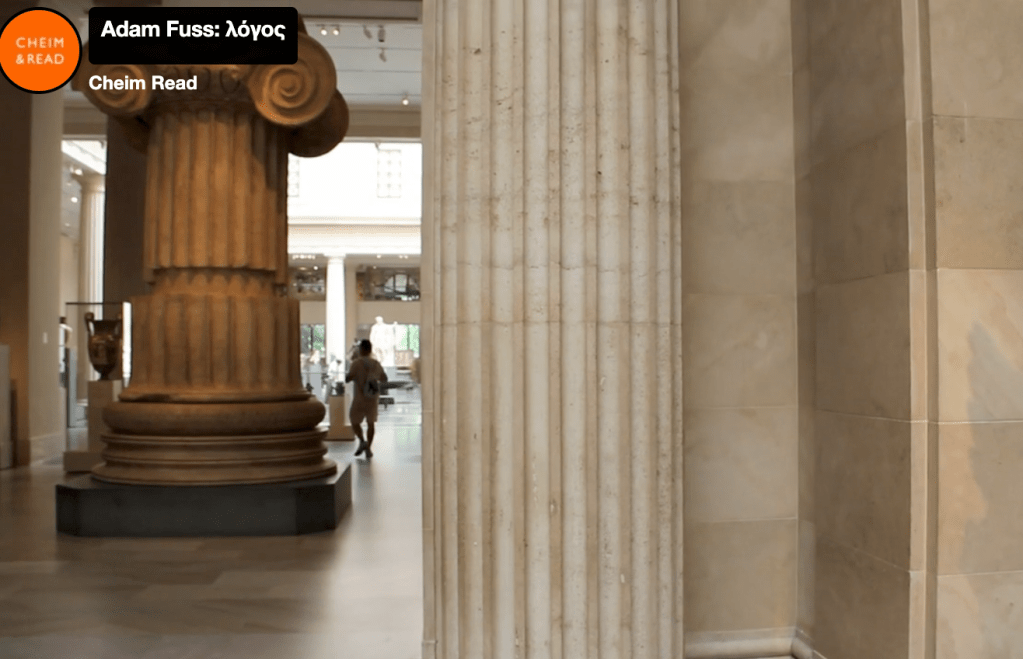
I had myself during my BA, produced a small series of images just shot in my own bathroom. I still revisit this work now as I find it pleasing. I love the texture and feel of Italian marble and reflecting on it now, I wonder if this is why I like these images so much. For me this reminds me of the importance of digging deeper into the inspiration behind my own work to try and extract real meaning, as demonstrated here. His experimentation is highly ambitious, it may be that I am unable to work at this scale for this module but its something to inspire the development of my FMP.
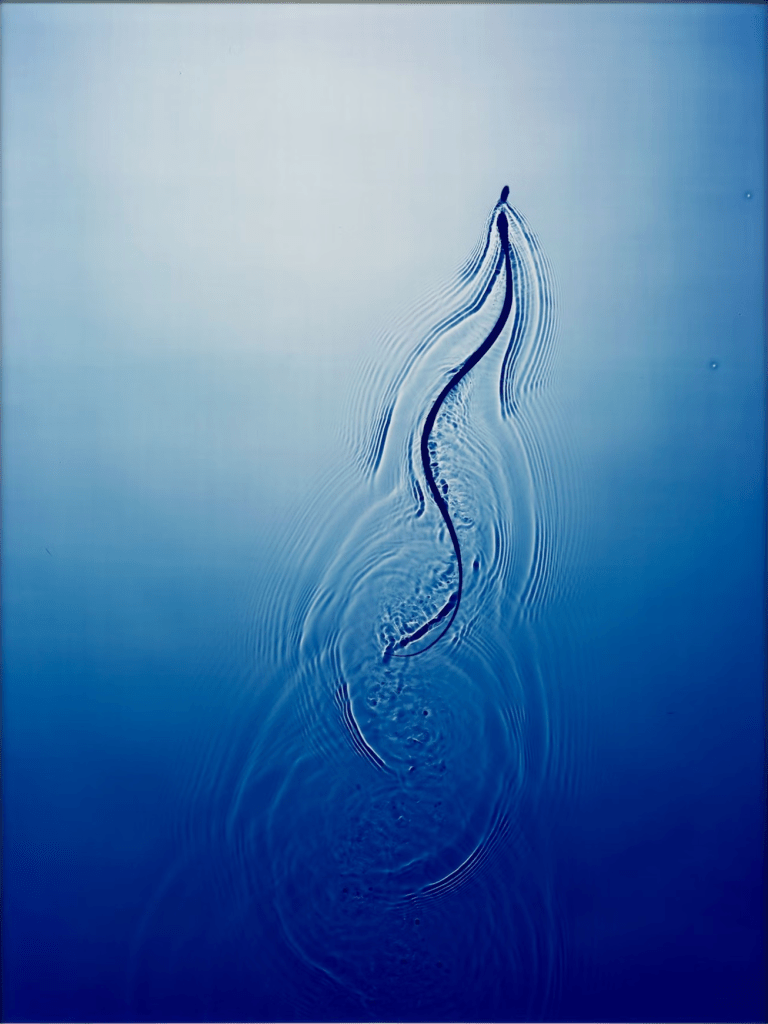
Untitled, Adam Fuss. 2015
Fuss—”the spiritual symbolist among the non-conventional photographers” (Yasi Alipour, Brooklyn Rail)
 Lucinda Taylor